Wildlife Travel Guide with Top Animal Encounters
Planning a wildlife-focused trip? This guide highlights the world’s best animal encounters, from safari elephants to Arctic polar bears. Whether you’re seeking close-up views of endangered species or once-in-a-lifetime migrations, these destinations offer safe, ethical, and unforgettable experiences. You’ll find practical tips on timing, locations, and responsible travel practices—so you can enjoy nature without harming it.
Why Choose Wildlife Travel?
Wildlife travel connects you with nature in a meaningful way. Unlike theme parks or zoos, these experiences happen in natural habitats, often supporting conservation efforts. Seeing animals in the wild fosters deeper appreciation and awareness.
Many travelers choose wildlife trips for photography, education, or personal challenge. Others are drawn by the chance to witness rare behaviors—like humpback whales breaching or cheetahs hunting at dawn. These moments create lasting memories and inspire environmental stewardship.
Top Destinations for Unforgettable Animal Encounters
Serengeti National Park, Tanzania
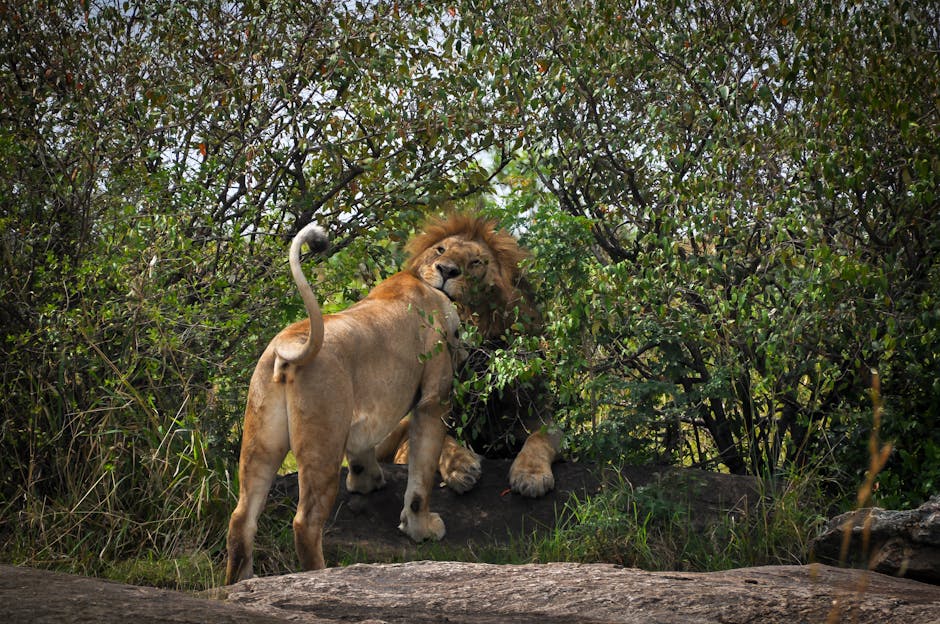
The Serengeti is legendary for the Great Migration, where over a million wildebeest and zebra cross the plains each year. Predators like lions and hyenas follow closely, creating dramatic scenes of survival.
Visit between July and October for river crossings at the Grumeti and Mara Rivers. Early morning game drives offer the best light and animal activity. Choose lodges with expert guides who know animal patterns and respect park rules.
Galápagos Islands, Ecuador
The Galápagos offer one of the most unique wildlife experiences on Earth. Giant tortoises, marine iguanas, and blue-footed boobies roam freely, unafraid of humans. Snorkeling with sea lions and reef sharks is common.
Travel between June and November for cooler waters and active wildlife. Book certified naturalist-led tours to ensure minimal environmental impact. Avoid touching animals or feeding them—rules strictly enforced by park authorities.
Ranthambore National Park, India
Ranthambore is one of the best places to see Bengal tigers in the wild. The park’s mix of forests, lakes, and ancient ruins creates a striking backdrop for wildlife photography.
Visit from October to June, when temperatures are mild and tigers are more visible near water sources. Jeep safaris are limited and require advance booking. Always stay quiet and follow your guide’s instructions to avoid disturbing the animals.
Yellowstone National Park, USA
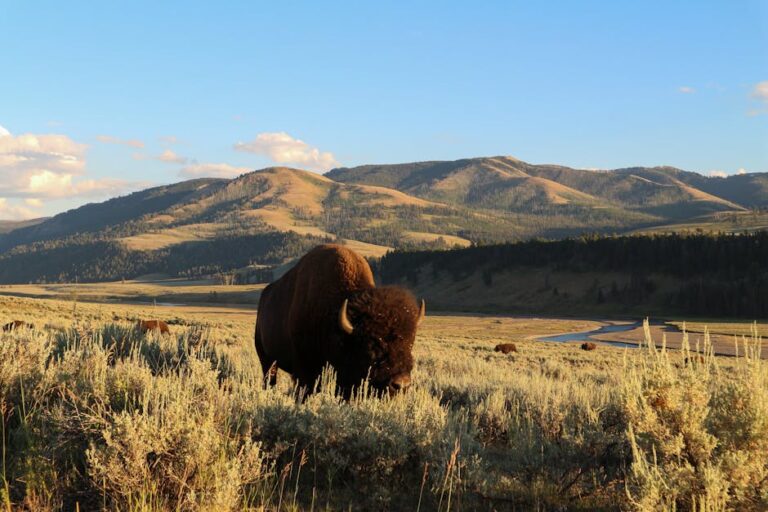
Yellowstone is home to bison, elk, grizzly bears, and wolves—all thriving in a protected ecosystem. The park’s geothermal features add to its dramatic landscape.
Spring and early summer are ideal for spotting newborn animals and active predators. Use binoculars for safe viewing, especially near bears and bison. Never approach wildlife; maintain at least 25 yards from most animals and 100 yards from bears and wolves.
Svalbard, Norway
Svalbard offers Arctic wildlife encounters, including polar bears, walruses, and Arctic foxes. Summer months provide 24-hour daylight, perfect for extended exploration.
Travel with licensed expedition guides who carry firearms for safety. Polar bears are dangerous and unpredictable—never travel without professional supervision. Boat tours offer safer viewing of walrus colonies and bird cliffs.
Kruger National Park, South Africa
Kruger is one of Africa’s largest game reserves, offering high chances of seeing the Big Five: lion, leopard, rhinoceros, elephant, and buffalo. Self-drive and guided options are available.
Visit during the dry season (May to September) when animals gather near waterholes. Night drives increase your odds of spotting nocturnal species. Always stay in your vehicle unless in designated safe zones.
Costa Rica’s Corcovado National Park
Corcovado is a biodiversity hotspot, home to jaguars, tapirs, scarlet macaws, and four species of monkeys. Dense rainforest and coastal habitats make it a prime destination for eco-tourists.
Travel with a certified guide—entry requires one. The park is remote; plan for muddy trails and high humidity. Visit between December and April for drier conditions and better wildlife visibility.
How to Plan Your Wildlife Adventure
Choose the Right Season
Timing is critical for wildlife sightings. Research migration patterns, breeding seasons, and weather conditions. For example, whale watching in Alaska peaks in July and August, while African safaris are best in the dry months.
Check local park websites or consult tour operators for up-to-date information. Some species are only visible during specific times of day or year.
Book with Ethical Operators
Not all tour companies prioritize animal welfare. Look for certifications like those from the Global Sustainable Tourism Council or local conservation groups.
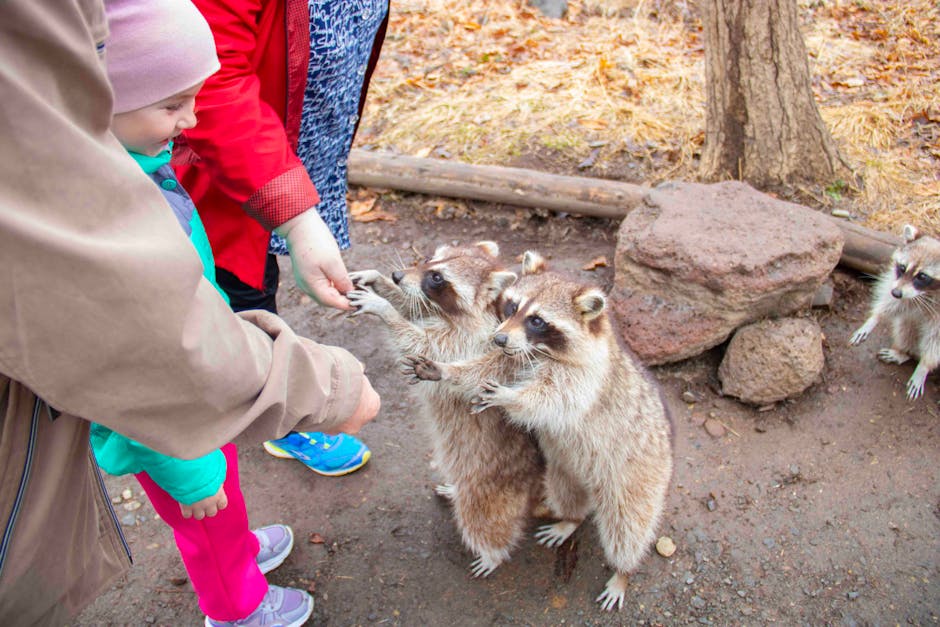
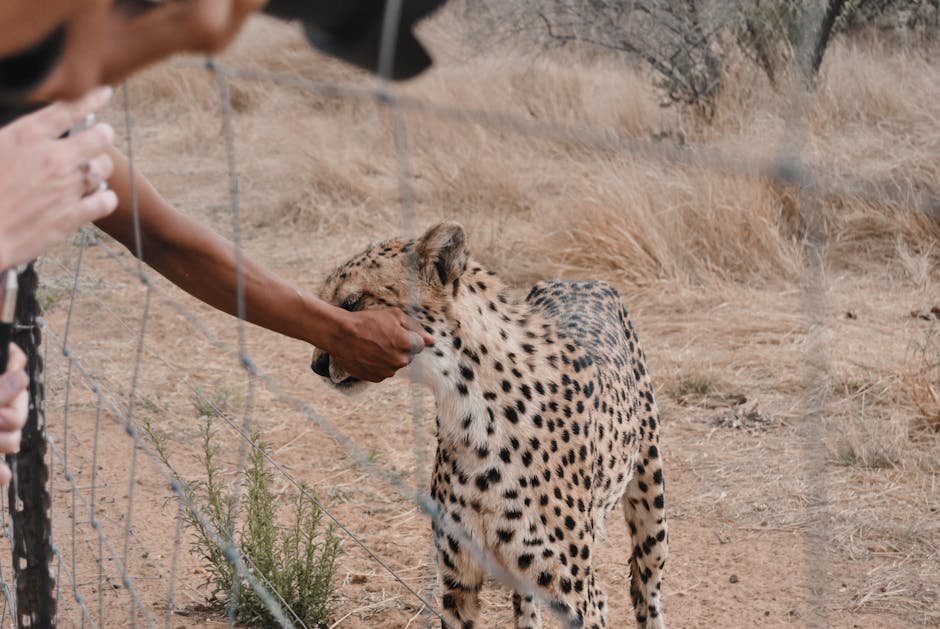
Ask about their policies on animal interaction, waste management, and community support. Avoid attractions that offer petting, riding, or feeding of wild animals.
Pack Smart for the Wild
Bring neutral-colored clothing to blend in and avoid bright patterns. Pack binoculars, a zoom lens for cameras, and insect repellent. In colder regions, layer clothing for temperature changes.
Carry reusable water bottles and avoid single-use plastics. Many parks have strict littering rules to protect wildlife and habitats.
Respect Wildlife and Local Communities
Keep a safe distance from animals. Use zoom lenses instead of approaching. Never feed wildlife—it can alter natural behaviors and cause health problems.
Support local guides and businesses. Your spending can fund conservation and improve livelihoods. Learn a few phrases in the local language to show respect and build rapport.
Safety Tips for Wildlife Travelers
Understand Animal Behavior
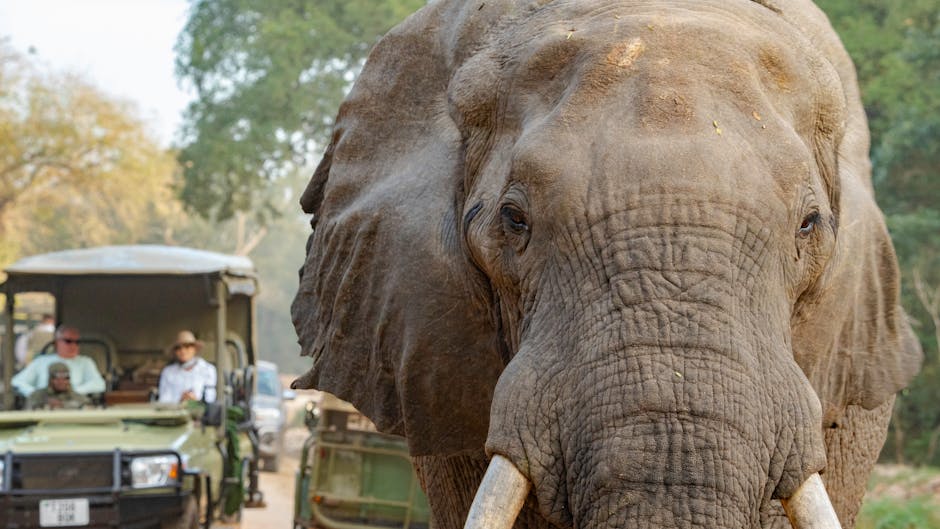
Learn basic signs of animal stress or aggression. For example, elephants may flap ears or trumpet when threatened. Bears may huff or slap the ground before charging.
Follow your guide’s instructions immediately. In national parks, rangers are trained to handle emergencies and know evacuation procedures.
Prepare for Emergencies
Carry a first-aid kit, emergency contact numbers, and a satellite phone if traveling to remote areas. Inform someone of your itinerary before departure.
Know the nearest medical facilities and evacuation routes. Some regions have limited healthcare access, so travel insurance is essential.
Avoid Risky Behaviors
Never approach animals on foot unless explicitly allowed and supervised. Even seemingly calm animals can react unpredictably.
Do not swim in waters known to have crocodiles, sharks, or strong currents. Follow posted signs and ranger warnings at all times.
Conservation and Responsible Tourism
Wildlife travel can support conservation when done responsibly. Many parks use entrance fees to fund anti-poaching units, habitat restoration, and research.
Choose operators that contribute to local conservation projects. Some donate a portion of tour fees or employ rangers from nearby communities.
Avoid souvenirs made from animal parts, such as ivory, coral, or turtle shell. These products fuel illegal wildlife trade and harm endangered species.
Wildlife Photography Tips
Use the Right Gear
A telephoto lens (300mm or longer) helps capture animals without disturbing them. A tripod stabilizes shots in low light, especially during dawn or dusk.
Bring extra batteries and memory cards. Cold weather drains batteries faster, so keep spares warm in your pocket.
Be Patient and Quiet
Great wildlife photos require time and stillness. Wait quietly near known animal paths or water sources. Avoid sudden movements or loud noises.
Respect photography etiquette—don’t block paths or crowd other viewers. Share space and take turns for the best angles.
Edit Responsibly
Avoid over-editing photos to misrepresent behavior or location. Do not use bait or calls to lure animals for shots. Ethical photography preserves the integrity of the experience.
Share your images to raise awareness, but never geotag sensitive locations. This prevents overcrowding and habitat disturbance.
Wildlife Travel for Families and Solo Travelers
Family-Friendly Options
Many parks offer junior ranger programs and educational activities for children. Yellowstone and Costa Rica have interactive centers that teach kids about ecosystems.
Choose lodges with family rooms and kid-friendly meal options. Shorter guided walks and boat tours are great for younger travelers.
Solo Traveler Considerations
Solo travelers should join small group tours for safety and social connection. Many operators offer single supplements or roommate matching.
Inform your accommodation of your plans and check in regularly. Stay in well-reviewed lodges with 24-hour staff and reliable communication.
Wildlife Travel and Climate Change
Climate change affects animal behavior and migration patterns. Some species are moving to higher altitudes or earlier breeding seasons.
Support destinations that monitor and adapt to these changes. Choose carbon-offset programs when flying and minimize your environmental footprint.
Stay informed about how global events—like wildfires or droughts—may impact your destination. Flexibility in travel plans helps reduce stress and environmental impact.
Wildlife Travel Guide with Top Animal Encounters: Final Thoughts
A well-planned wildlife trip offers more than sightseeing—it builds empathy for the natural world. By choosing ethical operators, respecting animals, and supporting conservation, you contribute to a sustainable future for wildlife.
Use this guide to find the best animal encounters that match your interests and travel style. Whether you’re watching orangutans in Borneo or tracking penguins in Antarctica, prepare thoroughly and travel mindfully.
FAQ
What is the best time of year for wildlife travel?
It depends on the destination. In Africa, the dry season (May–September) is ideal for safaris. In Alaska, summer (June–August) offers whale watching and bear viewing. Always research species-specific patterns before booking.
How can I ensure my wildlife tour is ethical?
Look for operators with conservation certifications, avoid animal interactions like riding or feeding, and choose tours that support local communities and habitat protection.
Is wildlife travel safe for children?
Yes, with proper planning. Choose family-friendly parks with educational programs, use child-safe transportation, and always supervise kids near animals. Avoid high-risk areas like polar bear territories unless with expert guides.