Top Places to Visit Before You Die Travel Bucket List
If you’re dreaming of a life filled with adventure, wonder, and unforgettable experiences, building a travel bucket list is a great place to start. This guide highlights the top places to visit before you die—destinations that offer breathtaking landscapes, rich cultures, and once-in-a-lifetime moments. From ancient wonders to natural marvels, these locations have earned their spot on every traveler’s must-see list. Whether you’re planning your next big trip or just starting to dream, these destinations promise memories that last forever.
Why a Travel Bucket List Matters
A travel bucket list isn’t just a checklist—it’s a personal roadmap to experiences that enrich your life. It helps you prioritize what matters most, whether that’s witnessing a natural wonder, connecting with a new culture, or stepping into history. Many people delay travel due to time, cost, or uncertainty, but having a clear list motivates action and gives purpose to planning.
Research shows that experiences, especially travel, contribute more to long-term happiness than material possessions. A well-curated list keeps you focused on meaningful goals. It also encourages research, budgeting, and intentional decision-making, turning vague dreams into achievable plans.
How to Build Your Own Travel Bucket List
Start with Your Interests
Begin by identifying what excites you most. Are you drawn to mountains, beaches, cities, or historical sites? Your passions should guide your choices. For example, if you love wildlife, destinations like the Galápagos Islands or Serengeti National Park might top your list.
Consider your travel style. Do you prefer solo adventures, family trips, or group tours? Your preferences will influence which destinations suit you best. Think about climate, language barriers, and accessibility when narrowing down options.
Research and Prioritize
Once you have a list of potential destinations, research each one thoroughly. Look into the best time to visit, local customs, safety, and entry requirements. Prioritize places based on urgency—some locations are at risk due to climate change, overtourism, or political instability.
Use trusted sources like government travel advisories, travel blogs, and guidebooks. Talk to people who’ve been there. Create a tiered system: “must-see,” “would love to visit,” and “someday.” This helps you focus on high-impact trips first.
Set Realistic Goals
Travel takes time and money. Be honest about your budget and schedule. Break large trips into smaller goals. For instance, instead of saving for a year-long world tour, aim for one major destination per year.
Consider travel rewards programs, off-season deals, and alternative accommodations to stretch your budget. Even small savings add up over time. The key is consistency—chip away at your list year by year.
Iconic Natural Wonders
The Grand Canyon, USA
Carved by the Colorado River over millions of years, the Grand Canyon is a geological masterpiece. Its vast, colorful layers reveal Earth’s history in vivid detail. Whether you view it from the South Rim or hike into the canyon, the scale is humbling.

Best visited in spring or fall to avoid extreme heat, the park offers hiking, mule rides, and river rafting. Sunrise and sunset transform the canyon into a canvas of reds, oranges, and purples. Don’t miss the Desert View Watchtower for panoramic views.
Great Barrier Reef, Australia
The world’s largest coral reef system, the Great Barrier Reef stretches over 2,300 kilometers off Australia’s coast. It’s home to thousands of marine species, including turtles, sharks, and vibrant corals. Snorkeling or diving here offers an underwater paradise unlike any other.
Climate change and coral bleaching are serious threats. Visit sooner rather than later to witness its full glory. Choose eco-friendly tour operators and follow guidelines to minimize your impact. The reef is a fragile ecosystem worth protecting.
Northern Lights, Norway and Iceland
The aurora borealis, or Northern Lights, is one of nature’s most magical displays. Caused by solar particles colliding with Earth’s atmosphere, the lights dance across the sky in greens, pinks, and purples. Norway and Iceland offer some of the best viewing opportunities.
Visit between September and March, when nights are long and skies are dark. Stay away from city lights for clearer views. Be patient—auroras are unpredictable. Bring warm clothing and a tripod for photography.
Historic and Cultural Landmarks
Machu Picchu, Peru
Perched high in the Andes, Machu Picchu is a 15th-century Incan citadel shrouded in mystery. Rediscovered in 1911, it remains one of the most iconic archaeological sites in the world. Its terraced fields, temples, and stone structures showcase advanced engineering.
Access is limited to preserve the site. Book permits well in advance, especially for the Inca Trail. The classic four-day hike is rewarding but challenging. Alternatively, take the train to Aguas Calientes and a bus up. Sunrise at the Sun Gate is unforgettable.
Taj Mahal, India
A symbol of love and one of the New Seven Wonders of the World, the Taj Mahal was built by Mughal emperor Shah Jahan in memory of his wife. Its white marble dome and intricate inlay work are breathtaking, especially at sunrise or sunset.
Located in Agra, it’s easily accessible from Delhi. Visit early in the morning to avoid crowds and heat. Photography is allowed, but drones are prohibited. Combine your visit with nearby Fatehpur Sikri for a fuller Mughal experience.
Petra, Jordan
Known as the “Rose City” for its pink-hued sandstone cliffs, Petra is an ancient Nabataean city carved into rock. The Treasury, its most famous structure, appears dramatically after a narrow canyon walk. It’s a UNESCO World Heritage Site and a testament to human ingenuity.

Wear comfortable shoes and carry water—the site is large and arid. Consider the “Petra by Night” tour for a candlelit experience. Combine with a visit to Wadi Rum for desert landscapes and Bedouin culture.
Urban Marvels and Modern Wonders
Tokyo, Japan
Tokyo blends tradition and innovation like no other city. From serene temples and cherry blossoms to neon-lit streets and cutting-edge technology, it offers endless discovery. Experience everything from sushi at Tsukiji Market to robot restaurants in Shinjuku.
The city is safe, clean, and efficient, with an excellent public transport system. Learn basic Japanese phrases and carry cash—many places don’t accept cards. Visit during cherry blossom season (late March to early April) for a magical atmosphere.
New York City, USA
As a global hub of culture, finance, and entertainment, New York City pulses with energy. Iconic landmarks like the Statue of Liberty, Central Park, and Times Square are just the beginning. Explore world-class museums, Broadway shows, and diverse neighborhoods.
Use the subway to get around affordably. Walk as much as possible—many attractions are close together. Visit in spring or fall for pleasant weather. Even a short trip can feel like a full adventure.
Dubai, UAE
Dubai is a city of superlatives—home to the world’s tallest building, largest shopping mall, and indoor ski slope. It blends luxury with cultural heritage, from traditional souks to futuristic architecture. The Burj Khalifa offers stunning city views from its observation deck.
Visit between November and March for cooler weather. Respect local customs, especially during Ramadan. Combine with a desert safari for dune bashing, camel rides, and stargazing.
Remote and Unique Destinations
Antarctica
Earth’s southernmost continent is a pristine wilderness of ice, snow, and wildlife. Penguins, seals, and whales thrive in this extreme environment. Most travelers visit via expedition cruise from South America, typically between November and March.
It’s one of the most expensive and logistically complex trips on this list. Choose a reputable operator with environmental certifications. Be prepared for rough seas and limited communication. The experience is transformative—few places feel as remote or untouched.
Santorini, Greece

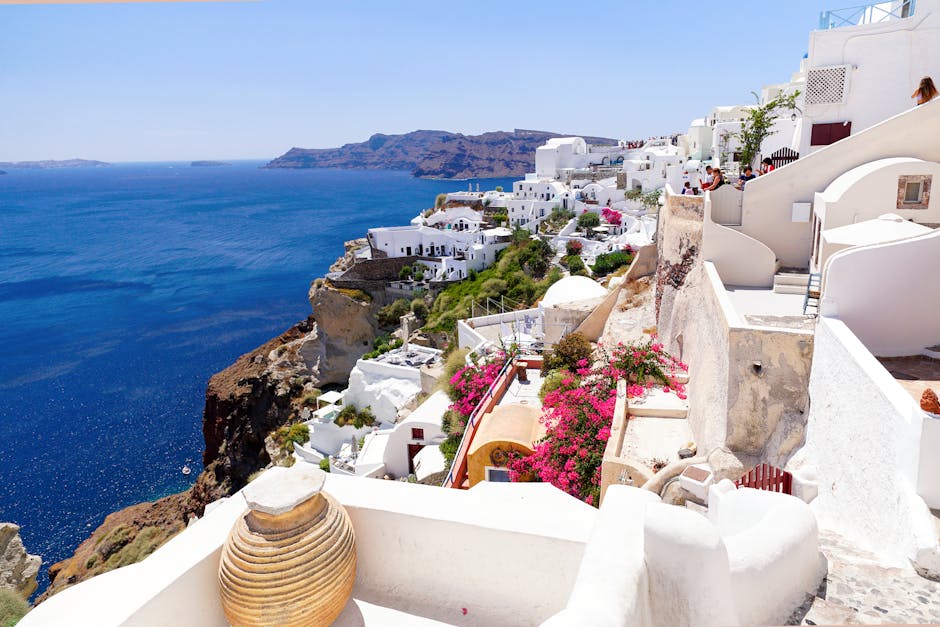
Famous for its whitewashed buildings, blue-domed churches, and stunning sunsets, Santorini is a postcard-perfect island in the Aegean Sea. Perched on a volcanic caldera, it offers dramatic cliffs, volcanic beaches, and charming villages like Oia and Fira.
Best visited in late spring or early fall to avoid peak summer crowds. Stay in a cave hotel for a unique experience. Try local wines made from volcanic soil. Be cautious on cliffside paths—some areas have uneven footing.
Bagan, Myanmar
Home to over 2,000 ancient Buddhist temples and pagodas, Bagan is a spiritual and architectural wonder. Spread across a vast plain, the temples date back to the 9th to 13th centuries. Sunrise hot air balloon rides offer a bird’s-eye view of the landscape.
Political instability and infrastructure challenges exist. Check travel advisories before planning. Support local communities by hiring guides and staying in family-run guesthouses. The site is less touristy than others, offering a more authentic experience.
Tips for Traveling Responsibly
As travel becomes more accessible, responsible tourism is more important than ever. Choose eco-friendly accommodations and tour operators. Respect local cultures—learn basic greetings and dress appropriately. Avoid single-use plastics and support local businesses.
Be mindful of your environmental impact. Stick to marked trails, don’t touch coral or wildlife, and carry out all trash. Travel insurance is essential, especially for remote or high-risk destinations. Leave no trace—preserve these places for future generations.
Final Thoughts on Your Travel Bucket List
Your travel bucket list is personal—it should reflect your values, interests, and dreams. It’s not about ticking off destinations but about the experiences they bring. Some places may take years to reach, but the journey matters as much as the destination.
Start small, stay curious, and remain open to unexpected opportunities. Travel changes perspectives, builds empathy, and creates stories you’ll share for a lifetime. The world is vast and full of wonder—start exploring.
FAQ
How do I choose which places to include on my travel bucket list?
Focus on destinations that align with your interests, whether that’s nature, history, food, or adventure. Research each location and consider factors like safety, cost, and best time to visit. Prioritize places that feel meaningful to you personally.
Is it realistic to visit all the top places to visit before you die?
While visiting every iconic destination is ambitious, it’s not necessary. Focus on quality over quantity. Even visiting a few life-changing places can be deeply rewarding. Set realistic goals and celebrate each trip as an achievement.
What should I do if a destination becomes unsafe or inaccessible?
Stay informed through official travel advisories and local news. Have a backup plan or consider visiting during a safer time. Some places may be restored or reopened in the future. Flexibility and patience are key to long-term travel planning.