Travel Tips Guide with Travel Safety and Security Tips
Planning a trip? A reliable travel tips guide with travel safety and security tips can make the difference between a smooth journey and a stressful experience. Whether you’re heading to a bustling city or a remote destination, knowing how to prepare, stay alert, and respond to risks is essential. This guide covers practical advice on packing, documentation, health, transportation, and personal safety—so you can travel with confidence.
Pre-Trip Preparation: Laying the Groundwork
Smart travel starts long before you board the plane. Taking time to research and organize your trip reduces stress and minimizes risks. Begin by checking government travel advisories for your destination. The U.S. Department of State, UK Foreign Office, and similar agencies provide up-to-date alerts on political unrest, natural disasters, or health concerns.
Next, ensure your passport is valid for at least six months beyond your return date. Many countries enforce this rule strictly. Apply for visas early—processing times vary, and delays can derail plans. Keep digital and physical copies of your passport, visa, travel insurance, and itinerary in separate locations.
Travel Insurance: A Non-Negotiable
Travel insurance is one of the most overlooked yet vital parts of trip planning. It covers medical emergencies, trip cancellations, lost luggage, and evacuation costs. For example, a single hospital visit abroad can cost thousands without coverage.
Choose a plan that includes medical coverage of at least $100,000 and emergency evacuation. Read the fine print: some policies exclude high-risk activities like scuba diving or hiking. If you’re traveling for work or with expensive gear, consider add-ons for electronics or business equipment.
Packing Smart: What to Bring and What to Leave
Pack light but strategically. Bring versatile clothing that can be layered and mixed. Roll clothes instead of folding to save space and reduce wrinkles. Use packing cubes to stay organized.
Essential items include a first-aid kit, prescription medications (with copies of prescriptions), a portable charger, and a money belt. Avoid bringing unnecessary valuables. Leave expensive jewelry at home—flashy items attract unwanted attention.
Staying Safe While Traveling
Once you arrive, staying safe means staying aware. Tourist areas are common targets for petty crime like pickpocketing and scams. Keep your belongings close, especially in crowded markets, public transit, and tourist hotspots.
Use hotel safes for passports, extra cash, and electronics. Never leave bags unattended. When using ATMs, choose machines inside banks or well-lit areas. Shield your PIN and avoid using cards at suspicious kiosks.
Transportation Safety: From Taxis to Trains
Public transportation is convenient but requires caution. In many cities, unmarked taxis or unofficial rideshares may overcharge or pose risks. Always use licensed services or apps like Uber or Bolt where available.
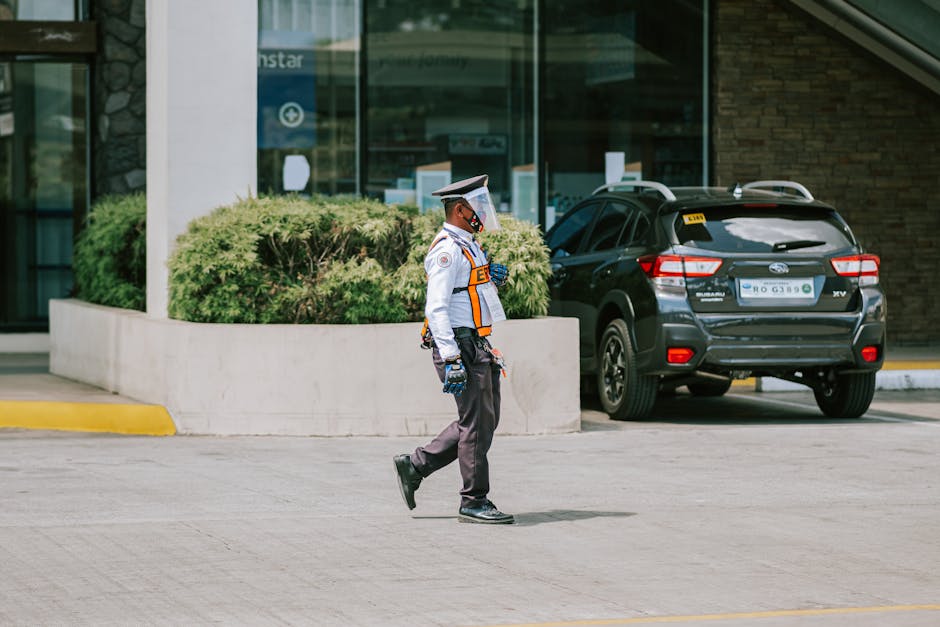
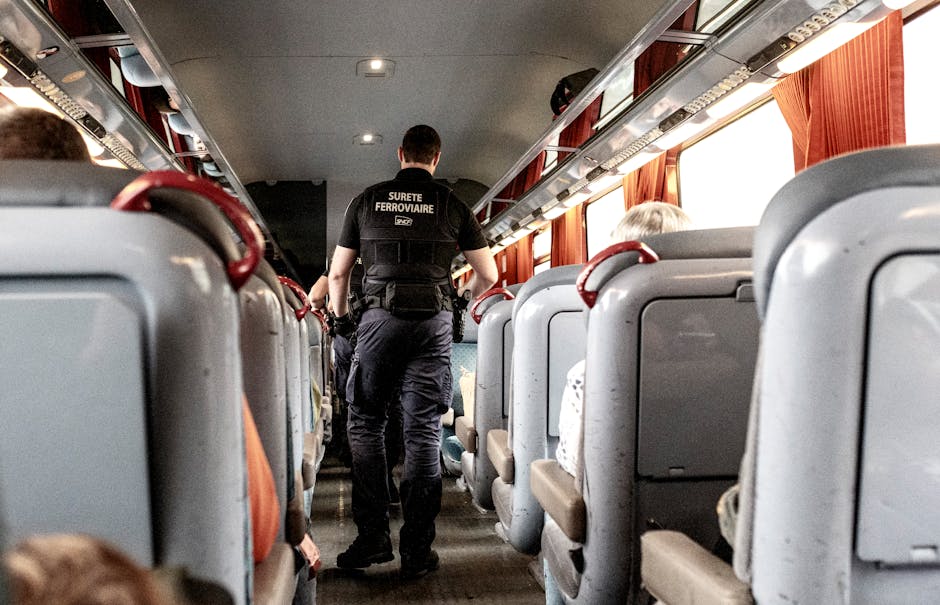
On trains and buses, keep your bag on your lap or between your feet—not in overhead racks. If traveling overnight, book a sleeper cabin and lock the door from the inside. Share your route with someone you trust.
Accommodation Security: Choosing and Using Your Stay
Research your lodging before booking. Read recent reviews focusing on safety, cleanliness, and location. Avoid ground-floor rooms or those near alleys. Check that doors and windows have solid locks.
Upon arrival, test the locks and note emergency exits. Use the peephole before opening the door. If something feels off—like a broken lock or suspicious noise—ask to change rooms or leave.
Health and Hygiene on the Road
Staying healthy while traveling prevents disruptions and protects others. Drink bottled or filtered water in areas with questionable tap water. Avoid ice in drinks and raw vegetables washed in local water.
Carry hand sanitizer and use it before eating. Wash hands frequently, especially after using public transport or touching surfaces in high-traffic areas. Pack a small first-aid kit with bandages, antiseptic wipes, and pain relievers.
Vaccinations and Medications
Visit a travel clinic 4–6 weeks before departure. Some destinations require specific vaccines, such as yellow fever or typhoid. Even if not required, hepatitis A and typhoid vaccines are recommended for most travelers.
Bring enough prescription medication for the entire trip, plus a few extra days. Keep it in original containers with labels. If you have allergies or chronic conditions, carry a medical ID card or bracelet.
Digital Security: Protecting Your Data
Public Wi-Fi is convenient but risky. Hackers often target travelers on unsecured networks. Avoid logging into banking or email accounts on public networks. Use a virtual private network (VPN) to encrypt your connection.
Enable two-factor authentication on important accounts. Back up photos and documents to the cloud. Consider using a separate email for travel bookings to reduce spam and phishing risks.
Device Safety
Keep your phone, tablet, and laptop secure. Use strong passwords or biometric locks. Never leave devices unattended in cafes or taxis. If your phone is lost or stolen, remotely wipe it using services like Find My iPhone or Google Find My Device.
Download offline maps and translation apps before you go. This helps if you lose internet access or need to navigate without data.
Dealing with Emergencies
Even with preparation, emergencies happen. Know the local emergency numbers—they vary by country. In many places, 112 works for police, fire, and medical help.
If you lose your passport, contact your embassy immediately. They can issue emergency travel documents. Keep a list of embassy contacts in your phone and printed copy.
Natural Disasters and Civil Unrest
Stay informed about local conditions. Sign up for alerts from your government’s travel advisory service. If a storm, earthquake, or protest occurs, follow local authorities’ instructions.
Avoid large gatherings or demonstrations. They can turn violent quickly. Have a backup plan for transportation and shelter. Keep emergency cash in local currency and U.S. dollars.
Cultural Awareness and Local Etiquette
Respecting local customs builds goodwill and keeps you safe. Research dress codes, gestures, and social norms. In some countries, showing the soles of your feet or public affection is offensive.
Learn a few basic phrases in the local language. Saying “hello,” “thank you,” and “excuse me” goes a long way. Use translation apps if needed, but avoid speaking loudly or assuming everyone understands English.
Food and Drink Safety
Street food can be delicious but risky. Choose vendors with high turnover and clean cooking areas. Eat food that’s freshly cooked and served hot. Avoid raw seafood, unpasteurized dairy, and undercooked meat.
Stick to sealed bottled water. If unavailable, boil water for at least one minute or use purification tablets. Carry a reusable bottle with a built-in filter for convenience.
Money Management Abroad
Carry a mix of payment methods. Use credit cards for larger purchases—they offer better fraud protection. Withdraw cash from ATMs inside banks when possible.
Notify your bank of your travel dates to avoid card blocks. Keep daily spending limits low. Use a money belt or hidden pouch for emergency cash, separate from your wallet.
Avoiding Scams
Tourist scams are common worldwide. Be wary of overly friendly strangers offering unsolicited help, fake petitions, or “free” gifts. In some cities, people may distract you while an accomplice steals your bag.
Always agree on taxi fares before starting the ride. Use official stands or apps. If a deal seems too good to be true—like a luxury hotel at half price—it probably is.
Returning Home: Post-Trip Considerations
After your trip, monitor your health. Some illnesses, like malaria or dengue, may not appear immediately. See a doctor if you develop fever, rash, or fatigue within weeks of returning.
Check your bank and credit card statements for unauthorized charges. Report any suspicious activity immediately. Update your passwords if you used public devices or networks.
Reflect and Prepare for Next Time
Keep a travel journal to note what worked and what didn’t. Save receipts and documents for insurance claims or future reference. Share tips with friends or online communities.
Use lessons learned to improve your next trip. Maybe you’ll pack lighter, choose safer transport, or research more thoroughly. Every journey makes you a smarter traveler.
FAQ
What should I do if my passport is stolen abroad?
Contact your country’s nearest embassy or consulate immediately. They will guide you through replacing your passport and issuing emergency travel documents. File a police report if possible—it may be required for insurance claims.
Is it safe to use public Wi-Fi while traveling?
Public Wi-Fi is convenient but risky. Avoid accessing sensitive accounts like banking or email. Use a trusted VPN to encrypt your connection and protect your data from hackers.
How can I avoid getting sick while traveling?Drink bottled or purified water, eat freshly cooked food, and practice good hand hygiene. Get recommended vaccinations before your trip and carry a basic first-aid kit. Avoid raw foods and ice in areas with poor sanitation.