Peru Travel Guide: Machu Picchu and Travel Tips
Machu Picchu is one of the world’s most iconic archaeological sites and a must-see destination for travelers to Peru. Nestled high in the Andes Mountains, this ancient Inca citadel draws millions each year with its breathtaking views, mysterious history, and architectural brilliance. Whether you’re planning a day trip from Cusco or a multi-day trek along the Inca Trail, this guide covers everything you need to know—from entry requirements and best times to visit, to practical travel tips that ensure a smooth and memorable journey.
Why Visit Machu Picchu?
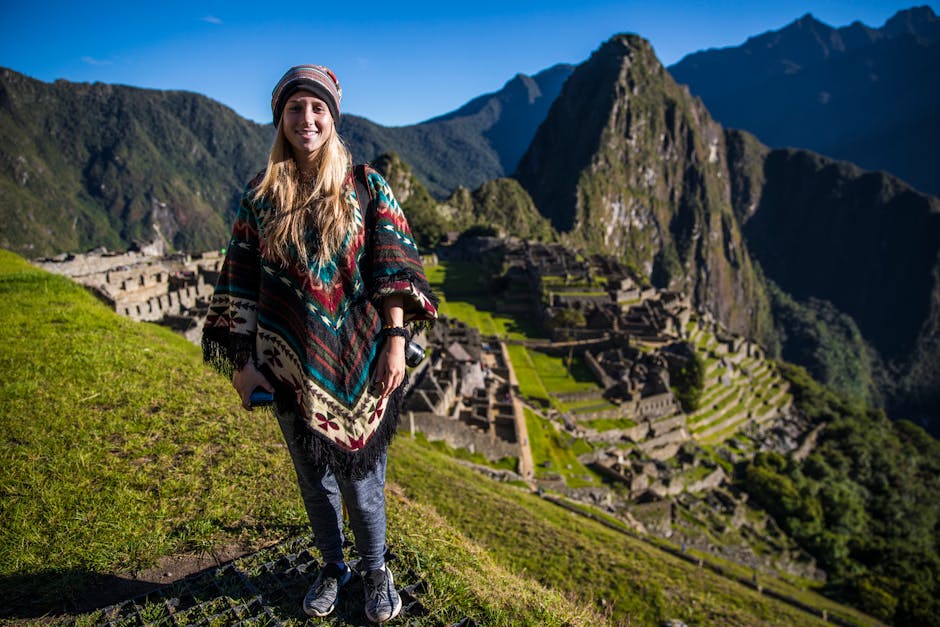
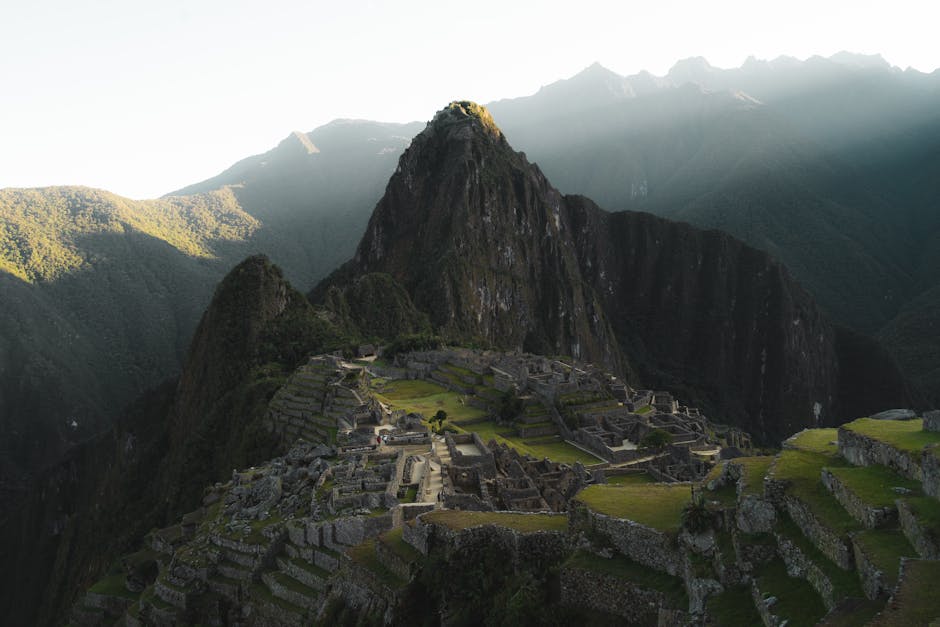
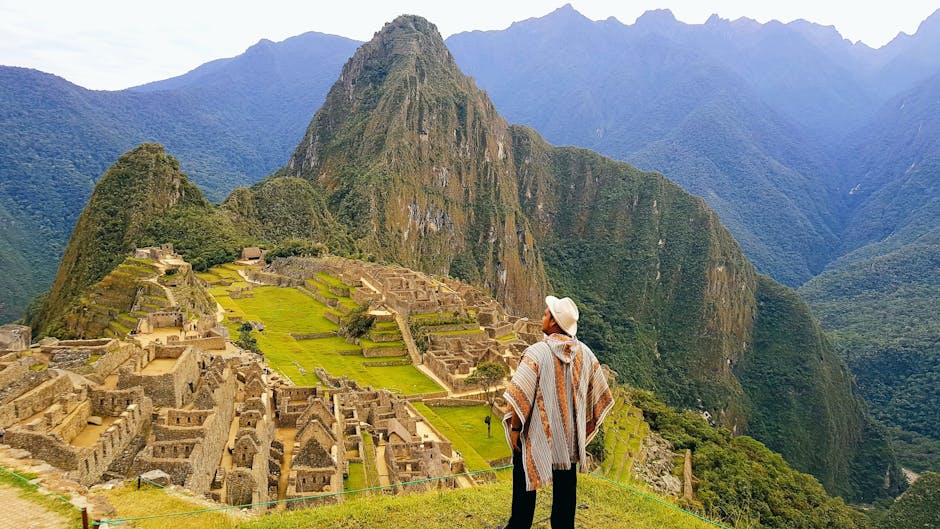
Machu Picchu isn’t just a UNESCO World Heritage Site—it’s a symbol of Inca engineering and cultural legacy. Built in the 15th century and abandoned during the Spanish conquest, it remained hidden from the outside world until American historian Hiram Bingham brought it to global attention in 1911. Today, it stands as a testament to sustainable urban planning, with terraced fields, aqueducts, and stone structures that have withstood centuries of earthquakes and weather.
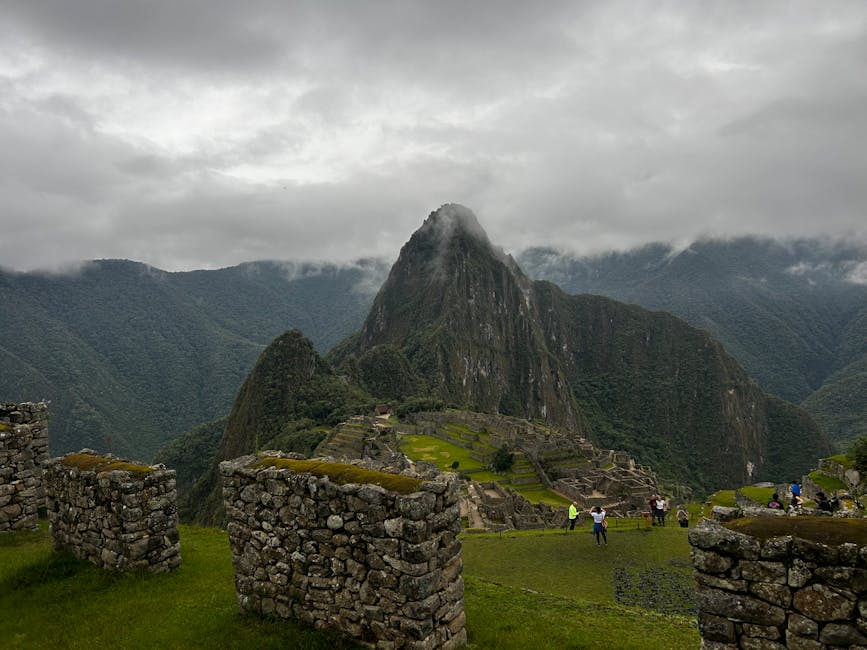
Visitors come not only for the history but also for the dramatic scenery. Perched at 2,430 meters (7,970 feet) above sea level, the site offers panoramic views of the Urubamba River winding through lush green valleys. The combination of misty peaks, ancient ruins, and spiritual ambiance creates an experience that’s both awe-inspiring and humbling.
How to Get to Machu Picchu
By Train
The most common and comfortable way to reach Machu Picchu is by train from Cusco to Aguas Calientes (also known as Machu Picchu Pueblo), the gateway town at the base of the mountain. PeruRail and Inca Rail operate daily services with options ranging from budget to luxury. The journey takes about 3.5 hours from Cusco, passing through scenic river gorges and cloud forests.
From Aguas Calientes, a 25-minute shuttle bus ride ascends the winding road to the Machu Picchu entrance. Alternatively, experienced hikers can take the steep 1.5-hour hike up, but this is not recommended without proper acclimatization.
By Trekking
For adventure seekers, the classic Inca Trail is a four-day, three-night trek covering approximately 43 kilometers (26 miles) through diverse ecosystems and ancient ruins. Permits are required and limited to 500 people per day (including guides and porters), so booking months in advance is essential—especially during peak season (May–September).
Other trekking options include the Salkantay Trek, Lares Trek, and Choquequirao Trek, each offering unique landscapes and cultural encounters. These routes vary in difficulty and duration, so choose based on your fitness level and time available.
By Bus and Foot (Budget Option)
Budget travelers can take a bus from Cusco to Hydroelectric Station (about 6 hours), then walk 10–12 kilometers along the train tracks to Aguas Calientes. This route takes roughly 3–4 hours of walking and costs significantly less than the train. However, it’s less comfortable and not advised during rainy season due to slippery conditions.
Best Time to Visit Machu Picchu
The dry season, from May to September, is the most popular time to visit. Skies are clear, rainfall is minimal, and trekking conditions are optimal. However, this also means larger crowds and higher prices. June, July, and August are peak months—expect long lines and fully booked accommodations.
The shoulder months of April and October offer a good balance: fewer tourists, lower prices, and generally pleasant weather. The rainy season (November to March) brings frequent downpours, especially in January and February, which can lead to trail closures and muddy paths. That said, the landscape is lush and green, and photography enthusiasts may enjoy the dramatic cloud formations.
Entry Requirements and Tickets
All visitors must purchase an official Machu Picchu ticket in advance through the government-run website or authorized agencies. Tickets are sold in time slots (morning or afternoon) to manage crowd flow. As of 2024, standard adult tickets cost around $79 USD, with discounts for students and children.
Important: You must bring your passport—the same one used to book the ticket. Entry is denied without ID matching the reservation. Tickets are non-refundable and non-transferable, so double-check dates and names before purchasing.
Additional Circuit Options
Machu Picchu now offers four different visitor circuits, each highlighting different parts of the site. Circuit 1 covers the main ruins and is ideal for first-time visitors. Circuit 3 includes the less-crowded upper terraces and the iconic Huayna Picchu hike (requires a separate permit). Choose your circuit based on your interests and physical ability.
What to Bring and What to Wear
Packing smart makes a big difference at high altitude. Bring layers—temperatures can shift quickly from warm sun to chilly winds. A waterproof jacket is essential, even in dry season, as afternoon showers are common.
Comfortable hiking shoes with good grip are non-negotiable. The stone steps are uneven and can be slippery when wet. Don’t forget a hat, sunglasses, sunscreen (UV exposure is intense at elevation), and a reusable water bottle. Plastic bags are banned inside the site, so use a daypack instead.
Prohibited Items
Large backpacks (over 20 liters), tripods, drones, and walking sticks with metal tips are not allowed. Food and drinks must be consumed outside the archaeological zone. Stick to small snacks and water.
Altitude Sickness: Prevention and Tips
Cusco sits at 3,400 meters (11,150 feet), and many travelers experience mild altitude sickness (soroche). Symptoms include headache, nausea, dizziness, and shortness of breath. To minimize effects, arrive in Cusco at least 2–3 days before visiting Machu Picchu to acclimatize.
Drink plenty of water, avoid alcohol, and consider drinking coca tea—a traditional remedy widely available in Peru. Over-the-counter medications like acetazolamide (Diamox) can help, but consult a doctor before use. Severe symptoms require immediate descent to lower elevation.
Guided Tours vs. Independent Visits
While it’s possible to explore Machu Picchu independently, a licensed guide enhances the experience. Guides provide historical context, point out architectural details, and help navigate the site efficiently. They’re required for certain circuits and treks, and highly recommended for first-time visitors.
Group tours are more affordable, while private guides offer personalized attention. Book guides through reputable agencies or directly at the entrance (though availability isn’t guaranteed). Avoid unlicensed “guides” who approach you aggressively—they may lack proper training.
Nearby Attractions and Day Trips
Aguas Calientes offers more than just access to Machu Picchu. Visit the Manuel Chávez Ballón Museum near the site entrance to learn about Inca engineering and artifacts. The town’s hot springs are perfect for relaxing sore muscles after a trek.
For panoramic views, hike to the Mandor Waterfalls or take a short train ride to the Putucusi Mountain viewpoint. In Cusco, explore Sacsayhuamán, Qorikancha, and the vibrant San Pedro Market. The Sacred Valley—home to Pisac, Ollantaytambo, and Maras salt mines—is also worth a day or two.
Safety and Cultural Etiquette
Machu Picchu is generally safe, but petty theft can occur in crowded areas. Keep your belongings secure and never leave valuables unattended. Stick to marked paths—wandering off can damage fragile ruins and is prohibited.
Respect local customs: speak softly, avoid touching structures, and don’t climb on walls or terraces. Photography is allowed, but flash and selfie sticks are banned. Remember, this is a sacred site for many Peruvians—treat it with reverence.
Sustainable Travel Practices
Tourism impacts Machu Picchu’s preservation. Help protect it by staying on designated trails, carrying out all trash, and supporting local businesses. Choose eco-conscious tour operators and avoid single-use plastics.
Consider visiting during off-peak times to reduce crowding. Your responsible choices contribute to the long-term conservation of this global treasure.
Final Travel Tips
Book train tickets and Machu Picchu entry well in advance—especially if trekking. Use official websites to avoid scams. Learn a few basic Spanish phrases; while many locals speak English, communication improves with effort.
Carry cash in Peruvian soles for small purchases, as credit cards aren’t accepted everywhere. Mobile coverage is limited in remote areas, so download maps and information offline. Lastly, be flexible—weather and logistics in the Andes can change quickly.
FAQ
Q: Do I need a visa to visit Peru?
Most travelers from the US, Canada, EU, and Australia do not need a visa for stays up to 90 days. Check with your local Peruvian consulate for current requirements.
Q: Can I visit Machu Picchu without a guide?
Yes, but a guide is required for certain circuits and highly recommended for a richer experience. Independent visits are allowed on Circuits 1 and 2.
Q: Is the Inca Trail safe for beginners?
The classic Inca Trail is moderate to challenging due to altitude and steep climbs. Beginners should train beforehand and ensure proper acclimatization in Cusco.