
Travel Tips Guide with Public Transport Tips Abroad
Navigating public transportation in a foreign country can feel overwhelming, but with the right preparation, it becomes one of the easiest and most affordable ways to explore. This travel tips guide with public transport tips abroad helps you move confidently through cities from Tokyo to Berlin. Whether you’re catching a metro, bus, or tram, understanding local systems saves time, money, and stress. From buying tickets to reading maps, these practical strategies ensure smooth travel across international transit networks.
Why Use Public Transport When Traveling Abroad?
Public transportation is often faster, cheaper, and more reliable than taxis or ride-sharing services in major cities. In places like Paris or Seoul, metro systems run frequently and cover extensive areas, making them ideal for tourists. Using local transit also gives you a more authentic experience of daily life in a new destination.
Compared to renting a car, public transit eliminates parking hassles and navigation challenges in unfamiliar traffic patterns. It’s also more environmentally friendly, reducing your carbon footprint while traveling. Many cities offer tourist passes that include unlimited rides, further cutting costs.
Cost-Effective Travel
A single metro ride in London costs around £2.80, while a day pass is £15.40—cheaper than multiple taxi trips. In contrast, a 24-hour tourist ticket in Vienna is just €8.50 and includes trams, buses, and subways. These savings add up quickly, especially for longer stays.
Some cities, like Berlin, offer group tickets that allow up to five people to travel together for the price of one. Always check for discounts for youth, seniors, or multi-day passes before purchasing individual tickets.
Efficiency and Coverage
Major cities invest heavily in public transit infrastructure. Tokyo’s rail network handles over 8 million passengers daily, with trains arriving every 2–3 minutes during peak hours. Similarly, Madrid’s metro spans 300 kilometers and connects airports, suburbs, and tourist sites.
Even smaller cities like Lisbon or Prague have well-connected systems that reach popular attractions. Planning your route in advance using official transit apps ensures you won’t waste time circling the city.
Pre-Trip Planning: Research Before You Go
Before arriving in a new city, research the local public transportation system. Look up the types of transit available—metro, bus, tram, commuter rail—and how they connect. Most cities have official websites or apps with maps, schedules, and fare information.
Download offline maps and transit apps like Citymapper, Google Maps, or the local transit authority’s app. These tools provide real-time updates, route suggestions, and service alerts. Save key locations such as your hotel, major landmarks, and transit hubs.
Understand Ticketing Systems
Ticketing varies widely between countries. In some cities, like Amsterdam, you use a rechargeable card (OV-chipkaart) for all transit. Others, like Rome, require paper tickets validated upon boarding. Failing to validate can result in fines.
Tourist passes often offer the best value. For example, the Paris Visite pass includes unlimited travel and discounts at museums. Compare daily, weekly, and multi-day options to find the most cost-effective choice for your itinerary.
Check Operating Hours
Not all transit systems run 24/7. In Barcelona, the metro stops at midnight, while in Tokyo, last trains leave around 12:30 a.m. Late-night buses may be available but are less frequent. Plan your return trips accordingly to avoid being stranded.
Weekend schedules sometimes differ from weekday service. Always verify timetables before heading out, especially on public holidays when reduced service is common.
Navigating the System: On-the-Ground Tips
Once you arrive, start by locating the nearest transit station. Look for signs with recognizable symbols—a “M” for metro, a bus icon, or a tram symbol. Staff at information desks or ticket machines can assist if you’re unsure.
Buy your ticket before boarding. In many European cities, inspectors conduct random checks, and fines for invalid tickets can exceed €50. Keep your ticket or pass accessible until you exit the system.
Reading Maps and Signs
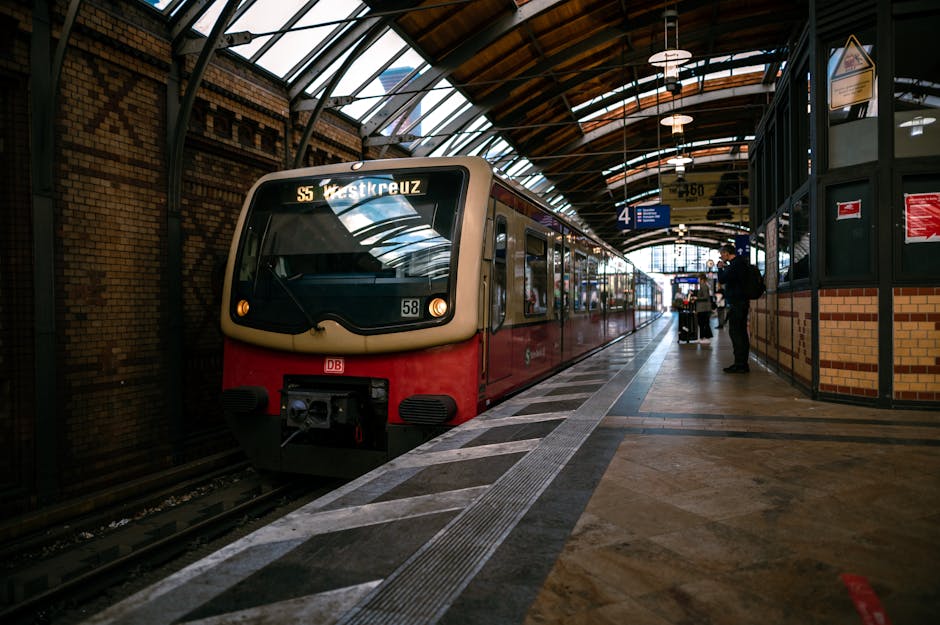
Transit maps are usually posted at stations and inside vehicles. Learn to identify lines by color or number and understand direction indicators. In Berlin, U-Bahn and S-Bahn maps are integrated, showing both subway and suburban rail lines.
Pay attention to announcements, which may be in the local language only. Apps with audio alerts or visual cues can help you know when to disembark. If in doubt, ask a fellow passenger or staff member—most locals are happy to help.
Boarding Etiquette and Safety
Stand to the side when others exit the train or bus. In crowded systems like Tokyo’s, wait for passengers to disembark fully before boarding. Keep your belongings close and avoid blocking doors.
Avoid displaying valuables or large amounts of cash. Pickpocketing is common in busy transit hubs like Rome’s Termini Station or Paris’s Gare du Nord. Use crossbody bags and keep your phone and wallet in front pockets.
Country-Specific Public Transport Tips
Each country has unique transit customs and systems. Knowing what to expect helps you adapt quickly and avoid common mistakes.
Japan: Precision and Politeness
Japan’s rail system is renowned for punctuality and cleanliness. Trains run on time, often to the second. Use the JR Pass if traveling between cities—it covers Shinkansen (bullet trains) and local lines for a fixed period.
Silence is expected on trains. Avoid phone calls and keep conversations low. Eating is generally discouraged, except on long-distance trains with designated areas.
Germany: Efficiency and Integration
Germany’s VBB system in Berlin or MVG in Munich integrates buses, trams, and subways under one fare structure. A single ticket works across all modes within the zone. Validate your ticket in the yellow or red machines on platforms or buses.
Night buses (Nachtbus) replace trains after midnight. They follow main routes and are marked with an “N.” Check schedules online, as they run less frequently than daytime services.
France: Zones and Transfers

Paris uses a zone-based system, with central attractions in Zone 1. A single ticket (t+) allows transfers between metro and RER within central zones for 1.5 hours. Validate your ticket each time you enter a new line.
The Navigo Découverte pass offers unlimited travel Monday to Sunday for €30. It’s ideal for tourists staying in central Paris. Buy it early in the week to maximize value.
Thailand: Tuk-Tuks and Skytrains
In Bangkok, the BTS Skytrain and MRT subway avoid traffic congestion. Use the Rabbit Card for seamless travel. Avoid tuk-tuks for long distances—they’re fun but expensive and slow in traffic.
Always negotiate the fare before riding a tuk-tuk or taxi. Many drivers don’t use meters, especially with tourists. Apps like Grab can provide fixed pricing and GPS tracking.
Using Technology to Simplify Transit
Smartphones are essential tools for navigating foreign transit systems. Offline maps, translation apps, and transit planners make travel smoother and less stressful.
Essential Apps for Travelers
Google Maps provides real-time transit directions in over 10,000 cities. It shows walking routes, transfer points, and estimated arrival times. Enable offline maps to use it without data.
Citymapper offers detailed transit options, including bike-sharing and ride-hailing. It’s especially useful in London, New York, and Tokyo. The app alerts you to delays and suggests alternative routes.
Local apps like Moovit or Transit are available in many countries and often include crowd-sourced updates. Download them before your trip to access schedules and service changes.
Digital Payment Options
Contactless payments are becoming standard. In London, you can tap a credit or debit card on the yellow reader at tube gates. No need to buy a separate Oyster card unless you want daily caps.
Apple Pay and Google Pay work in cities like Singapore, Sydney, and Toronto. Check with your bank about foreign transaction fees before relying on card payments abroad.
Common Mistakes to Avoid
Even experienced travelers make transit errors. Being aware of common pitfalls helps you stay on track and avoid unnecessary stress.
Not Validating Tickets
In cities like Milan or Zurich, you must stamp your paper ticket in a validation machine before boarding. Failure to do so results in a fine, even if you have a valid ticket. Machines are usually yellow and located near platforms or bus doors.
Ignoring Zone Boundaries
Many systems charge based on zones traveled. In Vienna, a single ticket covers zones 1–2, but traveling to the airport (zone 3) requires an upgraded fare. Check zone maps before boarding to avoid overpaying or being fined.
Assuming All Transit Is the Same
Don’t apply your home country’s transit habits abroad. In some places, buses don’t stop unless you signal. In others, you board at the front and exit at the back. Observe locals or ask for help if unsure.
Sustainable and Local Travel
Using public transportation supports sustainable tourism. It reduces traffic congestion and air pollution, contributing to cleaner, quieter cities. Many transit systems are powered by renewable energy or use electric vehicles.
Traveling like a local also deepens your cultural experience. You’ll see neighborhoods beyond tourist zones, interact with residents, and discover hidden gems. Public transit connects you to markets, parks, and community events that aren’t in guidebooks.
Supporting Local Economies
Tourist passes often fund public transit improvements. By using them, you contribute to better infrastructure for residents and future travelers. Avoiding taxis also reduces demand for short-term rentals that can displace locals.
Combine transit with walking or biking for a low-impact exploration. Cities like Copenhagen and Amsterdam are designed for multimodal travel, with bike lanes and transit hubs close together.
Final Tips for Stress-Free Transit Travel
Pack light to move easily through stations and onto crowded vehicles. A small backpack or crossbody bag is ideal. Wear comfortable shoes—transit often involves walking between platforms or bus stops.
Carry a physical map as a backup. Phones can die, lose signal, or run out of data. A printed map of the transit system helps when technology fails.
Stay aware of your surroundings. Avoid distractions like headphones or phones when entering or exiting stations. Keep your belongings secure and be cautious in crowded areas.
When in doubt, ask for help. Transit staff, police officers, or fellow passengers are usually willing to assist. A simple “Excuse me, does this train go to the city center?” can prevent a wrong turn.
FAQ
Q: How do I know which ticket to buy for public transport abroad?
A: Research the local transit system before your trip. Look for tourist passes, daily caps, or zone-based pricing. Compare costs based on your planned routes and choose the option that offers the best value.
Q: What should I do if I miss my stop on a foreign metro or bus?
A: Stay calm and check the next station or stop. Use a map or app to find the nearest transfer point back to your route. If you’re lost, exit at the next stop and ask station staff or a local for directions.
Q: Is it safe to use public transportation at night in foreign cities?
A: It depends on the city. In places like Tokyo or Zurich, transit is safe and well-lit even late at night. In others, use caution—avoid empty cars, stay near other passengers, and have a backup plan like a trusted taxi app.