South Africa Travel Guide: Top Safaris and Travel Tips
South Africa is a premier destination for wildlife lovers, adventure seekers, and culture enthusiasts. From the vast savannas of Kruger National Park to the dramatic coastline of the Garden Route, the country offers diverse experiences in one compact location. This guide covers the best safari destinations, essential travel tips, and practical advice to help you plan a safe, memorable trip. Whether you’re tracking the Big Five or exploring vibrant cities like Cape Town, you’ll find everything you need to know here.
Why Visit South Africa?
South Africa blends natural beauty, rich history, and modern infrastructure in a way few countries can match. It’s one of the few places where you can go on a morning game drive, spend the afternoon wine tasting in Stellenbosch, and end the day watching the sunset from a Cape Town beach.
The country is home to world-class national parks, UNESCO World Heritage Sites, and a growing eco-tourism scene. With English widely spoken and a range of accommodations from budget lodges to luxury tented camps, it’s accessible for travelers of all levels.
Top Safari Destinations in South Africa
South Africa offers some of the best wildlife viewing on the continent. The following parks and reserves stand out for their accessibility, biodiversity, and conservation efforts.
Kruger National Park
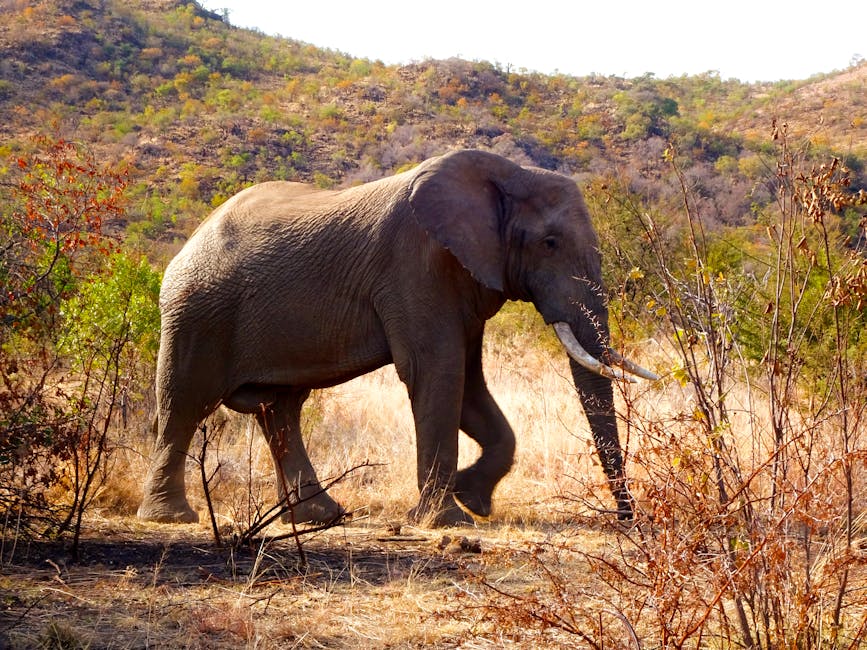
Kruger is South Africa’s flagship park and one of the largest game reserves in Africa. Spanning nearly 20,000 square kilometers, it’s home to the Big Five—lion, leopard, rhinoceros, elephant, and buffalo—as well as cheetahs, wild dogs, and over 500 bird species.
Visitors can choose between self-drive safaris or guided tours. The park is well-maintained, with rest camps, fuel stations, and cell service in many areas. For a more exclusive experience, private concessions along the western boundary offer luxury lodges and off-road driving.
Sabi Sands Game Reserve
Adjacent to Kruger, Sabi Sands is a private reserve known for its high density of leopards and expert guiding. Unlike national parks, private reserves allow night drives and off-road tracking, increasing your chances of close encounters.
Accommodations here range from mid-range lodges to ultra-luxury camps. Many operate on an all-inclusive basis, with meals, game drives, and transfers included. Booking well in advance is essential, especially during peak season (June to September).
Pilanesberg National Park
Located in the North West Province, Pilanesberg is set in an ancient volcanic crater and offers a malaria-free safari option. It’s easily accessible from Johannesburg, making it ideal for a short 2- to 3-day trip.
The park is home to all the Big Five and features diverse landscapes, from grasslands to rocky outcrops. It’s less crowded than Kruger, and many lodges offer day and night drives. Combine your visit with a stop at Sun City, a nearby resort complex with casinos and water parks.
Madikwe Game Reserve
Madikwe is another malaria-free reserve, located near the Botswana border. It’s less commercialized than Sabi Sands and offers excellent value for money. The reserve is known for its wild dog populations and excellent guiding.
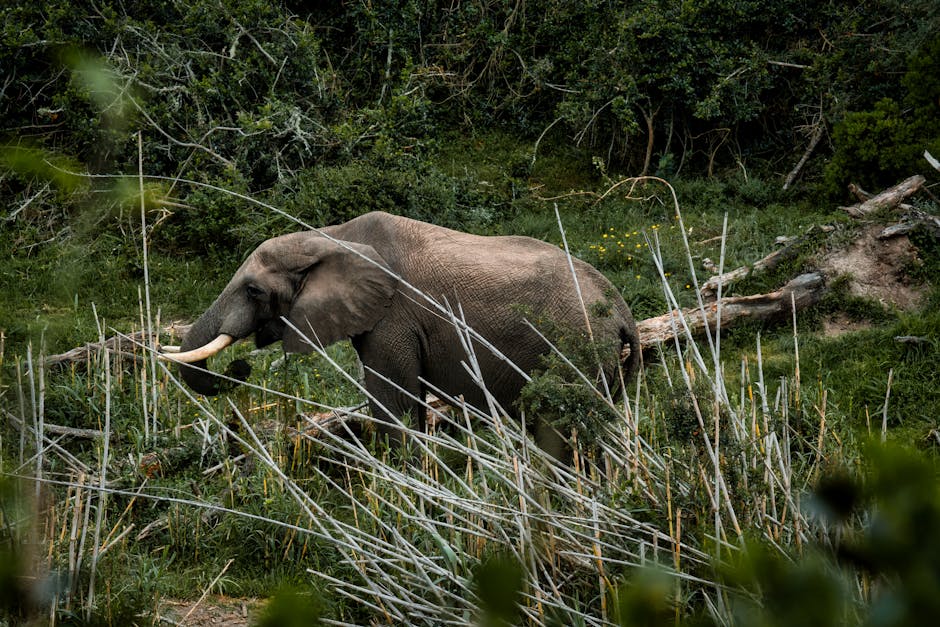
Most lodges in Madikwe are small and intimate, with a focus on personalized service. It’s a great alternative for travelers seeking a quieter, more authentic safari experience without sacrificing wildlife quality.
Best Time to Visit South Africa
The ideal time to visit depends on your priorities. For safaris, the dry winter months (May to September) offer the best wildlife viewing. Animals gather around waterholes, and the lack of vegetation makes spotting easier.
Summer (November to February) is warmer and wetter, with lush landscapes and newborn animals. This is also peak tourist season, especially around Christmas and New Year. Coastal areas like Cape Town are busiest during this time.
If you’re planning a multi-region trip, consider shoulder seasons (March to April and October). Crowds are smaller, prices are lower, and weather is still pleasant across most regions.
Essential Travel Tips for South Africa
South Africa is generally safe for tourists, but smart planning goes a long way. Follow these tips to ensure a smooth and enjoyable trip.
Health and Safety
Malaria is present in parts of the Lowveld, including Kruger and surrounding areas. Consult your doctor about prophylaxis if visiting between October and May. In urban areas, avoid walking alone at night and use registered taxis or ride-sharing apps like Uber.
Tap water is safe to drink in most cities, but bottled water is widely available. Carry a basic first-aid kit and any prescription medications with you. Travel insurance with medical coverage is strongly recommended.
Transportation and Getting Around
Renting a car is the most flexible way to explore South Africa. Major highways are well-maintained, and GPS works reliably in urban areas. However, rural roads can be unpaved and poorly marked—check conditions before heading off the beaten path.
Domestic flights connect major cities like Johannesburg, Cape Town, and Durban. Airlines like Airlink and Safair offer affordable routes, especially useful for covering long distances quickly.
For city travel, metered taxis and ride-hailing apps are safer than hailing cabs on the street. In Cape Town, the MyCiTi bus system offers reliable public transit along key routes.
Money and Tipping
The South African Rand (ZAR) is the local currency. Credit cards are widely accepted in cities and tourist areas, but carry cash for smaller establishments and tips.
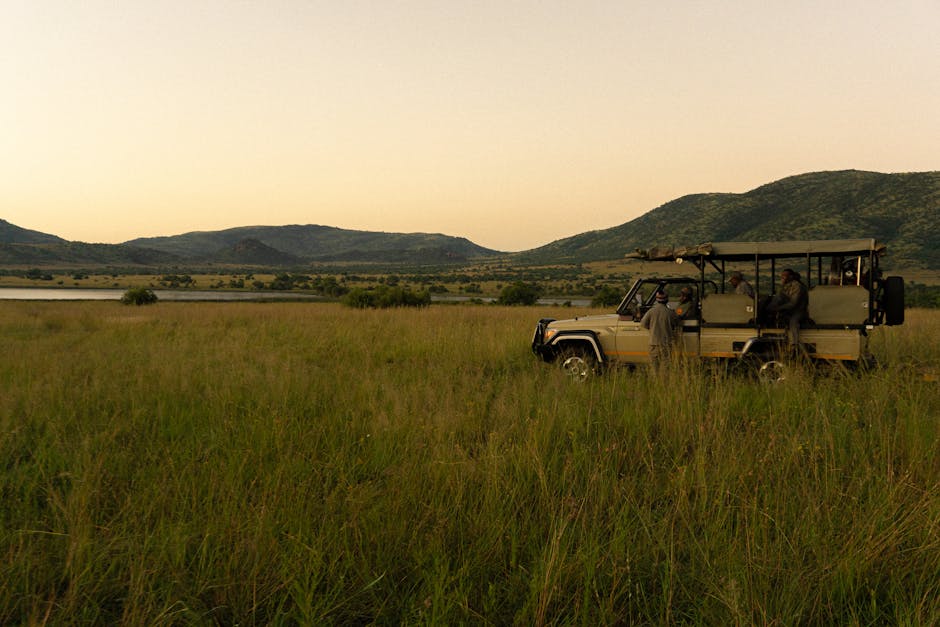
Tipping is customary: 10–15% in restaurants, R10–20 per bag for porters, and R50–100 per person per day for safari guides. Confirm whether service charges are already included on your bill.
Packing Essentials
Pack layers, as temperatures can vary significantly between day and night, especially on safari. Neutral-colored clothing (khaki, green, beige) is recommended for game drives to avoid disturbing animals.
Don’t forget sunscreen, a wide-brimmed hat, binoculars, and a good camera with a zoom lens. Power adapters are needed—South Africa uses Type M plugs (three large round pins), and voltage is 230V.
Experiencing South African Culture
Beyond wildlife, South Africa offers a rich cultural tapestry shaped by its diverse population. Take time to engage with local communities and learn about the country’s history.
Visit a Township
Township tours, such as those in Soweto or Langa, provide insight into daily life and the legacy of apartheid. Reputable operators offer guided walks, home visits, and meals with local families. Choose companies that reinvest in the community and avoid exploitative practices.
Explore Cape Town’s Heritage
Cape Town is a cultural hub with museums, galleries, and historic sites. Visit Robben Island, where Nelson Mandela was imprisoned, or explore the colorful Bo-Kaap neighborhood with its Cape Malay heritage.
The District Six Museum tells the story of forced removals during apartheid. These experiences add depth to your trip and foster greater understanding of South Africa’s complex past.
Try Local Food
South African cuisine blends African, Dutch, Malay, and Indian influences. Don’t miss braai (barbecue), bobotie (spiced minced meat bake), and biltong (dried cured meat).
In coastal areas, fresh seafood is a highlight. Pair your meal with a glass of local wine—Stellenbosch and Franschhoek are renowned for their vineyards and tasting rooms.
Planning Your Itinerary
A well-balanced trip combines wildlife, culture, and scenery. Here’s a sample 10-day itinerary for first-time visitors.
Sample 10-Day South Africa Itinerary
Days 1–3: Arrive in Johannesburg. Spend a day exploring Soweto and the Apartheid Museum. Fly to Kruger for a 2-night safari.
Days 4–6: Continue in Kruger or transfer to a private lodge in Sabi Sands. Enjoy morning and evening game drives.
Days 7–8: Fly to Cape Town. Visit Table Mountain, the V&A Waterfront, and take a day trip to Cape Point.
Days 9–10: Drive the Garden Route to Hermanus (for whale watching) or Knysna. Return to Cape Town for departure.
This route covers major highlights but can be adjusted based on interests. Add time in the Winelands or Durban for a more relaxed pace.
Sustainable and Responsible Travel
South Africa’s natural and cultural assets are fragile. Travel responsibly to support conservation and local communities.
Choose eco-certified lodges that minimize environmental impact and employ local staff. Avoid attractions that exploit animals, such as elephant rides or canned hunting.
Support community-based tourism initiatives, like craft markets or cultural villages run by local cooperatives. Your spending can make a real difference.
Final Thoughts
South Africa offers an unmatched combination of adventure, beauty, and cultural depth. With careful planning, you can experience world-class safaris, stunning landscapes, and warm hospitality in one trip.
Whether you’re a first-time visitor or returning for another adventure, this South Africa travel guide will help you make the most of your journey. Pack your bags, respect the land and its people, and get ready for an unforgettable experience.
FAQ
Is South Africa safe for tourists?
Yes, South Africa is generally safe for tourists who take basic precautions. Stick to well-traveled areas, avoid displaying valuables, and use reputable transportation. Most visits are trouble-free.
Do I need a visa to visit South Africa?
Citizens of the US, UK, Canada, and most EU countries do not need a visa for stays up to 90 days. Check South Africa’s official immigration website for the latest requirements based on your nationality.
What should I pack for a safari in South Africa?
Pack lightweight, neutral-colored clothing, a hat, sunscreen, binoculars, and a camera. Include layers for cool mornings and evenings. Don’t forget medications, adapters, and a reusable water bottle.