Top Vietnamese Foods to Try for Food Travel Lovers
If you’re a food travel lover planning a trip to Vietnam, you’re in for a treat. Vietnamese cuisine is celebrated for its balance of fresh herbs, light broths, and complex flavors. From bustling street stalls to family-run eateries, the country offers a culinary journey unlike any other. This guide highlights the top Vietnamese foods to try—dishes that define the nation’s palate and are must-eats for any visitor.
A Culinary Journey Through Vietnam
Vietnamese food is more than just sustenance—it’s a cultural experience. Rooted in centuries of tradition and influenced by Chinese, French, and Southeast Asian flavors, it emphasizes freshness, balance, and harmony. Meals often include rice, noodles, vegetables, and lean proteins, all enhanced with herbs like mint, cilantro, and Thai basil.
One of the hallmarks of Vietnamese cooking is the use of fish sauce (nước mắm), which adds depth without heaviness. Dishes are typically light, with minimal oil and a focus on natural ingredients. This makes Vietnamese food not only delicious but also relatively healthy compared to many other cuisines.
For food travel lovers, exploring Vietnam means tasting regional specialties that vary from north to south. Hanoi’s dishes tend to be milder and more refined, while Saigon (Ho Chi Minh City) offers bolder, sweeter flavors. Central Vietnam, especially Hue, is known for its spicy and complex royal cuisine.
Iconic Street Foods You Can’t Miss
Phở – The National Dish
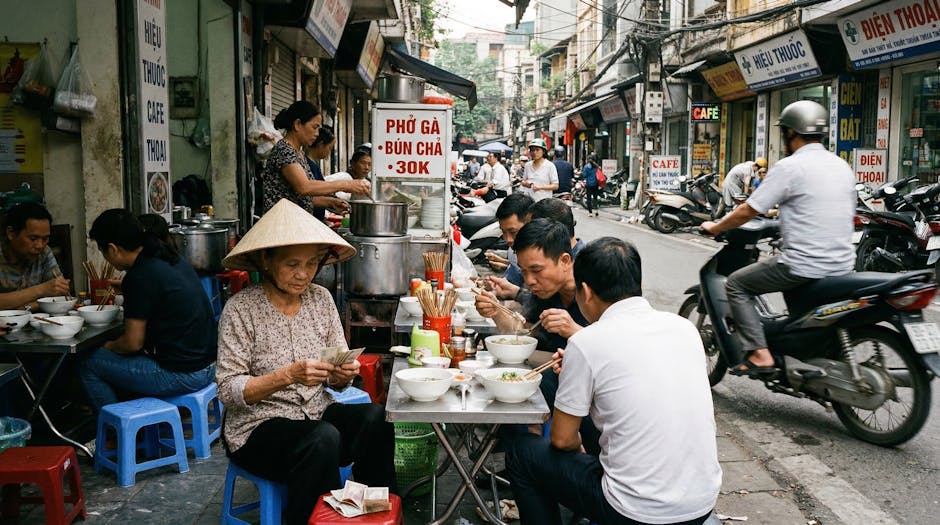
No list of top Vietnamese foods to try is complete without phở. This aromatic noodle soup features rice noodles in a clear, fragrant broth made from beef or chicken bones, simmered for hours with spices like star anise and cinnamon.
Topped with fresh herbs, lime, and chili, phở is typically eaten for breakfast but enjoyed any time of day. The Hanoi version uses flat rice noodles and a clearer broth, while Saigon’s phở often includes more herbs and a slightly sweeter base.
For the best experience, visit a local phở stall early in the morning. Look for places with long lines—locals know where the good stuff is. Avoid touristy spots near major hotels, as they often serve diluted versions.
Bánh Mì – Vietnam’s Famous Sandwich
The bánh mì is a delicious fusion of French and Vietnamese flavors. It starts with a crispy, airy baguette—a legacy of French colonialism—and is filled with pâté, cold cuts, pickled carrots and daikon, cucumber, cilantro, and chili.
Each region puts its own spin on the sandwich. In Saigon, you’ll find more variety, including grilled pork, tofu, or even fried eggs. In Hanoi, the fillings are simpler but equally satisfying.
Bánh mì is affordable, portable, and perfect for on-the-go eating. You can find it at street carts for as little as $1–$2. Look for vendors who make the bread fresh daily—the texture makes all the difference.
Bún Chả – Grilled Pork with Vermicelli
Bún chả is a Hanoi specialty that has gained national fame. It consists of grilled pork patties and slices served over a bed of rice vermicelli (bún), accompanied by a tangy dipping sauce made from fish sauce, sugar, lime, and garlic.
The dish is typically eaten with fresh herbs like mint and perilla, which add brightness and balance the richness of the pork. It’s a meal that’s both satisfying and refreshing.
President Obama famously tried bún chã during his 2016 visit to Hanoi, which only increased its popularity among travelers. For an authentic experience, head to the original restaurant he visited—Bún Chả Hương Liên—or any local eatery in the Old Quarter.
Gỏi Cuốn – Fresh Spring Rolls
Gỏi cuốn, or fresh spring rolls, are a healthy and vibrant option. Unlike their fried counterparts, these rolls are made with rice paper and filled with shrimp, pork, rice vermicelli, and plenty of herbs.
They’re served cold with a peanut dipping sauce that’s slightly sweet and nutty. The combination of textures—chewy, crunchy, and soft—makes each bite exciting.
Perfect as a light snack or appetizer, gỏi cuốn are widely available at street stalls and restaurants. They’re also easy to find vegetarian versions, often filled with tofu and extra vegetables.
Cà Phê Sữa Đá – Vietnamese Iced Coffee
While not a food, no culinary journey through Vietnam is complete without trying cà phê sữa đá. This strong, sweet iced coffee is brewed using a small metal drip filter (phin) and mixed with condensed milk.
The result is a rich, creamy drink that’s both energizing and indulgent. It’s a staple in Vietnamese cafes and often enjoyed slowly, over conversation or people-watching.
For the full experience, sit at a sidewalk café in Hanoi or Saigon and sip your coffee while observing the rhythm of daily life. It’s a ritual as much as a beverage.
Regional Specialties to Seek Out
Cao Lầu – Hoi An’s Signature Noodle Dish
Cao lầu is a unique dish found only in Hoi An, a charming ancient town in central Vietnam. It features thick, chewy noodles that are said to be made with water from a specific local well, giving them a distinct texture.
The noodles are topped with slices of roasted pork, fresh herbs, and crispy croutons, then drizzled with a small amount of broth. The dish is rich, savory, and deeply satisfying.
Because of its regional specificity, cao lầu is best enjoyed in Hoi An itself. Many restaurants claim to serve it, but the most authentic versions are found in family-run eateries near the Japanese Covered Bridge.
Bánh Xèo – Crispy Pancakes
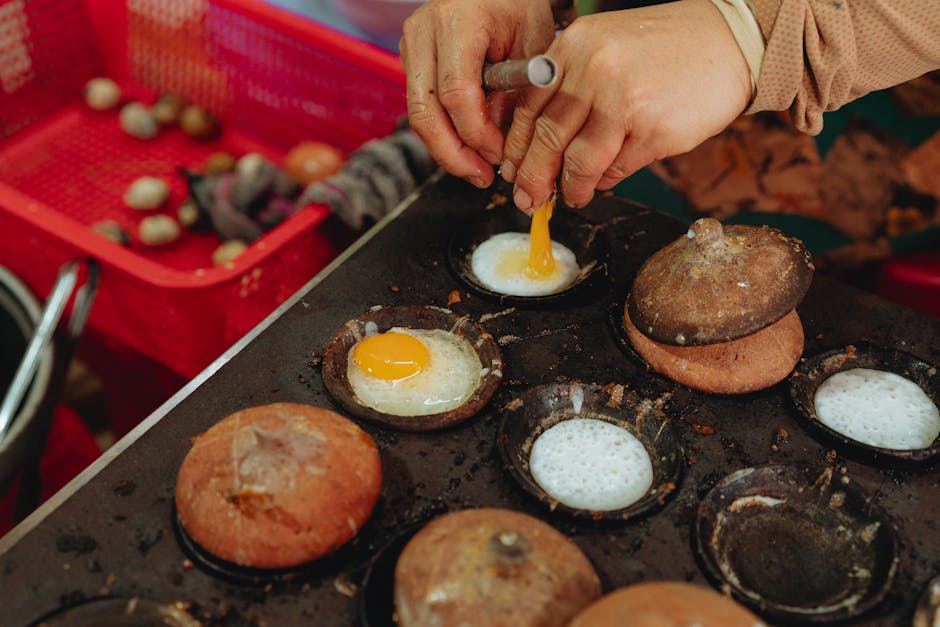
Bánh xèo, meaning “sizzling cake,” is a savory pancake made from rice flour, turmeric, and coconut milk. It’s filled with shrimp, pork, and bean sprouts, then folded and served with fresh herbs and dipping sauce.
The name comes from the sound the batter makes when poured into the hot pan. The result is a crispy, golden exterior with a soft, flavorful center.
Bánh xèo is popular throughout Vietnam, but the southern version tends to be larger and crispier. It’s often eaten wrapped in lettuce and dipped in nước chấm, a fish sauce-based condiment.
Bún Bò Huế – Spicy Beef Noodle Soup
Originating from the former imperial city of Hue, bún bò Huế is a hearty noodle soup known for its spicy, lemongrass-infused broth. It features thick rice noodles, slices of beef, and sometimes pork knuckles or blood pudding.
The broth gets its heat from chili oil and its depth from fermented shrimp paste. It’s a bold, complex dish that’s not for the faint of heart—but perfect for adventurous eaters.
Unlike phở, bún bò Huế is typically served with a side of extra herbs and banana blossoms to balance the spice. It’s a must-try when visiting central Vietnam.
Mì Quảng – Turmeric Noodles with Peanuts
Mì Quảng is another central Vietnamese specialty, particularly from the city of Da Nang. It features flat, turmeric-yellow noodles served in a small amount of richly flavored broth, topped with shrimp, pork, herbs, and crushed peanuts.
The dish is often garnished with quail eggs or rice crackers for added texture. Despite the broth, the noodles remain firm and chewy, creating a unique mouthfeel.
Mì Quảng is less soupy than phở and more aromatic than bún bò Huế. It’s a dish that showcases the complexity of Vietnamese regional cooking.
Bánh Cuốn – Steamed Rice Rolls
Bánh cuốn are delicate, thin rolls made from steamed rice batter. They’re typically filled with minced pork and mushrooms, then topped with fried shallots and served with nước chấm.
This dish is a breakfast favorite in northern Vietnam, especially in Hanoi. The texture is silky and light, making it a comforting start to the day.
Look for street vendors who make the rolls fresh on the spot. The best bánh cuốn are translucent and tender, with a subtle savory flavor.
Vegetarian and Vegan Options
Vietnam is surprisingly vegetarian-friendly, especially in Buddhist communities. Many dishes can be easily adapted by omitting meat and using tofu or mushrooms instead.
Vegetarian phở, known as phở chay, uses a vegetable-based broth and is just as flavorful as the meat version. Similarly, gỏi cuốn and bánh xèo can be made without meat, relying on herbs and vegetables for depth.
In cities like Hanoi and Saigon, vegetarian restaurants are common and often serve creative plant-based versions of traditional dishes. Look for places labeled “ăn chay,” which means vegetarian.
Even in rural areas, street vendors are usually happy to accommodate dietary requests. Just learn a few key phrases like “không thịt” (no meat) and “chay” (vegetarian) to communicate your needs.
Tips for Food Travelers in Vietnam
Eat Where the Locals Eat
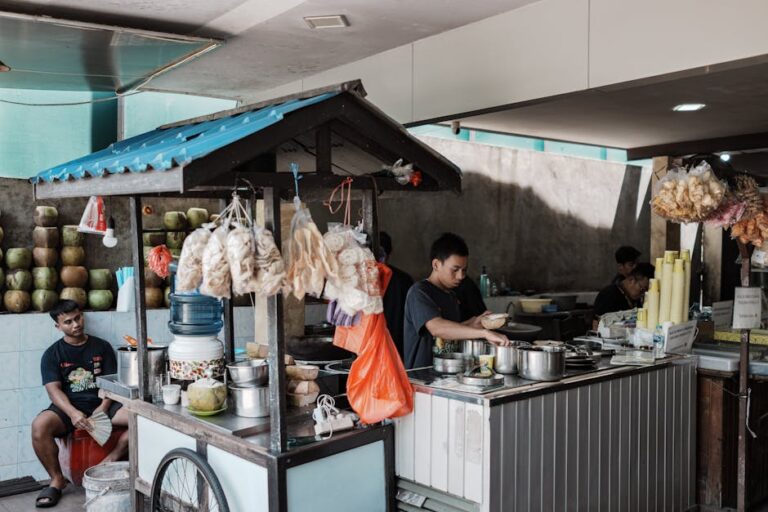
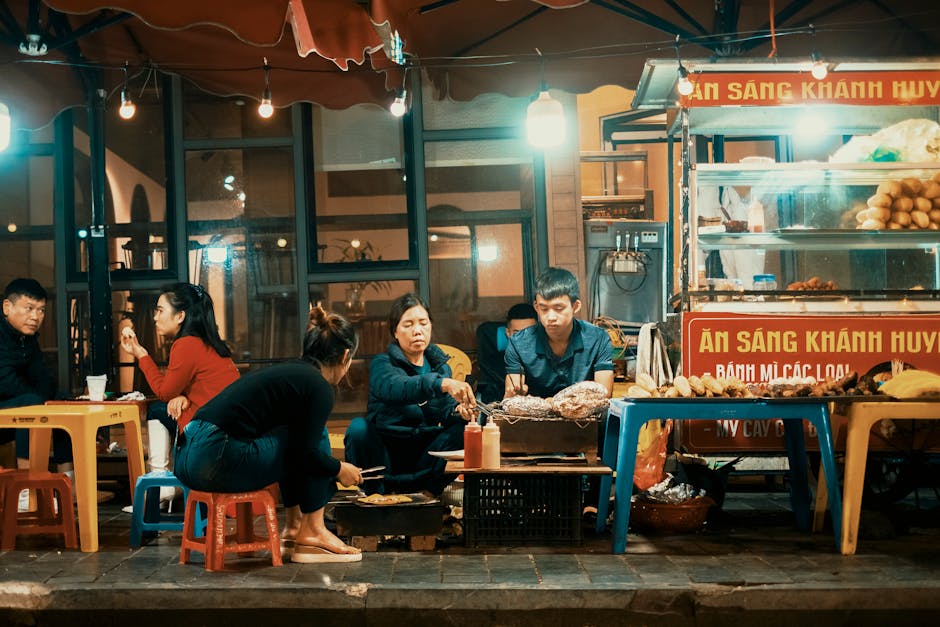
The best meals are often found in unmarked alleyways or crowded markets. If a place is full of Vietnamese people, it’s usually a good sign. Avoid restaurants with English-only menus or staff who aggressively solicit customers.
Stay Hydrated and Mind Your Stomach
Street food is generally safe, but it’s wise to take precautions. Drink bottled water, avoid ice in rural areas, and choose stalls that cook food fresh in front of you. Probiotics or stomach remedies can be helpful for sensitive travelers.
Learn Basic Food Phrases
Knowing a few Vietnamese phrases can enhance your experience. “Cảm ơn” means thank you, “bạn nấu ăn rất ngon” means “you cook very well,” and “ít cay” means “less spicy.” Locals appreciate the effort, even if your pronunciation isn’t perfect.
Try the Seasonal Specialties
Vietnamese cuisine changes with the seasons. In spring, look for bánh trôi nước, sweet rice balls in ginger syrup. In summer, enjoy chè, a variety of chilled desserts with beans, jelly, and coconut milk.
Respect Local Customs
Meals in Vietnam are often communal. It’s polite to wait for the eldest person to start eating, and to use chopsticks properly—never stick them upright in a bowl of rice, as this resembles funeral rites.
Where to Find the Best Vietnamese Food
While major cities like Hanoi, Saigon, and Da Nang offer a wide range of dining options, some of the most memorable meals happen in unexpected places. Night markets, floating markets, and family homes often serve the most authentic dishes.
In Hanoi, explore the Old Quarter for phở and bún chả. In Saigon, head to District 1 or Binh Thanh for bánh mì and gỏi cuốn. In Hoi An, wander the lantern-lit streets for cao lầu and white rose dumplings.
Don’t be afraid to follow your nose. The smell of sizzling meat, steaming broth, or fresh herbs is often the best guide. Food travel lovers will find that Vietnam rewards curiosity and openness.
Final Thoughts on Vietnamese Cuisine
Vietnamese food is a celebration of balance, freshness, and regional diversity. From the delicate flavors of the north to the bold spices of the south, every bite tells a story. For food travel lovers, it’s a destination that satisfies both the palate and the soul.
The top Vietnamese foods to try aren’t just about taste—they’re about connection. Sharing a bowl of phở with a local, watching a vendor fold bánh mì with practiced hands, or sipping coffee at a sidewalk café—these moments define the journey.
Whether you’re a first-time visitor or a seasoned traveler, Vietnam’s culinary landscape offers endless discoveries. Come hungry, stay curious, and let the food guide your adventure.
FAQ
What is the most popular Vietnamese dish for tourists?
Phở is the most popular Vietnamese dish among tourists. Its aromatic broth, tender noodles, and fresh toppings make it a favorite for first-time visitors and food travel lovers alike.
Is Vietnamese street food safe to eat?
Yes, Vietnamese street food is generally safe, especially in busy areas where food turnover is high. Choose stalls that cook food fresh, avoid raw vegetables, and drink bottled water to reduce risk.
Can vegetarians enjoy Vietnamese food?
Absolutely. Many Vietnamese dishes can be made vegetarian, and cities like Hanoi and Saigon have numerous vegetarian restaurants. Look for “ăn chay” signs and ask for meat-free versions of popular dishes.