Best Island Travel Spots for Relaxing Beach Holidays
Looking for the best island travel spots for relaxing beach holidays? You’re not alone. After months of routine, many travelers crave soft sand, calm waters, and quiet shores. Islands offer the perfect escape—far from crowded cities and daily stress. Whether you want to lounge under palm trees, swim in clear lagoons, or enjoy a sunset cocktail, these destinations deliver peace and natural beauty. This guide highlights top islands known for serene beaches, minimal crowds, and a slow-paced vibe ideal for unwinding.
Why Choose an Island for Your Next Beach Getaway
Islands naturally lend themselves to relaxation. Surrounded by water, they often feel removed from the rest of the world. This isolation creates a sense of calm that’s hard to find elsewhere. Many island destinations limit development to preserve their natural charm, resulting in quieter beaches and fewer tourists.
Unlike mainland resorts, island beaches often have fewer high-rises and more open space. You’re more likely to find a quiet stretch of sand than a packed boardwalk. The rhythm of island life—slow, steady, and connected to nature—helps reset your mindset. Whether you’re reading a book, snorkeling in shallow reefs, or simply listening to the waves, island settings encourage presence and peace.
Top Island Destinations for Serene Beach Holidays
Maldives: Overwater Bungalows and Turquoise Lagoons
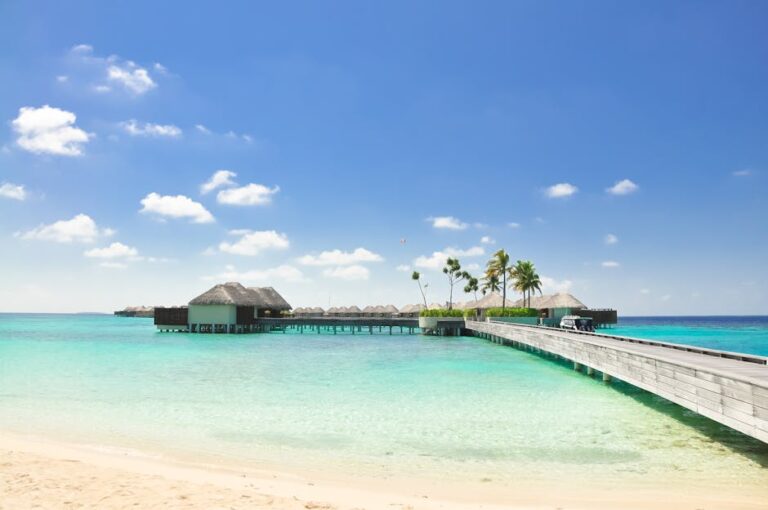
The Maldives tops many travelers’ lists for a reason. Its atolls are made up of small, low-lying islands surrounded by shallow, warm lagoons. The water is so clear you can see fish swimming below while standing on the shore. Resorts here focus on privacy and luxury, often with overwater villas and direct beach access.
Most islands in the Maldives are resort-owned, meaning guest numbers are controlled. This keeps beaches uncrowded and service personalized. Activities like snorkeling, diving, and sunset cruises are available, but many guests simply spend their days lounging on white-sand beaches or floating in the gentle surf. The consistent warm weather and minimal rainfall make it a reliable choice year-round.
Bali, Indonesia: Cultural Charm Meets Peaceful Shores
Bali offers a unique blend of culture, nature, and relaxation. While parts of the island can be busy, several coastal areas provide quiet beach experiences. Nusa Lembongan and Nusa Penida, just a short boat ride from mainland Bali, are perfect for travelers seeking tranquility.
These smaller islands feature dramatic cliffs, hidden coves, and coral reefs just offshore. Beaches like Dreamland and Crystal Bay offer soft sand and clear water, with fewer crowds than Bali’s famous Kuta or Seminyak. Local warungs (small restaurants) serve fresh seafood, and yoga retreats are common. The island’s spiritual atmosphere adds to the calming vibe, making it ideal for those who want relaxation with a touch of local flavor.
Seychelles: Granite Boulders and Secluded Coves
Seychelles, an archipelago off East Africa, is known for its unique granite rock formations and powdery white beaches. Unlike many tropical islands, Seychelles has a mix of landscapes—lush forests, rocky shores, and calm bays. This variety allows for different types of beach experiences, all equally peaceful.
Islands like La Digue and Praslin are less developed than major tourist hubs. Anse Source d’Argent on La Digue is famous for its pink-tinged sand and giant boulders, creating natural sun shelters. The water is shallow and safe for swimming, and the pace of life is slow. With strict environmental policies, Seychelles protects its ecosystems, ensuring clean beaches and healthy marine life.
Koh Lanta, Thailand: Quiet Beaches and Local Life
While Thailand has many popular islands, Koh Lanta stands out for its relaxed atmosphere. Located in the Andaman Sea, it’s less touristy than Phuket or Koh Phi Phi. The island has long, sandy beaches like Long Beach and Kantiang Bay, where you can walk for miles without seeing another person.
Accommodations range from simple bungalows to boutique resorts, many built with traditional Thai design. The local community is welcoming, and seafood is fresh and affordable. Snorkeling trips to nearby islands are easy to arrange, and the island’s national park offers quiet hiking trails. Koh Lanta is ideal for travelers who want authentic island life without the party scene.
Madeira, Portugal: Dramatic Coastlines and Mild Weather
Madeira may not be the first island that comes to mind for a beach holiday, but it offers a different kind of relaxation. Known as the “Island of Eternal Spring,” it has mild temperatures year-round and lush, green landscapes. While it lacks long sandy beaches, it has charming pebble coves and natural swimming pools.
Places like Calheta and Paul do Mar feature calm waters and scenic views. The island’s dramatic cliffs and terraced hills create a peaceful, almost meditative environment. Madeira is perfect for travelers who enjoy hiking, botanical gardens, and quiet seaside cafes. It’s also less crowded than Mediterranean islands, offering a more intimate experience.
Palawan, Philippines: Hidden Lagoons and Crystal Waters
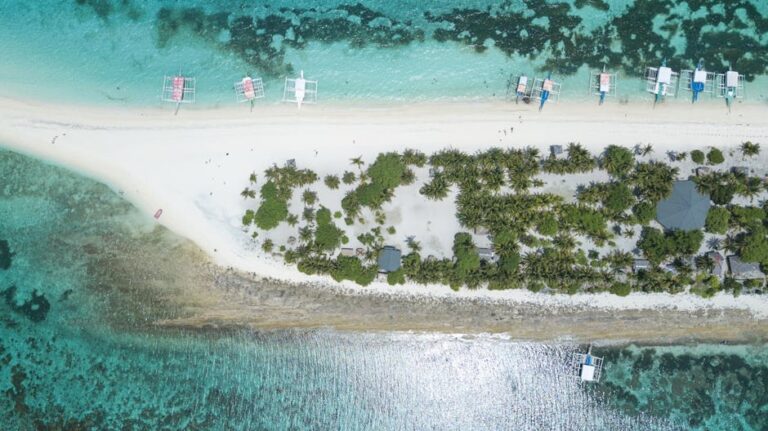
Palawan is often called the “Last Frontier” of the Philippines. Its limestone cliffs, hidden lagoons, and turquoise waters make it a paradise for nature lovers. El Nido and Coron are the most popular areas, but even there, you can find quiet beaches with minimal development.
Island-hopping tours take you to secluded spots like Secret Lagoon and Big Lagoon, where the water is so clear it looks like glass. Many beaches are accessible only by boat, which helps keep them pristine. The local government enforces strict environmental rules, limiting building heights and tourist numbers. This preserves the natural beauty and ensures a peaceful experience.
What Makes These Islands Ideal for Relaxation
Low Crowd Levels
One of the biggest factors in a relaxing beach holiday is avoiding crowds. The best island travel spots limit tourist numbers through resort caps, boat restrictions, or protected areas. This means more space on the beach, shorter waits at restaurants, and quieter evenings.
Islands like the Maldives and Seychelles use resort-based tourism to control visitor flow. Others, like Koh Lanta and Palawan, rely on geography—remote locations and limited infrastructure naturally reduce crowds. Even in popular regions, choosing less-known islands or traveling during off-peak seasons can make a big difference.
Natural Beauty and Clean Environments
Clean beaches and healthy ecosystems are essential for a peaceful experience. The islands featured here prioritize environmental protection. Coral reefs are preserved, plastic use is reduced, and waste management is taken seriously. This not only helps marine life but also ensures the water is safe for swimming and snorkeling.
Natural beauty enhances relaxation. Whether it’s the sound of waves, the sight of palm trees swaying, or the smell of salt air, these sensory details contribute to a calming atmosphere. Islands with minimal light pollution also offer stunning night skies, perfect for evening strolls.
Slow-Paced Lifestyle
Island time is real. Life moves slower, schedules are flexible, and there’s less urgency. This pace allows you to truly disconnect and recharge. Instead of rushing from one activity to the next, you can spend an entire day doing nothing but reading, swimming, and napping.
Local culture often reflects this relaxed attitude. In places like Bali and Koh Lanta, people greet each other with smiles and take time to enjoy meals. Resorts on these islands usually avoid loud music or late-night parties, favoring quiet dinners and early sunrises instead.
How to Choose the Right Island for Your Needs
Consider Your Travel Style
Not all relaxing beach holidays look the same. Some travelers want luxury and privacy, while others prefer budget-friendly options with local charm. Think about what matters most to you: comfort, culture, adventure, or simplicity.
If you value high-end service and seclusion, the Maldives or Seychelles might be ideal. For a mix of culture and calm, Bali or Palawan could be better. Budget-conscious travelers will appreciate Koh Lanta or parts of the Philippines, where costs are lower but the experience remains authentic.
Check the Best Time to Visit
Weather plays a big role in beach relaxation. Rainy seasons can bring storms, humidity, and rough seas. Research the climate for your chosen island and plan accordingly. Most tropical islands have a dry season with calm weather and clear skies.
For example, the Maldives is best visited between November and April. In Thailand, the dry season runs from November to March. Madeira enjoys mild weather year-round, but summer offers the warmest sea temperatures. Traveling during the shoulder season—just before or after peak months—can mean fewer crowds and better prices.
Look Into Transportation and Accessibility
Some islands are easy to reach, while others require multiple flights and boat transfers. Consider how much travel time you’re willing to spend. Remote islands like those in the Maldives or Seychelles may take a full day to reach, but the journey is part of the adventure.
Islands closer to major cities, like Bali or Madeira, are more accessible for short trips. Check flight availability, visa requirements, and local transport options. Some islands have limited infrastructure, so renting a scooter or hiring a driver may be necessary.
Practical Tips for a Stress-Free Island Holiday
Pack Light and Smart
Island life is casual. You’ll likely spend most of your time in swimwear, cover-ups, and sandals. Pack lightweight, quick-dry clothing and reef-safe sunscreen. Avoid bringing too much—many islands have limited storage space, and you won’t need formal attire.
Don’t forget essentials like a reusable water bottle, waterproof phone case, and a good book. If you plan to snorkel, consider bringing your own gear to ensure a proper fit. Some resorts rent equipment, but quality can vary.
Respect Local Customs and the Environment
Many island communities have strong cultural traditions. Dress modestly when visiting villages or temples, and learn a few basic phrases in the local language. In places like Bali and the Philippines, removing shoes before entering homes or certain buildings is expected.
Environmental respect is crucial. Avoid touching coral, don’t feed fish, and never leave trash on the beach. Use reef-safe sunscreen to protect marine life. Supporting local businesses—like family-run restaurants and tour operators—helps sustain the community.
Plan for Connectivity
Internet access can be limited on remote islands. If you need to stay connected for work or emergencies, check your resort’s Wi-Fi policy. Some islands have strong mobile coverage, while others rely on satellite connections.
Download maps, translation apps, and entertainment before you go. Let family know your itinerary and check-in schedule. For true disconnection, consider a digital detox—turn off notifications and enjoy the moment.
Common Mistakes to Avoid
Overpacking Your Itinerary
One of the biggest mistakes travelers make is trying to do too much. Island time is about slowing down, not checking off a list. Resist the urge to book every tour or visit every beach. Instead, pick a few activities and leave room for spontaneity.
Over-scheduling leads to stress, which defeats the purpose of a relaxing holiday. Allow time for naps, long meals, and unplanned discoveries. Some of the best moments happen when you’re not trying to capture them.
Ignoring Local Weather Patterns
Even in tropical destinations, weather can change quickly. Sudden rain, strong winds, or high tides can affect beach conditions. Check the forecast daily and have backup plans, like visiting a museum, spa, or indoor market.
Don’t assume all beaches are safe for swimming. Some have strong currents or sharp coral. Always ask locals or resort staff about conditions before entering the water.
Choosing the Wrong Accommodation
Not all beachfront properties are created equal. Some resorts are directly on the sand, while others require a walk or shuttle. Read reviews carefully and look at photos of the actual beach area. Consider proximity to restaurants, shops, and medical facilities.
If peace is your priority, avoid resorts near nightlife areas. Opt for smaller properties with fewer guests and quieter amenities. Private villas or eco-lodges often offer more seclusion than large hotel chains.
Final Thoughts on Finding Your Perfect Island Escape
The best island travel spots for relaxing beach holidays combine natural beauty, low crowds, and a slow pace of life. Whether you’re drawn to the luxury of the Maldives, the culture of Bali, or the wild beauty of Palawan, there’s an island that fits your idea of peace. Focus on what truly relaxes you—quiet shores, clear water, or local charm—and choose accordingly.
Remember, relaxation isn’t just about location. It’s also about mindset. Put away the to-do list, embrace the rhythm of island life, and let the ocean do the rest. With the right destination and a little planning, your next beach holiday can be the reset you’ve been waiting for.
FAQ
What is the best time of year to visit tropical islands for a relaxing beach holiday?
The best time varies by location, but generally, the dry season offers calm weather and clear skies. For the Maldives and Thailand, this is typically November to April. Always check local climate patterns before booking.
Are island destinations safe for solo travelers seeking relaxation?
Yes, many islands are safe and welcoming to solo travelers. Choose well-reviewed accommodations, stay in populated areas, and inform someone of your plans. Islands like Bali, Koh Lanta, and Madeira are known for their friendly locals and low crime rates.
Do I need to book activities in advance for a peaceful island holiday?
It depends on the destination and season. Popular spots like the Maldives or Palawan may require advance booking for resorts and tours. For more relaxed islands like Koh Lanta, you can often arrange activities upon arrival.