Top Unique Foods to Try for Culinary Travel Experiences
Exploring new destinations through food offers one of the most authentic ways to connect with local culture. From street stalls in Bangkok to family-run trattorias in Sicily, every region has dishes that tell a story. Trying unique foods while traveling isn’t just about taste—it’s about understanding traditions, ingredients, and techniques passed down through generations. This guide highlights standout dishes from around the world that deliver unforgettable culinary travel experiences.
Why Food Defines a Destination
Food is more than sustenance—it’s a window into history, climate, and community. A single dish can reflect centuries of migration, trade, and adaptation. In Morocco, for example, the complexity of tagine mirrors the country’s blend of Berber, Arab, and French influences.
When you eat locally, you support small producers and preserve culinary heritage. Many traditional recipes are at risk of disappearing as global chains expand. Choosing regional specialties helps sustain these practices.
Beyond cultural insight, food shapes your travel memories. The first bite of fresh sushi in Tokyo or warm empanadas in Buenos Aires often lingers longer than photos or souvenirs.
Asia: Bold Flavors and Ancient Techniques
Balut (Philippines)
Balut is a fertilized duck egg, typically incubated for 14 to 21 days before boiling and eating. It’s commonly sold by street vendors, often enjoyed with a pinch of salt and a splash of vinegar.
While it may seem unusual to first-time visitors, balut is a beloved snack in the Philippines, especially during cold evenings. Locals believe it boosts energy and vitality. Approach it with an open mind—and maybe a friend for moral support.
Hákarl (Iceland)
Hákarl is fermented Greenland shark, a dish with roots in Viking preservation methods. The shark is buried in gravelly sand for weeks, then hung to dry for months before serving.
The result has a strong ammonia smell and pungent flavor. It’s traditionally eaten in small cubes, often chased with a shot of Brennivín, Iceland’s signature schnapps. Not for the faint of heart, but a true test of adventurous eating.
Century Egg (China)
Also known as pidan, century eggs are preserved in clay, ash, salt, and quicklime for weeks or months. The process turns the egg white dark and gelatinous, while the yolk becomes creamy and sulfurous.
Despite the name, they aren’t actually aged for 100 years. Served cold with ginger and soy sauce, they’re a common appetizer in southern China. The flavor is earthy and rich, with a texture that surprises many newcomers.
Europe: Time-Honored Traditions on a Plate
Surströmming (Sweden)
Surströmming is fermented Baltic herring, known for its intense odor—so strong that it’s often eaten outdoors. The fish is canned after fermentation, creating a bubbling, pungent delicacy.
It’s traditionally eaten with thin bread, boiled potatoes, and sour cream. Swedes celebrate it during late summer festivals. Open the can carefully—pressure buildup can cause it to spray.
Casu Marzu (Sardinia, Italy)
Casu marzu is a Sardinian sheep milk cheese intentionally infested with live insect larvae. The maggots break down the fats, creating a soft, creamy texture and a sharp, tangy flavor.
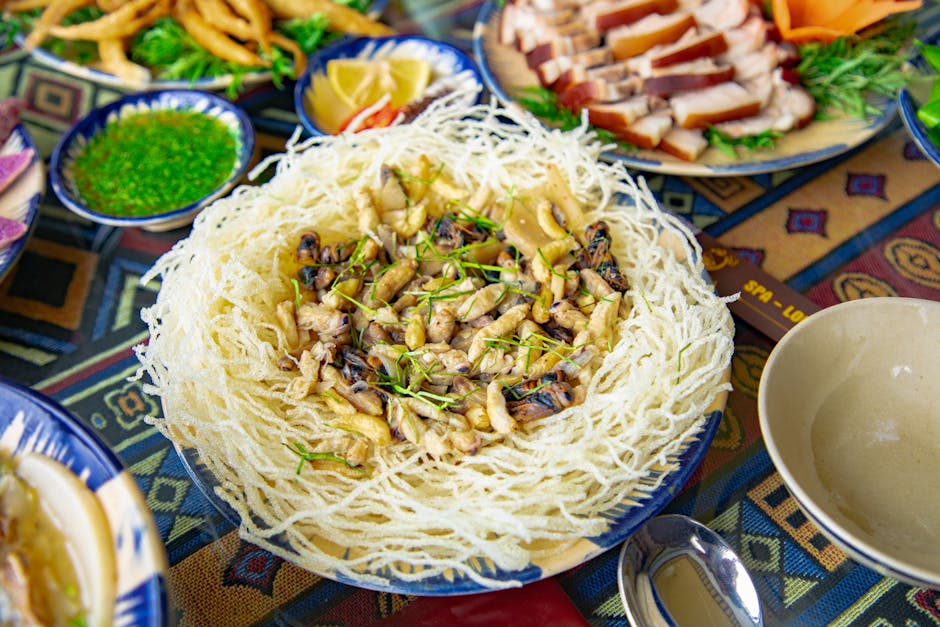
It’s illegal in the EU due to health regulations, but still produced and consumed locally. Diners often cover the cheese with a hand while eating to avoid flying larvae. A true test of culinary courage.
Haggis (Scotland)
Haggis is a savory pudding made from sheep’s heart, liver, and lungs, mixed with oats, onions, and spices, then cooked in a sheep’s stomach. Though modern versions often use synthetic casings, the flavor remains rich and hearty.
It’s traditionally served with neeps (turnips) and tatties (potatoes) on Burns Night, honoring poet Robert Burns. Vegetarian versions are now widely available, making it accessible to more travelers.
Africa: Earthy, Spiced, and Soulful
Injera with Wat (Ethiopia)
Injera is a spongy sourdough flatbread made from teff flour, used as both plate and utensil. It’s served with wat, a thick stew of spiced meat or lentils.
Diners tear off pieces of injera to scoop up the stew, eating with their hands. The tangy bread balances the heat of berbere spice. Sharing a communal platter strengthens social bonds—meals are meant to be enjoyed together.
Fufu and Light Soup (Ghana)
Fufu is a starchy dough made from pounded cassava, plantains, or yams. It’s rolled into balls and dipped into light soup—a spicy broth with fish, meat, or vegetables.
The texture is smooth and stretchy, almost like mochi. Eating fufu requires practice: use your right hand, form a small ball, and dip quickly before it cools. Locals appreciate the effort visitors make to eat traditionally.
Mopane Worms (Southern Africa)
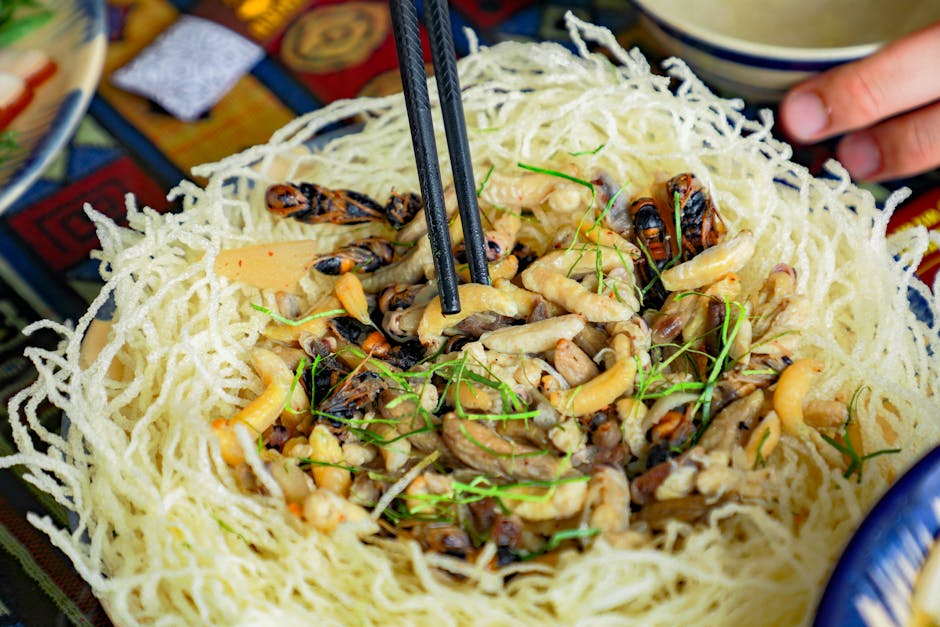
Mopane worms are not worms but caterpillars of the emperor moth, harvested from mopane trees. They’re dried, then fried, stewed, or grilled with spices.
High in protein and iron, they’re a staple in countries like Zimbabwe and Botswana. The flavor is nutty and slightly smoky, with a crunchy texture. Often served with sadza, a cornmeal porridge.
The Americas: Fusion, Fire, and Flavor
Cuy (Peru)
Cuy, or guinea pig, is a traditional dish in the Andes, especially in Peru and Bolivia. Roasted whole and seasoned with herbs, it’s considered a delicacy for special occasions.
The meat is lean and gamey, similar to rabbit. It’s often served with potatoes and corn. While it may unsettle some, cuy has been part of Andean culture for over 5,000 years. Approach it as a cultural experience, not just a meal.
Huitlacoche (Mexico)
Huitlacoche, or corn smut, is a fungus that grows on corn kernels. Once considered a crop disease, it’s now prized for its earthy, umami flavor.
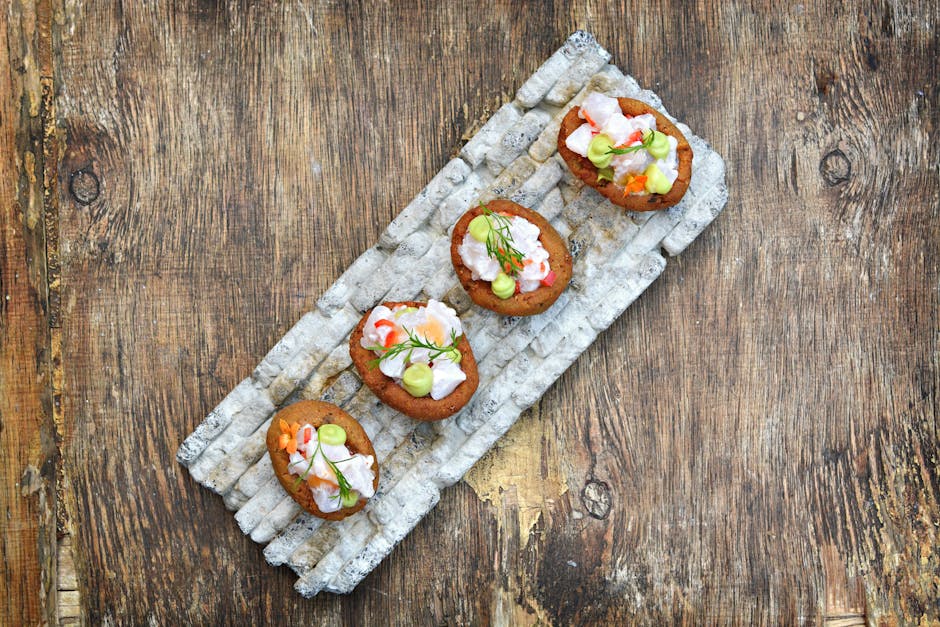
Cooks use it in quesadillas, soups, and tamales. Its dark, blistered appearance contrasts with its rich taste—often described as a cross between mushrooms and truffles. A favorite among chefs and food lovers alike.
Bannock (Canada)
Bannock is a simple flatbread introduced to Indigenous communities by Scottish traders. Today, it’s a staple in many northern and First Nations communities.
Made with flour, baking powder, and fat, it can be fried, baked, or grilled. Served with jam, meat, or eaten plain, it’s a symbol of cultural adaptation and resilience.
Oceania: Indigenous Ingredients Meet Modern Palates
Hāngī (New Zealand)
Hāngī is a traditional Māori method of cooking food in an earth oven. Stones are heated, then layered with meat, vegetables, and leaves before being covered with soil for several hours.
The slow-cooking process infuses food with smoky, earthy flavors. Lamb, kumara (sweet potato), and cabbage are common ingredients. Many cultural centers offer hāngī experiences for visitors.
Kokoda (Fiji)
Kokoda is a Fijian dish of raw fish marinated in citrus juice and coconut milk, similar to ceviche. It’s typically made with mahi-mahi or snapper, mixed with tomatoes, onions, and chili.
Served cold, it’s refreshing and vibrant—perfect for tropical climates. The acidity “cooks” the fish, giving it a firm texture. Best enjoyed on the beach with a cold drink.
Middle East: Aromatic, Spiced, and Shared
Khash (Armenia and Iran)
Khash is a winter dish made from boiled cow or sheep feet and heads. It’s cooked overnight, then served with garlic, vinegar, and lavash bread.
The collagen-rich broth is believed to soothe joints and boost energy in cold months. Eaten early in the morning, often with a shot of vodka or arak. Not for everyone, but deeply rooted in regional tradition.
Falafel with Amba (Israel)
While falafel is widely known, pairing it with amba—a tangy mango pickle sauce—elevates the experience. Amba adds a sweet, sour, and spicy kick that cuts through the fried chickpea balls.
Look for street vendors in Tel Aviv or Jerusalem serving it in pita with pickles and tahini. The combination is a staple of Israeli street food culture.
How to Approach Unique Foods While Traveling
Start with an open mindset. Research dishes before you go, but don’t let fear of the unknown stop you. Ask locals for recommendations—they often know the best hidden spots.
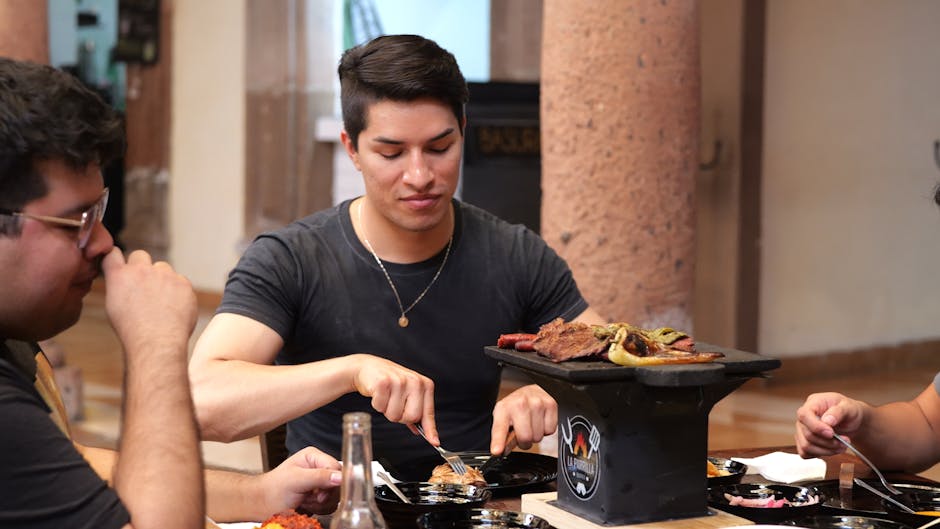
Begin with milder versions of unfamiliar foods. In Thailand, try som tam (papaya salad) before moving to more intense dishes like khao soi. Gradual exposure builds confidence.
Respect local customs. In many cultures, refusing food can be seen as impolite. If you can’t eat something, explain gently and thank the host. A smile goes a long way.
Stay safe. Stick to busy, reputable vendors. Avoid raw or undercooked items if you have a sensitive stomach. Drink bottled water and wash hands frequently.
When to Skip a Dish—and When to Try It
Some foods may not suit your palate or dietary needs. That’s okay. Culinary travel isn’t about forcing yourself to eat everything—it’s about curiosity and connection.
If a dish uses endangered species or unsustainable practices, consider skipping it. Examples include shark fin soup or bushmeat. Choose ethical alternatives that support conservation.
On the other hand, don’t miss out due to hesitation. Many “strange” foods are delicious once you get past the initial surprise. The best meals often come from stepping outside your comfort zone.
Making the Most of Your Culinary Journey
Keep a food journal. Note the dish, location, and your reaction. Over time, you’ll build a personal map of flavors and memories.
Take a cooking class. Learning to prepare a local dish deepens your appreciation. In Vietnam, a Hanoi street food tour often includes making pho or spring rolls.
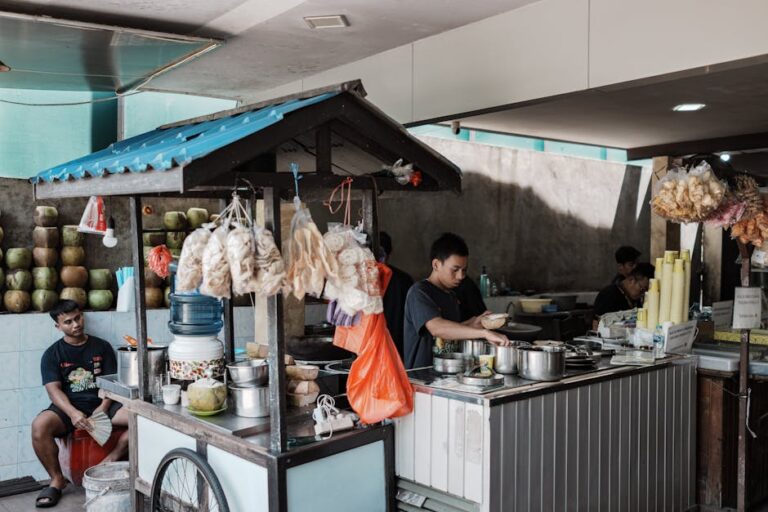
Visit markets. Wet markets in Bangkok, spice bazaars in Marrakech, or farmers’ markets in Oaxaca offer sensory overload and authentic samples. Talk to vendors—they love sharing stories.
Share your experiences. Post photos, write reviews, or recommend dishes to fellow travelers. Your insights help others discover new flavors.
Final Thoughts
Trying unique foods is one of the most rewarding aspects of travel. It connects you to people, places, and traditions in a way few other experiences can. From fermented shark in Iceland to guinea pig in Peru, each dish offers a story worth tasting.
You don’t need to love every bite—just be willing to try. The goal isn’t to become a food daredevil, but to embrace the adventure of discovery. Let your taste buds lead the way.
FAQ
Q: Are these foods safe for tourists to eat?
A: Most are safe when prepared by reputable vendors. Avoid raw or undercooked items if you have a sensitive stomach. Stick to busy stalls with high turnover.
Q: What if I’m vegetarian or have dietary restrictions?
A: Many regions offer plant-based versions of traditional dishes. In India, try dosas or chaat; in Ethiopia, order a vegetarian wat. Always communicate your needs clearly.
Q: How can I avoid foodborne illness while traveling?
A: Drink bottled water, eat freshly cooked food, and wash hands often. Avoid tap water, ice, and raw produce unless you peel it yourself.