Top Street Foods in Thailand Travel Food Guide
Thailand’s street food scene is legendary—vibrant, affordable, and bursting with flavor. From bustling Bangkok alleyways to beachside stalls in Phuket, local dishes reflect centuries of culinary tradition. This guide highlights the top street foods in Thailand you must try, where to find them, and how to eat safely. Whether you’re a first-time visitor or a seasoned traveler, these iconic bites offer an authentic taste of Thai culture.
Why Thailand’s Street Food Stands Out
Thai street food is more than just a meal—it’s a cultural experience. Vendors often prepare dishes using family recipes passed down through generations. The balance of sweet, sour, salty, and spicy flavors defines Thai cuisine.
Unlike many countries, Thailand embraces street food as part of daily life. Locals eat at stalls for breakfast, lunch, and dinner. This constant demand ensures fresh ingredients and quick turnover.
Most vendors cook to order, meaning your meal is hot and made just for you. This immediacy enhances flavor and reduces the risk of foodborne illness.
Top Street Foods to Try in Thailand
Pad Thai
Perhaps the most famous Thai dish globally, Pad Thai features stir-fried rice noodles with eggs, tofu or shrimp, bean sprouts, and crushed peanuts. A squeeze of lime and a dash of fish sauce complete the dish.
Look for stalls where the noodles are cooked fresh in a wok over high heat. The best versions have a slightly smoky flavor from the wok hei, or ‘breath of the wok.’
Pad Thai is widely available in Bangkok, especially around Khao San Road and Chinatown. Expect to pay between 50–80 THB per plate.
Som Tum (Green Papaya Salad)
Originating from northeastern Thailand and Laos, Som Tum is a fiery salad made from shredded unripe papaya, tomatoes, green beans, peanuts, and chilies. It’s pounded in a mortar and pestle to release flavors.
The dressing typically includes lime juice, fish sauce, palm sugar, and dried shrimp. Adjust the spice level by asking for “mai pet” (not spicy) if you’re sensitive to heat.
Best enjoyed in Isaan regions like Udon Thani or Chiang Mai, but also common in Bangkok’s street markets. Pair it with grilled chicken for a full meal.
Khao Niao Mamuang (Mango Sticky Rice)
This beloved dessert combines sweet, ripe mango slices with glutinous rice soaked in coconut milk. A sprinkle of toasted mung beans adds texture.
It’s a seasonal treat, best from April to June when mangoes are at their peak. You’ll find it at nearly every market and dessert stall during mango season.
Costs around 60–100 THB. Look for vendors using fresh, golden mango—not frozen or underripe fruit.
Satay (Grilled Meat Skewers)
Thai satay consists of marinated chicken, pork, or beef skewered and grilled over charcoal. The meat is tender and infused with turmeric, lemongrass, and garlic.
Served with a rich peanut dipping sauce and a side of cucumber relish. The sauce should be smooth, slightly sweet, and not overly salty.
Popular in night markets across the country. Try it in Chiang Mai’s Sunday Walking Street or Bangkok’s Chatuchak Weekend Market.
Tom Yum Goong (Spicy Shrimp Soup)
This aromatic soup blends lemongrass, kaffir lime leaves, galangal, chilies, and shrimp in a hot and sour broth. It’s both refreshing and intense.
There are two main versions: Tom Yum Nam Sai (clear broth) and Tom Yum Nam Khon (with evaporated milk for creaminess). The clear version is more common at street stalls.
Best sampled in central and southern Thailand. Avoid overly diluted versions—authentic Tom Yum should make your nose tingle.
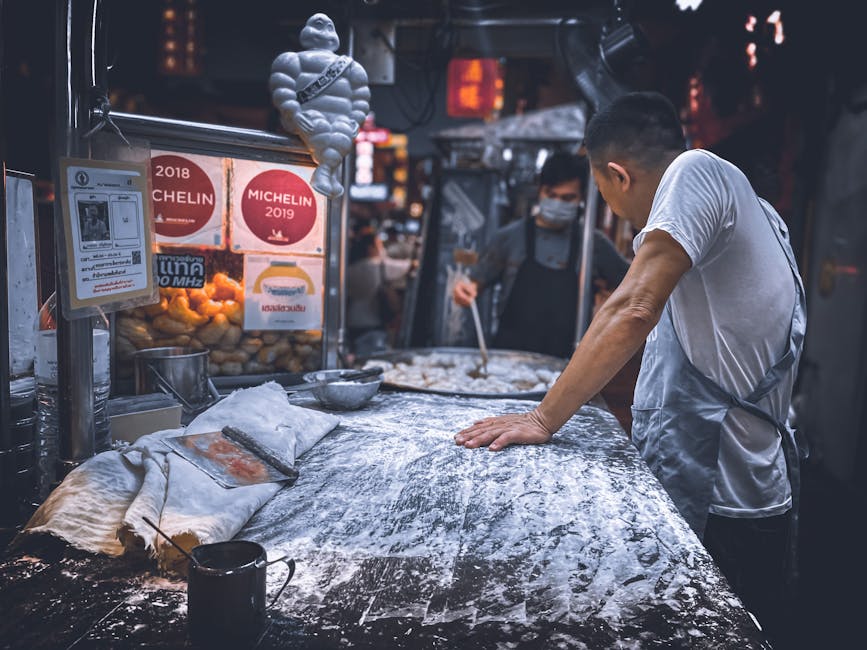
Khanom Buang (Thai Crispy Pancakes)
These delicate, fan-shaped crepes are made from rice flour and coconut milk, then filled with sweet or savory toppings. Sweet versions include coconut cream and shredded coconut; savory ones may have shrimp and egg.
Cooked on a special curved pan, they’re light, crispy, and slightly chewy. Often sold by older vendors who’ve perfected the technique over decades.
Common in Bangkok’s old city and coastal towns like Hua Hin. A pack of six costs around 40–60 THB.
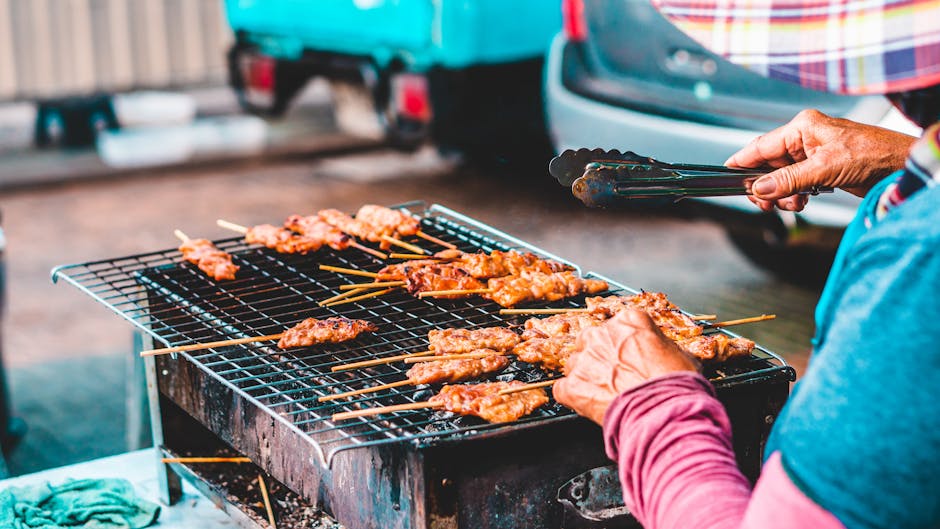
Moo Ping (Grilled Pork Skewers)
Marinated in coconut milk, garlic, coriander root, and soy sauce, Moo Ping is grilled until caramelized and slightly charred. The result is juicy, flavorful pork with a sweet-savory glaze.
Often sold near temples, bus stations, and morning markets. Eaten as a snack or with sticky rice for a quick meal.
Look for stalls with a steady stream of customers—this indicates freshness and quality.
Gai Tod (Thai Fried Chicken)
Unlike Western fried chicken, Thai-style Gai Tod is marinated in garlic, pepper, and fish sauce before being deep-fried. The skin is extra crispy, and the meat stays moist.
Often served with sticky rice and a spicy chili dipping sauce. Some versions include a dusting of five-spice powder for extra aroma.
Found in nearly every province. Try it at a roadside stall in Ayutthaya or near a floating market in Samut Songkhram.
Roti Gluay (Banana Roti)
A popular dessert street food, Roti Gluay is a flaky, griddle-cooked flatbread filled with sliced bananas and sometimes condensed milk or chocolate. It’s folded and served warm.
Common in tourist areas like Khao San Road and Patong Beach. Vendors often stretch the dough dramatically, creating layers that crisp up when cooked.
Best eaten fresh—avoid pre-made versions that sit under heat lamps. Costs 40–80 THB depending on toppings.
Khao Pad (Fried Rice)
Simple yet satisfying, Khao Pad is made with jasmine rice, eggs, onions, and your choice of meat or seafood. Seasoned with fish sauce and soy sauce, it’s quick, filling, and customizable.
Look for stalls that cook it in a hot wok—this gives it a slightly charred, smoky flavor. Add a fried egg on top for extra richness.
Available everywhere, from Bangkok’s street corners to rural bus stops. A reliable choice when you’re unsure what to order.
Where to Find the Best Street Food in Thailand
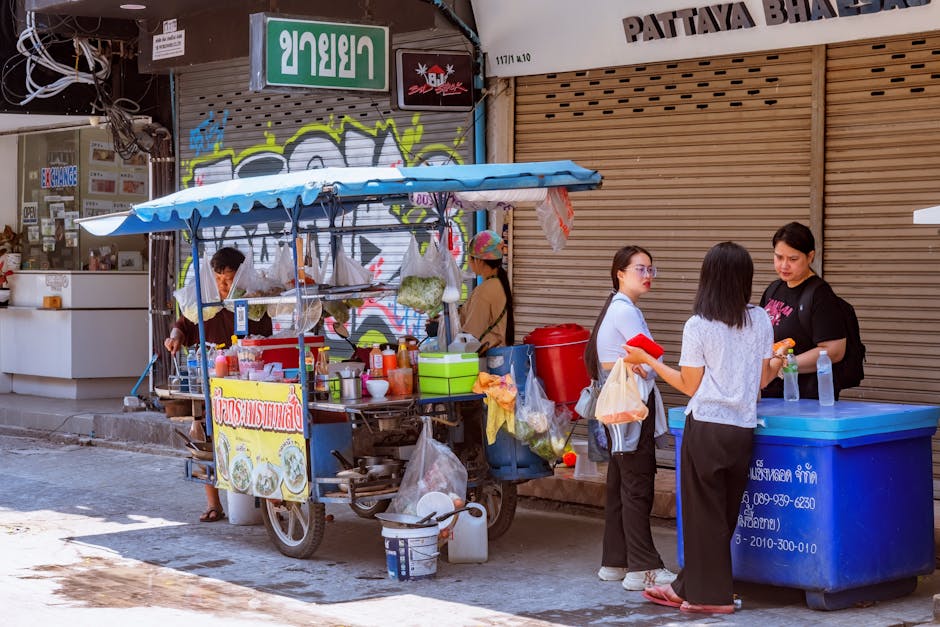
Bangkok: The Street Food Capital
Bangkok offers the most diverse and accessible street food in the country. Areas like Chinatown (Yaowarat), Khao San Road, and Sukhumvit Soi 38 are famous for their concentration of stalls.
Chinatown is best at night, when the streets fill with sizzling woks and the aroma of garlic and seafood. Try the oyster omelets and boat noodles here.
Sukhumvit Soi 38 is a local favorite, open from late afternoon to midnight. It’s clean, well-lit, and offers a wide range of dishes in one place.
Chiang Mai: Northern Flavors and Night Bazaars
Chiang Mai’s street food reflects northern Thai cuisine, with dishes like Khao Soi (coconut curry noodle soup) and Sai Oua (herb-packed sausage).
The Sunday Walking Street market is a must-visit. Over 500 vendors line the road, selling food, crafts, and live music. Arrive early to avoid crowds.
Night bazaars in the old city also offer excellent options. Look for stalls with long lines—locals know where the best food is.
Phuket and the Islands: Coastal Delights
Beach towns like Phuket, Krabi, and Koh Samui feature seafood-centric street food. Grilled squid, crab curry, and fish cakes are common.
In Phuket Town, the weekend market near Thalang Road offers a mix of local and international flavors. Try the Hokkien mee (stir-fried noodles) with prawns.
On the islands, food trucks and beachside stalls serve fresh catches. Always check that seafood is cooked thoroughly to avoid food poisoning.
Isaan (Northeast Thailand): Bold and Spicy
Isaan is the heartland of Som Tum, Larb (minced meat salad), and sticky rice. The flavors here are bolder and spicier than in other regions.
Cities like Khon Kaen and Ubon Ratchathani have vibrant night markets. Don’t miss the grilled river fish and fermented sausages.
Sticky rice is eaten with nearly every meal. It’s often served in bamboo baskets and eaten with your hands.
How to Eat Street Food Safely in Thailand
Street food in Thailand is generally safe, but a few precautions can prevent stomach issues. Choose stalls with high turnover—this means food isn’t sitting out for long.
Look for vendors who cook food to order. Avoid pre-cooked items that have been sitting under heat lamps for hours.
Drink only bottled or boiled water. Avoid ice unless you’re sure it’s made from purified water. Many locals drink iced tea with ice, but it’s often safe due to high turnover.
Wash your hands before eating or use hand sanitizer. Carry wet wipes for quick cleaning.
If you have a sensitive stomach, start with milder dishes like Khao Pad or Moo Ping before trying spicy Som Tum or raw seafood.
Stick to busy stalls. A long line of locals is a strong indicator of quality and safety.
Tips for Ordering Street Food Like a Local
Learn a few basic Thai phrases. “Mai pet” means not spicy, “pet mak” means very spicy, and “khor tot” means “thank you.”
Pointing at dishes is common and acceptable. Most vendors understand basic gestures and English food names.
Carry small bills. Most street food costs between 30–100 THB, and vendors may not have change for large notes.
Eat quickly. Food is best enjoyed hot and fresh. Don’t linger too long at the stall—move aside after ordering to let others place theirs.
Try combo meals. Many stalls offer rice with two or three side dishes for 60–80 THB. It’s a great way to sample multiple flavors.
Seasonal and Regional Variations
Street food changes with the seasons. Mango sticky rice is only good in summer, while grilled corn and chestnuts appear in cooler months.
Regional specialties vary widely. In the south, you’ll find more coconut-based curries and Muslim-influenced dishes like Massaman curry.
The north favors herbs, sticky rice, and milder spices. Khao Soi, a coconut curry noodle soup, is a northern icon.
Central Thailand, including Bangkok, blends influences from all regions. You’ll find everything from Pad Thai to Isaan salads in one place.
Budgeting for Street Food
Street food is one of the most affordable ways to eat in Thailand. A full meal typically costs 50–120 THB, depending on the dish and location.
Tourist-heavy areas may charge slightly more, but prices rarely exceed 150 THB for a main dish. Desserts and snacks are usually under 80 THB.
Eating street food for all three meals can cost less than 300 THB per day—far cheaper than restaurant dining.
Tip: Visit local markets early in the morning for the freshest options and lower prices.
Final Thoughts
Thailand’s street food is a highlight for travelers seeking authentic, flavorful, and affordable meals. From the smoky woks of Bangkok to the spice-laden stalls of Isaan, every bite tells a story.
Don’t be afraid to try new things. Even if a dish looks unfamiliar, the experience is part of the adventure. Start with popular items like Pad Thai and Moo Ping, then branch out to regional specialties.
Respect local customs, eat where the locals eat, and always prioritize freshness. With these tips, you’ll enjoy the best of Thailand’s vibrant street food culture.
FAQ
Is street food safe to eat in Thailand?
Yes, street food in Thailand is generally safe, especially at busy stalls with high turnover. Choose vendors who cook food fresh and avoid pre-cooked items that have been sitting out. Drink bottled water and be cautious with ice.
What is the best time to visit street food markets?
Most street food markets operate in the evening, from 5 PM to midnight. Some morning markets offer breakfast items like congee and grilled skewers. Night markets in tourist areas often stay open later.
How much does street food cost in Thailand?
Prices range from 30 THB for a snack to 120 THB for a full meal. Desserts and drinks typically cost 40–80 THB. Eating street food is one of the most budget-friendly ways to dine in Thailand.