

Ultimate Family Travel Guide for Weekend City Escapes
Planning a quick getaway with your family? A weekend city escape offers the perfect balance of adventure, relaxation, and quality time—without the long-term commitment. Whether you’re exploring a nearby metropolitan hub or venturing to a new destination, this guide covers everything you need to make your short trip smooth, enjoyable, and memorable.
From choosing the right city to packing smart and finding kid-friendly activities, we’ve compiled practical tips, real-world examples, and expert-backed advice to help families travel efficiently and stress-free. You’ll learn how to maximize your 48 hours, avoid common pitfalls, and create lasting memories—all while staying within budget.
Why Choose a Weekend City Escape?
Weekend trips are ideal for busy families. They require minimal planning, fit into tight schedules, and offer a refreshing break from routine. Unlike longer vacations, city escapes don’t demand extensive time off work or school.
Cities provide diverse experiences in a compact area. Museums, parks, restaurants, and cultural sites are often within walking distance or a short transit ride. This makes it easier to keep kids engaged without exhausting travel times.
Plus, many urban destinations now offer family-friendly accommodations and services. Think connecting rooms, on-site childcare, and interactive attractions designed with children in mind.
How to Choose the Right City for Your Family
Start by considering travel time. Aim for a destination within a 2–4 hour drive or a short flight. The goal is to spend more time exploring and less time in transit.
Look for cities with a mix of indoor and outdoor activities. Weather can be unpredictable, so having backup options is essential. Cities like Chicago, Denver, or Austin offer parks, museums, and entertainment districts that appeal to all ages.
Safety and walkability matter. Choose a city with low crime rates and pedestrian-friendly neighborhoods. Areas like downtown Portland, Seattle’s Capitol Hill, or Boston’s Back Bay are known for being safe and easy to navigate with strollers or young children.
Family-Friendly Cities to Consider
San Diego, California: Known for its mild weather, beaches, and the world-famous San Diego Zoo. The Balboa Park area offers museums, gardens, and open spaces perfect for kids.
Washington, D.C.: Most Smithsonian museums are free and highly interactive. The National Mall is stroller-friendly, and the city has excellent public transit.
Portland, Oregon: A haven for outdoor-loving families. Forest Park, the Oregon Zoo, and food carts with kid-approved meals make it a top pick.
Nashville, Tennessee: Offers music-themed fun for all ages, including the Country Music Hall of Fame and kid-friendly honky-tonk shows. The city’s greenways are great for biking.
Planning Your Itinerary: Less Is More
A common mistake families make is over-scheduling. With only two days, it’s better to focus on 2–3 main activities per day. Allow time for meals, rest, and spontaneous discoveries.
Start each day with a relaxed breakfast. Then choose one major attraction for the morning and another for the afternoon. Leave evenings open for dinner and a short stroll or dessert outing.
Use a mix of structured and unstructured time. For example, visit a science museum in the morning, then let kids explore a nearby playground or park in the afternoon.
Sample Itinerary: Chicago, Illinois
Saturday: Begin at Navy Pier for the Centennial Wheel and Chicago Children’s Museum. Grab lunch at the pier, then walk to Millennium Park to see the Bean and splash in the Crown Fountain.
Sunday: Visit the Lincoln Park Zoo (free entry) in the morning. After lunch, explore the Lincoln Park Conservatory or take a short train ride to the Art Institute of Chicago, which offers family audio tours.
Booking Family-Friendly Accommodations
Hotels with suites or adjoining rooms give families more space and privacy. Look for properties with kitchenettes or free breakfast to save money and time.
Consider location. Staying downtown or near public transit reduces the need for taxis or rental cars. In cities like New York or San Francisco, proximity to subway lines is a major advantage.

Check for family perks. Some hotels offer free cribs, rollaway beds, or kids’ welcome kits. Others have pools, game rooms, or partnerships with local attractions for discounted tickets.
Top Hotel Chains for Families
Hampton Inn: Known for free hot breakfast and indoor pools. Many locations offer connecting rooms.
Homewood Suites by Hilton: All-suite accommodations with kitchens, ideal for longer stays or families with picky eaters.
Marriott Residence Inn: Spacious suites, free breakfast, and evening socials on select nights. Great for families wanting a home-like feel.
Packing Smart for a Short Trip
Packing light is key. Bring versatile clothing that can be layered. Pack one outfit per day per person, plus one extra in case of spills or weather changes.
Use packing cubes to organize items by family member or category. This makes it easier to find things quickly without unpacking everything.
Don’t forget essentials: medications, chargers, snacks, and a small first-aid kit. For younger kids, include comfort items like a favorite stuffed animal or blanket.
Must-Pack Items for City Travel
- Reusable water bottles
- Portable phone charger
- Stroller or baby carrier
- Snacks (granola bars, fruit pouches)
- Wet wipes and hand sanitizer
- Printed copies of reservations and maps
Getting Around the City with Kids
Public transportation is often the most efficient way to move around. Many cities offer day passes or family discounts. In cities like Boston or Washington, D.C., metro systems are clean, safe, and stroller-accessible.
Ride-sharing apps like Uber and Lyft are convenient but can get expensive with multiple trips. Consider renting a car only if you plan to visit attractions outside the city center.
Walking is underrated. It allows families to discover hidden gems, take photos, and burn off energy. Use a stroller for younger kids or a wagon for toddlers who tire easily.
City Transit Tips
Download transit apps like Citymapper or Google Maps for real-time updates. They help plan routes and avoid delays.
Teach older kids basic navigation skills. Let them help read maps or choose the next stop. This builds confidence and keeps them engaged.
Avoid rush hours when possible. Mornings between 9–10 a.m. and afternoons after 2 p.m. are usually quieter and more comfortable for families.
Finding Kid-Friendly Activities
Look for attractions that combine education and fun. Science centers, aquariums, and interactive museums are always hits with children.
Check for family programs. Many museums offer weekend workshops, scavenger hunts, or storytelling sessions designed for kids.
Outdoor spaces are just as important. Urban parks, botanical gardens, and waterfront areas give kids room to run and explore nature.
Top Family Attractions by City
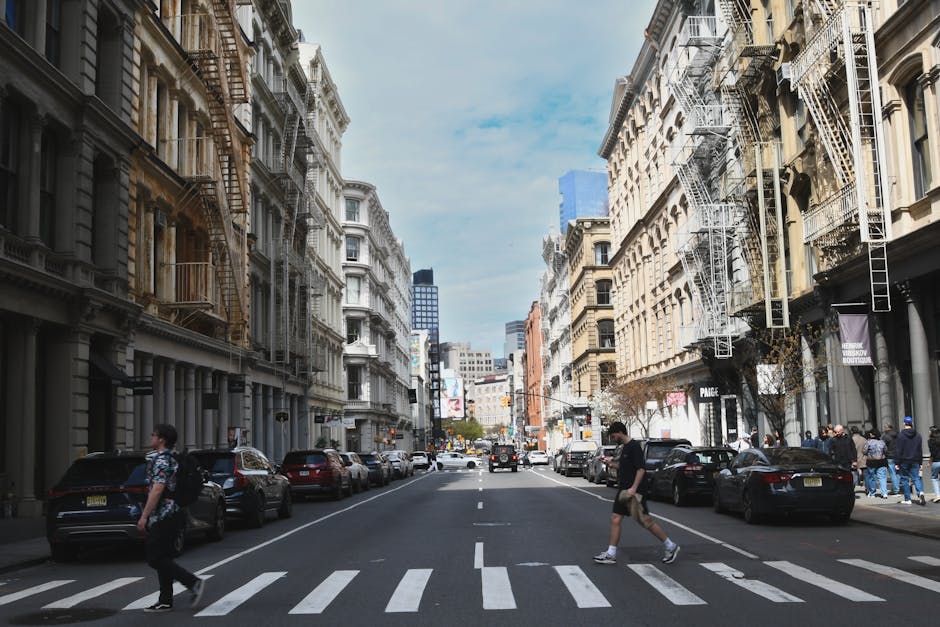
New York City: The American Museum of Natural History, Central Park, and the Children’s Museum of Manhattan.
Los Angeles: The California Science Center, Griffith Observatory, and the beach at Santa Monica.
Atlanta: The Georgia Aquarium, Piedmont Park, and the Children’s Museum of Atlanta.
Dining Out with Children
Choose restaurants with flexible menus and high chairs. Many family-friendly spots offer kids’ menus with healthier options like grilled chicken, fruit, and whole grains.
Eat early. Most restaurants are less crowded before 6 p.m., making it easier to manage noise and wait times.
Pack snacks to avoid meltdowns during long waits. A granola bar or apple slices can buy you time while waiting for a table.
Kid-Friendly Restaurant Chains
The Cheesecake Factory: Large menu with something for everyone, including vegetarian and gluten-free options.
Rainforest Cafe: Themed dining with animatronic animals and a fun atmosphere. Located in malls and tourist areas.
Shake Shack: Quick, tasty burgers and fries. Many locations have outdoor seating and play areas.
Managing Screen Time on the Road
It’s okay to use screens during travel. Tablets and headphones can keep kids entertained on trains or in cars. Download movies, games, or audiobooks ahead of time.
Set limits. Use screen time as a reward or during downtime, not as a constant distraction. Encourage conversation, observation, and interaction with surroundings.
Bring a portable charger. Dead devices can lead to frustration, especially during long waits or delays.
Staying Safe in a New City
Share your itinerary with a trusted friend or family member. Include hotel details, contact numbers, and planned activities.
Teach kids what to do if they get lost. Practice saying their name, your phone number, and the hotel name. Consider ID bracelets for younger children.
Keep important documents in a secure place. Use a hotel safe for passports and extra cash. Carry photocopies separately.
Safety Tips for Urban Areas
Avoid displaying expensive items like jewelry or electronics. Keep bags closed and close to your body in crowded areas.
Stay aware of your surroundings. Stick to well-lit, populated streets, especially at night.
Use official taxis or ride-share apps. Avoid unmarked vehicles or drivers who approach you on the street.
Budgeting for Your Weekend Trip

Set a daily spending limit. Include lodging, food, activities, and transportation. Use a budgeting app to track expenses in real time.
Look for free or low-cost activities. Many cities offer free museum days, outdoor concerts, or community festivals on weekends.
Pack lunches or snacks to reduce meal costs. Grocery stores and farmers’ markets are great for quick, affordable meals.
Money-Saving Tips
Book accommodations and tickets in advance. Last-minute deals are rare for family travel.
Use city tourism cards. These often include discounts on attractions, transit, and dining. Examples include the Go City Pass and CityPASS.
Travel during the off-season. Rates are lower, and crowds are smaller. Spring and fall are ideal for most U.S. cities.
Making the Most of Your Time
Arrive early at popular attractions. Lines are shorter, and kids are more alert and cooperative in the morning.
Take breaks. A 20-minute rest in a park or café can recharge everyone’s energy and prevent meltdowns.
Capture memories without overdoing it. Take a few photos, but put the camera down and enjoy the moment.
What to Do If Plans Change
Weather, illness, or unexpected closures can disrupt even the best-laid plans. Stay flexible and have backup options.
Keep a list of nearby indoor activities. Libraries, indoor playgrounds, and shopping malls with play areas can save the day.
Don’t stress over perfection. The goal is connection, not checking off every item on a list.
Returning Home: Easing the Transition
Unpack and do laundry as soon as you return. This prevents a backlog and helps you settle back in.
Share highlights as a family. Ask each person to name their favorite part of the trip. This reinforces positive memories.
Start planning your next escape. Keep a running list of cities or attractions your family wants to visit. It builds excitement and gives you something to look forward to.
Final Thoughts
A successful weekend city escape doesn’t require luxury or perfection. It’s about spending quality time together, exploring new places, and creating shared experiences.
With thoughtful planning, realistic expectations, and a focus on fun, your family can enjoy a rewarding trip—even in just 48 hours.
FAQ
How far in advance should I book a weekend city trip?
Book accommodations and popular attractions at least 2–4 weeks ahead, especially during peak seasons or holidays. This ensures better rates and availability.
What’s the best way to keep kids entertained during travel?
Bring a mix of activities: books, coloring supplies, small toys, and digital devices with pre-downloaded content. Rotate items to maintain interest.
Are city trips safe for families with young children?
Yes, most major cities are safe for families when basic precautions are taken. Stick to well-known areas, use trusted transportation, and stay aware of your surroundings.