Top Japanese Foods to Try for Culinary Travelers
Japan offers one of the world’s most refined and diverse culinary landscapes, blending tradition, technique, and seasonal ingredients into unforgettable dishes. For culinary travelers, exploring Japanese cuisine goes beyond sushi and ramen—it’s an immersive journey through regional specialties, time-honored methods, and unique flavor profiles. Whether you’re wandering through Tokyo’s bustling markets or dining in a Kyoto ryokan, these top Japanese foods deliver authentic tastes that define the country’s food culture. From street snacks to ceremonial meals, this guide highlights must-try dishes that showcase Japan’s gastronomic depth and regional variety.
Essential Dishes Every Culinary Traveler Should Experience
Japan’s food scene is built on balance, precision, and respect for ingredients. While many associate Japanese cuisine with raw fish or noodle soups, the full spectrum includes fermented foods, grilled specialties, delicate broths, and artful presentations. These foundational dishes reflect centuries of culinary evolution and regional adaptation.
Sushi: Beyond the Basic Roll
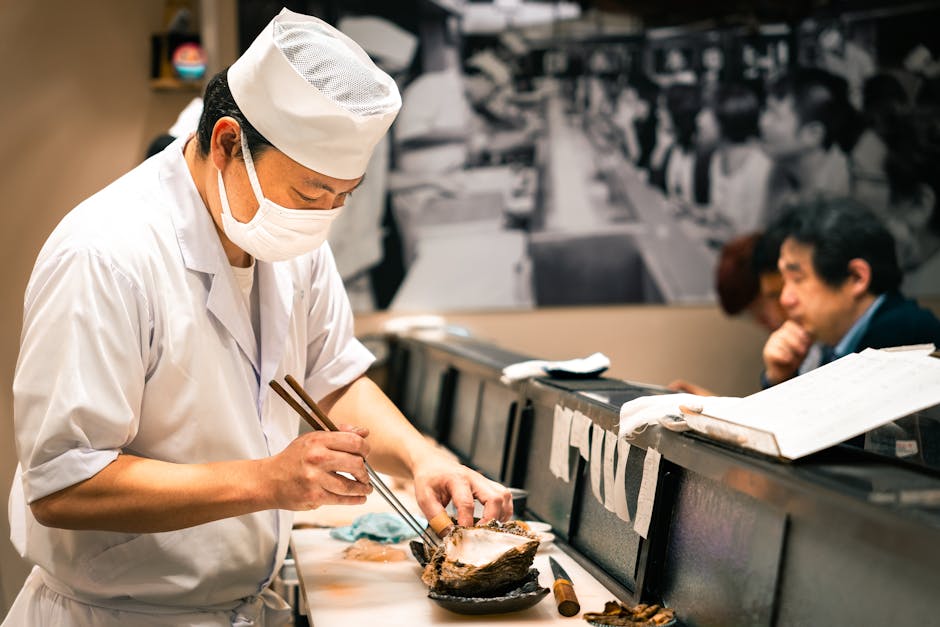
Sushi is perhaps Japan’s most iconic export, but authentic sushi in Japan differs greatly from Western interpretations. Traditional nigiri sushi features fresh fish or seafood atop hand-pressed vinegared rice, often served at counter seats in specialty sushi-ya. In Tokyo’s Tsukiji Outer Market or Osaka’s Kuromon Market, you’ll find stalls offering tuna, sea urchin, and eel just hours after being caught.
For a deeper experience, try omakase—a chef-selected tasting menu that showcases peak-season fish and seasonal techniques. Avoid conveyor belt sushi if you’re seeking quality; instead, look for small shops with a daily chalkboard menu. Always eat sushi with your hands or chopsticks, and dip fish-side (not rice-side) into soy sauce to preserve the rice’s integrity.
Ramen: Regional Broths and Noodle Styles
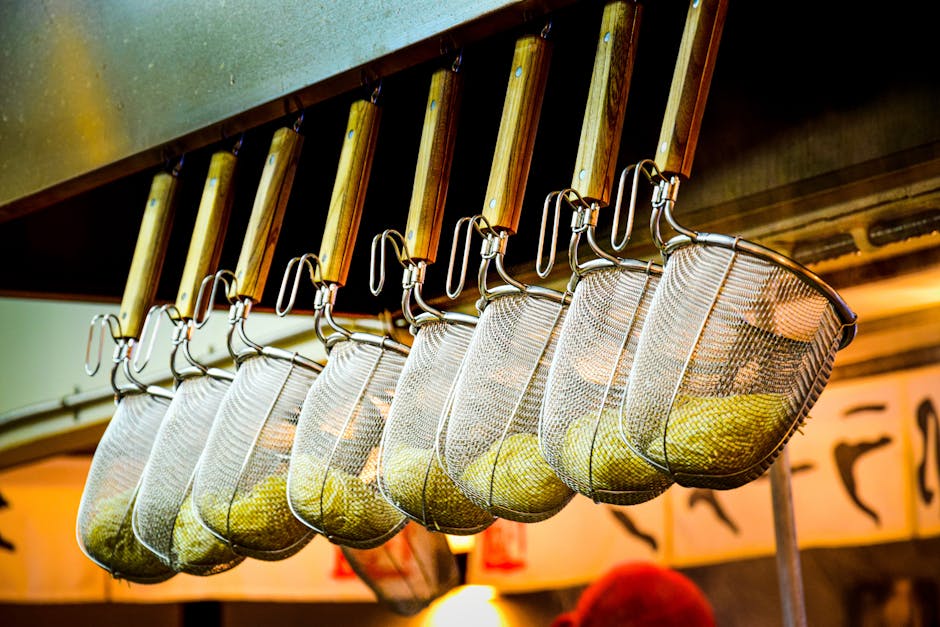
Ramen is more than a comforting bowl of noodles—it’s a regional art form. Each area of Japan has its own style, defined by broth base, noodle thickness, and toppings. Tonkotsu ramen from Fukuoka features a rich, creamy pork bone broth, while Sapporo’s miso ramen includes butter and corn for a hearty winter meal. Hakodate’s shio (salt) ramen offers a lighter, clearer alternative.
When ordering, specify noodle firmness and richness of broth. Many shops use ticket machines for ordering, so study the options carefully. Slurping is not only acceptable but encouraged—it cools the noodles and enhances flavor. For a complete experience, pair ramen with a side of gyoza or a soft-boiled egg.
Tempura: Light, Crispy Perfection
Tempura consists of seafood or vegetables lightly battered and deep-fried to a delicate crisp. Unlike Western fried foods, tempura is not heavy or greasy. The batter is made with cold water and sometimes egg, creating a lacy, airy coating that highlights the ingredient’s natural taste.
High-end tempura restaurants often serve each piece à la minute, straight from the fryer. Common items include shrimp, sweet potato, eggplant, and green beans. Dip lightly in tentsuyu, a savory sauce made from dashi, soy sauce, and mirin. For the best experience, visit a tempura-ya in Tokyo or Kanazawa, where chefs train for years to master timing and oil temperature.
Regional Specialties Worth the Trip
Japan’s geography and climate shape its regional cuisines, resulting in distinct dishes found only in specific areas. Traveling beyond major cities reveals hidden culinary gems that reflect local history and ingredients.
Okonomiyaki: Savory Pancake of Osaka
Often called “Japanese pizza,” okonomiyaki is a customizable savory pancake made with cabbage, flour, eggs, and a variety of mix-ins like pork, seafood, or cheese. Osaka-style okonomiyaki is layered and thick, while Hiroshima’s version includes noodles and is built in distinct layers.
Many restaurants let you cook it yourself on a hot griddle at your table. Top with okonomiyaki sauce, mayonnaise, bonito flakes, and seaweed powder. Visit Dotonbori in Osaka for a lively atmosphere and numerous specialty shops. It’s a filling, interactive meal perfect for groups.
Takoyaki: Octopus Balls from the Streets of Osaka
Takoyaki are small, round balls of batter filled with diced octopus, tempura scraps, green onion, and pickled ginger. Cooked in a special molded pan, they’re crispy outside and molten inside. Served piping hot, they’re typically topped with takoyaki sauce, Japanese mayo, and bonito flakes that dance in the steam.
Street vendors in Osaka are legendary for their speed and skill. Eat them immediately with a pick, as they cool quickly. Be cautious—the filling stays extremely hot. Takoyaki is a quintessential street food experience and a must-try for first-time visitors to Kansai.
Hiroshima-style Soba: A Noodle Dish with a Story
Despite its name, Hiroshima soba is actually a variation of ramen, not traditional soba (buckwheat noodles). It features thick wheat noodles in a rich, soy-based broth, topped with chashu pork, bamboo shoots, and a soft egg. Unlike typical ramen, it’s often served with a side of rice and pickles.
This dish originated in Hiroshima’s post-war food culture and remains a local favorite. Try it at restaurants near Hiroshima Station or in the downtown area. It’s heartier than Tokyo-style ramen and ideal for colder months.
Kaiseki: The Art of Multi-Course Dining
Kaiseki is Japan’s most refined culinary tradition, rooted in tea ceremony culture. It’s a multi-course meal that emphasizes seasonality, presentation, and harmony. Each dish is small but meticulously prepared, often featuring local seafood, mountain vegetables, and artistic plating.
Typically served in ryokans or high-end restaurants in Kyoto, kaiseki can include 8–12 courses, from appetizers to dessert. Reservations are essential, and meals can last two to three hours. While expensive, it offers a profound appreciation for Japanese aesthetics and culinary philosophy.
Street Food and Casual Eats You Can’t Miss
Japan’s street food culture thrives in festivals, markets, and urban alleys. These casual bites are affordable, flavorful, and deeply embedded in daily life. They offer a relaxed way to sample regional flavors without formal dining.
Yakitori: Grilled Skewers with Depth
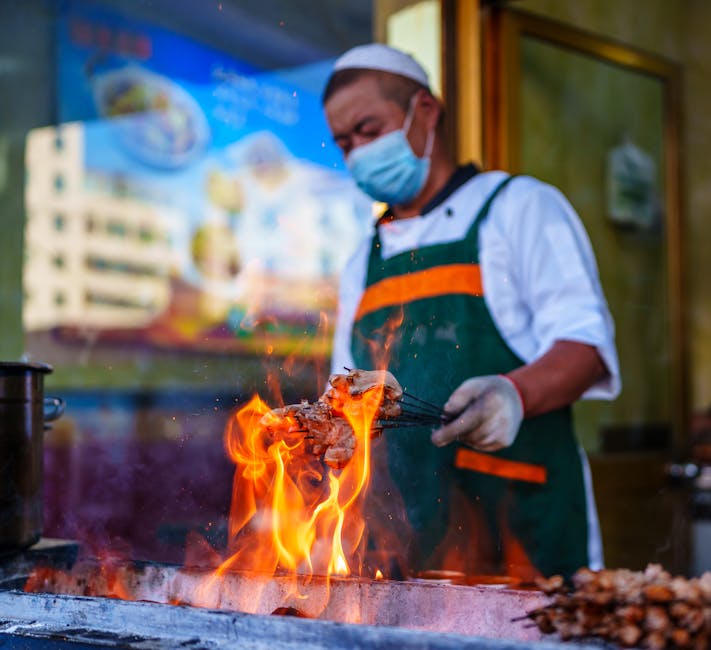
Yakitori refers to skewered and grilled chicken, but modern versions include offal, skin, and vegetables. Each piece is basted with tare, a sweet-savory glaze made from soy sauce, mirin, and sake. Skewers are cooked over binchotan charcoal, imparting a smoky aroma.
Visit yakitori-ya in Tokyo’s Golden Gai or Osaka’s Shinsekai for an authentic experience. Order a variety—chicken thigh, cartilage, liver, and green peppers—to appreciate the range. Pair with a cold beer or sake. It’s a social meal, best enjoyed standing at the counter.
Taiyaki: Fish-Shaped Pastry with Sweet Fillings
Taiyaki is a popular street snack shaped like a sea bream, symbolizing good fortune. The crispy exterior is made from pancake or waffle batter, filled with sweet red bean paste, custard, or chocolate. Modern versions include cheese or matcha cream.
Found at festivals and in shopping districts like Asakusa, taiyaki is best eaten warm. The contrast between the crisp shell and gooey center makes it a satisfying treat. Look for freshly made batches—pre-packaged versions lack the same appeal.
Melon Pan: Sweet Bread with a Crispy Shell
Melon pan is a sweet bread roll with a cookie-like crust that resembles a melon rind. Despite the name, it contains no melon. The soft interior and crunchy exterior create a unique texture, often enjoyed with coffee or tea.
Available at bakeries and convenience stores, melon pan is a nostalgic snack for many Japanese. Some variations are filled with ice cream or chocolate. Try it at a traditional kissaten (coffee shop) for a retro vibe.
Fermented and Unique Flavors for Adventurous Eaters
Japan’s fermentation traditions produce bold, acquired tastes that challenge Western palates but reward curious eaters. These foods are staples in Japanese diets and reflect the country’s mastery of preservation and flavor development.
Miso: The Umami Backbone of Japanese Cooking
Miso is a fermented soybean paste used in soups, marinades, and sauces. It comes in varieties like white (mild and sweet), red (strong and salty), and mixed (awase). Miso soup is a daily staple, often served for breakfast.
Each region has its preferred type—Hokkaido favors red miso for heartier dishes, while Kyoto uses white miso in delicate kaiseki courses. Try miso-glazed eggplant (miso dengaku) or miso-marinated black cod for a rich, savory experience. Fermented foods like miso support gut health and add depth to simple meals.
Natto: Fermented Soybeans with a Sticky Texture
Natto is made from fermented soybeans and has a strong smell, sticky texture, and pungent flavor. It’s typically eaten for breakfast with rice, soy sauce, and mustard. While polarizing, natto is rich in protein and probiotics.
First-time tasters should start with small portions. Some find the flavor improves when mixed thoroughly to develop the stringy texture. Natto is widely available in supermarkets and convenience stores. Give it a fair try—many locals grow to love it over time.
Umeboshi: Salty, Sour Pickled Plums
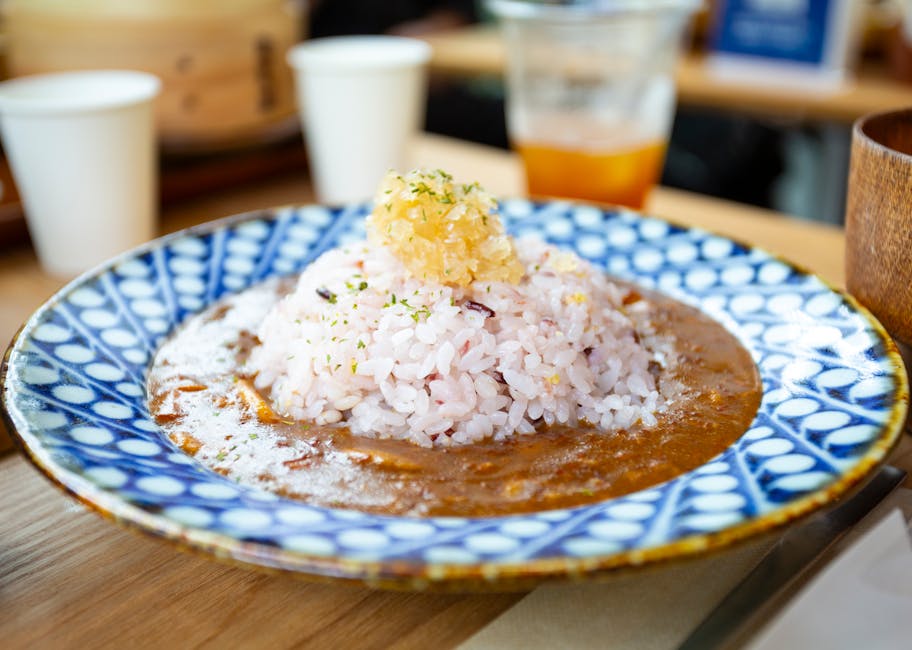
Umeboshi are salted and fermented plums with an intensely sour and salty taste. Often served as a side dish or wrapped in onigiri (rice balls), they aid digestion and add a punch of flavor.
Traditionally preserved with red shiso leaves, which give them a pink hue, umeboshi are also used in bento boxes. They pair well with green tea and plain rice. Try one on its own to experience its boldness, or use it to brighten a simple meal.
Desserts and Sweets with Japanese Flair
Japanese sweets, or wagashi, are designed to complement tea and reflect the seasons. They emphasize subtle sweetness, natural ingredients, and visual beauty. Unlike Western desserts, they’re rarely overly sugary.
Mochi: Chewy Rice Cakes with Endless Variations
Mochi is made from pounded glutinous rice and has a soft, stretchy texture. It’s used in both sweet and savory dishes. Daifuku mochi is filled with red bean paste, while sakura mochi is wrapped in a pickled cherry blossom leaf.
Fresh mochi is best enjoyed warm, especially when grilled (yaki mochi) or served in ozoni soup during New Year. Be cautious when eating—mochi can be a choking hazard if not chewed thoroughly. Look for handmade versions at traditional confectionery shops.
Dorayaki: Pancake Sandwich with Sweet Filling
Dorayaki consists of two small pancakes sandwiching sweet red bean paste. It’s a popular snack and the favorite food of the cartoon character Doraemon. The pancakes are soft and slightly spongy, with a mild sweetness.
Available at most convenience stores, dorayaki is best when freshly made. Some modern versions use chocolate or custard fillings. Try it with a cup of green tea for a balanced treat.
Matcha-Based Treats: From Ice Cream to Parfaits
Matcha, powdered green tea, is used in a wide range of desserts. Matcha ice cream has a bitter-sweet flavor and vibrant green color. Parfaits layer ice cream, mochi, red beans, and syrup for a textured dessert.
Kyoto is especially known for high-quality matcha sweets. Visit a tea house in Uji or Gion for an authentic experience. Matcha lattes and soft serve are also widely available in cities like Tokyo and Osaka.
Drinks That Complement the Japanese Dining Experience
Beverages play a key role in Japanese meals, enhancing flavors and aiding digestion. From traditional teas to local brews, drinks are integral to the culinary culture.
Green Tea: Sencha, Matcha, and Hojicha
Japan produces several types of green tea, each with distinct flavors. Sencha is the most common, with a fresh, grassy taste. Matcha is used in tea ceremonies and desserts. Hojicha is roasted, giving it a toasty, low-caffeine profile.
Green tea is served with meals, snacks, and after dinner. It’s also available bottled or canned. For the best experience, drink it hot in a traditional teacup. Avoid adding sugar—its subtle bitterness balances rich foods.
Sake: Rice Wine with Regional Character
Sake is Japan’s national alcoholic beverage, made from fermented rice. It ranges from dry to sweet and can be served warm or cold. Premium sake, or nihonshu, is best enjoyed chilled to appreciate its aroma and complexity.
Pair sake with grilled fish, tempura, or sushi. Each region produces unique styles—Niigata is known for crisp, clean sake, while Kyoto favors refined, aromatic varieties. Visit a sake brewery (kurand) for tastings and tours.
Amazake: Sweet, Non-Alcoholic Rice Drink
Amazake is a sweet, fermented rice drink with a syrupy texture. It contains little to no alcohol and is often served warm in winter. It’s popular at festivals and as a health drink.
Made from rice koji, amazake is naturally sweet and easy to digest. Try it at a winter festival or traditional restaurant. It’s a comforting alternative to hot chocolate.
Tips for Navigating Japanese Menus and Dining Etiquette
Dining in Japan can be intimidating for first-time visitors, but understanding basic etiquette and menu cues enhances the experience. A few simple tips go a long way.
Reading Menus and Using Visual Aids
Many restaurants have plastic food displays in the window or picture menus, making it easy to choose. Look for daily specials (teishoku) that offer a full meal at a fixed price. Set meals often include rice, soup, and pickles.
Use translation apps or point to items if unsure. Staff in tourist areas often speak basic English. Don’t hesitate to ask for recommendations—chefs appreciate interest in their food.
Basic Dining Etiquette
Say “itadakimasu” before eating and “gochisousama deshita” after to express gratitude. Never stick chopsticks upright in rice—it resembles a funeral ritual. Slurping noodles is acceptable and shows enjoyment.
Wipe your mouth with the provided wet towel (oshibori) before eating. Tipping is not customary and can be considered rude. Pay at the register, not at the table.
Allergies and Dietary Restrictions
Japanese cuisine uses many shared ingredients, so inform staff of allergies in advance. Common allergens include soy, wheat (in soy sauce and noodles), and seafood. Vegetarian options are limited, as dashi (broth) often contains fish.
Look for shojin ryori, Buddhist vegetarian cuisine, especially in Kyoto. Some restaurants offer vegan menus—research ahead or use apps like HappyCow. Carry a dietary card in Japanese to explain restrictions.
Final Thoughts: A Culinary Journey Through Japan
Exploring Japan through its food is one of the most rewarding ways to experience the country. From street stalls to multi-course kaiseki, each dish tells a story of culture, season, and craftsmanship. The top Japanese foods to try offer a gateway into a world where simplicity meets sophistication.
Whether you’re savoring melt-in-your-mouth sashimi, slurping rich ramen, or nibbling on a warm taiyaki, every bite connects you to Japan’s culinary soul. Approach each meal with curiosity and respect—and you’ll discover flavors that linger long after the trip ends.
FAQ
What is the most iconic Japanese food for first-time visitors?
Sushi is the most iconic, but ramen and tempura are equally essential. For a complete introduction, try a combination of nigiri sushi, tonkotsu ramen, and shrimp tempura.
Are there vegetarian-friendly options in Japanese cuisine?
Yes, but they require planning. Shojin ryori (Buddhist cuisine) is fully vegetarian. Look for vegetable tempura, tofu dishes, and vegetable-based soba. Always confirm that dashi is fish-free.
How can I avoid foodborne illness when eating street food in Japan?
Japan has high food safety standards. Choose busy stalls with high turnover, eat food immediately, and avoid raw items if you have a sensitive stomach. Stick to cooked or freshly prepared dishes.