Best Island Travel Destinations for Exotic Beach Trips
Dreaming of turquoise waters, powdery white sand, and swaying palm trees? The best island travel destinations for exotic beach trips offer more than just scenic beauty—they deliver immersive experiences in some of the world’s most biodiverse and culturally rich coastal environments. From the Indian Ocean to the Caribbean and the South Pacific, these islands combine natural splendor with unique local charm, making them ideal for travelers seeking both relaxation and adventure.
This guide highlights top island destinations that stand out for their pristine beaches, clear waters, and authentic island life. Whether you’re planning a honeymoon, a solo escape, or a family vacation, these locations offer something for every type of beach lover. Each destination includes practical tips on when to visit, what to pack, and how to make the most of your trip.
Top Island Destinations for Exotic Beach Getaways
Maldives: Overwater Bungalows and Coral Reefs
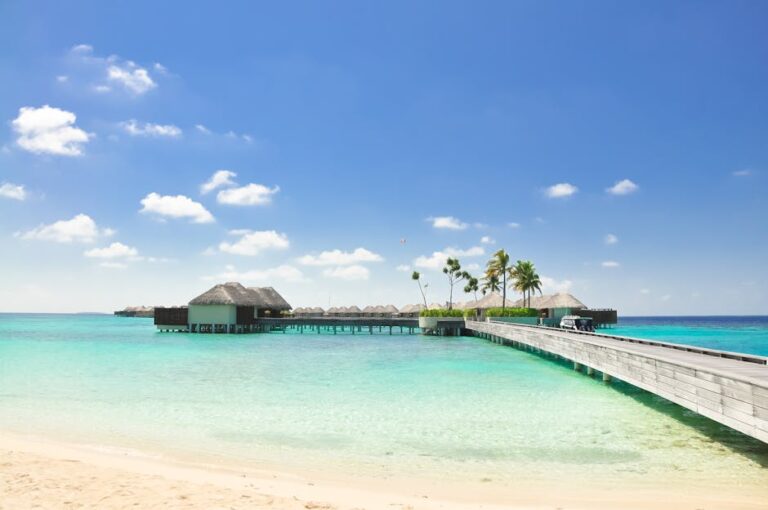
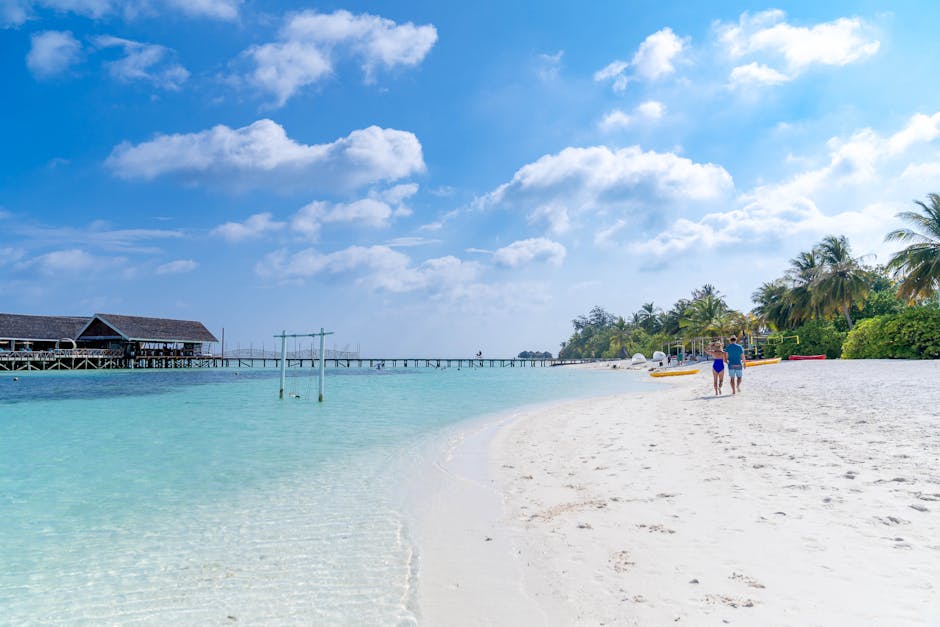
The Maldives consistently ranks among the most sought-after island destinations for exotic beach trips. Located in the Indian Ocean, this nation of over 1,000 coral islands is renowned for its overwater villas, vibrant marine life, and some of the clearest waters on Earth.
Most resorts are located on private atolls, offering direct beach access and world-class snorkeling and diving. Popular spots like Hanifaru Bay are UNESCO-protected and serve as feeding grounds for manta rays and whale sharks between June and November.
Travelers should book accommodations well in advance, especially during peak season from November to April. Pack reef-safe sunscreen, underwater cameras, and lightweight clothing. Note that the Maldives is a Muslim country, so modest dress is expected in local villages.
Seychelles: Granite Boulders and Secluded Coves
Seychelles, an archipelago of 115 islands northeast of Madagascar, offers a dramatic contrast to the flat atolls of the Maldives. Its granite rock formations, lush jungles, and secluded beaches make it a favorite for nature lovers and photographers.
Anse Source d’Argent on La Digue Island is one of the most photographed beaches in the world, with its pink-tinged sand and towering granite boulders. For a quieter experience, head to Félicité Island or the remote Aldabra Atoll, home to the world’s largest population of giant tortoises.
The best time to visit is April to May or October to November, when the weather is calm and rainfall is minimal. Flights often connect through Dubai, Doha, or Johannesburg. Be prepared for higher prices, as Seychelles caters to luxury travelers.
Bora Bora, French Polynesia: Iconic Lagoon and Mount Otemanu
Bora Bora’s iconic lagoon, framed by the volcanic peak of Mount Otemanu, makes it a bucket-list destination for romantic beach vacations. The island’s overwater bungalows and coral gardens attract honeymooners and luxury seekers from around the globe.
Snorkeling and diving here reveal vibrant coral gardens, stingrays, and blacktip reef sharks. The lagoon’s calm waters are also ideal for paddleboarding and jet skiing. For a cultural touch, visit a local pearl farm or enjoy a traditional Polynesian dinner under the stars.
Travel to Bora Bora typically involves a flight to Tahiti followed by a short domestic hop. The dry season from May to October offers the best weather. Budget for high costs—meals and activities can be expensive, so consider an all-inclusive resort package.
Palawan, Philippines: Hidden Lagoons and Limestone Cliffs
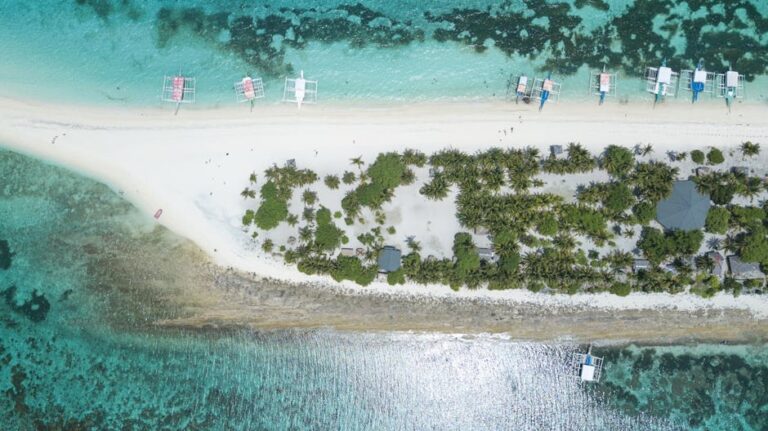
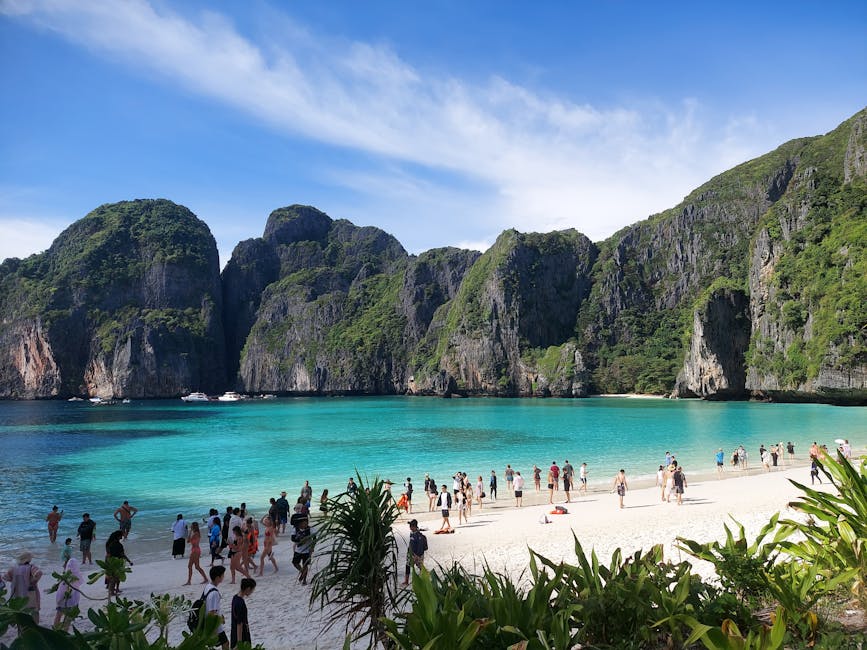
Palawan, often called the “Last Frontier” of the Philippines, is a haven for adventurers and eco-tourists. Its limestone karsts, hidden lagoons, and bioluminescent waters offer a raw, unspoiled beauty that’s hard to match.
El Nido and Coron are the most popular regions, offering island-hopping tours, kayaking through secret lagoons, and diving among WWII shipwrecks. The UNESCO-listed Puerto Princesa Subterranean River is another must-see natural wonder.
Visit between November and May for dry, sunny weather. Flights from Manila take about two hours. Be mindful of local regulations—some areas require permits, and single-use plastics are banned in many eco-resorts.
Zanzibar, Tanzania: Spice Islands and Historic Stone Town
Zanzibar, off the coast of East Africa, blends exotic beaches with rich cultural heritage. Its white-sand shores, coral reefs, and historic Stone Town—a UNESCO World Heritage Site—make it a unique blend of relaxation and exploration.
Nungwi and Paje beaches are ideal for swimming, kite surfing, and dolphin watching. The island’s spice farms offer guided tours where you can learn about cloves, vanilla, and cinnamon production.
The best time to visit is June to October or January to February. Ensure you have a valid visa and up-to-date vaccinations. Avoid swimming near mangrove areas due to strong currents and potential wildlife.
Santorini, Greece: Volcanic Beaches and Cliffside Views
While not tropical, Santorini offers a different kind of exotic beach experience with its volcanic black and red sand beaches, dramatic cliffs, and iconic blue-domed churches. It’s perfect for travelers who want Mediterranean charm with a touch of drama.
Perissa and Kamari beaches feature unique black pebble shores and clear waters. For a quieter spot, visit Vlychada or the lesser-known Red Beach near Akrotiri. Sunset views from Oia are legendary, but arrive early to avoid crowds.
Peak season runs from June to September. Book accommodations and ferries early, especially if arriving by cruise. Pack sturdy sandals for rocky beaches and a light jacket for cooler evenings.
Fiji: Friendly Locals and Crystal-Clear Waters
Fiji, made up of over 300 islands in the South Pacific, is known for its warm hospitality, coral reefs, and laid-back vibe. It’s a top choice for families, couples, and divers seeking an authentic island experience.
The Mamanuca and Yasawa Islands offer some of the best beaches and snorkeling spots. Cloudbreak, a world-famous surf break, draws experienced surfers, while the Namena Marine Reserve is a diver’s paradise.
Visit between May and October for dry, pleasant weather. Most international flights arrive in Nadi, with domestic transfers by boat or seaplane. Respect local customs—remove hats when entering villages and dress modestly away from resorts.
Malta: Mediterranean Charm and Hidden Coves
Malta, a small archipelago in the central Mediterranean, offers a mix of historic sites, limestone cliffs, and secluded beaches. It’s ideal for travelers who want culture and coastline in one trip.
Ramla Bay on Gozo is famous for its red sand and dramatic cliffs. Golden Bay and Mellieħa Bay offer family-friendly swimming with calm waters. For snorkeling, head to the Blue Hole in Dwejra.
The best time to visit is April to June or September to October. Malta is part of the EU, so travel is easy for European visitors. Public buses are affordable and cover most coastal areas.
How to Choose the Right Island Destination
Consider Your Travel Style
Are you looking for luxury, adventure, or cultural immersion? The Maldives and Bora Bora cater to high-end travelers, while Palawan and Fiji offer more budget-friendly options with outdoor activities. Seychelles and Zanzibar blend nature with history, making them great for mixed itineraries.
Check the Season and Weather
Island climates vary widely. Tropical destinations like the Maldives and Fiji have wet and dry seasons, while Mediterranean islands like Santorini and Malta have mild winters and hot summers. Always research the best time to visit to avoid monsoons, hurricanes, or peak tourist crowds.
Evaluate Accessibility and Travel Time
Some islands require multiple flights and boat transfers. Bora Bora and the Maldives involve longer journeys, while Malta and Santorini are easily reachable from Europe. Consider your tolerance for travel time and layovers when planning.
Budget Realistically
Island trips can be expensive due to transportation, accommodations, and imported goods. The Maldives and Seychelles are on the higher end, while the Philippines and Fiji offer more affordable options. Look for package deals or off-season discounts.
Respect Local Cultures and Environments
Many island communities have strong cultural traditions and fragile ecosystems. Learn a few local phrases, follow dress codes, and avoid damaging coral reefs. Support eco-friendly resorts and local businesses to travel responsibly.
Essential Tips for Exotic Beach Trips
Pack Smart for Island Life
Bring reef-safe sunscreen to protect marine life. Quick-dry clothing, a wide-brimmed hat, and UV-protective sunglasses are must-haves. A waterproof phone case and dry bag can save your electronics during boat trips.
Don’t forget a reusable water bottle and eco-friendly toiletries. Many islands have limited waste management, so minimizing plastic use helps preserve their natural beauty.
Stay Safe in the Water
Always check local conditions before swimming. Strong currents, jellyfish, and sharp coral can pose risks. Swim near lifeguard stations when possible and avoid alcohol before water activities.
When snorkeling or diving, never touch marine life or coral. Use a dive flag if exploring remote areas, and always dive with a buddy.
Protect Your Health
Drink bottled or filtered water in areas with questionable tap quality. Use insect repellent to prevent mosquito-borne illnesses like dengue or Zika. Carry a basic first-aid kit with bandages, antiseptic, and motion sickness medication.
Ensure your travel insurance covers medical evacuation, especially for remote islands with limited healthcare facilities.
Plan Activities in Advance
Popular tours, such as island-hopping in Palawan or dolphin watching in Zanzibar, can fill up quickly. Book excursions through reputable operators with good safety records.
Allow time for relaxation—don’t overpack your itinerary. Some of the best moments happen when you simply sit on the beach and watch the waves.
Sustainable Travel on Island Destinations
Islands are particularly vulnerable to climate change, over-tourism, and pollution. Choosing eco-certified accommodations, reducing plastic use, and supporting local conservation efforts can make a meaningful difference.
Look for resorts with solar power, water recycling, and community engagement programs. Participate in beach cleanups or coral restoration projects if available. Your choices as a traveler help preserve these destinations for future generations.
Final Thoughts
The best island travel destinations for exotic beach trips offer more than just stunning views—they provide transformative experiences in some of the planet’s most beautiful and fragile ecosystems. From the overwater villas of the Maldives to the hidden lagoons of Palawan, each island has its own rhythm and charm.
With thoughtful planning, cultural awareness, and a commitment to sustainability, your island getaway can be both unforgettable and responsible. Whether you’re diving among coral gardens or sipping fresh coconut water under a palm tree, these destinations promise memories that last a lifetime.
FAQ
What is the best time of year to visit tropical island destinations?
The ideal time varies by region. Generally, the dry season—November to April in the Maldives and Fiji, May to October in Bora Bora and Seychelles—offers the best weather. Avoid monsoon and hurricane seasons for safer, more enjoyable travel.
Are island destinations safe for solo travelers?
Yes, many islands are safe for solo travelers, especially popular tourist spots with established infrastructure. Stick to well-reviewed accommodations, avoid isolated areas at night, and stay informed about local conditions. Fiji and Malta are particularly welcoming to solo visitors.
How can I travel sustainably to island destinations?
Choose eco-friendly accommodations, minimize single-use plastics, support local businesses, and respect marine and cultural sites. Offset your carbon footprint when possible and participate in conservation initiatives to help preserve these fragile environments.