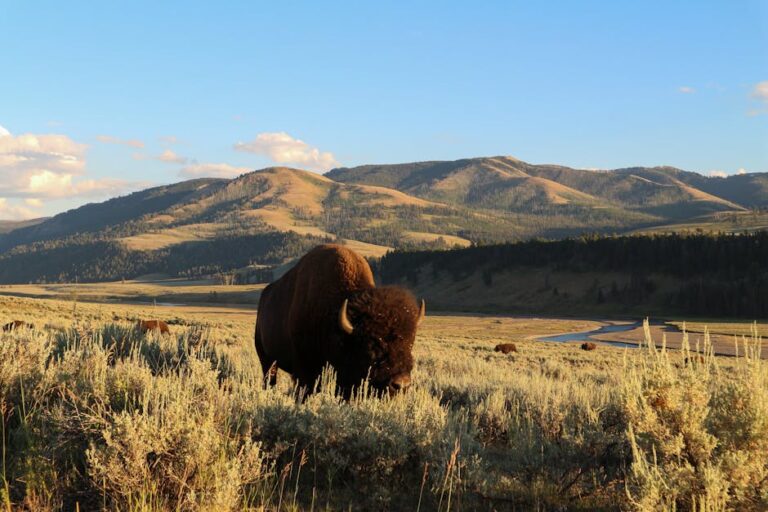

Nature Travel Guide with Safety Tips for Travelers
Exploring the natural world offers unforgettable experiences—from hiking mountain trails to kayaking through remote rivers. But without proper preparation, even the most beautiful destinations can pose real risks. This nature travel guide delivers essential safety tips for travelers, helping you enjoy the outdoors responsibly and confidently. Whether you’re planning a weekend camping trip or a multi-day trek, knowing how to stay safe in the wild is just as important as packing the right gear.
Why Safety Matters in Nature Travel
Nature is unpredictable. Weather shifts rapidly, trails can be poorly marked, and wildlife encounters may happen when you least expect them. Unlike urban environments, help isn’t always nearby. A minor injury in the city might require a quick ambulance ride, but in the backcountry, it could become life-threatening without self-reliance.
According to the National Park Service, over 1,500 search and rescue operations occur annually in U.S. national parks alone. Many of these incidents stem from preventable mistakes: poor planning, lack of navigation skills, or ignoring weather warnings. Prioritizing safety doesn’t mean sacrificing adventure—it means making smarter choices so you can return home with great stories, not regrets.
Essential Safety Tips Before You Go
Research Your Destination
Start by understanding the terrain, climate, and local hazards. Is the area prone to flash floods, avalanches, or wildfires? Check recent trail reports and park alerts. For example, hiking in Utah’s slot canyons during monsoon season can be deadly due to sudden flooding.
Use trusted sources like government park websites, ranger stations, or reputable outdoor forums. Avoid relying solely on social media posts, which may show outdated or misleading conditions.
Share Your Itinerary
Always tell someone reliable where you’re going and when you plan to return. Include details like trail names, campsite locations, and expected check-in times. If you’re traveling solo, consider using a GPS tracking app that shares your location in real time.
Better yet, leave a printed copy of your itinerary with a friend or family member. In remote areas with no cell service, this simple step can drastically reduce response time if you go missing.
Check the Weather Forecast
Weather in natural environments can change in minutes. A sunny morning in the Rockies can turn into a thunderstorm by afternoon. Use reliable weather apps and check forecasts for your specific elevation and location.
Postpone your trip if severe weather is predicted. Lightning, high winds, or heavy rain increase the risk of hypothermia, falls, and getting stranded. Remember: no view is worth risking your life.
Packing the Right Gear
The Ten Essentials
Outdoor experts recommend carrying the “Ten Essentials” on every nature trip: navigation (map and compass), sun protection, insulation (extra clothing), illumination (headlamp), first-aid supplies, fire starter, repair kit, nutrition (extra food), hydration (extra water), and emergency shelter.
These items aren’t optional—they’re your lifeline if things go wrong. For instance, a lightweight emergency bivy can prevent hypothermia if you’re caught overnight in cold weather.
Clothing and Footwear
Dress in layers using moisture-wicking fabrics. Cotton retains water and can lead to hypothermia in cool conditions. Choose hiking boots with ankle support and good traction, especially on rocky or slippery terrain.
Break in new footwear before your trip to avoid blisters. Pack extra socks and consider waterproof options if rain is likely.
Navigation Tools
Don’t rely solely on your phone. GPS devices and apps can fail due to dead batteries or poor signal. Always carry a physical map and compass—and know how to use them.
Practice basic orienteering skills before heading out. Knowing how to identify landmarks and triangulate your position can save you from getting lost.

Staying Safe on the Trail
Stick to Marked Trails
Venturing off-trail increases your risk of injury, getting lost, or damaging fragile ecosystems. Trail markers, cairns, or signs are there for a reason—follow them.
If you do get lost, stop, stay calm, and use the STOP acronym: Sit, Think, Observe, Plan. Panicking leads to poor decisions. Conserve energy and look for high ground to assess your surroundings.
Be Aware of Wildlife
Wild animals are not pets. Keep a safe distance—at least 25 yards from most wildlife and 100 yards from predators like bears and wolves. Use binoculars for viewing, not your feet.
Store food properly in bear-resistant containers or hang it at least 10 feet off the ground and 4 feet from tree trunks. Never leave food scraps or trash behind. In bear country, carry bear spray and know how to use it.
Hydration and Nutrition
Dehydration can sneak up quickly, especially at high altitudes or in hot climates. Drink water regularly, even if you don’t feel thirsty. Carry a water filter or purification tablets to refill from natural sources safely.
Pack high-energy snacks like nuts, dried fruit, and energy bars. Avoid heavy meals that can cause fatigue. Eat small amounts frequently to maintain energy levels.
Handling Emergencies in the Wild
First Aid Basics
Carry a compact first-aid kit and know how to use it. Learn to treat common injuries: cuts, sprains, insect bites, and heat exhaustion. Take a wilderness first aid course if you plan frequent trips.
For serious injuries, stabilize the person and signal for help. Use a whistle, mirror, or bright clothing to attract attention. Three blasts on a whistle is the universal distress signal.
When to Call for Help
Don’t wait too long to seek assistance. If someone is injured, lost, or in immediate danger, activate emergency services as soon as possible. In areas with cell service, call 911. Use a satellite communicator like a Garmin inReach if you’re off-grid.
Provide rescuers with your exact location, the nature of the emergency, and the number of people involved. Stay with the injured person unless you can get help faster by going alone.
Survival Priorities
In a survival situation, focus on the rule of threes: you can survive three minutes without air, three hours without shelter in extreme conditions, three days without water, and three weeks without food.
Build a shelter using natural materials or your emergency blanket. Conserve body heat by staying dry and insulated. Signal for help during daylight using bright colors or reflective surfaces.
Environmental Responsibility and Leave No Trace
Minimize Your Impact
Nature travel isn’t just about personal safety—it’s about protecting the places you visit. Follow the Leave No Trace principles: plan ahead, travel on durable surfaces, dispose of waste properly, leave what you find, minimize campfire impacts, respect wildlife, and be considerate of other visitors.

Pack out all trash, including food scraps and toilet paper. Use established campsites to avoid damaging vegetation. Never feed animals—it harms their health and can make them aggressive.
Sustainable Travel Practices
Choose eco-friendly gear made from recycled materials. Support local conservation efforts by visiting national parks and protected areas. Offset your carbon footprint when flying to remote destinations.
Consider low-impact activities like birdwatching, photography, or guided nature walks instead of motorized tours that disturb wildlife.
Special Considerations for Different Environments
Deserts
Desert travel requires extra caution. Temperatures can soar above 100°F during the day and drop below freezing at night. Carry at least one gallon of water per person per day.
Wear loose, light-colored clothing and a wide-brimmed hat. Travel during cooler morning and evening hours. Watch for signs of heatstroke: dizziness, nausea, and confusion.
Mountains
Altitude sickness affects many hikers above 8,000 feet. Symptoms include headache, fatigue, and shortness of breath. Ascend gradually and stay hydrated.
Be prepared for sudden weather changes. Snow can fall even in summer at high elevations. Carry microspikes or crampons if icy conditions are possible.
Forests and Jungles
Dense vegetation can obscure trails and increase the risk of insect-borne diseases. Use insect repellent and wear long sleeves and pants.
Watch for poisonous plants like poison ivy or stinging nettles. In tropical regions, be aware of risks like malaria or dengue fever—consult a travel clinic before your trip.
Water-Based Adventures
Whether kayaking, canoeing, or rafting, always wear a life jacket. Check water conditions and avoid strong currents or rapids beyond your skill level.
Learn to swim and practice self-rescue techniques. Carry a waterproof bag for essentials and know how to signal for help on the water.
Technology and Safety Tools
GPS Devices and Apps
Handheld GPS units and apps like Gaia GPS or AllTrails can enhance navigation. Download offline maps before your trip in case of no signal.
Use apps to share your real-time location with trusted contacts. Some devices allow two-way messaging via satellite, which is invaluable in emergencies.
Solar Chargers and Power Banks
Keep your devices charged with portable power solutions. Solar chargers work well in sunny areas, while power banks are reliable for shorter trips.

Test your gear before departure. A dead phone with no backup power can leave you stranded without communication.
Emergency Beacons
Personal locator beacons (PLBs) and satellite messengers can summon help anywhere in the world. These devices transmit your GPS coordinates to rescue teams.
While not required for every trip, they’re highly recommended for solo travelers or those venturing into remote areas with no cell coverage.
Traveling with Children and Pets
Kids in the Wild
Children require extra supervision and simpler gear. Choose shorter, easier trails and bring plenty of snacks and entertainment.
Teach kids basic safety rules: stay close, don’t touch unknown plants, and what to do if lost. Use bright clothing so they’re easy to spot.
Pet Safety
Not all trails allow pets, and some wildlife can be dangerous to dogs. Keep pets on a leash and ensure they’re up to date on vaccinations.
Bring water, food, and a pet first-aid kit. Watch for signs of overheating or exhaustion, especially in hot weather.
Final Preparations and Mindset
Know Your Limits
Be honest about your fitness level and experience. Choose trips that match your abilities. It’s better to turn back early than push too hard and risk injury.
Build skills gradually. Start with day hikes before attempting multi-day backpacking trips. Take courses in navigation, first aid, or survival skills.
Stay Calm and Flexible
Nature doesn’t follow schedules. Be prepared to change plans due to weather, trail closures, or personal fatigue. Flexibility is a key part of safe travel.
Carry a positive attitude and respect for the environment. Your mindset can make the difference between a stressful ordeal and a rewarding adventure.
FAQ
What should I do if I get lost in the wilderness?
Stop, stay calm, and use the STOP method: Sit, Think, Observe, Plan. Stay in one place if you’re unsure of your location. Use a whistle, mirror, or bright clothing to signal for help. Conserve energy and wait for rescue if you’ve shared your itinerary.
How much water should I carry for a day hike?
A general rule is to carry at least 2 liters (about half a gallon) of water per person for a full day. Increase this in hot, dry, or high-altitude environments. Always have a way to purify additional water from natural sources.
Is it safe to hike alone in nature?
Hiking alone increases risk, but it’s possible with proper preparation. Share your itinerary, carry emergency communication tools, and stick to well-marked trails. Avoid remote or hazardous areas unless you’re highly experienced and equipped.