Portugal Travel Guide: Best Places and Travel Tips
Portugal blends historic charm with coastal beauty, making it one of Europe’s most rewarding destinations. From Lisbon’s hilly streets to the sun-drenched Algarve coast, this compact country offers diverse experiences for every traveler. Whether you’re drawn to medieval castles, world-class wine, or quiet fishing villages, Portugal delivers with authenticity and warmth. This guide covers essential destinations, practical advice, and insider tips to help you plan a smooth and memorable trip.
Top Destinations in Portugal
Lisbon: The Coastal Capital
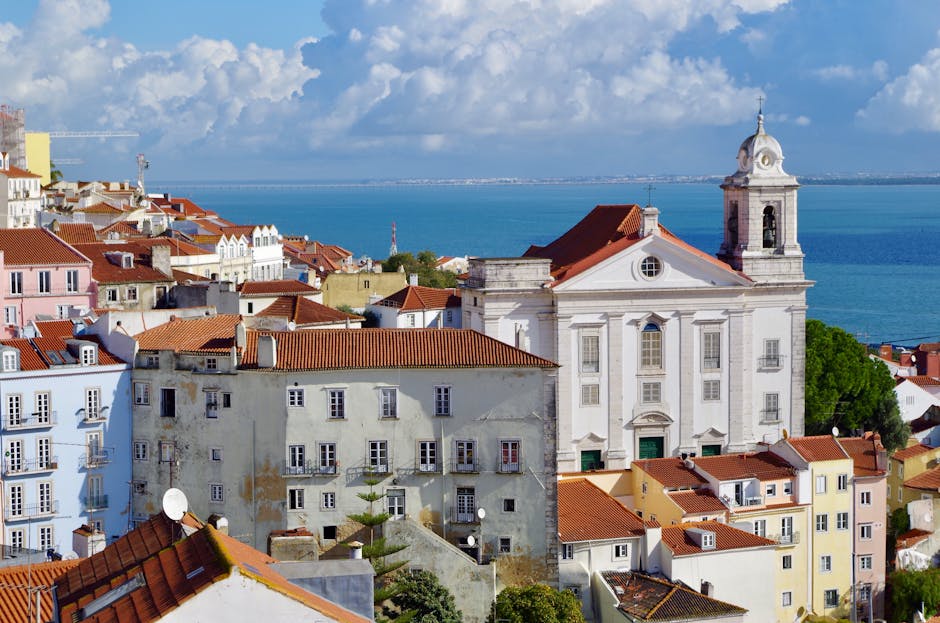
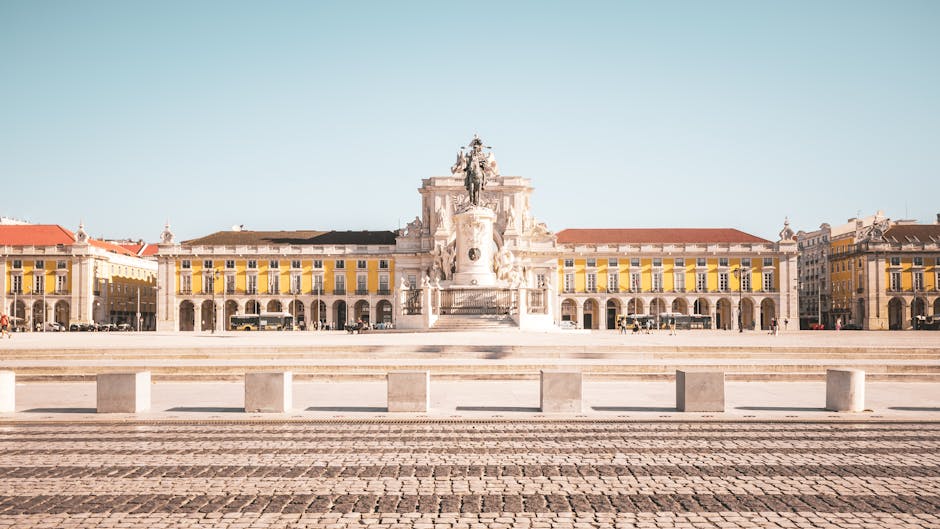
Lisbon enchants with its colorful trams, tiled buildings, and ocean views. The city’s seven hills offer panoramic vistas from spots like Miradouro da Senhora do Monte. Explore the Alfama district, where narrow alleys echo with fado music, or cross the 25 de Abril Bridge for sunset over the Tagus River.
Don’t miss the Belém Tower and Jerónimos Monastery, both UNESCO sites. For a local experience, ride Tram 28 through historic neighborhoods or sample pastéis de nata at Pastéis de Belém. Lisbon’s public transit is efficient and affordable, making it easy to navigate.
Porto: The Douro River City
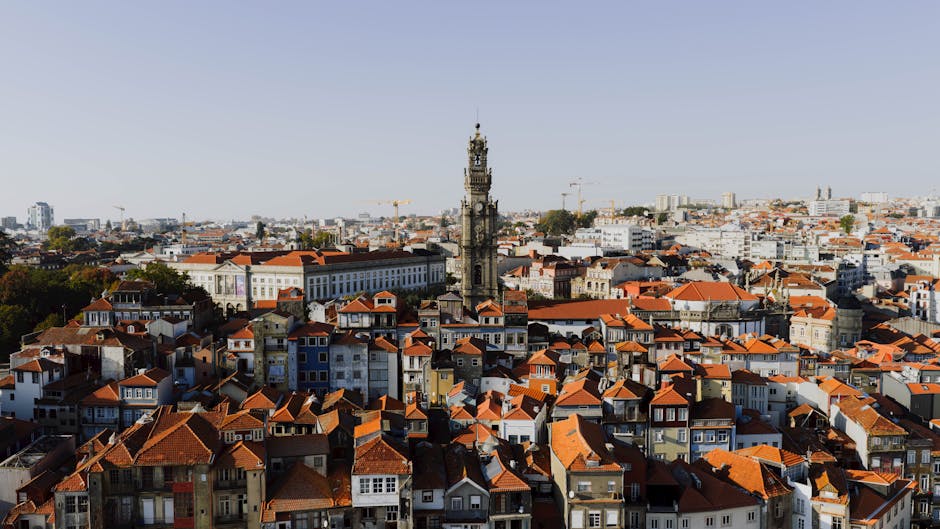
Porto, in northern Portugal, is known for its port wine, Romanesque architecture, and vibrant riverside. The Ribeira district, a UNESCO World Heritage site, buzzes with cafes and street performers. Walk across the Dom Luís I Bridge for views of the Douro River and the colorful riverside buildings.
Visit a port wine cellar in Vila Nova de Gaia for tastings and tours. Taylor’s and Graham’s are popular choices. The Livraria Lello bookstore, with its ornate staircase, inspired J.K. Rowling and is worth a visit—just expect crowds.
The Algarve: Sun, Sand, and Sea Caves
The Algarve region in southern Portugal is famous for its dramatic cliffs, golden beaches, and turquoise waters. Towns like Lagos, Albufeira, and Faro offer a mix of relaxation and adventure. Ponta da Piedade near Lagos features sea caves and rock formations best explored by boat.
While the Algarve draws summer crowds, shoulder seasons (May–June, September) offer better weather and fewer tourists. Families may prefer quieter spots like Tavira, while nightlife seekers gravitate toward Albufeira.
Sintra: A Fairytale Escape
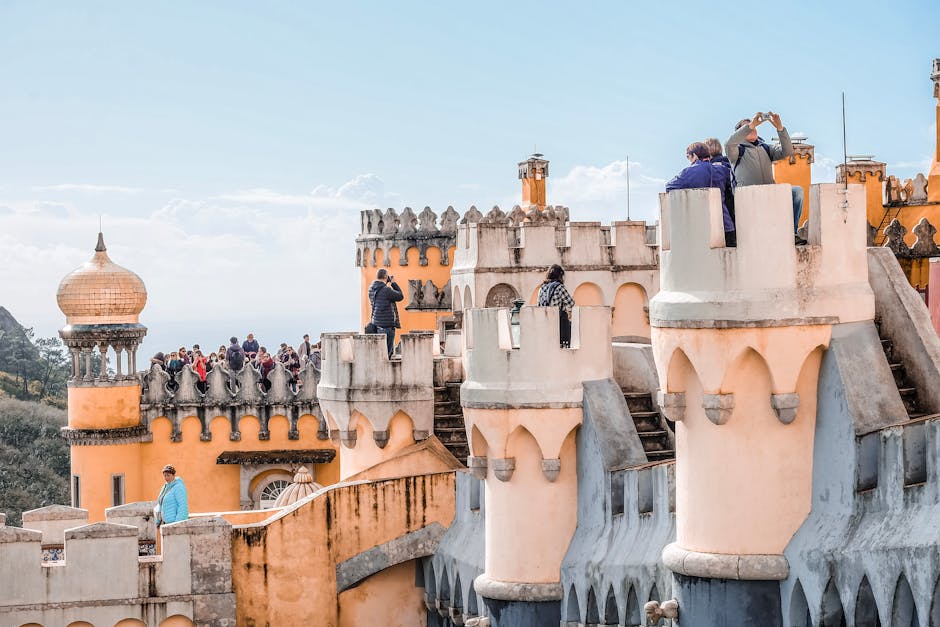
Just 30 minutes from Lisbon, Sintra feels like stepping into a storybook. This UNESCO-listed town is home to pastel-colored palaces, lush gardens, and misty hills. The Pena Palace, with its whimsical turrets and vibrant hues, is the star attraction.
Visit early to avoid crowds. Combine your trip with a stop at the Moorish Castle for panoramic views. Wear comfortable shoes—Sintra’s terrain is steep and uneven.
Coimbra: Academic Heritage and Riverside Charm
Coimbra, nestled along the Mondego River, is one of Portugal’s oldest cities and home to the University of Coimbra, founded in 1290. The Joanina Library, with its gilded interiors and thousands of ancient books, is a highlight.
The city blends academic tradition with a lively student vibe. Explore the old quarter’s cobbled streets and enjoy fado performances in intimate venues. Coimbra is ideal for travelers seeking culture without the tourist rush.
When to Visit Portugal
Portugal enjoys a Mediterranean climate with mild, wet winters and warm, dry summers. The best time to visit depends on your priorities. Spring (March to May) and early fall (September to October) offer pleasant temperatures, fewer crowds, and lower prices.
Summer (June to August) is peak season, especially in the Algarve and Lisbon. Expect heat, packed beaches, and higher accommodation costs. Winters are mild but rainy, particularly in the north. December brings festive lights and Christmas markets, especially in Porto and Lisbon.
If you’re planning a beach holiday, aim for July or August. For city exploration and hiking, spring or fall is ideal. Shoulder seasons also offer better flight deals and more availability.
Getting Around Portugal
Public Transportation
Portugal has a reliable and affordable public transport system. Trains connect major cities like Lisbon, Porto, and Faro. The Alfa Pendular and Intercidades services are fast and comfortable, with advance bookings recommended for discounts.
Buses cover routes trains don’t, including rural areas and smaller towns. Companies like Rede Expressos offer nationwide service. In cities, metro systems in Lisbon and Porto are clean and efficient. Lisbon’s metro accepts the Viva Viagem card, which can be topped up for buses and trams.
Car Rentals and Driving
Renting a car offers flexibility, especially for exploring the countryside, Douro Valley, or Algarve coast. Roads are generally well-maintained, and tolls are common on highways. Be aware that some rural areas have narrow, winding roads.
International driving permits are required for non-EU visitors. Parking in cities can be challenging and expensive. In Lisbon and Porto, consider using park-and-ride options near metro stations.
Walking and Cycling
Many Portuguese towns are pedestrian-friendly, especially historic centers. Lisbon and Porto have bike-sharing programs, and scenic routes like the Ecopista do Rio Minho are popular with cyclists. Always wear a helmet and follow traffic rules.
Walking is the best way to explore Alfama, Ribeira, or Sintra’s palace grounds. Wear sturdy shoes—cobblestones and hills are common.
Where to Stay in Portugal
Budget-Friendly Options
Hostels and guesthouses are plentiful and well-rated. In Lisbon, neighborhoods like Cais do Sodré and Intendente offer affordable stays near transit. Porto’s Ribeira and Cedofeita areas provide charm and value.
Look for “pensões” or family-run guesthouses for a local touch. Booking in advance during peak season ensures better rates and availability.
Mid-Range and Boutique Hotels
Portugal has a growing number of design-focused boutique hotels. In Lisbon, consider the Memmo Alfama or The Independente. Porto’s Yeatman Hotel offers luxury with Douro River views.
Many mid-range hotels include breakfast and are located in walkable areas. Check reviews for noise levels—some central locations can be lively at night.
Luxury and Unique Stays
For a splurge, stay in a converted palace in Sintra or a vineyard estate in the Douro Valley. The Belmond Reid’s Palace in Funchal (Madeira) offers oceanfront elegance. In the Algarve, cliff-top resorts like Vila Vita Parc provide privacy and spa services.
Consider agritourism (turismo rural) for a countryside retreat. These stays often include meals and activities like wine tastings or farm tours.
Food and Drink in Portugal
Must-Try Dishes
Portuguese cuisine is hearty and flavorful. Start with bacalhau (salted cod), prepared in countless ways—try bacalhau à brás with eggs and potatoes. Grilled sardines are a summer staple, especially during Lisbon’s Santo António festival.
Don’t skip cozido à portuguesa, a slow-cooked meat and vegetable stew, or caldo verde, a creamy kale soup. For dessert, pastéis de nata (custard tarts) are a must, best enjoyed warm with a sprinkle of cinnamon.
Wine and Local Beverages
Portugal is a wine lover’s paradise. Port wine from the Douro Valley is world-renowned—visit a lodge in Gaia for tastings. Dry reds and whites from regions like Dão and Alentejo are also excellent and often underrated.
Try vinho verde, a slightly fizzy, low-alcohol white wine perfect for warm days. Local craft beers and ginjinha (cherry liqueur) are popular in Lisbon’s bars.
Dining Tips
Portuguese restaurants often serve bread and olives before the meal—these are not free; ask if you don’t want them. Dinner is typically late, starting around 8 PM. Tipping 5–10% is appreciated but not mandatory.
Look for “menu do dia” (daily menu) for a fixed-price lunch with multiple courses—great value and authentic. Vegetarians will find options, but meat and seafood dominate menus.
Practical Travel Tips
Language and Communication
Portuguese is the official language. While English is widely spoken in tourist areas, learning a few basic phrases goes a long way. “Bom dia” (good morning), “obrigado/obrigada” (thank you), and “onde fica…?” (where is…?) are helpful.
Wi-Fi is widely available in hotels, cafes, and public spaces. Consider getting a local SIM card or eSIM for data on the go. Vodafone and MEO offer reliable coverage.
Safety and Health
Portugal is one of Europe’s safest countries. Petty crime like pickpocketing occurs in crowded areas—keep bags secure and avoid flashing valuables. Use licensed taxis or ride apps like Bolt.
EU citizens should carry a European Health Insurance Card (EHIC). Non-EU travelers should have travel insurance. Tap water is safe to drink everywhere.
Money and Payments
Portugal uses the euro (€). Credit cards are widely accepted, but smaller shops and markets may prefer cash. ATMs are common, but check for fees. Inform your bank of travel plans to avoid card blocks.
Avoid exchanging money at airports or hotels—rates are poor. Use local banks or reputable exchange offices. Tipping is appreciated but not expected.
Packing Essentials for Portugal
Pack layers, especially if visiting in spring or fall. Mornings and evenings can be cool, even in summer. Comfortable walking shoes are essential—cobblestones and hills are common.
Bring a reusable water bottle, sunscreen, and a light rain jacket. If visiting religious sites, cover shoulders and knees. For beach trips, pack a towel, flip-flops, and reef-safe sunscreen.
Don’t forget a power adapter—Portugal uses Type F plugs (230V). A small daypack is useful for sightseeing and day trips.
Day Trips and Hidden Gems
Évora: Roman Ruins and Cork Culture
In the Alentejo region, Évora is a walled city with Roman ruins, a Gothic cathedral, and the eerie Chapel of Bones. The city is known for cork production—visit a local factory to learn about this sustainable material.
Évora is about 1.5 hours from Lisbon by train or car. Combine it with a stop at the Almendres Cromlech, a prehistoric stone circle.
Douro Valley: Wine and River Cruises
The Douro Valley, a UNESCO site, is famous for terraced vineyards and scenic river cruises. Stay in a quinta (wine estate) and enjoy tastings of port and table wines. Régua and Pinhão are charming towns with train stations on the scenic Douro line.
Cruises from Pinhão offer views of vineyards and traditional rabelo boats. Book in advance during harvest season (September).
Fátima: Spiritual Pilgrimage Site
Fátima attracts millions of pilgrims annually to the Sanctuary of Our Lady of Fátima. The site includes a basilica and outdoor prayer areas. Even non-religious visitors find the atmosphere moving.
Fátima is about 1.5 hours north of Lisbon by car or bus. Visit on a weekday to avoid large crowds.
Final Thoughts
Portugal offers a rich blend of history, nature, and culture in a compact, accessible package. Whether you’re sipping port in Porto, hiking in the Alentejo, or relaxing on an Algarve beach, the country leaves a lasting impression. With thoughtful planning, you can enjoy its highlights without the stress.
Use this Portugal travel guide to shape your itinerary, avoid common pitfalls, and make the most of your time. From transport tips to local eats, these insights will help you travel confidently and authentically.
FAQ
What is the best time of year to visit Portugal?
Spring (March–May) and early fall (September–October) offer the best weather, fewer crowds, and lower prices. Summer is ideal for beaches but can be hot and busy.
Do I need a visa to travel to Portugal?
Citizens of the EU, US, Canada, Australia, and many other countries can enter Portugal for up to 90 days without a visa. Check Portugal’s official immigration site for the latest requirements.
Is Portugal expensive for tourists?
Portugal is generally affordable compared to Western Europe. Budget travelers can manage on €50–70 per day, while mid-range travelers spend €100–150. Dining and public transport are reasonably priced.