Nature Travel Guide for National Parks and Wildlife Tours
Planning a trip to a national park or wildlife reserve can be one of the most rewarding travel experiences. Whether you’re seeking solitude in mountain forests, spotting rare animals on a safari, or hiking through ancient canyons, a well-prepared nature travel guide makes all the difference. This comprehensive guide walks you through everything you need to know—from choosing the right destination and timing your visit to packing essentials and respecting wildlife. With practical tips and real-world examples, you’ll be ready to explore safely and responsibly.
Why Choose National Parks and Wildlife Tours?
National parks and wildlife tours offer unmatched access to pristine natural environments. Unlike crowded tourist hotspots, these protected areas prioritize conservation and offer authentic experiences with minimal human impact. You’ll find diverse ecosystems—from deserts and wetlands to alpine meadows and tropical rainforests—each supporting unique flora and fauna.
These destinations also support sustainable tourism. Park fees often fund conservation projects, trail maintenance, and community programs. By visiting, you contribute directly to preserving these landscapes for future generations. Plus, guided wildlife tours are led by trained naturalists who enhance your understanding of local ecosystems.
Top Destinations for Nature Travel
Choosing the right park or reserve depends on your interests, fitness level, and travel style. Some parks are ideal for families, while others cater to serious hikers or photographers. Below are standout destinations across different regions.
North America
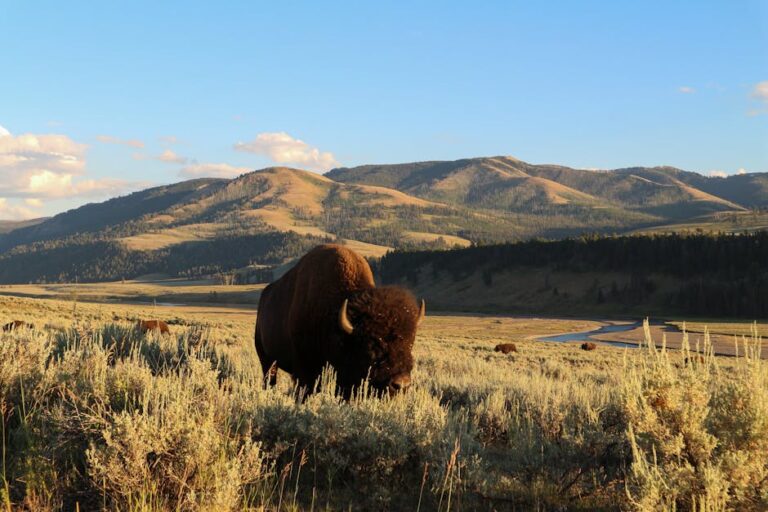
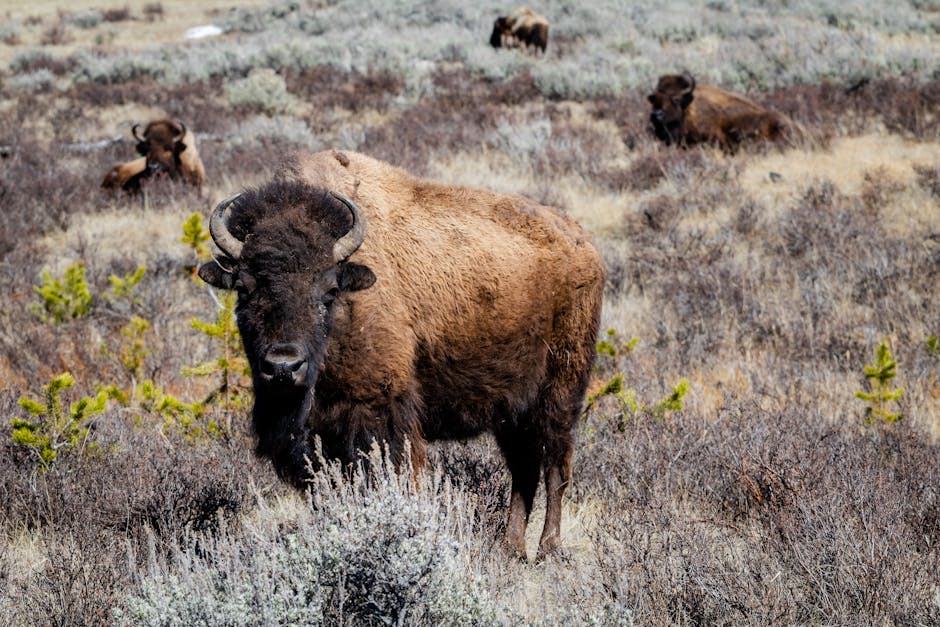
Yellowstone National Park in Wyoming is a classic choice. Known for geysers, hot springs, and abundant wildlife like bison and grizzly bears, it’s accessible year-round but best visited in late spring or early fall. For coastal beauty, consider Olympic National Park in Washington, which features rainforests, mountains, and rugged shorelines—all within one park.
For a more remote experience, Denali National Park in Alaska offers vast wilderness and the chance to see moose, caribou, and even wolves. Due to limited road access, most visitors join guided bus tours or hike with permits.
South America
Torres del Paine in Chile is a hiker’s paradise. The W Trek is a 5-day route that takes you past glaciers, turquoise lakes, and granite towers. Wildlife includes guanacos, condors, and the elusive puma. Best visited between November and March, the park requires advance booking for campsites.
In Brazil, the Pantanal is the world’s largest tropical wetland and one of the best places to see jaguars in the wild. Boat safaris and guided jeep tours increase your chances of sightings, especially during the dry season from July to October.
Africa
Serengeti National Park in Tanzania is legendary for the Great Migration, where millions of wildebeest and zebra cross the plains. The dry season (June–October) offers the best wildlife viewing. Accommodations range from luxury lodges to mobile camps that follow the herds.
For a different experience, visit Rwanda’s Volcanoes National Park to track mountain gorillas. Permits are limited and must be booked months in advance. The trek is physically demanding but unforgettable.
Asia
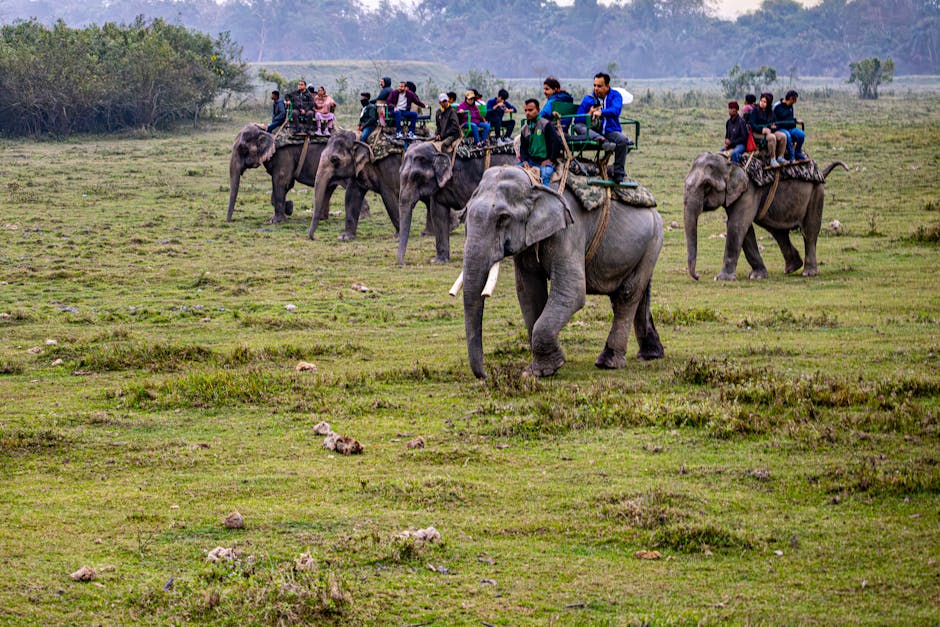
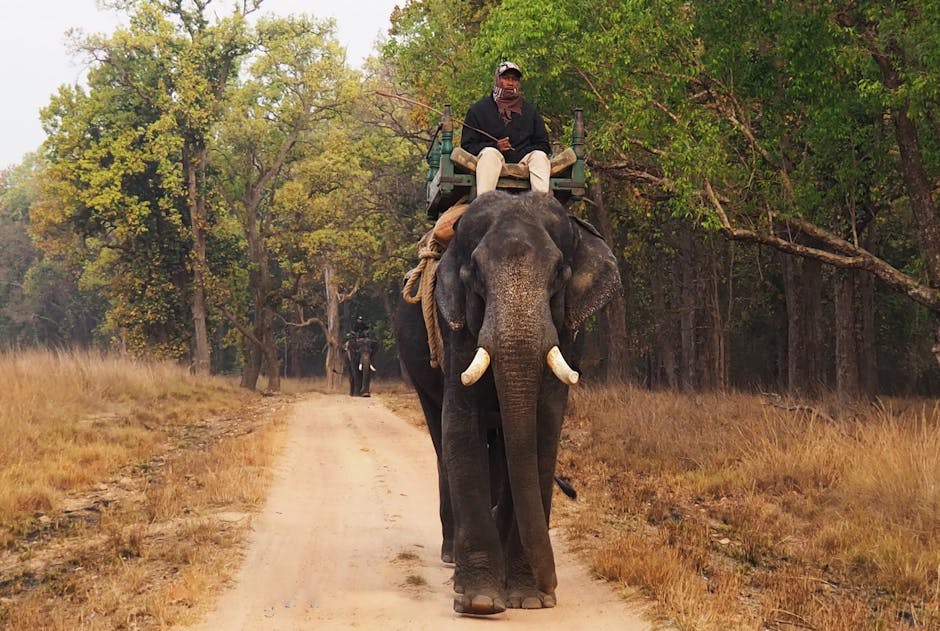
Kaziranga National Park in India is a UNESCO site and home to two-thirds of the world’s one-horned rhinos. Jeep and elephant safaris let you get close to rhinos, tigers, and water buffalo. Visit between November and April for optimal conditions.
In Japan, Yakushima Island offers ancient cedar forests and moss-covered trails. It’s a UNESCO World Heritage site and inspired the setting for the film Princess Mononoke. The island is accessible by ferry or flight and best explored with a rental car or local guide.
When to Visit: Timing Your Nature Adventure
Timing is crucial for a successful trip. Weather, animal behavior, and crowd levels vary dramatically by season. Research your destination’s climate and wildlife patterns before booking.
Seasonal Considerations
Spring (March–May) often brings mild weather and blooming wildflowers. In North America, this is ideal for visiting parks like Yosemite or Great Smoky Mountains. Wildlife is active, and trails are less crowded than in summer.
Summer (June–August) offers long days and full access to high-elevation parks, but it’s also peak tourist season. Expect higher prices and packed campgrounds. In Africa, summer is dry season—excellent for game viewing but hot in some regions.
Fall (September–November) is a favorite among seasoned travelers. Temperatures are cooler, foliage is vibrant, and animals prepare for winter. In places like Yellowstone, elk rutting season peaks in September, offering dramatic wildlife displays.
Winter (December–February) is quieter and more affordable. Some parks, like Yellowstone, offer snowshoeing and cross-country skiing. In southern destinations like South Africa or Australia, winter is actually the dry, pleasant season for safaris.
Wildlife Viewing Windows
Animals are most active during early morning and late afternoon. Plan your tours during these golden hours. In the Serengeti, the Great Migration peaks between July and September in the northern corridor. In the Galápagos, sea turtles nest from December to March.
Use local ranger stations or park websites to check recent sightings and trail conditions. Apps like iNaturalist or eBird can also help track recent wildlife activity.
How to Plan Your Trip: Step-by-Step
A successful nature trip starts with careful planning. Follow these steps to ensure a smooth and enjoyable experience.
1. Define Your Goals
Ask yourself: Are you looking for adventure, relaxation, photography, or wildlife education? Your goals will shape your destination and itinerary. A family with young children may prefer shorter hikes and visitor centers, while a solo traveler might seek multi-day backpacking routes.
2. Research Destinations
Use official park websites, travel forums, and guidebooks to compare options. Look for information on accessibility, permits, lodging, and average costs. National Geographic, Lonely Planet, and the National Park Service (NPS) offer reliable resources.
3. Book Early
Popular parks fill up quickly. In Yosemite, campgrounds can be booked up to five months in advance. For international destinations like Rwanda or the Galápagos, permits and tours often require booking 6–12 months ahead.
4. Arrange Transportation
Some parks are remote and require flights, ferries, or long drives. Renting a car gives flexibility, but check if 4WD is needed. In places like Denali or Torres del Paine, shuttle systems or guided tours may be the only way to access certain areas.
5. Pack Smart
Bring layers, rain gear, sturdy footwear, and a daypack. Don’t forget a reusable water bottle, sunscreen, insect repellent, and a first-aid kit. For wildlife photography, a telephoto lens and extra batteries are essential.
6. Prepare for Emergencies
Carry a map, compass, or GPS device. Cell service is often unavailable. Let someone know your itinerary and expected return time. Consider a personal locator beacon (PLB) for remote areas.
Essential Gear for Nature Travel
The right gear enhances comfort and safety. While needs vary by destination, some items are universally useful.
Clothing
Opt for moisture-wicking, quick-drying fabrics. Avoid cotton, which retains water and can lead to hypothermia in cold conditions. A waterproof jacket and insulated layers are must-haves for mountain or coastal parks.
Wear neutral-colored clothing to avoid startling wildlife. Bright colors can be disruptive, especially during birdwatching or predator tracking.
Footwear
Invest in well-broken-in hiking boots with ankle support and grip. Trail runners work for light hikes, but boots are better for rocky or uneven terrain. Bring extra socks and consider gaiters for muddy or snowy trails.
Navigation Tools
A physical map and compass are reliable backups. Download offline maps on your phone using apps like Gaia GPS or Maps.me. Always carry a power bank.
Wildlife Viewing Equipment
Binoculars with 8x or 10x magnification are ideal for birdwatching and safaris. A compact spotting scope helps for distant animals. For photography, a DSLR or mirrorless camera with a zoom lens captures detail without disturbing wildlife.
Safety Items
Carry a whistle, headlamp, and fire starter. In bear country, bear spray is essential and should be accessible, not buried in your pack. Know how to use it before you go.
Wildlife Viewing Ethics and Safety
Responsible behavior protects both you and the animals. Follow these guidelines to minimize your impact.
Keep Your Distance
Use binoculars or zoom lenses instead of approaching animals. The recommended distance varies: 25 yards from most wildlife, 100 yards from bears and wolves. In Africa, stay in your vehicle during safaris unless in designated areas.
Never Feed Wildlife
Feeding animals alters their behavior and can make them dependent on humans. It’s also dangerous—bears, monkeys, and even deer can become aggressive when seeking food.
Stay on Designated Trails
Straying off paths damages fragile ecosystems and increases the risk of getting lost. Trails are designed to protect both visitors and habitats.
Be Quiet and Observant
Loud noises scare animals and reduce your chances of sightings. Move slowly and pause often. Early mornings are best for hearing bird calls and animal movements.
Know Emergency Procedures
If you encounter a dangerous animal, stay calm. Back away slowly without turning your back. Make yourself look larger if charged. Report aggressive animals to park rangers immediately.
Sustainable Travel Practices
Nature travel should leave no trace. Adopt these habits to protect the places you visit.
Leave No Trace Principles
Pack out all trash, including food scraps and toilet paper. Use established campsites and fire rings. Avoid picking plants or disturbing rocks and artifacts.
Use biodegradable soap and wash at least 200 feet from water sources. This prevents contamination of lakes and streams.
Support Local Communities
Choose locally owned lodges, guides, and tour operators. This keeps money in the region and supports conservation efforts. In Costa Rica, community-based ecotourism projects offer homestays and cultural exchanges.
Offset Your Carbon Footprint
Travel inevitably has an environmental cost. Consider carbon offset programs when booking flights. Some parks also offer donation options at entrance stations.
Wildlife Tour Options: Self-Guided vs. Guided
Deciding between a self-guided trip and a guided tour depends on your experience, budget, and goals.
Self-Guided Adventures
Ideal for independent travelers who enjoy flexibility. You can move at your own pace, change plans, and explore off-the-beaten-path areas. Requires more research and preparation.
Best for well-marked parks with good infrastructure, like U.S. national parks or European nature reserves. Always inform someone of your plans and carry emergency supplies.
Guided Wildlife Tours
Led by expert naturalists, these tours offer deeper insights and higher chances of wildlife sightings. Guides know animal behavior, migration patterns, and hidden trails.
Ideal for first-time visitors, remote destinations, or specialized interests like birdwatching or photography. Tours range from budget camping trips to luxury lodges.
Look for operators with certifications from organizations like the International Ecotourism Society or local park authorities. Read reviews and ask about group size and guide qualifications.
Budgeting for Your Nature Trip
Costs vary widely based on location, duration, and style of travel. Plan ahead to avoid surprises.
Major Expenses
Flights and transportation are often the biggest costs, especially for international destinations. Domestic parks may only require gas and park fees.
Accommodation ranges from $10/night for campsites to $500+/night for luxury eco-lodges. Mid-range options include cabins, hostels, or vacation rentals.
Park entrance fees vary: U.S. national parks charge $20–$35 per vehicle, while some international parks cost $50–$100 per person. Annual passes, like the America the Beautiful pass ($80), offer savings for frequent visitors.
Ways to Save
Travel during shoulder seasons for lower prices and fewer crowds. Camp instead of staying in lodges. Cook your own meals when possible. Use public transportation or carpool to reduce costs.
Many parks offer free admission days. In the U.S., these occur several times a year, including National Public Lands Day.
Photography Tips for Nature Travel
Capturing the beauty of nature requires preparation and patience. Follow these tips for better shots.
Gear Essentials
A camera with manual settings gives you more control. A tripod stabilizes shots in low light. Extra memory cards and batteries are a must—cold weather drains power quickly.
Composition Techniques
Use the rule of thirds to balance your frame. Include foreground elements like rocks or flowers to add depth. Shoot during golden hour—shortly after sunrise or before sunset—for soft, warm light.
Wildlife Photography Ethics
Never bait animals or use calls to lure them. Avoid flash photography, which can startle or disorient animals. Respect nesting sites and breeding areas.
Patience pays off. Spend time observing animal behavior to anticipate movements and get the perfect shot.
Common Mistakes to Avoid
Even experienced travelers make errors. Learn from these common pitfalls.
Overpacking Your Itinerary
Trying to see too much in one trip leads to burnout. Focus on a few key experiences rather than rushing between parks. Allow time for rest and unexpected discoveries.
Ignoring Weather Forecasts
Weather can change rapidly in mountains or coastal areas. Check forecasts daily and be prepared to adjust plans. Hypothermia and heat exhaustion are real risks.
Underestimating Physical Demands
Trails may look easy on a map but involve steep climbs or high altitude. Train beforehand and start with shorter hikes to build endurance.
Failing to Secure Permits
Many parks require permits for camping, hiking, or wildlife tours. Apply early—some lotteries fill within minutes. Without a permit, you may be turned away at the gate.
Final Tips for a Successful Nature Trip
Preparation is key, but flexibility ensures you enjoy the journey. Stay open to changes in weather, trail conditions, or wildlife sightings.
Connect with park rangers—they’re a wealth of knowledge. Attend ranger-led programs for guided walks, night sky tours, or wildlife talks.
Keep a journal or photo log to remember your experiences. Share your trip responsibly on social media, avoiding geotagging sensitive locations to protect wildlife.
Above all, travel with respect. The goal is to enjoy nature without leaving a trace.
FAQ
What should I pack for a week-long national park trip?
Essentials include layered clothing, waterproof jacket, hiking boots, backpack, water filter, first-aid kit, map, compass, headlamp, and toiletries. Add a camera, binoculars, and bear spray if needed. Pack light but prepare for changing weather.
How far in advance should I book wildlife tours?
For popular destinations like the Galápagos, Rwanda, or Serengeti, book 6–12 months ahead. Domestic parks may only require booking a few weeks in advance, but campgrounds and permits can fill quickly during peak season.
Is it safe to hike alone in national parks?
Solo hiking is possible but requires extra caution. Choose well-marked trails, carry emergency gear, share your itinerary, and avoid remote areas without cell service. For safety, consider joining a group or hiring a guide, especially in bear or mountain lion country.