
Best Beach Travel Experiences for Every Traveler
Whether you’re chasing solitude, adventure, or family-friendly fun, the world’s coastlines offer something for everyone. The best beach travel experiences aren’t just about sun and sand—they’re shaped by culture, landscape, and what you hope to feel when you arrive. From secluded coves in Greece to bustling shores in Thailand, each destination delivers a unique rhythm. This guide helps you match your travel style to the perfect beach escape, with real-world examples and practical tips to make your next coastal getaway unforgettable.
What Makes a Beach Destination Truly Great?
A great beach is more than just clear water and soft sand. It’s about atmosphere, accessibility, and authenticity. Some travelers want quiet mornings with a book in hand; others seek vibrant nightlife or world-class surfing.
Consider the local culture, safety, infrastructure, and environmental practices. A beach may look stunning in photos but lack shade, restrooms, or lifeguards—key factors for comfort and safety.
Top-tier beach travel experiences balance natural beauty with thoughtful planning. Think of Bali’s Uluwatu, where dramatic cliffs meet consistent waves and temple views. Or Portugal’s Algarve, where sea caves and golden cliffs enhance the coastal charm.
Beach Escapes for Solo Travelers
Solo travel on the beach is about freedom and reflection. You want space to wander, meet like-minded travelers, or simply be alone with your thoughts.
Santorini, Greece, offers iconic sunsets and quiet villages perched above the Aegean. While popular, early mornings in Oia or walks along the caldera provide peaceful moments away from crowds.
For a more offbeat solo adventure, consider Nosy Be in Madagascar. This island combines turquoise waters with lush jungles and minimal tourist infrastructure. It’s ideal for those who enjoy slow travel and spontaneous exploration.
Safety and Connectivity Tips
Always research local conditions before arriving. Check if your destination has reliable Wi-Fi, medical facilities, and safe transportation options.
Share your itinerary with someone back home. Use apps like Maps.me for offline navigation, especially in remote areas.
Avoid isolated beaches at night unless you’re with a trusted guide or group. Even in safe regions, it’s wise to stay aware of your surroundings.
Family-Friendly Beach Destinations
Families need beaches with calm waters, nearby amenities, and activities for all ages. Safety and convenience are top priorities.
Maui’s Kaanapali Beach in Hawaii is a standout. The wide, sandy shoreline has gentle waves perfect for young swimmers. Resorts line the coast, offering kids’ clubs, snorkeling tours, and cultural shows.
In Europe, Costa del Sol in Spain provides a mix of sandy beaches, shallow waters, and family-oriented resorts. Towns like Marbella and Torremolinos have lifeguards, playgrounds, and easy access to restaurants.
What to Pack for Kids
Bring reef-safe sunscreen, UV-protective clothing, and a compact beach tent for shade. Pack water shoes to protect feet from sharp coral or hot sand.
Snacks and reusable water bottles keep kids energized and hydrated. Consider a waterproof phone case for capturing underwater moments during snorkeling.
Check if your hotel offers cribs, high chairs, or babysitting services. These small details can make a big difference in comfort.
Adventure Seekers: Beaches with a Thrill
For travelers who crave action, the best beach travel experiences include surfing, diving, or cliff jumping.
Hossegor in France’s Basque Country is a surfer’s paradise. Known for powerful Atlantic swells, it hosts international competitions and has schools for beginners.

In Mexico, Tulum offers more than just bohemian vibes. The nearby cenotes—natural sinkholes filled with fresh water—are perfect for snorkeling and cave diving.
Surfing and Water Sports Basics
Beginners should take a lesson from a certified instructor. Never surf alone, especially in unfamiliar waters with strong currents.
Rent gear from reputable shops that inspect equipment regularly. Check weather and tide reports before heading out.
Respect local surf etiquette. Wait your turn, don’t drop in on others, and yield to those closer to the peak.
Romantic Beach Getaways for Couples
Romance on the beach is about intimacy, scenery, and shared moments. Think candlelit dinners on the sand, sunset walks, and private villas.
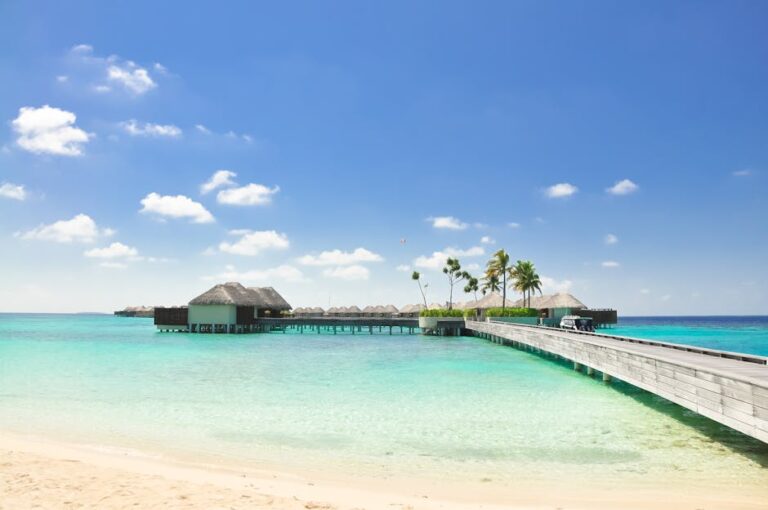
The Maldives delivers luxury and seclusion. Overwater bungalows, personal butlers, and bioluminescent beaches create a dreamlike setting.
For a more affordable option, consider the Amalfi Coast in Italy. Positano’s colorful cliffs, lemon groves, and cliffside restaurants offer old-world charm with Mediterranean flair.
Planning a Memorable Beach Date
Book a private beach dinner in advance. Many resorts offer setups with lanterns, flowers, and local cuisine.
Take a sunset sail or kayak tour. These activities provide quiet time together and stunning photo opportunities.
Avoid overly touristy spots if you prefer privacy. Research quieter coves or less-crowded times of day.
Budget-Friendly Beach Destinations
You don’t need a luxury resort to enjoy an amazing beach. Some of the best beach travel experiences are found in affordable, less-developed regions.
Vietnam’s Da Nang offers long sandy beaches, delicious street food, and easy access to cultural sites like Hoi An. Accommodations range from hostels to mid-range hotels.
In Central America, Nicaragua’s San Juan del Sur is gaining popularity for its surf breaks and low costs. Hostels, local eateries, and public buses make it accessible for budget travelers.
Money-Saving Tips
Travel during the shoulder season—just before or after peak months. You’ll find lower prices and fewer crowds.
Eat where locals eat. Street food and family-run restaurants often serve fresh seafood at a fraction of resort prices.
Use public transportation or rent a scooter instead of taxis. It’s cheaper and gives you more freedom to explore.
Eco-Conscious Beach Travel
Responsible travel protects the very places we love. The best beach experiences now include sustainability as a core value.
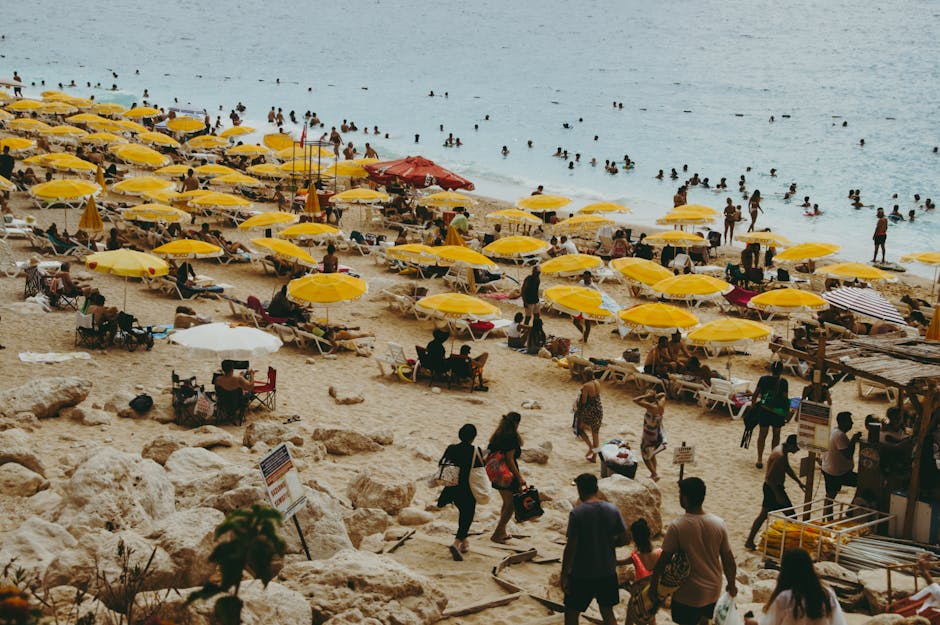
Costa Rica leads in eco-tourism. Beaches like Manuel Antonio combine wildlife viewing with low-impact lodging and conservation efforts.
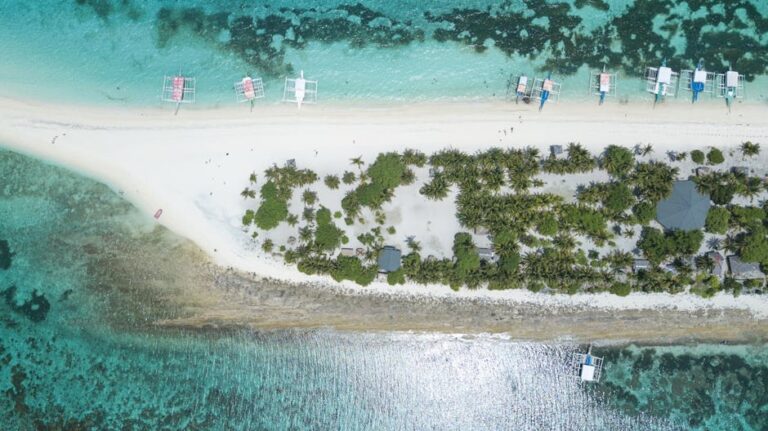
In the Philippines, Palawan’s El Nido promotes community-based tourism. Locals manage tours, and fees support reef protection and waste management.
How to Travel Sustainably
Choose accommodations with eco-certifications or clear sustainability practices. Look for solar power, water conservation, and plastic reduction.
Never touch coral or feed marine life. Use reef-safe sunscreen to prevent chemical damage to ecosystems.
Carry a reusable water bottle, utensils, and shopping bag. Avoid single-use plastics whenever possible.
Hidden Gems: Underrated Beach Destinations
Skip the overcrowded hotspots and discover beaches that offer beauty without the bustle.
Koh Lanta in Thailand remains quieter than Phuket or Koh Phi Phi. Its long beaches, fishing villages, and national parks appeal to travelers seeking authenticity.
In Croatia, the island of Vis feels frozen in time. With limited development and crystal-clear waters, it’s perfect for hiking, swimming, and exploring ancient ruins.
How to Find Your Own Hidden Beach
Use local travel blogs and forums to uncover lesser-known spots. Ask residents for recommendations—they often know the best-kept secrets.
Visit during off-peak seasons when popular beaches are less crowded, and hidden ones feel even more special.
Consider islands or coastal towns that aren’t on major cruise routes. These often retain more character and charm.
Packing Essentials for Any Beach Trip
Smart packing ensures comfort and convenience, no matter your destination.
Start with a lightweight, quick-dry towel and a wide-brimmed hat. Add polarized sunglasses to reduce glare off the water.
Pack a waterproof dry bag for electronics and documents. Even if you’re not swimming, humidity and sand can damage gear.
Don’t Forget These Often-Overlooked Items
A small first-aid kit with bandages, antiseptic, and motion sickness tablets. Include insect repellent if you’re near mangroves or jungles.
A portable phone charger. Many beaches lack outlets, and navigation apps drain batteries quickly.
Waterproof sandals. They protect your feet from hot sand, sharp shells, and rocky shores.
When to Visit: Timing Your Beach Trip
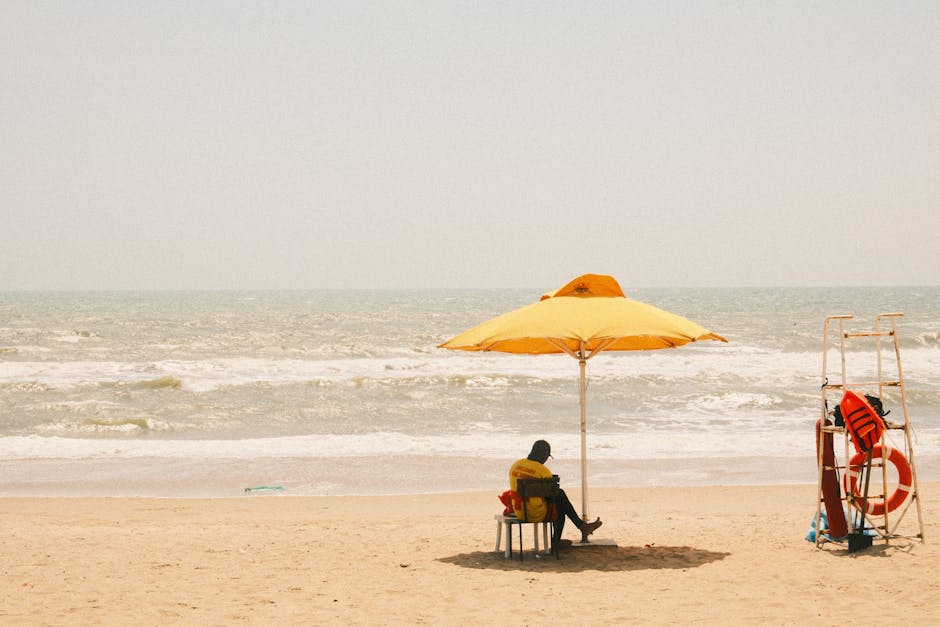
Timing affects weather, crowds, and prices. The best beach travel experiences often depend on when you go.
In the Caribbean, December to April offers dry, sunny weather—but also peak prices and crowds. May and November are shoulder months with fewer tourists.
Southeast Asia has a monsoon season. Avoid Thailand’s Andaman Coast from May to October, when rains and rough seas are common.
How to Check Seasonal Conditions
Use weather websites like AccuWeather or Windy to track forecasts and historical patterns.
Read recent traveler reviews on platforms like TripAdvisor or Google Maps. They often mention current conditions and crowd levels.
Contact your accommodation directly. Staff can advise on the best times to visit nearby attractions or beaches.
Cultural Etiquette at the Beach
Respect local customs to ensure a positive experience for everyone.
In many Muslim-majority countries, such as Morocco or Indonesia, swimwear should be modest. Women may need to cover shoulders and knees.
Avoid loud music or public displays of affection in conservative areas. Observe how locals behave and follow their lead.
Photography Tips
Always ask before photographing people, especially children. In some cultures, it’s considered intrusive or disrespectful.
Be mindful of sacred sites. Temples, shrines, or burial grounds near beaches often have photography restrictions.
Use a zoom lens to capture landscapes without disturbing wildlife or other visitors.
Final Thoughts: Choosing Your Perfect Beach Escape
The best beach travel experiences come from aligning your destination with your travel style, budget, and values. Whether you’re solo, with family, or seeking adventure, there’s a shoreline waiting for you.
Do your research, pack wisely, and travel with respect. The world’s beaches are diverse, fragile, and full of wonder—treat them well, and they’ll reward you with memories that last a lifetime.
FAQ
What is the best time of year to visit tropical beaches?
The ideal time varies by region. In general, avoid monsoon seasons—typically May to October in Southeast Asia and June to November in the Caribbean. Shoulder months like April or November often offer good weather with fewer crowds.
Are all beach destinations safe for swimming?
Not always. Check for lifeguard presence, warning signs, and local advice. Strong currents, rip tides, and marine life can pose risks. Always swim near designated areas and avoid swimming alone.
How can I find eco-friendly beach accommodations?
Look for certifications like Green Key, EarthCheck, or local sustainability labels. Read recent guest reviews and check if the property uses renewable energy, reduces plastic, and supports conservation efforts.