Mexico Travel Guide: Best Beaches and Travel Tips
Mexico offers some of the most beautiful coastlines in the world, from turquoise waters and white-sand beaches to vibrant coral reefs and laid-back surf towns. Whether you’re planning a luxury resort getaway or a backpacker’s coastal adventure, this guide covers the best beaches in Mexico and essential travel tips to help you make the most of your trip. We’ll highlight top destinations, seasonal advice, safety considerations, and practical insights to ensure a smooth and memorable experience.
Top Beaches to Visit in Mexico
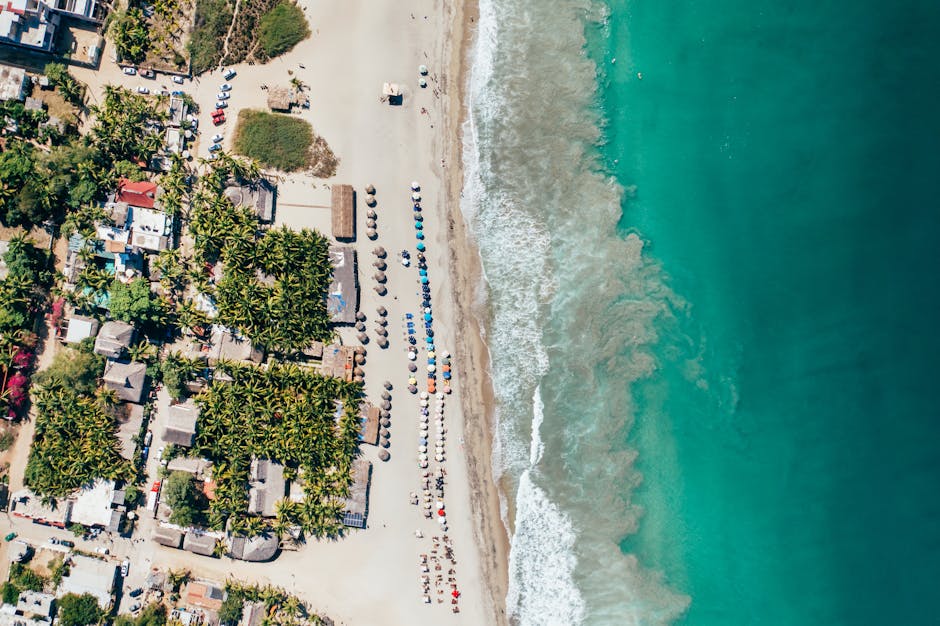
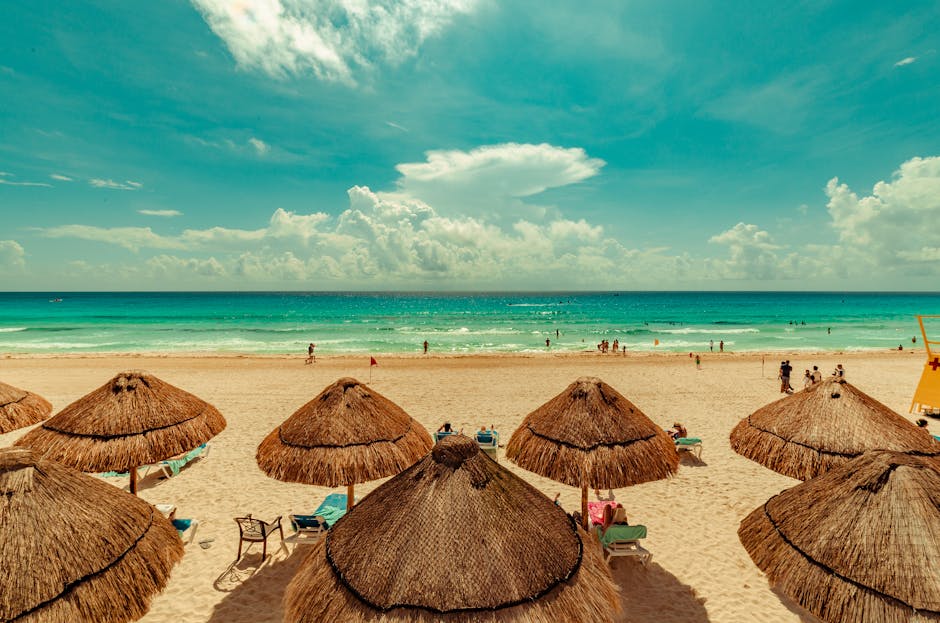
With over 9,000 kilometers of coastline along the Pacific Ocean, Caribbean Sea, and Gulf of Mexico, Mexico’s beaches cater to every traveler. Below are standout destinations that combine natural beauty, accessibility, and unique local charm.
Tulum, Quintana Roo
Tulum blends bohemian vibes with ancient history. Its beaches feature soft white sand and shallow, clear waters ideal for swimming and snorkeling. The iconic Mayan ruins perched on a cliff above the shore add a dramatic backdrop.
Popular beach clubs like Papaya Playa Project and Ahau Tulum offer day passes with food, drinks, and lounge areas. For a quieter experience, head north toward Gran Cenote or south to Punta Allen, where mangrove tours and fishing villages await.
Playa del Carmen, Quintana Roo
Just south of Cancún, Playa del Carmen is a lively hub with a mix of high-end resorts, boutique hotels, and backpacker hostels. Its central beach stretches along Quinta Avenida, a pedestrian-only street lined with shops, restaurants, and bars.
The beach itself is wide and sandy, though it can get crowded during peak season. For better water quality and fewer people, take a short ferry ride to Cozumel or visit Xpu-Ha Beach, known for its calm waters and family-friendly atmosphere.
Cabo San Lucas, Baja California
At the southern tip of the Baja Peninsula, Cabo San Lucas is famous for its dramatic rock formations, including El Arco, where the Pacific meets the Sea of Cortez. The area offers a range of beaches, from party-centric Medano Beach to secluded coves like Lover’s Beach.
Medano Beach is the most accessible and safest for swimming, with lifeguards on duty and plenty of beachfront restaurants. For snorkeling, head to Chileno Bay or Santa Maria Bay, both protected marine areas with abundant sea life.
Sayulita, Nayarit
This once-quiet fishing village has become a favorite among surfers and digital nomads. Sayulita’s main beach is perfect for beginners learning to surf, with gentle waves and several schools offering lessons.
The town has a relaxed, artistic vibe with colorful murals, open-air markets, and beachfront cafes. For a quieter escape, visit nearby San Pancho (San Francisco), a neighboring village with a long, uncrowded beach and a strong community focus.
Puerto Escondido, Oaxaca
Known as the “Mexican Pipeline” for its powerful waves, Puerto Escondido is a surfer’s paradise. Zicatela Beach hosts international competitions and draws experienced surfers, while Playa Principal offers calmer waters for swimming and sunbathing.
The town has a raw, authentic feel compared to more touristy destinations. Local seafood is exceptional—try fresh ceviche at a beachfront palapa. Visit between November and March for the best weather and wave conditions.
Isla Mujeres, Quintana Roo
A short ferry ride from Cancún, Isla Mujeres is a compact island with pristine beaches and a slow-paced lifestyle. Playa Norte is the star—shallow, calm waters make it ideal for swimming, paddleboarding, and snorkeling.
Rent a golf cart to explore the island, including the southern cliffs and Garrafón Natural Park. The island is car-free in many areas, which adds to its charm and tranquility.
Best Time to Visit Mexico’s Beaches
Timing your trip can significantly impact your experience. Mexico’s climate varies by region, but general patterns help guide planning.
Peak Season: December to April
This is the most popular time to visit, with dry weather, sunny skies, and comfortable temperatures. It’s ideal for beach activities, snorkeling, and exploring coastal towns.
However, it’s also the busiest and most expensive period. Book accommodations and flights well in advance, especially around holidays like Christmas, New Year’s, and Semana Santa (Holy Week).
Shoulder Season: May to June, October to November
These months offer a balance of good weather and fewer crowds. May and June are warm but not yet in the rainy season, while October and November follow the hurricane season and see lower prices.
Rain is more likely in the afternoons during these months, but storms are usually brief. This is a great time for travelers seeking value and solitude.
Low Season: July to September
Summer brings higher humidity and frequent afternoon showers, especially on the Caribbean coast. The Pacific side tends to be drier, making destinations like Puerto Vallarta and Sayulita more appealing.
Hurricane season runs from June to November, with peak activity in August and September. Monitor weather forecasts and consider travel insurance. Despite the rain, this season offers the best deals on flights and hotels.
Essential Travel Tips for Mexico
A smooth trip starts with smart preparation. These practical tips will help you navigate transportation, safety, money, and local customs.
Getting Around
Domestic flights are efficient for long distances—Aeroméxico and Volaris connect major beach destinations. For shorter trips, buses are affordable and comfortable; companies like ADO and Primera Plus serve the Yucatán Peninsula and Gulf Coast.
Renting a car gives flexibility, especially in less touristy areas. Stick to toll highways (cuotas) when possible—they’re safer and faster than free roads. Always check rental insurance coverage and avoid driving at night in rural areas.
Staying Safe
Mexico is generally safe for tourists, but petty crime like pickpocketing and bag snatching occurs in crowded areas. Keep valuables secure, avoid displaying expensive items, and use hotel safes.
Stick to well-lit, populated areas at night. In beach towns, be cautious of strong currents and riptides—look for warning flags and ask locals or lifeguards before swimming. Avoid isolated beaches after dark.
Money and Payments
The Mexican peso (MXN) is the local currency. While major resorts and tour operators accept credit cards, smaller businesses and markets often operate on cash only.
ATMs are widely available in cities and beach towns. Use bank-affiliated machines in secure locations to reduce fraud risk. Notify your bank of travel plans to avoid card blocks.
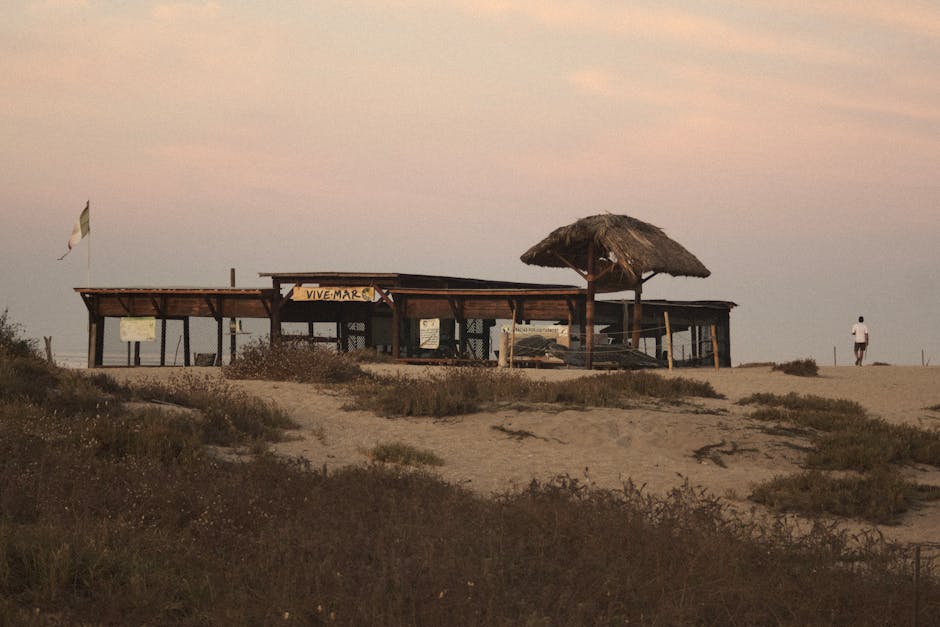
Language and Etiquette
Spanish is the official language, though English is common in tourist areas. Learning basic phrases like “gracias” (thank you), “por favor” (please), and “¿habla inglés?” (do you speak English?) goes a long way.
Mexicans are generally warm and polite. Tipping is customary—10–15% at restaurants, a few pesos for hotel staff, and small amounts for tour guides. Always ask before photographing people, especially in indigenous communities.
What to Pack for a Beach Trip in Mexico
Packing smart ensures comfort and convenience. Focus on lightweight, breathable clothing and sun protection.
Clothing and Footwear
Bring quick-dry fabrics, swimsuits, cover-ups, and a light jacket for cooler evenings. Flip-flops are fine for the beach, but sturdy sandals or water shoes are better for rocky shores or hiking.
A wide-brimmed hat, sunglasses, and a reusable water bottle are essentials. If visiting during rainy season, pack a compact rain jacket or travel umbrella.
Sun and Health Protection
The sun in Mexico is intense, even on cloudy days. Use reef-safe sunscreen (SPF 30 or higher) and reapply every two hours, especially after swimming.
Consider bringing a portable UV umbrella or pop-up tent for shade. Stay hydrated—drink bottled or purified water to avoid stomach issues. Pack a basic first-aid kit with bandages, antiseptic, and any personal medications.
Electronics and Documents
Bring a waterproof phone case or dry bag for beach days. A power bank is useful for long days out. Don’t forget adapters if your devices use non-Mexican plugs.
Keep digital and physical copies of your passport, visa (if required), travel insurance, and emergency contacts. Store them separately from the originals.
Food and Drink Recommendations
Mexican coastal cuisine is fresh, flavorful, and deeply tied to local ingredients. Don’t miss these regional specialties.
Must-Try Dishes
Ceviche is a staple—raw fish marinated in lime juice with onions, cilantro, and chili. Try it at beachside stands in Puerto Escondido or Mazatlán.
Fish tacos, often served with cabbage slaw and chipotle mayo, are popular in Baja California. Look for grilled or beer-battered options at street vendors.
For something heartier, order pescado zarandeado—a whole grilled fish marinated in spices, commonly found in Nayarit and Sinaloa.
Drinks to Enjoy
Agua fresca, made with fresh fruit, water, and a touch of sugar, is refreshing and widely available. Flavors include tamarind, hibiscus (jamaica), and watermelon.
Mezcal and tequila are Mexico’s signature spirits. Try a smoky mezcal in Oaxaca or a classic margarita in Cabo. Always drink responsibly and avoid tap water.
Sustainable Travel Practices
Mexico’s natural beauty is fragile. Travelers can help preserve it by making eco-conscious choices.
Protect Marine Life
Choose reef-safe sunscreen to prevent coral damage. Avoid touching or stepping on coral while snorkeling or diving. Never feed or chase marine animals.
Support eco-certified tour operators that follow responsible practices. Look for certifications like EarthCheck or Blue Flag beaches.
Reduce Plastic Use
Carry a reusable water bottle with a filter. Many hotels and public places have refill stations. Say no to single-use plastics like straws and bags.
Dispose of trash properly—littering harms wildlife and pollutes coastlines. Participate in beach cleanups if available.
Respect Local Communities
Buy from local artisans and eat at family-run restaurants. Avoid overly commercialized souvenirs made outside Mexico.
Learn about local customs and support community-based tourism initiatives. Your spending can directly benefit residents and conservation efforts.
FAQ
What is the safest beach in Mexico for families?
Playa Norte on Isla Mujeres is one of the safest due to its shallow, calm waters and lifeguard presence. Medano Beach in Cabo San Lucas is also family-friendly, with clear waters and nearby amenities.
Do I need a visa to visit Mexico?
Citizens of the U.S., Canada, the EU, and many other countries do not need a visa for stays up to 180 days. You’ll receive a tourist permit (FMM) upon arrival. Check Mexico’s official immigration website for the latest requirements.
Is it safe to drink tap water in beach towns?
No. Stick to bottled or purified water, even for brushing teeth. Ice in reputable restaurants is usually safe, but avoid it in street stalls or small vendors.
Final Thoughts
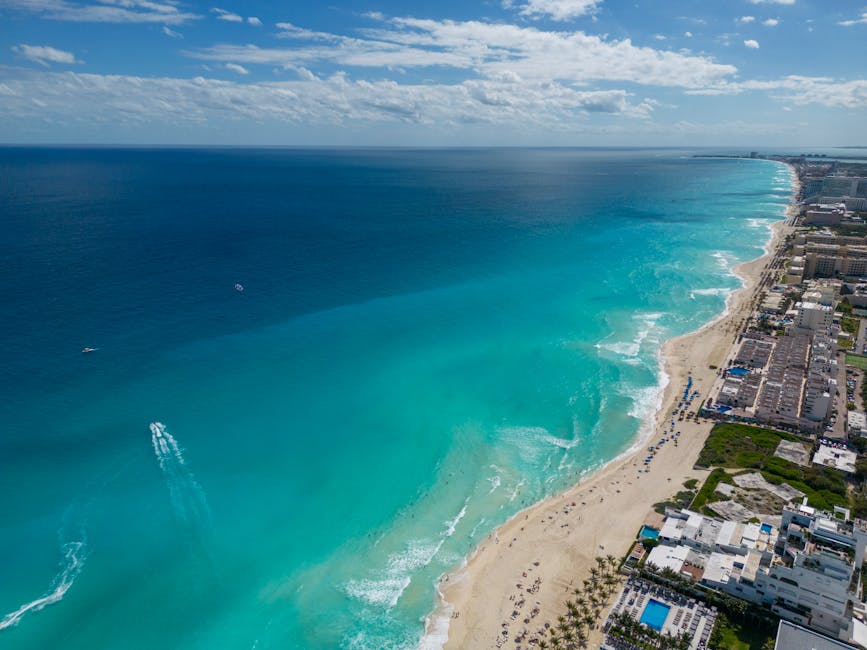
Mexico’s beaches offer something for every traveler—whether you’re seeking adventure, relaxation, or cultural immersion. From the vibrant shores of Cancún to the hidden coves of Oaxaca, the country’s coastline is as diverse as it is beautiful.
With the right planning, you can enjoy a safe, enjoyable, and enriching trip. Use this Mexico travel guide to choose your ideal destination, pack wisely, and travel responsibly. The memories you make will last long after the tan fades.