Best Travel Tips for Exploring Cities Efficiently
Exploring a new city doesn’t have to mean running from one landmark to the next. With smart planning and a few proven strategies, you can see more in less time—without burning out. The best travel tips for exploring cities efficiently focus on preparation, local insights, and smart use of time and resources. Whether you’re visiting Tokyo, Paris, or Buenos Aires, these methods help you move through urban environments with confidence and ease.
Efficiency isn’t about rushing—it’s about maximizing your experience. By choosing the right tools, routes, and routines, you’ll spend less time lost, waiting, or overwhelmed. This guide covers practical steps to help you navigate any city like a seasoned traveler, from day one.
Plan Your Route Before You Go
One of the biggest time-wasters in city travel is poor navigation. Spending 20 minutes figuring out how to get from a museum to a café adds up quickly. Instead, plan your daily routes in advance using a map app like Google Maps or Citymapper.
Group attractions by neighborhood. For example, in Barcelona, cluster visits to the Gothic Quarter, Picasso Museum, and La Rambla on the same day. This minimizes backtracking and public transit transfers. Use the “Save” feature in Google Maps to bookmark must-see spots and create custom walking routes.
Use Public Transit Like a Local
Walking is ideal for short distances, but most cities require public transportation to cover ground efficiently. Research the local metro, bus, or tram system before arrival. Many cities offer day passes or tourist cards that include unlimited rides and entry to top attractions.
In cities like London or Berlin, an Oyster Card or Berlin WelcomeCard can save both time and money. Avoid taxis or ride-shares for routine trips—they’re often slower due to traffic and more expensive than trains or buses.
Avoid Peak Hours When Possible
Timing matters. Rush hour in major cities can turn a 15-minute subway ride into a 45-minute ordeal. If your schedule allows, visit popular sites early in the morning or late afternoon. Museums and landmarks are often less crowded right when they open or just before closing.
For example, the Louvre in Paris sees fewer visitors at 9 a.m. than at noon. Similarly, Tokyo’s Shibuya Crossing is easier to navigate before 8 a.m. or after 7 p.m. Planning around peak times helps you move faster and enjoy a more relaxed experience.
Pack Light and Dress Smart
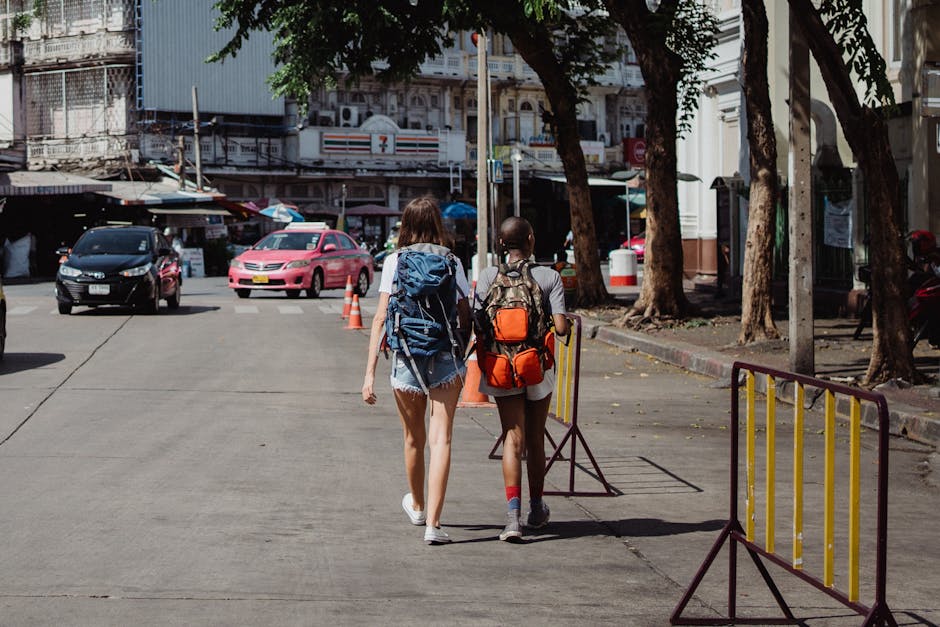
Carrying heavy luggage slows you down and limits mobility. Stick to a carry-on backpack or small suitcase with only essentials. Choose clothing that’s comfortable, weather-appropriate, and easy to layer.
Wear supportive walking shoes—blisters can ruin a day of sightseeing. In cities like Rome or Prague, cobblestone streets demand sturdy footwear. Avoid flashy jewelry or expensive accessories that might draw unwanted attention.
Use a Crossbody Bag for Security
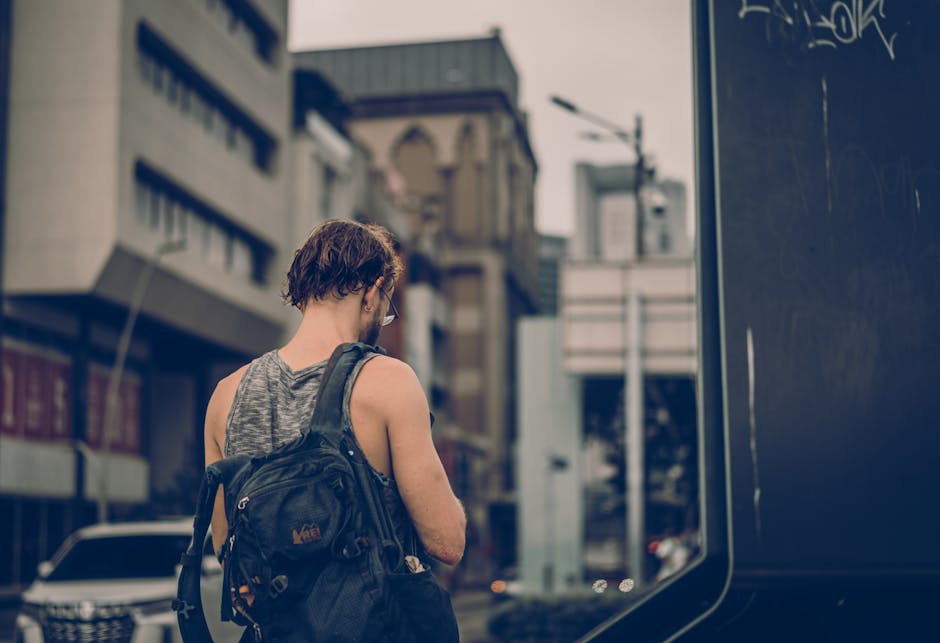
Pickpocketing is a real risk in crowded tourist areas. A crossbody bag with a zipper and worn across your front keeps your phone, wallet, and passport secure. Look for anti-theft models with slash-proof straps and RFID-blocking pockets.
In cities like Barcelona or Bangkok, thieves often target distracted tourists. Keep your bag closed and avoid placing valuables in back pockets. A small money belt worn under your clothes adds an extra layer of protection.
Leverage Technology Wisely
Smartphones are powerful travel tools—if used correctly. Download offline maps before your trip. Google Maps allows you to save areas for offline use, which is helpful when cellular data is spotty or expensive.
Use translation apps like Google Translate with camera mode to read menus or signs instantly. In Tokyo or Seoul, pointing your phone at a restaurant menu can translate dishes in seconds. Enable location sharing with a trusted contact for safety.
Download Local Transit Apps
Many cities have dedicated transit apps that provide real-time updates, route planning, and service alerts. For example, Citymapper works in over 80 cities and includes bike-sharing and ride-hail options. In New York, the MYmta app gives live subway arrival times.
These apps reduce uncertainty and help you avoid missed connections. Always check for service disruptions before heading out, especially during holidays or major events.
Prioritize Experiences Over Checklists
It’s tempting to try and see everything, but efficiency means focusing on quality over quantity. Instead of rushing through 10 museums in three days, choose two or three that truly interest you and spend real time there.
For instance, instead of a quick photo stop at the Eiffel Tower, book a timed entry ticket and enjoy the view from the second floor. Or skip the long line at the Colosseum by booking a guided tour that includes the underground chambers.
Use Timed Entry Tickets
Popular attractions often sell timed entry tickets online. These let you skip the line and enter at a specific time. In cities like Rome, London, or Amsterdam, this can save an hour or more per site.
Book tickets at least a few days in advance, especially during peak season. Some venues release tickets monthly—mark your calendar. Always print or save digital copies to your phone.
Eat Like a Local
Dining can eat up a big chunk of your day. Avoid tourist traps near major attractions, where prices are high and food is often mediocre. Instead, eat where locals eat.
Look for small cafes, food markets, or street food stalls. In Bangkok, try a bowl of pad thai from a vendor in Chinatown. In Mexico City, grab tacos al pastor from a late-night stand in Roma. These spots are usually cheaper, faster, and more authentic.
Pack Snacks and Water
Long days of walking mean you’ll get hungry between meals. Carry lightweight snacks like granola bars, nuts, or fruit. A reusable water bottle saves money and reduces plastic waste.
Many cities have public water fountains or refill stations. In cities like Vienna or Zurich, tap water is safe and free. Refill during the day to stay hydrated without buying bottled water.
Take Breaks and Rest
Efficient travel isn’t about non-stop activity. Fatigue leads to mistakes, missed trains, and poor decisions. Schedule short breaks every few hours to rest, hydrate, and recharge.
Find a quiet park, café, or bench to sit for 15–20 minutes. In cities like Vienna or Stockholm, public parks are clean, safe, and plentiful. Use this time to review your map, plan the next leg, or simply people-watch.
Avoid Burnout with a Flexible Itinerary

Stick to a general plan, but leave room for spontaneity. If a local recommends a hidden gallery or a quiet garden, adjust your route. Rigid schedules can make travel feel like a chore.
Build in one “free afternoon” per trip to explore without a plan. This is when you often discover the most memorable moments—like stumbling upon a street festival in Lisbon or a pop-up art exhibit in Brooklyn.
Stay Safe and Aware
Safety is part of efficiency. Getting lost, injured, or scammed wastes time and ruins the experience. Stay alert, especially in crowded areas or unfamiliar neighborhoods.
Keep digital and physical copies of important documents. Share your daily itinerary with someone back home. In case of emergency, know the local equivalent of 911—like 112 in Europe or 110 in Japan.
Avoid Over-Touristed Areas at Peak Times
Places like Times Square, Las Ramblas, or the Champs-Élysées are often overcrowded and overpriced. Visit early or late, or skip them entirely if they don’t align with your interests.
Instead, explore lesser-known districts. In Paris, try Belleville or Canal Saint-Martin. In Tokyo, visit Yanaka or Kichijoji. These areas offer authentic culture, fewer crowds, and better value.
Use Guided Tours Strategically
Guided tours aren’t just for first-time visitors. They can be a time-saver when you want deep insight without the research. Choose small-group or walking tours led by locals.
For example, a 90-minute street food tour in Hanoi gives you access to hidden stalls and cultural context you’d miss alone. In Prague, a history-focused walking tour can cover centuries of stories in two hours.
Book in Advance for Popular Tours
Top-rated tours fill up quickly, especially in summer. Reserve spots online before your trip. Read recent reviews to ensure quality—look for guides who speak clearly, stay on time, and engage the group.
Avoid large bus tours that drop you off for 30 minutes at each site. These rarely allow meaningful exploration. Opt for walking, biking, or boat tours that match your pace and interests.
Stay Connected Without Overpaying
Staying online helps with navigation, translation, and communication—but international roaming fees add up. Buy a local SIM card or use an eSIM for affordable data.
In countries like South Korea or Germany, SIM cards are easy to purchase at airports or convenience stores. eSIMs work with newer iPhones and Android devices and can be activated before you land.
Use Free Wi-Fi Wisely
Many cafes, libraries, and public spaces offer free Wi-Fi. Use it to check maps, send messages, or upload photos. But avoid sensitive activities like online banking on public networks.
Enable two-factor authentication and use a VPN if accessing personal accounts. In some countries, public Wi-Fi is monitored or insecure—better safe than sorry.
Know When to Say No
Efficiency means making smart choices. If a tour is too expensive, a restaurant is overhyped, or a neighborhood feels unsafe, trust your instincts. You don’t have to do everything.
Focus on experiences that match your travel style. If you prefer quiet cafes over nightclubs, skip the club scene. If you love history, spend more time in museums than shopping malls.
Set a Daily Budget and Stick to It
Overspending leads to stress and rushed decisions. Set a daily limit for food, transport, and activities. Use a budgeting app like Trail Wallet or Splitwise to track expenses.
In expensive cities like Zurich or Oslo, plan meals and transport carefully. Cook one meal a day if your accommodation has a kitchen. Use discount passes for museums and transit.
Leave Room for the Unexpected
No matter how well you plan, things change. Trains get delayed, weather shifts, or a local festival blocks your route. Build flexibility into your schedule.
Have a backup plan for rainy days—indoor museums, covered markets, or cozy cafes. In cities like London or Seattle, weather can change quickly. Pack a compact umbrella or rain jacket.
Embrace Slow Moments
Efficient travel isn’t about constant motion. Some of the best memories come from unplanned pauses—sipping coffee at a sidewalk café, watching a street performer, or chatting with a shopkeeper.
Allow time to simply be present. These moments often teach you more about a city than any guidebook.
Final Thoughts
The best travel tips for exploring cities efficiently combine preparation, awareness, and adaptability. You don’t need to rush to see more—you need to travel smarter. By planning routes, using local transit, prioritizing experiences, and staying safe, you’ll maximize your time and enjoyment.
Remember, efficiency isn’t about doing more—it’s about experiencing more. With these strategies, you’ll move through any city with confidence, comfort, and curiosity.
FAQ
How can I avoid getting lost in a new city?
Download offline maps, use GPS apps, and learn a few key transit routes. Always carry a physical map as a backup. Ask locals for directions—most are happy to help.
What’s the best way to save time at popular attractions?
Book timed entry tickets online in advance. Arrive early or visit during off-peak hours. Consider guided tours that include skip-the-line access.
Should I rely on taxis or public transit in cities?
Public transit is usually faster, cheaper, and more reliable for daily travel. Use taxis or ride-shares only for late-night trips, heavy luggage, or when public options aren’t safe or available.