Best Travel Destinations for Beach and Island Lovers
If you dream of turquoise waters, white-sand beaches, and palm-fringed islands, you’re not alone. The best travel destinations for beach and island lovers combine natural beauty, comfort, and authentic experiences. From secluded coves to vibrant coastal towns, these spots offer more than just sunbathing—they deliver unforgettable moments. Whether you’re planning a romantic getaway, a solo escape, or a family vacation, the right destination can turn a simple trip into a lifelong memory.
Top Beach and Island Destinations Around the World
Choosing where to go depends on what you’re looking for: relaxation, adventure, culture, or nightlife. Some islands are known for their quiet charm, while others buzz with energy. Below are standout locations that consistently rank among the top choices for travelers who love the coast.
Maldives: Luxury Meets Serenity
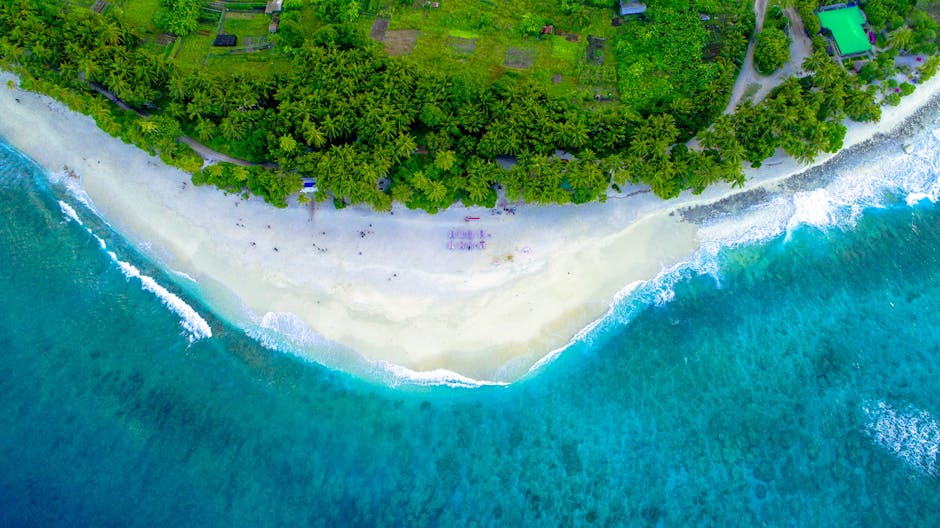
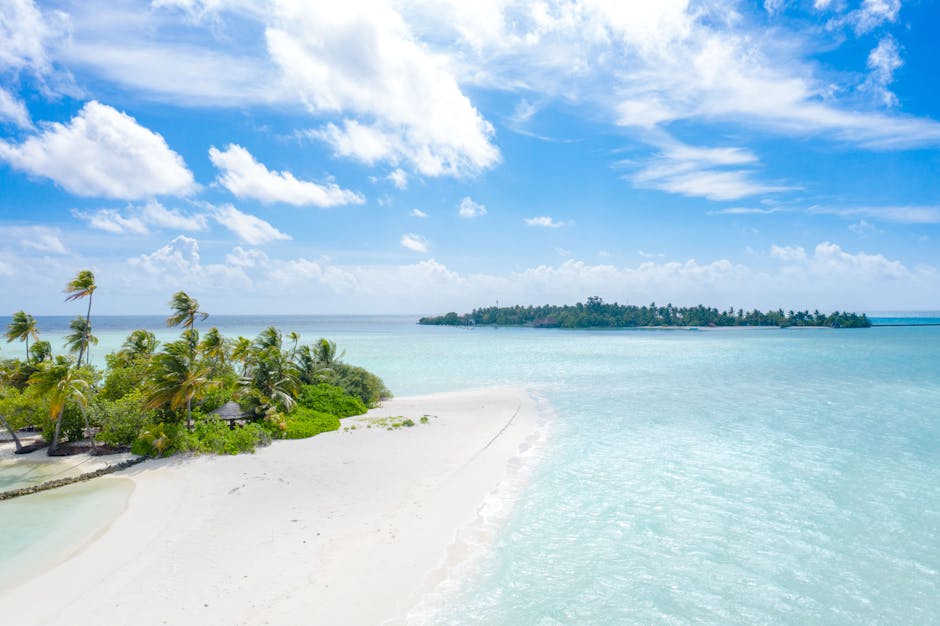
The Maldives is synonymous with overwater bungalows, crystal-clear lagoons, and world-class diving. Located in the Indian Ocean, this archipelago of 1,190 coral islands offers privacy and exclusivity. Resorts often occupy entire islands, giving guests a true sense of seclusion.
Snorkeling and diving here reveal vibrant coral reefs and marine life like manta rays and sea turtles. While luxury dominates, budget-friendly guesthouses on local islands are becoming more common. Travelers should note that alcohol is restricted outside resorts due to local laws.
Bora Bora, French Polynesia: The Iconic Lagoon Escape
Bora Bora’s Mount Otemanu rising from a deep blue lagoon makes it one of the most photographed islands in the world. It’s a favorite for honeymoons and luxury vacations. Overwater villas with glass floors let you watch fish swim beneath your feet.
Activities include shark and ray feeding tours, jet skiing, and sunset cruises. The island is small, so most visitors stay in one of the high-end resorts. Flights are limited and expensive, so plan well in advance. Pack light—many resorts have strict luggage policies.
Santorini, Greece: Cliffside Charm with Aegean Views
While not a tropical island, Santorini offers dramatic coastlines, volcanic beaches, and iconic white-washed buildings. The island’s black and red sand beaches, like Perissa and Kamari, are unique in Europe. Sunset views from Oia are legendary.
Unlike remote islands, Santorini has a bustling town life with restaurants, shops, and cultural sites. It’s ideal for travelers who want both beach time and exploration. Summer crowds can be overwhelming, so consider visiting in late spring or early fall.
Malta: Mediterranean History and Hidden Coves
Malta blends ancient history with stunning coastlines. The island nation in the central Mediterranean features limestone cliffs, hidden sea caves, and clear waters perfect for swimming and diving. Blue Lagoon on Comino is a must-see, though it gets crowded in peak season.
English is widely spoken, and the infrastructure is well-developed. Malta is also rich in UNESCO sites, including the megalithic temples of Ħaġar Qim. It’s a great choice for travelers who want culture and coastline in one trip.
Phuket and the Phi Phi Islands, Thailand: Tropical Energy and Natural Wonders
Phuket offers a mix of lively beaches, nightlife, and cultural sites like the Big Buddha. Nearby, the Phi Phi Islands—made famous by the film The Beach—feature towering limestone cliffs and emerald waters.
Maya Bay, once closed due to overtourism, has reopened with visitor limits. This shows how destinations are adapting to protect their ecosystems. Travelers should respect local guidelines and avoid single-use plastics.
Hawaii, USA: Diverse Islands with Unique Characters
Each Hawaiian island offers a different experience. Oahu has Waikiki’s energy and Pearl Harbor’s history. Maui is known for the Road to Hana and Haleakalā volcano. Kauai’s Napali Coast is rugged and remote, perfect for hikers.
The Big Island features black sand beaches and active volcanoes. Hawaii’s culture is deeply rooted in aloha spirit and environmental stewardship. Visitors are encouraged to learn basic Hawaiian phrases and respect sacred sites.
Seychelles: Granite Islands and Rare Wildlife
Seychelles, off the east coast of Africa, is home to some of the world’s oldest granite islands. Anse Source d’Argent on La Digue is famous for its pink sand and boulder formations. The islands are a UNESCO World Heritage Site.
Endemic species like the giant Aldabra tortoise thrive here. Tourism is carefully managed to preserve the environment. Most visitors stay in eco-lodges or small hotels. Flights are limited, so book early.
Fiji: Warm Hospitality and Coral Reefs
Fiji’s 333 islands offer a mix of luxury resorts and traditional village stays. The Mamanuca and Yasawa islands are popular for snorkeling, surfing, and cultural tours. Fijians are known for their friendliness and welcoming spirit.
The coral reefs here are among the healthiest in the Pacific. However, climate change poses a real threat. Some resorts now offer reef-safe sunscreen and educational programs. Travelers should support local businesses when possible.
Costa Rica: Pacific and Caribbean Coastlines
Costa Rica isn’t an island, but its beaches on both the Pacific and Caribbean sides make it a top destination for beach lovers. Manuel Antonio National Park combines rainforest with pristine beaches. Tamarindo is popular for surfing and nightlife.
The country is a leader in sustainable tourism. Many lodges are solar-powered and support reforestation. Wildlife like sloths, monkeys, and sea turtles are common sightings. Rainy season runs from May to November, but showers are usually brief.
The Bahamas: Easy Access and Family-Friendly Fun
Just a short flight from the U.S., the Bahamas offers 700 islands and cays. Nassau and Paradise Island have resorts, casinos, and water parks. For a quieter experience, head to Exuma or Eleuthera.
Swimming with pigs in Exuma is a quirky highlight. The islands are generally safe, but hurricanes can occur from June to November. Travel insurance is recommended. U.S. citizens don’t need a visa for short stays.
How to Choose the Right Beach Destination for You
Not all beach trips are the same. Your ideal destination depends on several factors. Start by asking what kind of experience you want.
Consider Your Travel Style
Are you looking to unwind or stay active? Some islands are perfect for lounging with a book, while others offer hiking, diving, or surfing. For example, Bali has both serene beaches in Nusa Penida and vibrant nightlife in Seminyak.
Families might prefer destinations with calm waters and kid-friendly activities, like the Bahamas or the Greek islands. Solo travelers may enjoy places with strong backpacker networks, such as Thailand or Costa Rica.
Budget and Accessibility
Flights, accommodations, and daily expenses vary widely. The Maldives and Bora Bora are luxurious but costly. Southeast Asia and Central America offer more budget-friendly options without sacrificing beauty.
Direct flights make some destinations easier to reach. The Caribbean and Hawaii are accessible from North America. European travelers may find the Greek islands or Malta more convenient.
Best Time to Visit
Timing affects weather, crowds, and prices. Peak season in the Caribbean is December to April, but it’s also the most expensive. Shoulder seasons—like May or November—often offer better deals and fewer tourists.
In Southeast Asia, the dry season varies by region. Thailand’s Andaman coast is best from November to April, while the Gulf coast is better from March to September. Always check local weather patterns before booking.
Cultural and Environmental Awareness
Respect local customs and ecosystems. In many island nations, dress codes are conservative outside tourist zones. Avoid touching coral reefs—they’re fragile and take years to recover from damage.
Support sustainable tourism by choosing eco-certified accommodations and tours. Many islands rely on tourism revenue to fund conservation efforts. Your choices can make a difference.
Practical Tips for Beach and Island Travel
A great trip starts with smart planning. These tips will help you avoid common pitfalls and make the most of your time by the sea.
Pack Smart
Bring reef-safe sunscreen, a wide-brimmed hat, and UV-protective clothing. Microfiber towels dry quickly and take up little space. Waterproof phone cases are useful for beach days and boat trips.
Don’t forget a reusable water bottle and eco-bag. Many islands have limited waste management, so reducing plastic use helps protect marine life.
Stay Safe in the Water
Always check local conditions before swimming. Strong currents, rip tides, and jellyfish can be hazards. Look for warning flags on beaches—red means dangerous conditions.
If you’re not a strong swimmer, wear a life jacket during water activities. Never swim alone, especially in remote areas.
Protect Your Health
Stay hydrated and avoid prolonged sun exposure during peak hours. Use insect repellent in tropical areas to prevent mosquito-borne illnesses like dengue or Zika.
Drink bottled or filtered water in regions where tap water isn’t safe. Carry a basic first-aid kit with bandages, antiseptic, and any personal medications.
Respect Local Communities
Learn a few phrases in the local language. Tipping customs vary—research ahead of time. Support local artisans by buying handmade souvenirs instead of mass-produced items.
Avoid overcrowded spots when possible. Spreading tourism to lesser-known areas helps reduce environmental pressure on popular sites.
Emerging Destinations Worth Watching
While classics remain popular, new spots are gaining attention for their beauty and sustainability efforts.
Palawan, Philippines: Beyond the Beaten Path
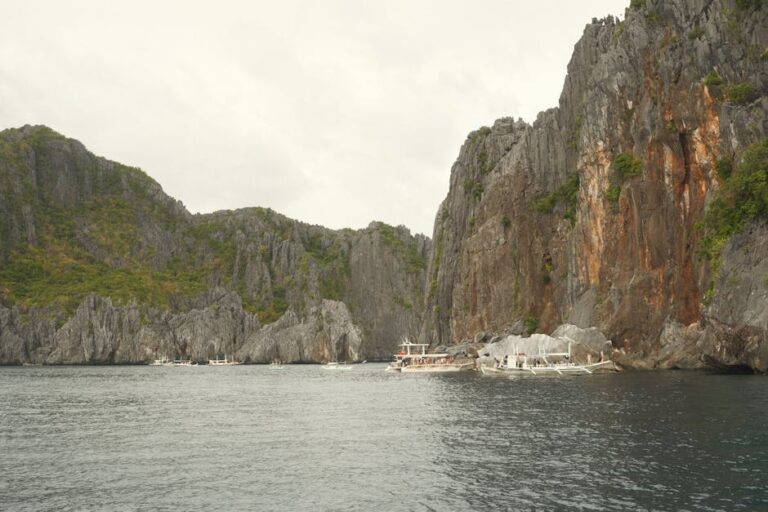
Palawan’s El Nido and Coron offer stunning lagoons, limestone cliffs, and world-class diving. The island has strict environmental regulations to protect its ecosystems.
Tourism is growing, but infrastructure is still developing. Travelers should expect basic accommodations in remote areas. Book ferries and tours in advance during peak season.
Zanzibar, Tanzania: Spice Islands and Turquoise Waters
Zanzibar combines African culture with Indian Ocean beaches. Stone Town is a UNESCO site with narrow alleys and historic architecture. The east coast has quiet beaches ideal for relaxation.
Snorkeling and dolphin tours are popular. Be mindful of local customs—dress modestly in towns and villages. Avoid public displays of affection.
Madeira, Portugal: Dramatic Coastlines and Hiking Trails
Often called the “Island of Eternal Spring,” Madeira offers lush landscapes, volcanic cliffs, and natural swimming pools. It’s less touristy than the Canary Islands but equally beautiful.
The island is great for hiking, wine tasting, and whale watching. Funchal, the capital, has a charming old town and excellent seafood. Flights from Europe are frequent and affordable.
Final Thoughts on Planning Your Next Beach Escape
The best travel destinations for beach and island lovers offer more than just sand and sun. They provide opportunities to connect with nature, culture, and yourself. Whether you choose a remote atoll or a lively coastal city, the key is to travel mindfully.
Research your destination, respect local environments, and prioritize experiences over luxury. A well-planned trip to the right beach can be transformative. Start with one of the destinations above, and let the rhythm of the waves guide your next adventure.
FAQ
What is the best time of year to visit tropical beach destinations?
The ideal time varies by region. Generally, the dry season—when rainfall is low and humidity is manageable—is best. For the Caribbean, this is typically December to April. In Southeast Asia, it depends on the monsoon patterns, with November to March often recommended for Thailand and Vietnam.
Are island destinations safe for solo travelers?
Many island destinations are safe for solo travelers, especially those with established tourism industries like the Greek islands, Hawaii, or the Bahamas. Research local safety tips, stay in reputable accommodations, and avoid isolated areas at night. Trust your instincts and keep family or friends informed of your plans.
How can I travel sustainably to beach destinations?
Choose eco-friendly accommodations, use reef-safe sunscreen, avoid single-use plastics, and support local businesses. Respect wildlife and natural sites—don’t touch coral or feed animals. Consider carbon offset programs for flights and travel during off-peak times to reduce overcrowding.