Best Wildlife Travel Destinations for Adventure Trips
Looking for the best wildlife travel destinations for adventure trips? Whether you’re tracking big cats in the African savanna, kayaking among orcas in the Pacific Northwest, or trekking through rainforests in search of rare birds, the world offers unforgettable encounters with nature. These destinations combine thrilling outdoor activities with rich biodiversity, making them ideal for travelers who want more than just sightseeing. From guided safaris to remote jungle expeditions, adventure-focused wildlife trips deliver excitement, education, and a deeper connection to the natural world.
Why Choose Wildlife Adventure Travel?
Wildlife adventure travel goes beyond passive observation. It immerses you in active experiences—hiking, canoeing, diving, or tracking animals on foot—while fostering respect for ecosystems. These trips often support conservation efforts and local communities, adding purpose to your journey.
Unlike standard tours, adventure wildlife trips emphasize physical engagement and real-time discovery. You’re not just watching a documentary; you’re hearing the roar of a lion at dawn or spotting a snow leopard’s trail in fresh snow. The unpredictability is part of the appeal.
Top Wildlife Adventure Destinations
1. Serengeti National Park, Tanzania
The Serengeti is synonymous with classic African safaris, but adventure travelers can go further. Join a walking safari with armed guides to track lions, elephants, and cheetahs on foot. These guided treks offer a primal perspective, putting you eye-to-eye with the wild.
For a different angle, try a hot air balloon ride at sunrise. Floating silently over the plains during the Great Migration—when over a million wildebeest and zebra move across the landscape—is a once-in-a-lifetime experience. Combine this with a multi-day mobile camping safari for true immersion.
2. Galápagos Islands, Ecuador
A UNESCO World Heritage site, the Galápagos offers unparalleled wildlife encounters in a pristine setting. Snorkel with sea lions, marine iguanas, and penguins—all within a few feet of shore. Kayak along volcanic coastlines where blue-footed boobies dive for fish.
Multi-day liveaboard cruises allow access to remote islands like Fernandina and Genovesa, where visitor numbers are limited. These small-group expeditions include naturalist guides who explain the islands’ unique evolutionary history. Remember: strict biosecurity rules protect the ecosystem—pack clean gear and avoid bringing outside food.
3. Pantanal, Brazil
Often overshadowed by the Amazon, the Pantanal is the world’s largest tropical wetland and a hotspot for wildlife. It’s one of the best places to see jaguars in the wild, especially during the dry season from July to October when animals gather near shrinking water sources.
Adventure options include canoeing through flooded forests, horseback riding with local cowboys (called pantaneiros), and night safaris to spot caimans and capybaras. Lodges along the Transpantaneira Highway offer guided excursions with expert trackers.

4. Churchill, Manitoba, Canada
Known as the “Polar Bear Capital of the World,” Churchill offers a rare chance to observe these apex predators in their natural habitat. From October to November, tundra vehicles traverse the frozen landscape, allowing safe, close-up views of polar bears waiting for sea ice to form.
Beyond bears, summer brings beluga whale watching—hundreds gather in the Churchill River. You can even swim alongside them in wetsuits. Winter offers aurora viewing and dog sledding across snow-covered plains. Temperatures drop below -30°C, so pack thermal gear and follow all safety protocols.
5. Borneo, Malaysia
Home to orangutans, pygmy elephants, and clouded leopards, Borneo’s rainforests are a biodiversity treasure. Kinabatangan River cruises at dawn and dusk reveal proboscis monkeys, crocodiles, and hornbills. Guided night walks spotlight frogs, insects, and slow lorises.
For a physical challenge, trek to Mount Kinabalu’s summit or explore the caves of Gomantong, where swiftlets build edible nests. Stay in eco-lodges run by local communities to support sustainable tourism. Always travel with licensed guides—illegal logging and poaching remain threats.
6. Raja Ampat, Indonesia
This remote archipelago in West Papua is a diver’s paradise, with over 1,500 fish species and 75% of the world’s known coral types. Liveaboard dive trips let you explore pristine reefs, underwater pinnacles, and manta ray cleaning stations.
Above water, kayak through karst islands and visit traditional Papuan villages. Permits are required and limited to protect the fragile ecosystem. Choose operators certified by local conservation groups to ensure responsible practices.
7. Patagonia, Chile & Argentina
Patagonia’s rugged landscapes host guanacos, Andean condors, and pumas. Torres del Paine National Park offers multi-day treks like the W Trek, with chances to spot huemul deer and foxes. Guided puma tracking tours in autumn increase sighting odds.
On the Argentine side, Peninsula Valdés is a marine sanctuary. From May to December, southern right whales gather near shore. Elephant seals and orcas also frequent the area—especially during the dramatic orca beach-hunting season in spring.
8. Madagascar

Over 90% of Madagascar’s wildlife is found nowhere else on Earth. Explore rainforests in Andasibe to hear indri lemurs’ haunting calls. Night walks reveal chameleons, leaf-tailed geckos, and fossas—the island’s top predator.
For adventure, trek through Isalo National Park’s sandstone canyons or sail to Nosy Be for snorkeling with reef sharks and sea turtles. Infrastructure is limited, so plan with reputable local operators and allow extra time for travel.
9. Alaska, USA
Alaska delivers raw wilderness and abundant wildlife. Katmai National Park is famous for brown bears catching salmon at Brooks Falls. Fly-in lodges offer bear-viewing platforms and guided hikes through volcanic terrain.
In summer, kayak among glaciers in Kenai Fjords to see sea otters, puffins, and humpback whales. Winter brings opportunities for snowshoeing and spotting moose in Denali. Weather changes fast—pack layers and waterproof gear.
10. Namibia
Namibia’s deserts host adapted species like desert elephants, black rhinos, and gemsbok. Track rhinos on foot in Damaraland with local San guides who share ancestral knowledge. Sleep under the stars in mobile camps for a true desert experience.
For adrenaline, try sandboarding down Sossusvlei’s dunes or quad biking in the Namib Desert. The stark beauty and silence make it a meditative adventure. Water is scarce—travel responsibly and minimize plastic use.
How to Choose the Right Wildlife Adventure Trip
Not all wildlife trips are created equal. Consider your fitness level, travel style, and ethical priorities. Active trips like trekking or diving require good health and preparation. Research operators carefully—look for certifications from groups like the International Ecotourism Society or local conservation partnerships.
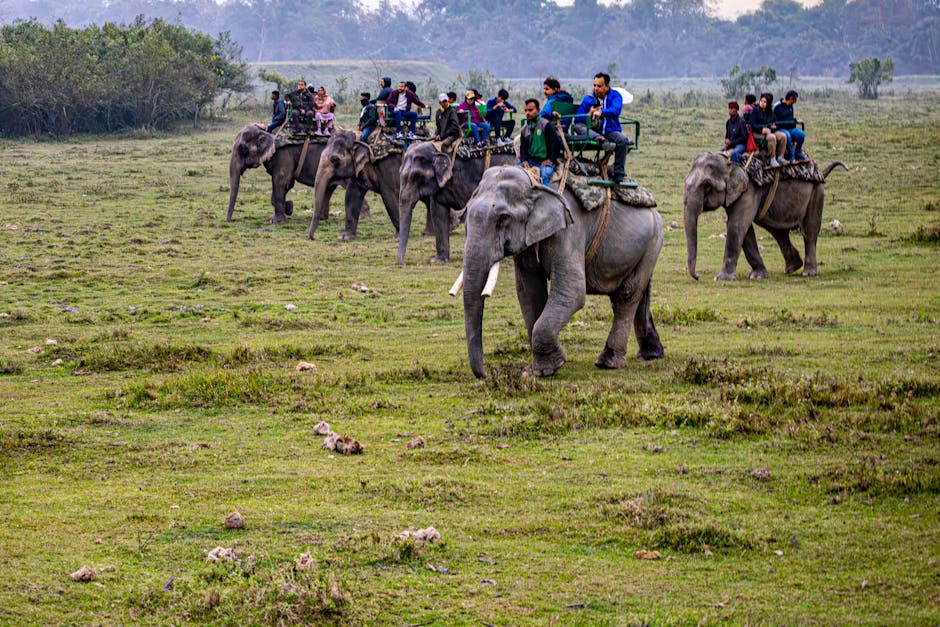
Ask about group size, guide qualifications, and community involvement. Smaller groups reduce environmental impact and improve wildlife viewing. Avoid attractions that exploit animals, such as elephant rides or photo ops with sedated tigers.
Essential Tips for Wildlife Adventure Travel
Pack light but smart. Bring binoculars, a field guide, and weather-appropriate clothing. Use reef-safe sunscreen in marine environments and avoid flash photography, which can disturb animals.

Respect wildlife by maintaining distance and following guide instructions. Never feed animals—it alters behavior and can be dangerous. Support local economies by buying crafts directly from artisans and staying in community-run lodges.
Conservation and Responsible Travel
Many of the best wildlife travel destinations face threats from habitat loss, climate change, and over-tourism. Choose trips that contribute to conservation, such as those funding anti-poaching units or reforestation projects.
Offset your carbon footprint through verified programs and minimize single-use plastics. Share your experiences responsibly on social media—avoid geotagging sensitive locations to prevent overcrowding.
Final Thoughts
The best wildlife travel destinations for adventure trips offer more than stunning scenery—they create lasting memories and a deeper appreciation for nature. Whether you’re diving with manta rays or tracking snow leopards, these experiences stay with you long after you return home.
Plan thoughtfully, travel ethically, and embrace the unexpected. The wild doesn’t follow a schedule, and that’s what makes it so thrilling.
FAQ
What should I pack for a wildlife adventure trip?
Essentials include sturdy footwear, layered clothing, a hat, sunscreen, insect repellent, binoculars, and a reusable water bottle. Pack a lightweight rain jacket and quick-dry fabrics. For marine trips, bring a waterproof phone case and reef-safe sunscreen.
Are wildlife adventure trips safe?
Yes, when led by experienced guides and reputable operators. Follow all safety instructions, stay with your group, and avoid risky behavior. Inform someone of your itinerary and carry emergency contacts. Travel insurance is highly recommended.
How can I ensure my trip supports conservation?
Choose operators that partner with local conservation groups, employ local guides, and follow sustainable practices. Look for certifications, read reviews, and ask how your fees contribute to wildlife protection. Avoid activities that harm animals or ecosystems.