Best Indonesian Foods to Try in Culinary Travel Guide
Indonesia’s culinary scene is a vibrant mosaic of flavors, textures, and traditions shaped by centuries of trade, migration, and regional diversity. From smoky street satay to rich, coconut-laden curries, the country offers some of the most exciting dishes in Southeast Asia. If you’re planning a culinary journey, knowing the best Indonesian foods to try ensures you don’t miss the iconic tastes that define local culture. This guide highlights must-eat dishes across the archipelago, offering practical tips for travelers seeking authentic experiences.
Why Indonesian Cuisine Stands Out
Indonesian food is more than just sustenance—it’s a reflection of the nation’s geography, history, and multicultural influences. With over 17,000 islands and hundreds of ethnic groups, the cuisine varies dramatically from Sumatra to Papua. Spices like turmeric, galangal, and lemongrass form the backbone of many dishes, while coconut milk, chilies, and tamarind add depth and balance.
The Dutch, Chinese, Indian, and Arab traders left lasting marks on local cooking methods and ingredients. You’ll find Chinese-style noodles in Padang restaurants, Indian-inspired curries in Aceh, and Portuguese-infused desserts in Maluku. This fusion creates a layered, complex flavor profile that’s both familiar and surprising.
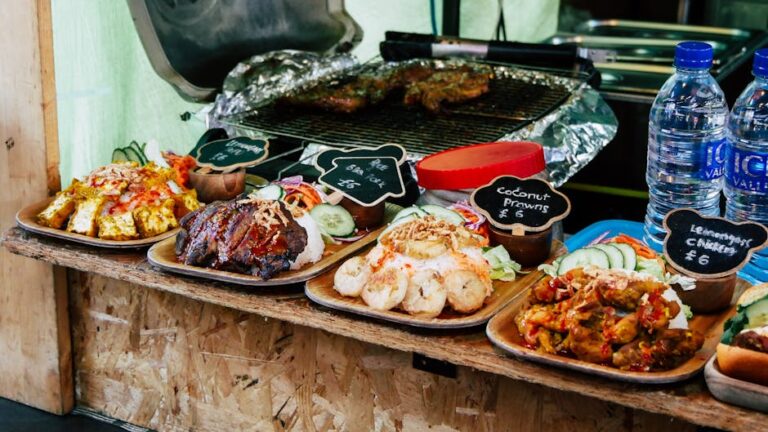
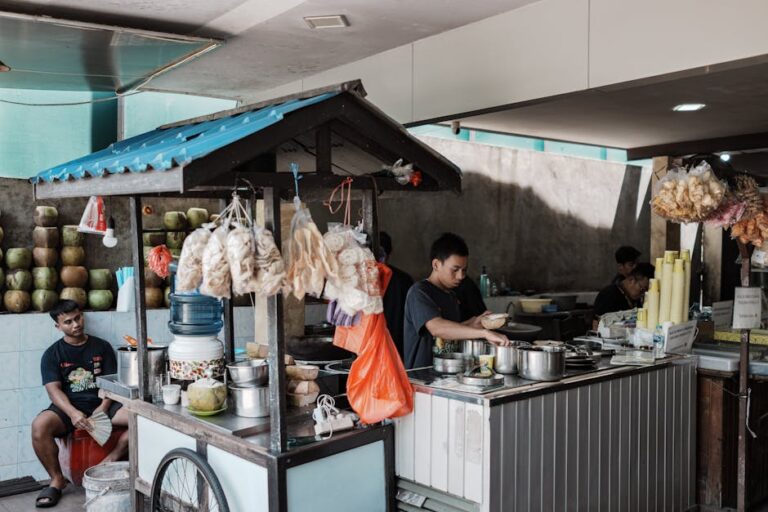
Street food dominates the culinary landscape, with warungs (small family-run eateries) serving up affordable, flavorful meals daily. For travelers, this means access to high-quality food without high prices—just follow the locals to the busiest stalls.
Top 10 Must-Try Indonesian Dishes
1. Nasi Goreng
Nasi goreng, or fried rice, is Indonesia’s national dish and a staple in every household. Unlike its Thai or Chinese counterparts, it’s made with kecap manis (sweet soy sauce), giving it a glossy, caramelized finish. Eggs are often served on top, either scrambled into the rice or fried sunny-side up.
You’ll find variations across regions—some include prawns, chicken, or even Spam in tourist areas. For the best experience, try it at a local warung early in the morning, when it’s freshly made and paired with prawn crackers and a side of acar (pickled vegetables).
2. Rendang
Hailing from West Sumatra, rendang is a slow-cooked dry curry that’s rich, spicy, and deeply aromatic. Traditionally made with beef, it simmers for hours in coconut milk and a paste of chilies, galangal, garlic, and lemongrass until the liquid evaporates and the meat becomes tender and dark.
Despite its association with Minangkabau culture, rendang is now popular nationwide and even recognized by UNESCO as part of Indonesia’s intangible cultural heritage. Order it at a Padang restaurant, where it’s served with steamed rice, vegetables, and sambal.
3. Sate (Satay)
Sate is Indonesia’s answer to grilled skewers, with each region offering its own twist. The most famous is sate ayam (chicken satay) from Java, served with a peanut or sweet soy sauce. In Madura, near Surabaya, sate is made with beef and basted with a rich, spiced sauce.
Look for street vendors with charcoal grills—the smoky aroma is a sign of authenticity. Be cautious with peanut sauce if you have allergies; some versions are thick and heavily spiced. Pair sate with lontong (compressed rice cakes) for a complete meal.
4. Gado-Gado
This Jakarta-born salad is a colorful mix of boiled vegetables, tofu, tempeh, eggs, and lontong, all smothered in a creamy peanut dressing. It’s vegetarian-friendly and packed with protein, making it a favorite among locals and health-conscious travelers.
The key to great gado-gado is the sauce—freshly ground peanuts with a hint of tamarind and chili. Avoid pre-packaged versions; instead, seek out mobile vendors or warungs with long lines. It’s often sold as a one-dish meal, perfect for lunch.
5. Soto Ayam
Soto ayam is a comforting chicken soup found in nearly every city. The broth is infused with turmeric, lemongrass, and coriander, giving it a golden hue and earthy flavor. It’s typically served with shredded chicken, rice noodles, hard-boiled eggs, and crispy shallots.
Each region has its own version: soto Betawi from Jakarta uses coconut milk for a creamier texture, while soto Lamongan in East Java is lighter and clearer. Best enjoyed hot, it’s a go-to dish during rainy days or when feeling under the weather.
6. Nasi Padang
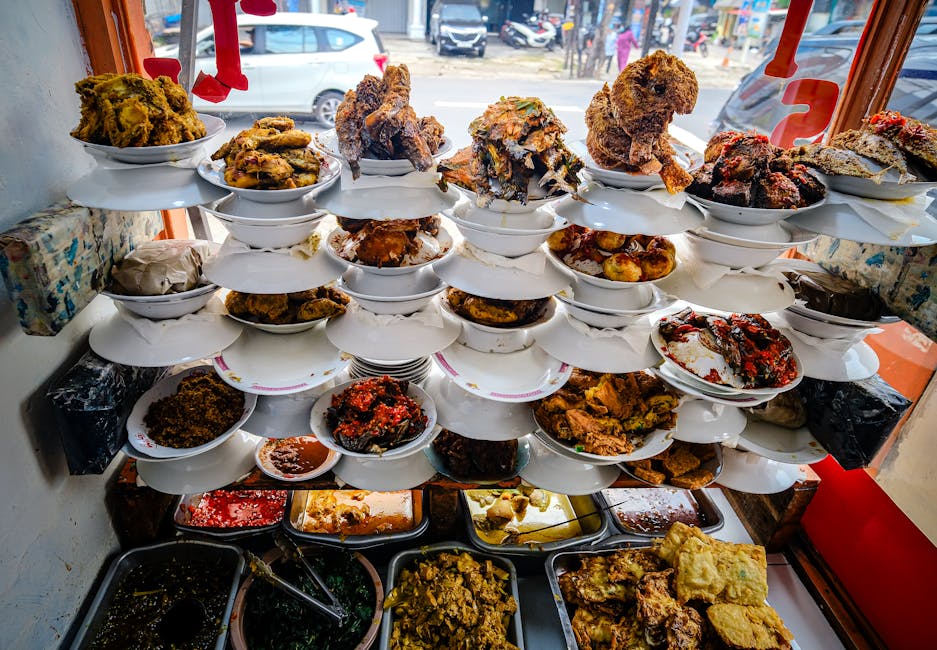
Nasi Padang refers to a style of dining from West Sumatra, where a large platter of rice is served with multiple small dishes. You’ll find rendang, dendeng (dried beef), sayur lodeh (vegetable curry), and sambal on one table—diners pick what they want.
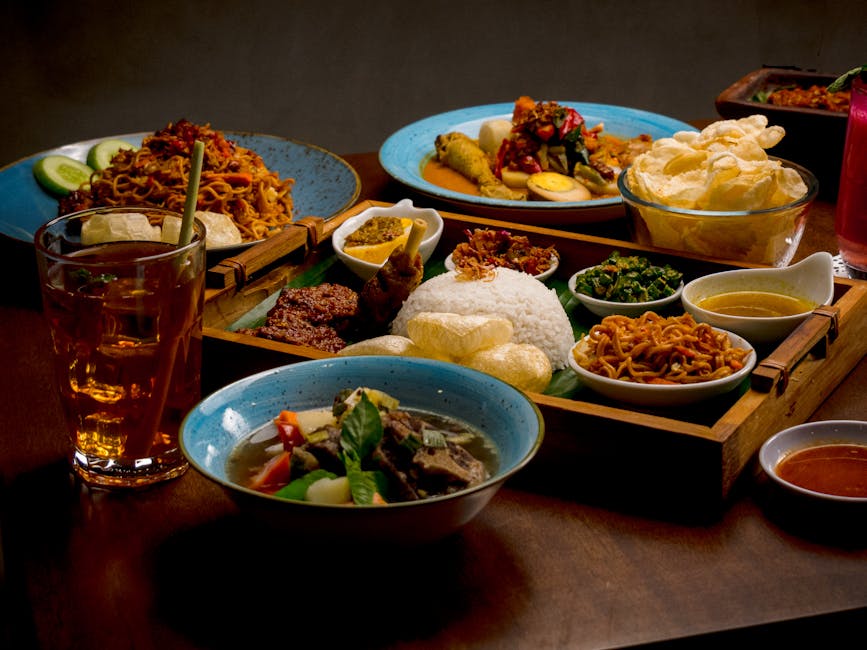
Meals are often eaten family-style, and it’s customary to wash your hands before and after eating. Many restaurants charge by the dish, so be mindful of portions. For an authentic experience, visit a Padang restaurant during lunch hours when dishes are freshest.
7. Mie Ayam
Mie ayam is a beloved noodle dish consisting of wheat noodles topped with seasoned minced chicken, mushrooms, and a savory broth. It’s usually served with a side of steamed bok choy and a hard-boiled egg.
Street vendors often add a splash of soy sauce and sesame oil for extra flavor. In Bali and Java, you’ll find variations with crispy wontons or chili oil. It’s a filling, affordable meal ideal for breakfast or a late-night snack.
8. Bakso
Bakso is Indonesia’s version of meatballs, typically made from beef or chicken and served in a clear, aromatic broth with noodles, tofu, and wontons. The meatballs are springy and dense, thanks to a pounding technique that gives them a unique texture.
Popular across the country, bakso is a street food staple often sold from mobile carts. Look for stalls where the broth is kept simmering and the meatballs are freshly made. Add a spoonful of sambal for heat.
9. Pempek
Originating from Palembang in South Sumatra, pempek is a fish-based dumpling made from ground fish and tapioca flour. It comes in various shapes—some are fried, others steamed—and is served with a tangy, sweet, and spicy vinegar-based sauce called cuko.
The most famous type is pempek lenjer, a long, tube-shaped version. It’s a regional specialty, so try it in Palembang or at Indonesian restaurants abroad that specialize in Sumatran cuisine. Be prepared for the strong smell of cuko—it’s an acquired taste.
10. Gudeg
Gudeg is a sweet jackfruit stew from Yogyakarta, slow-cooked with palm sugar, coconut milk, and bay leaves until it reaches a jam-like consistency. It’s usually served with rice, chicken, boiled eggs, and a side of sambal.
The dish has a distinct brown color and a mildly sweet flavor that sets it apart from other Indonesian curries. Best enjoyed at traditional warungs in Yogyakarta, where it’s been prepared the same way for generations.
Regional Specialties Worth Exploring
Sumatra: From Spicy to Sweet
Sumatra’s cuisine is bold and fiery, with dishes like asam pedas (sour and spicy fish stew) from Palembang and dendeng batokok (spiced dried beef) from West Sumatra. The island’s proximity to Malaysia and India is evident in its use of tamarind, chilies, and coconut.
Don’t miss sambal lado mudo, a green chili sambal popular in West Sumatra, or ikan bakar (grilled fish) marinated in turmeric and lime. Coastal areas offer fresh seafood, while inland regions favor meat and root vegetables.
Java: The Heart of Indonesian Flavor
Java is the cultural and culinary hub of Indonesia. From Jakarta’s gado-gado to Surabaya’s rujak cingur (salad with ox snout), the island offers a wide range of flavors. Central Java, especially Yogyakarta and Solo, is known for sweeter dishes like gudeg and getuk (a cassava snack).
East Java features soto Lamongan and rawon, a black beef soup made with keluak nuts. The island’s street food scene is unmatched, with night markets in cities like Malang and Semarang offering everything from martabak to cendol.
Bali: A Fusion of Hindu and Local Traditions
Bali’s cuisine reflects its Hindu heritage, with dishes like babi guling (suckling pig) and bebek betutu (slow-cooked duck) reserved for ceremonies. However, everyday meals include nasi campur (mixed rice) and lawar (a salad of chopped vegetables, coconut, and minced meat).
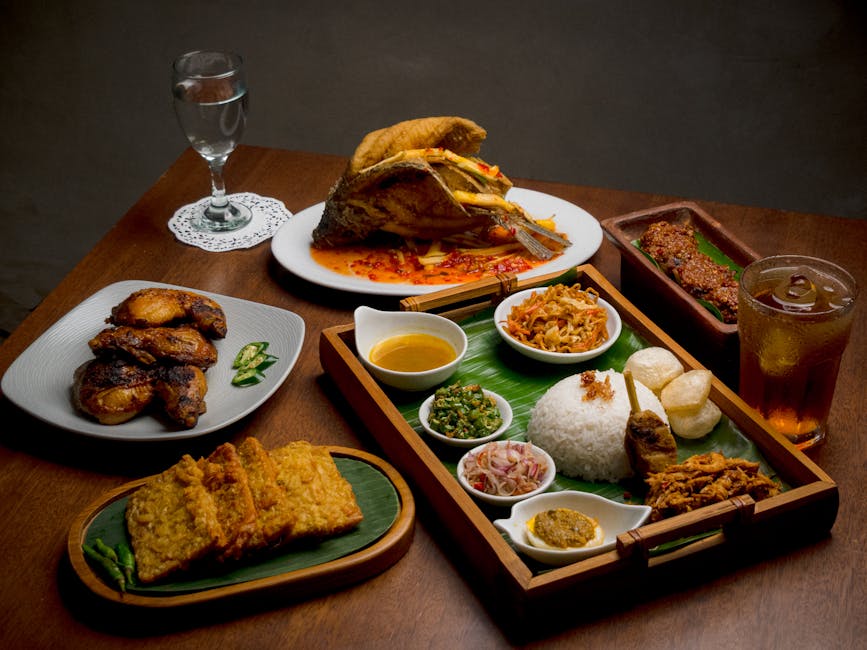
Vegetarian options are abundant, thanks to the island’s temple culture. Try nasi kuning (yellow rice) during festivals or visit a local warung for a simple but satisfying meal of rice, vegetables, and tofu.
Eastern Indonesia: Unique and Underrated
Lesser-known but equally delicious, eastern regions like Maluku and Papua offer dishes like ikan kuah kuning (yellow fish soup) and sagu, a starchy staple made from palm tree pith. These areas rely heavily on seafood, sago, and wild spices.
Travelers to the eastern islands should try papeda, a sticky sago porridge eaten with fish and turmeric broth. It’s an acquired texture but a cultural experience not to be missed.
Tips for Eating Like a Local
Eat Where the Locals Eat
The best Indonesian foods are often found in unassuming warungs or street stalls with no English menus. Look for places with high turnover—fresh ingredients and busy kitchens are signs of quality. If you see a crowd of locals, it’s usually a good bet.
Avoid tourist-heavy areas where prices are inflated and flavors are toned down. Instead, explore residential neighborhoods or local markets like Pasar Senen in Jakarta or Pasar Badung in Denpasar.
Understand Meal Times
Indonesians eat early. Breakfast is around 6–8 a.m., lunch between 11 a.m. and 1 p.m., and dinner by 7 p.m. Many warungs close by 9 p.m., so plan accordingly. Street food is most abundant in the evenings, especially near bus stations and night markets.
Ramadan affects dining hours—restaurants may be closed during daylight, but night markets come alive after sunset. If traveling during this time, adjust your schedule and respect local customs.
Handle the Heat
Indonesian food can be very spicy. Sambal, the chili paste served with nearly every meal, ranges from mild to incendiary. Always ask for “tidak pedas” (not spicy) if you’re sensitive to heat, and keep a glass of water or sweet tea nearby.
Start with milder dishes like nasi goreng or soto before diving into rendang or sambal matah. Dairy isn’t commonly consumed, so opt for coconut water or sweetened tea to cool your palate.
Respect Local Etiquette
Eating with your right hand is common in many parts of Indonesia, especially in rural areas. Always use your right hand for passing food or shaking hands, as the left is considered unclean.
It’s polite to finish your meal completely, as leaving food can be seen as wasteful. Tipping isn’t expected, but rounding up the bill is appreciated in restaurants.
Where to Find the Best Indonesian Foods
Street Food Stalls and Warungs
For authentic flavors at low prices, street food is the way to go. Look for mobile carts with grills, steamers, or woks. Popular items include martabak (stuffed pancake), siomay (fish dumplings), and cendol (a sweet dessert drink).
Warungs are small, family-run eateries that serve home-style meals. They’re often open-air and cash-only, with menus written on chalkboards. Don’t expect air conditioning—comfort comes second to flavor.
Night Markets and Food Courts
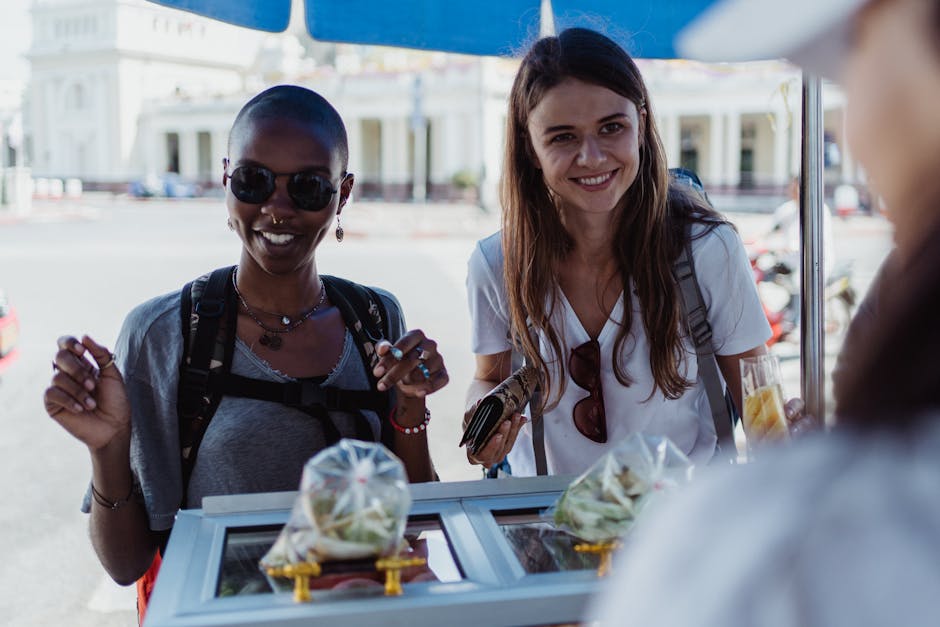
Night markets, or pasar malam, are a food lover’s paradise. Held in parking lots or public squares, they feature dozens of vendors selling everything from grilled corn to es doger (shaved ice dessert).
Modern food courts in malls also offer a safe and clean environment to try multiple dishes. While less adventurous, they’re ideal for first-time visitors or those with dietary restrictions.
Fine Dining and Culinary Tours
For a more refined experience, cities like Jakarta, Bandung, and Ubud have upscale restaurants serving modern interpretations of traditional dishes. Chefs like William Wongso have elevated Indonesian cuisine with techniques from French and Japanese cooking.
Culinary tours are another great option. Guided walks in Yogyakarta or Bali often include market visits, cooking classes, and multi-course meals. They provide context and access to dishes you might not find on your own.
Safety and Dietary Considerations
Food Safety Tips
While Indonesian street food is generally safe, take precautions to avoid stomach issues. Drink only bottled or boiled water, and avoid ice in drinks unless you’re sure it’s made from purified water.
Choose vendors who cook food to order and handle ingredients with gloves or utensils. Avoid raw vegetables and undercooked meat, especially in rural areas. If you have a sensitive stomach, consider bringing probiotics or antacids.
Vegetarian and Vegan Options
Indonesia has plenty of plant-based dishes, but meat and fish are central to many meals. Look for gado-gado, sayur lodeh, or nasi campur with tofu and tempeh. In Bali, vegetarianism is more common due to Hindu practices.
Always specify “tanpa daging, tanpa ikan” (no meat, no fish) when ordering. Some sambals and sauces may contain shrimp paste, so ask if you’re vegan. Tempeh and tofu are widely available and often used as meat substitutes.
Allergies and Dietary Restrictions
Peanuts are a common ingredient in sauces and snacks. If you have a peanut allergy, avoid gado-gado, satay sauce, and many sambals. Inform vendors clearly and carry an epinephrine injector if needed.
Gluten-free travelers should be cautious with soy sauce and processed foods. Rice-based dishes like nasi goreng or lontong are usually safe, but check for hidden ingredients in broths and marinades.
Conclusion
Exploring Indonesia through its food is one of the most rewarding parts of any trip. From the smoky streets of Jakarta to the quiet warungs of Yogyakarta, every bite tells a story of culture, history, and community. The best Indonesian foods to try are not just about taste—they’re about connection, tradition, and the joy of discovery.
Whether you’re savoring a bowl of soto ayam at dawn or sharing a plate of nasi padang with locals, these experiences will stay with you long after your journey ends. Come hungry, stay curious, and let your taste buds lead the way.
FAQ
What is the most popular Indonesian dish for first-time visitors?
Nasi goreng is often recommended for newcomers. It’s flavorful, widely available, and mild enough for most palates, with a sweet and savory profile that’s easy to enjoy.
Is Indonesian street food safe to eat?
Yes, as long as you choose busy stalls with high turnover and food cooked fresh. Avoid raw items and untreated water, and stick to hot, freshly prepared dishes.
Can vegetarians find good meals in Indonesia?
Absolutely. Dishes like gado-gado, sayur lodeh, and tempeh-based meals are common. In Bali and among Hindu communities, vegetarian options are especially abundant.