Beach Travel Guide with Must Visit Island Destinations
Planning your next beach getaway? This beach travel guide highlights the world’s most stunning island destinations, from turquoise lagoons to secluded white-sand coves. Whether you’re after luxury resorts, snorkeling adventures, or quiet sunsets, these islands deliver unforgettable experiences. Below, you’ll find detailed insights on top picks, travel tips, and practical advice to help you choose the perfect island escape.
Why Choose an Island Beach Destination?
Island beaches offer a unique blend of isolation, natural beauty, and cultural charm. Unlike mainland coasts, islands often feature protected marine environments, fewer crowds, and distinct local traditions. Many are accessible only by boat or short flights, adding to their allure.
From the coral reefs of the Maldives to the volcanic shores of Santorini, island destinations cater to every traveler. Some prioritize relaxation, while others focus on adventure or eco-tourism. The key is matching your travel style to the right island.
Top Must-Visit Island Destinations
Bora Bora, French Polynesia
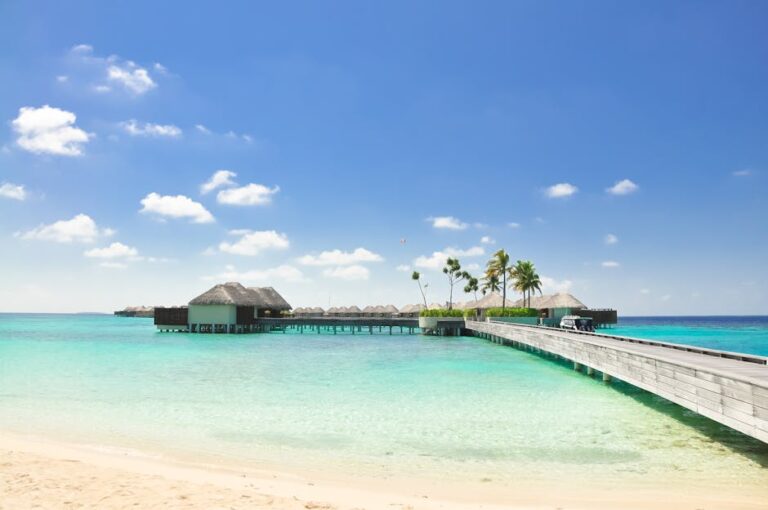
Famous for overwater bungalows and crystal-clear lagoons, Bora Bora is a dream destination for honeymooners and luxury seekers. Mount Otemanu, an ancient volcanic peak, dominates the skyline and offers hiking trails with panoramic views.
The island’s coral reefs are ideal for snorkeling and diving. Spot manta rays, reef sharks, and parrotfish just a short swim from shore. Most visitors stay on the main island or nearby motus (small islets), with ferries and boats providing easy access.
Travel tip: Book accommodations early, especially during peak season (May to October). Flights connect via Tahiti, so allow time for layovers.
Maldives
The Maldives consists of over 1,000 coral islands spread across the Indian Ocean. Known for privacy and pristine waters, it’s a top choice for underwater exploration and romantic retreats.
Each resort typically occupies its own island, offering exclusive access to beaches and marine life. Snorkeling and diving are exceptional, with house reefs often visible from your villa. The best time to visit is November to April, when weather is dry and calm.
Note: The Maldives is low-lying, so rising sea levels pose a long-term risk. Travelers are encouraged to support eco-conscious resorts that prioritize sustainability.
Santorini, Greece
With its whitewashed buildings and dramatic cliffs, Santorini offers a different kind of island beach experience. While not known for long sandy shores, its volcanic beaches—like Red Beach and Perissa—feature unique black and red pebbles.
The island shines at sunset, especially in Oia. Combine beach time with visits to ancient ruins, wineries, and cliffside villages. Santorini is well-connected by ferry and air, making it accessible from mainland Greece and Europe.
Warning: Summer crowds can be intense. Visit in late spring or early fall for better weather and fewer tourists.
Koh Lanta, Thailand
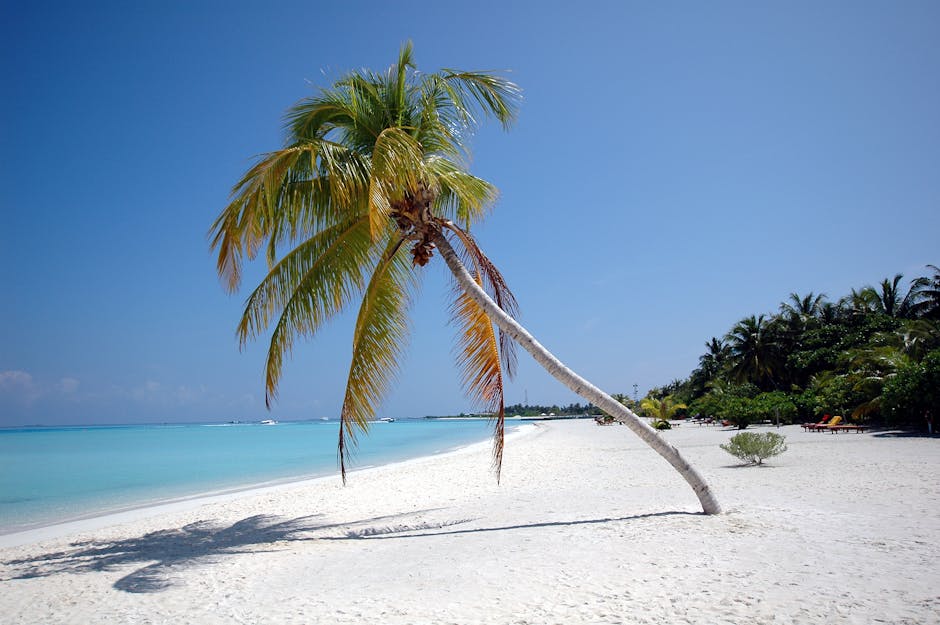
Less commercialized than Phuket or Koh Samui, Koh Lanta offers a relaxed vibe with long, quiet beaches and lush jungles. Long Beach and Kantiang Bay are favorites for swimming and sunbathing.
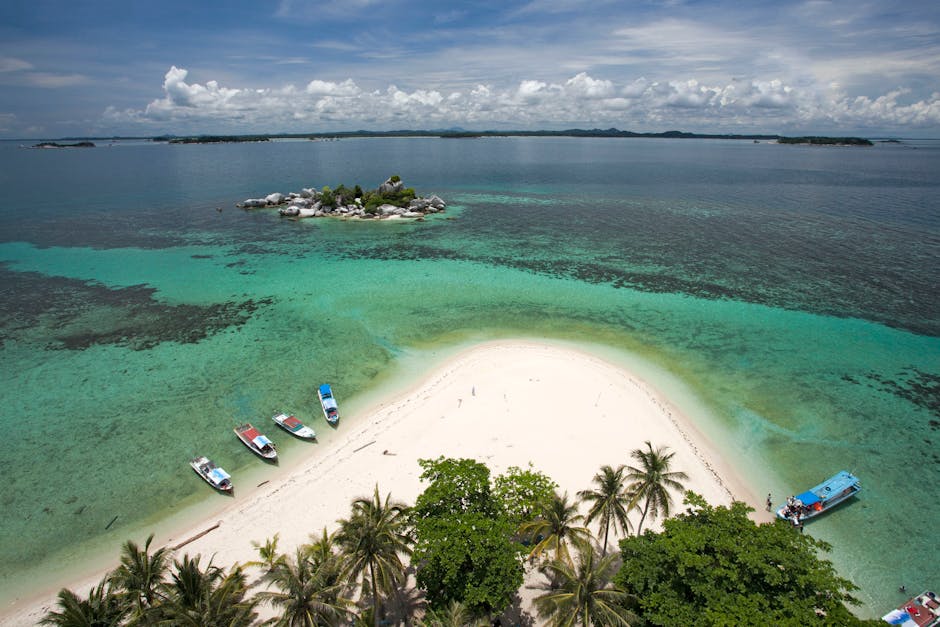
The island is part of a national park, so development is limited. This preserves its natural beauty and supports eco-tourism. Snorkeling trips to nearby islands like Koh Rok reveal vibrant coral gardens.
Travelers should respect local customs, especially in Muslim-majority areas. Dress modestly when visiting villages or temples.
Isle of Skye, Scotland
For a cooler climate and rugged beauty, the Isle of Skye delivers dramatic coastlines, sea cliffs, and hidden coves. While not tropical, its beaches—like Coral Beach and Staffin Bay—offer solitude and stunning scenery.
The island is rich in Gaelic culture and history, with ancient castles and folklore sites. Hiking, photography, and wildlife spotting (including seals and otters) are popular activities.
Pack layers and waterproof gear. Weather changes quickly, and midges (small biting insects) can be bothersome in summer.
Maui, Hawaii, USA
Maui blends world-class beaches with diverse landscapes, from the Road to Hana’s waterfalls to Haleakalā’s volcanic crater. Kaanapali and Wailea offer resort-lined shores, while Makena Beach provides a more natural setting.
Snorkeling at Molokini Crater is a must. This crescent-shaped atoll teems with tropical fish and clear waters. Whale watching (December to April) adds seasonal excitement.
Book popular tours and rentals in advance. Traffic can be heavy in tourist areas, so plan accordingly.
How to Choose the Right Island for Your Trip
Start by defining your travel goals. Are you seeking relaxation, adventure, culture, or a mix? Consider climate, budget, and travel time. Tropical islands often require longer flights and higher costs, while Mediterranean destinations may be closer and more affordable.
Research visa requirements and health advisories. Some islands have limited medical facilities, so travel insurance is essential. Also, check local customs and dress codes, especially in conservative regions.
Compare transportation options. Ferries, seaplanes, and domestic flights vary in cost and convenience. On smaller islands, renting a scooter or bike may be the best way to explore.
Packing Essentials for Island Travel
Pack light but smart. Include reef-safe sunscreen, a wide-brimmed hat, and UV-protective clothing. These protect your skin and help preserve marine ecosystems.
Bring water shoes for rocky or coral-filled beaches. A waterproof phone case and dry bag are useful for boat trips and water activities. Don’t forget a reusable water bottle to reduce plastic waste.
For electronics, consider a portable charger. Many island accommodations have limited outlets, especially in overwater villas. Download offline maps and translation apps before arrival.
Best Time to Visit Popular Island Destinations
Timing affects weather, crowds, and prices. In the Caribbean and Southeast Asia, dry seasons (typically November to April) offer the best conditions. Avoid hurricane season (June to November in the Atlantic) for safer travel.
In the Mediterranean, late spring and early fall provide warm weather with fewer tourists. Summer is peak season but can be hot and crowded. In Hawaii, weather is fairly consistent year-round, but winter brings larger waves and whale migrations.
Check local festivals and events. These can enhance your experience but may also increase demand for lodging and flights.
Sustainable Island Travel Tips
Island ecosystems are fragile. Choose accommodations with eco-certifications and avoid single-use plastics. Support local businesses and guides to ensure tourism benefits the community.
Never touch or step on coral reefs. Even slight contact can damage these living structures. Use reef-safe sunscreen to prevent chemical runoff that harms marine life.
Respect wildlife. Keep a safe distance from animals and do not feed them. Follow marked trails to protect native plants and prevent erosion.
Transportation and Getting Around Islands
Most islands are accessible by air or sea. International flights often land on a main island, with connections via domestic flights or ferries. Research transfer times—some remote islands require multiple legs.
On the island, options include rental cars, scooters, taxis, and public buses. Scooters are popular in Southeast Asia and the Caribbean but require caution, especially on narrow or unpaved roads.
Boat tours and water taxis are common for visiting nearby islets. Book through reputable operators with safety records. Always check weather conditions before heading out.
Accommodation Options Across Island Destinations
Choices range from budget hostels to luxury overwater villas. Resorts often include meals, activities, and transfers, simplifying planning. Boutique hotels offer personalized service and local charm.
Vacation rentals provide more space and kitchen access, ideal for families or longer stays. Read recent reviews to assess cleanliness, location, and host responsiveness.
Eco-lodges and glamping sites are growing in popularity. These emphasize sustainability and immersion in nature, often with minimal environmental impact.
Food and Dining on Island Destinations
Local cuisine is a highlight of island travel. Expect fresh seafood, tropical fruits, and regional specialties. In the Maldives, try mas huni (tuna and coconut salad). In Greece, enjoy grilled octopus and fava.
Many islands have limited dining options, especially in remote areas. Resorts often serve international menus, but venturing into town offers authentic flavors. Street food is common in Southeast Asia—look for busy stalls with high turnover.
Stay hydrated and avoid tap water in regions with questionable quality. Stick to bottled or filtered water, especially for brushing teeth.
Safety and Health Considerations
Sun protection is critical. Apply sunscreen every two hours, seek shade during peak UV hours (10 a.m. to 4 p.m.), and wear protective clothing. Heat exhaustion and sunstroke are real risks, even in mild climates.
Water safety matters. Only swim in designated areas and heed warning flags. Rip currents can be deadly—learn how to escape them by swimming parallel to shore.
Carry a basic first-aid kit with bandages, antiseptic, and any personal medications. Check if your destination requires vaccinations or malaria prophylaxis.
Budgeting for Your Island Getaway
Costs vary widely. The Maldives and Bora Bora are among the most expensive, while Thailand and the Philippines offer budget-friendly options. Factor in flights, lodging, food, activities, and souvenirs.
All-inclusive resorts simplify budgeting but may limit local experiences. Mid-range hotels with breakfast included offer a balance of cost and flexibility.
Use local currency when possible to avoid poor exchange rates. Notify your bank of travel plans to prevent card blocks. ATMs are common in tourist areas but may charge fees.
Final Tips for a Smooth Island Vacation
Arrive with a flexible mindset. Delays in transportation or weather changes are common. Build buffer time into your itinerary.
Learn a few basic phrases in the local language. Simple greetings go a long way in building rapport. Download a translation app for longer conversations.
Keep digital and physical copies of important documents—passport, insurance, and reservations. Store them separately in case of loss or theft.
FAQ
What is the best time of year to visit tropical island destinations?
The ideal time varies by region, but generally, the dry season—November to April in most tropical areas—offers the best weather. Avoid hurricane and monsoon seasons for safer travel.
Are island destinations safe for solo travelers?
Yes, many islands are safe for solo travelers, especially those with established tourism infrastructure. Stick to well-reviewed accommodations, avoid isolated areas at night, and share your itinerary with someone you trust.
How can I travel sustainably to island destinations?
Choose eco-certified accommodations, use reef-safe sunscreen, avoid single-use plastics, support local businesses, and respect wildlife and natural habitats. Minimize your environmental footprint at every step.