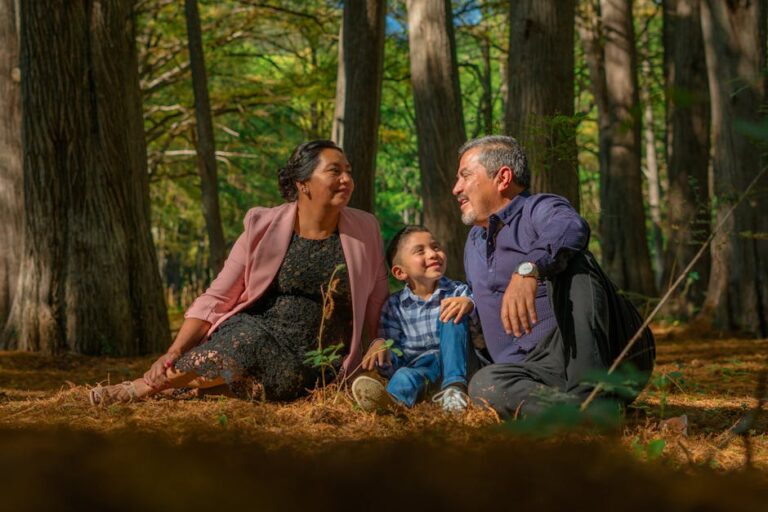

Best Family Travel Places for Families Who Love Animals
If you’re planning a family trip and your kids are animal lovers, you’re in the right place. The best family travel places for families who love animals combine hands-on wildlife experiences with safety, education, and fun. From national parks to ethical sanctuaries, these destinations offer unforgettable moments with creatures big and small—without compromising animal welfare or your family’s comfort. Whether you’re looking to see elephants in Thailand, penguins in Antarctica, or sea turtles in Costa Rica, this guide highlights top picks that are both enriching and accessible for all ages.
Why Animal-Friendly Destinations Matter for Families
Traveling with kids to places where animals are respected and protected teaches empathy, curiosity, and environmental awareness. Ethical wildlife experiences help children understand the importance of conservation while creating lasting memories. Avoid attractions that exploit animals—like riding elephants or petting cubs—and instead choose locations that prioritize animal well-being and natural behaviors.
Look for destinations with certified sanctuaries, educational programs, and opportunities to observe animals in their natural habitats. These experiences are not only safer but also more meaningful. Families gain a deeper appreciation for biodiversity and the role humans play in protecting it.
Top 10 Animal-Friendly Family Destinations Around the World
1. Yellowstone National Park, USA
Yellowstone is one of the best family travel places for families who love animals due to its vast wilderness and diverse wildlife. Kids can spot bison, elk, grizzly bears, and wolves from safe viewing distances. Ranger-led programs and junior ranger activities make learning interactive and fun.
Stay in nearby West Yellowstone or Gardiner for easy access. Visit in late spring or early fall for fewer crowds and active wildlife. Always follow park guidelines—never approach or feed animals.
2. Galápagos Islands, Ecuador
The Galápagos offer a once-in-a-lifetime chance to see unique species like giant tortoises, marine iguanas, and blue-footed boobies up close. Guided family tours ensure respectful interactions while teaching kids about evolution and conservation.
Choose small cruise ships or land-based tours designed for families. Pack reef-safe sunscreen and binoculars. The islands are protected, so group sizes are limited—book well in advance.
3. Kruger National Park, South Africa
For families ready for a safari, Kruger delivers incredible wildlife sightings—lions, elephants, rhinos, and more. Many lodges offer family-friendly accommodations and guided game drives with trained rangers.
Opt for a self-drive option if older kids can handle long car rides, or book a family camp with kid-specific activities. Visit during the dry season (May to September) for the best visibility.
4. Costa Rica’s Tortuguero National Park
This remote coastal park is a haven for sea turtles, monkeys, and exotic birds. Families can take boat tours through canals to spot wildlife without disturbing their habitats.

Visit between July and October to witness sea turtle nesting. Stay in eco-lodges that support local conservation. Bring insect repellent and waterproof gear—rain is common.
5. Kangaroo Island, Australia
Just off the coast of Adelaide, Kangaroo Island is home to native wildlife like kangaroos, koalas, and sea lions. Boardwalks and viewing platforms allow safe, close encounters.
Take a guided tour to learn about recovery efforts after recent bushfires. Pack layers—weather changes quickly. The island is car-free in parts, so plan transportation ahead.
6. Borneo, Malaysia
Borneo offers rare chances to see orangutans in rehabilitation centers and proboscis monkeys in mangrove forests. Ethical sanctuaries like Sepilok focus on rescue and release, not performance.
Combine wildlife visits with river cruises and rainforest hikes. Choose eco-certified tour operators. Be prepared for humidity and bring anti-mosquito measures.
7. Churchill, Canada (Polar Bears)
Known as the “Polar Bear Capital of the World,” Churchill offers safe tundra buggy tours to observe polar bears in autumn. Kids learn about Arctic ecosystems and climate change impacts.
Travel between October and November for peak sightings. Dress in extreme cold weather gear. Tours are educational and led by local experts.
8. Iceland (Whales and Puffins)
Iceland’s coastal towns like Húsavík offer responsible whale-watching tours and puffin-spotting excursions. The short summer season (May to August) is ideal for families.
Choose operators certified by the Icelandic Whale Watching Association. Bring warm, waterproof clothing. Combine with geothermal pools and waterfalls for a full adventure.
9. Madagascar
Home to lemurs, chameleons, and fossas, Madagascar is a biodiversity hotspot. Visit Andasibe National Park for guided night walks to hear indri calls and see nocturnal species.

Work with local guides who support community conservation. Be mindful of travel logistics—some areas require 4×4 vehicles. Vaccinations and travel insurance are essential.
10. Alaska, USA (Glaciers and Wildlife)
Alaska offers bear viewing in Katmai National Park, whale watching in Juneau, and salmon runs in Kenai Fjords. Flightseeing tours provide aerial views of glaciers and coastlines.
Book family-friendly lodges with naturalist guides. Summer months (June to August) offer the best weather. Pack layers and bear spray if hiking.
How to Choose Ethical Wildlife Experiences
Not all animal encounters are created equal. To ensure your family supports responsible tourism, ask key questions before booking. Does the facility allow direct contact with wild animals? Are animals used for performances or photo ops? Is there a clear conservation mission?
Look for certifications from organizations like the Global Sustainable Tourism Council (GSTC) or World Animal Protection. Read reviews from other families. Avoid places that keep animals in small enclosures or encourage feeding.
When in doubt, choose observation over interaction. Watching a whale breach from a boat is more ethical—and often more thrilling—than touching a captive dolphin.
Packing Tips for Animal-Focused Family Trips
Prepare your family for wildlife adventures with the right gear. Bring binoculars, a field guide, and a camera with zoom lens for safe distance viewing. Pack reusable water bottles and snacks to minimize waste.
Include insect repellent, sun protection, and weather-appropriate clothing. For tropical destinations, quick-dry fabrics and waterproof bags are essential. Don’t forget a first-aid kit and any necessary medications.
Teach kids basic wildlife etiquette: stay quiet, don’t chase animals, and never litter. These habits protect both animals and your family’s safety.
Safety Considerations When Traveling with Kids and Wildlife
Safety should always come first. Even in controlled environments, wild animals can be unpredictable. Always follow guide instructions and stay within designated areas. Keep children close during animal encounters.
Avoid feeding wildlife—it can harm their health and alter natural behaviors. In national parks, maintain a safe distance (at least 25 yards from most animals, 100 yards from predators). Use car windows or viewing platforms as barriers.

Check vaccination requirements and health advisories for your destination. Some regions have risks like malaria or dengue. Consult a travel doctor at least six weeks before departure.
Budgeting for Animal-Themed Family Vacations
Animal-focused trips can vary widely in cost. National parks often have low entrance fees, while international safaris or cruises require larger budgets. Plan ahead to find family discounts, off-season deals, or package tours.
Consider staying in eco-lodges or vacation rentals to save on meals. Many wildlife reserves offer free or low-cost educational programs. Prioritize experiences over souvenirs—photos and memories last longer.
Set a daily spending limit and track expenses. Use travel rewards or loyalty programs to offset costs. Some destinations offer free entry for children under a certain age.
Making the Most of Your Wildlife Adventure
To get the most from your trip, involve kids in planning. Let them choose one animal they want to see or a activity they’d like to try. Create a wildlife journal or scavenger hunt to keep them engaged.
Take time to reflect each day—what did you see? What did you learn? Share stories at dinner or around a campfire. These moments deepen the experience and build family bonds.
After your trip, support conservation efforts by donating to reputable organizations or sharing what you learned with others. Turn your adventure into ongoing education.
FAQ
What are the best family travel places for families who love animals that are safe for young children?
Yellowstone, Kangaroo Island, and Costa Rica’s Tortuguero are excellent choices. They offer guided tours, educational programs, and safe viewing opportunities. Always choose operators with strong safety records and family-friendly policies.
How can I ensure the wildlife experiences we choose are ethical?
Look for certifications, avoid direct contact with wild animals, and research the facility’s mission. Prioritize observation over interaction and support sanctuaries focused on rescue and conservation.
Are there affordable animal-themed destinations for families on a budget?
Yes. National parks in the U.S., local wildlife reserves, and community-based ecotourism projects often offer low-cost or free entry. Plan during off-peak seasons and look for family discounts to save money.