Brazil Travel Guide: Best Cities and Travel Tips
Brazil is a vast, vibrant country offering everything from sun-drenched beaches and lush rainforests to pulsating cities and rich cultural traditions. Whether you’re exploring the colonial streets of Ouro Preto, dancing through Rio de Janeiro’s Carnival, or hiking in the Chapada Diamantina, this Brazil travel guide covers the best cities to visit and essential tips for a smooth trip. With practical advice on safety, transportation, budgeting, and local customs, you’ll be ready to experience Brazil like a savvy traveler.
Top Cities to Visit in Brazil
Brazil’s diversity shines through its cities, each offering unique landscapes, history, and energy. From coastal metropolises to inland gems, these destinations stand out for first-time and returning visitors alike.
Rio de Janeiro: The Marvelous City
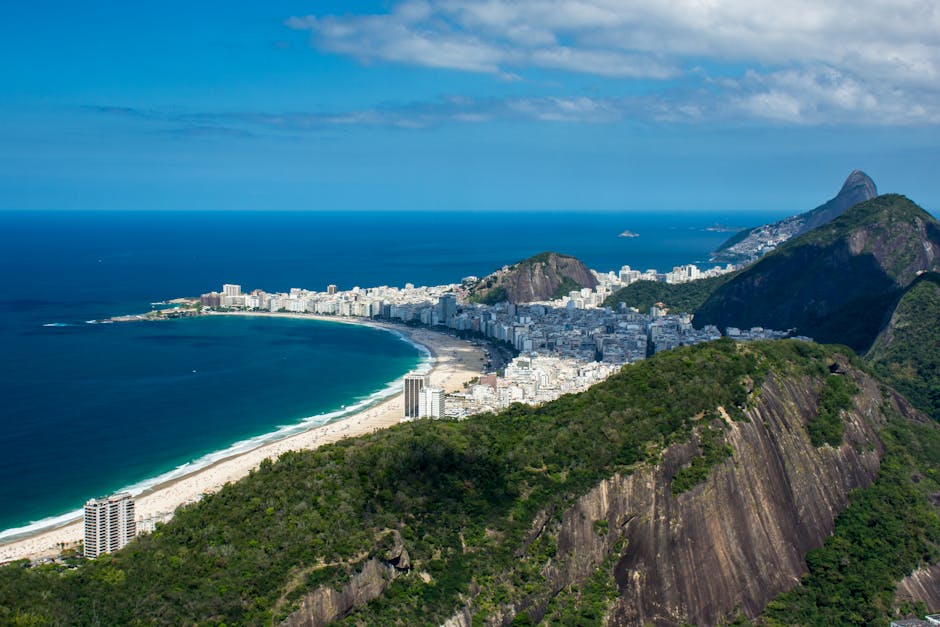
Rio de Janeiro is Brazil’s most iconic destination, known for its stunning beaches, dramatic mountains, and lively culture. Iconic landmarks like Christ the Redeemer and Sugarloaf Mountain offer panoramic views, while neighborhoods such as Copacabana and Ipanema buzz with energy.
The city comes alive during Carnival, but even off-season, you’ll find street music, open-air markets, and a strong café culture. Visit the Selarón Steps in Lapa for a burst of color, or take a cable car up to Morro da Urca for sunset views over Guanabara Bay.
São Paulo: Urban Energy and Culture
As Brazil’s largest city, São Paulo is a hub of business, art, and gastronomy. It’s not a typical tourist hotspot, but travelers who venture here discover world-class museums, innovative restaurants, and a dynamic nightlife scene.
The Pinacoteca do Estado and MASP (São Paulo Museum of Art) showcase Brazilian and international art. For food, try a traditional feijoada at a boteco in Vila Madalena or sample Japanese-Brazilian fusion in the Liberdade district.
Salvador: Heart of Afro-Brazilian Culture
Located in the state of Bahia, Salvador is a cultural powerhouse with deep African roots. Its historic Pelourinho district features colorful colonial buildings, live samba and axé music, and capoeira performances in the plazas.
Don’t miss trying acarajé, a fried bean cake sold by baianas in traditional dress. The city’s beaches, like Porto da Barra, offer calm waters and golden sand, perfect for a midday break from sightseeing.
Brasília: Modern Architecture and Urban Planning
Brazil’s capital, Brasília, is a UNESCO World Heritage Site known for its futuristic design by Oscar Niemeyer. The city is laid out in the shape of an airplane, with government buildings, churches, and monuments that blend art and architecture.
Visit the Metropolitan Cathedral, with its striking glass dome, or the Three Powers Plaza, where the executive, legislative, and judicial branches meet. While not a beach destination, Brasília offers a unique glimpse into Brazil’s modern identity.
Recife and Olinda: Colonial Charm in the Northeast
The twin cities of Recife and Olinda in Pernambuco offer a mix of history, art, and coastal beauty. Olinda, perched on a hill, is a well-preserved colonial town with cobblestone streets, pastel houses, and panoramic ocean views.
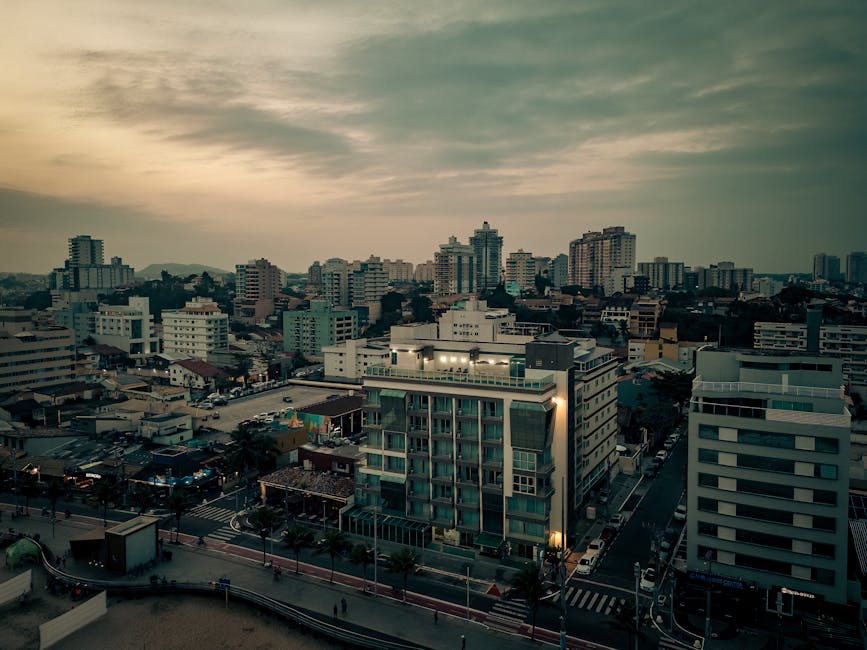
Recife, known as the “Brazilian Venice” for its rivers and bridges, hosts the famous Carnival and the annual June Festivals (Festas Juninas). Explore the Recife Antigo district for museums, street art, and riverside dining.
Florianópolis: Island Paradise in the South
Located on the island of Santa Catarina, Florianópolis combines beach life with a relaxed island vibe. With over 40 beaches, it’s ideal for surfing, swimming, or simply unwinding.</p
Jurerê Internacional is popular with tourists, while Praia Mole attracts surfers and nature lovers. The historic center of Lagoa da Conceição offers restaurants, bars, and artisan shops.
Manaus: Gateway to the Amazon
Manaus, deep in the Amazon rainforest, is the starting point for jungle adventures. The Meeting of the Waters, where the dark Rio Negro and sandy-colored Amazon River flow side by side, is a must-see natural phenomenon.
Take a riverboat tour to visit indigenous communities, spot pink river dolphins, or explore flooded forests (igapós). Stay in a jungle lodge for an immersive experience, but book in advance during peak season.
Gramado and Canela: Alpine Charm in the South
These twin towns in Rio Grande do Sul resemble European villages, with chalets, fondue restaurants, and cool mountain air. Gramado is known for its chocolate shops and film festival, while Canela boasts the stunning Caracol Falls.
Visit during winter for snow-like frost or the Natal Luz (Christmas Light) festival. The region is perfect for couples and families seeking a quieter, scenic retreat.
Essential Travel Tips for Brazil
Traveling in Brazil is rewarding, but preparation is key. These practical tips will help you navigate the country safely and comfortably.
When to Visit Brazil
Brazil’s climate varies by region, so timing depends on your destination. The south has four distinct seasons, with winter (June–August) being cool and dry. The northeast enjoys warm weather year-round, ideal for beach trips.
Rio and São Paulo are pleasant from April to October, avoiding the rainy summer months. Carnival (February or March) is exciting but crowded and expensive—book accommodations and flights early.
Getting Around: Transportation Options
Domestic flights are the fastest way to cover long distances, with airlines like LATAM and Gol offering frequent routes. Major cities have metro systems—Rio and São Paulo’s are efficient and affordable.
Long-distance buses are comfortable and widely used, with companies like Viação Cometa and Itapemirim providing reclining seats and onboard amenities. Avoid driving in big cities due to traffic and parking challenges.
Safety and Security
Brazil is generally safe for tourists, but petty crime like pickpocketing and bag-snatching occurs in crowded areas. Stay alert in tourist hotspots, public transport, and ATMs.
Avoid displaying valuables, use hotel safes, and keep copies of important documents. Stick to well-lit, busy areas at night, and consider using registered taxis or ride apps like 99 or Uber.
Money and Budgeting
The local currency is the Brazilian real (BRL). Credit cards are widely accepted in cities, but carry cash for small vendors, markets, and tips.
ATMs are common, but use those inside banks or secure locations to avoid skimming. Notify your bank before traveling to prevent card blocks. Mid-range travelers can expect to spend $50–$80 per day, excluding flights.
Language and Communication
Portuguese is the official language. While English is spoken in tourist areas, learning basic phrases like “obrigado” (thank you) and “onde fica o banheiro?” (where is the bathroom?) goes a long way.
Download a translation app like Google Translate, and consider carrying a pocket phrasebook. Many Brazilians appreciate the effort to speak their language.
Food and Drink
Brazilian cuisine is diverse and flavorful. Try feijoada (black bean stew with pork), pão de açúcar (cheese bread), and fresh açaí bowls. Street food like pastéis (fried pastries) and coxinha (chicken croquettes) are delicious and affordable.
Tap water is not safe to drink in most areas—stick to bottled water. Caipirinhas, made with cachaça, lime, and sugar, are the national cocktail and a must-try.
Health and Vaccinations
No specific vaccines are required for most travelers, but check with your doctor about routine immunizations. Yellow fever vaccination is recommended if visiting the Amazon or rural areas—carry the certificate if needed.
Pack insect repellent to prevent mosquito-borne illnesses like dengue and Zika. Pharmacies (farmácias) are widespread and well-stocked.
Local Etiquette and Customs
Brazilians are warm and expressive. Greetings often include a kiss on the cheek among friends. Dress is casual, but cover up at religious sites and nicer restaurants.
Tipping is appreciated but not mandatory. A 10% service charge is often included in restaurant bills. At bars and cafes, rounding up is common.
Packing Essentials for Brazil
What you pack depends on your itinerary, but these items are useful across regions.
- Lightweight, breathable clothing for hot weather
- A light jacket or sweater for cooler southern evenings
- Comfortable walking shoes and sandals
- Sunscreen, hat, and sunglasses
- Reusable water bottle with filter
- Power adapter (Brazil uses Type N and older Type C plugs, 127V/220V)
- Portable charger and waterproof phone case
Final Thoughts on Traveling in Brazil
Brazil offers an unforgettable mix of natural wonders, cultural richness, and urban excitement. With careful planning and an open mind, your trip can be both safe and deeply rewarding.
Use this Brazil travel guide to choose the right cities, understand local norms, and prepare for the unexpected. Whether you’re samba-ing in Rio, exploring the Amazon, or savoring a pastel in Recife, Brazil leaves a lasting impression.
FAQ
What is the best time of year to visit Brazil?
The ideal time depends on your destination. April to October offers pleasant weather in Rio and São Paulo, while the northeast is great year-round. Avoid summer (December–February) in the south if you dislike heat and humidity.
Is Brazil safe for solo travelers?
Yes, many solo travelers visit Brazil safely. Stick to tourist-friendly areas, avoid walking alone at night, and use trusted transportation. Stay aware of your surroundings, especially in crowded places.
Do I need a visa to visit Brazil?
Citizens of the U.S., Canada, Australia, and most EU countries can enter Brazil visa-free for tourism for up to 90 days. Check the latest requirements with the Brazilian consulate before traveling.