Scotland Travel Guide: Best Places and Travel Tips
Scotland offers a striking blend of rugged landscapes, historic cities, and rich culture. Whether you’re drawn to misty highlands, ancient castles, or vibrant urban centers, this guide covers the must-see destinations and practical advice for a smooth trip. From Edinburgh’s royal charm to the wild beauty of the Isle of Skye, you’ll find detailed recommendations on where to go, what to do, and how to get around. We also share essential travel tips—like when to visit, what to pack, and how to respect local customs—so you can explore Scotland with confidence.
Top Destinations in Scotland
Scotland’s diverse regions each offer unique experiences. The country’s compact size makes it easy to explore multiple areas in one trip, even with limited time.
Edinburgh: Historic Capital with Modern Flair
Edinburgh blends centuries of history with a lively arts and food scene. The city is dominated by Edinburgh Castle, perched atop Castle Rock, which offers panoramic views and a glimpse into Scotland’s royal past.
The Royal Mile connects the castle to the Palace of Holyroodhouse, passing through narrow closes, hidden courtyards, and centuries-old pubs. Don’t miss the National Museum of Scotland, which houses everything from dinosaur fossils to Scottish inventions.
For a quieter escape, walk up Arthur’s Seat, an extinct volcano in Holyrood Park. The hike is moderate and rewards you with sweeping views of the city and Firth of Forth. Visit during the Edinburgh Festival Fringe in August if you enjoy theater and street performances, but book accommodations early—prices double during the event.
Glasgow: Culture, Music, and Urban Energy
Glasgow, Scotland’s largest city, is known for its music scene, street art, and friendly locals. Unlike Edinburgh’s medieval core, Glasgow feels modern and industrial, with a creative edge.
Start at the Kelvingrove Art Gallery and Museum, home to works by Salvador Dalí and Scottish artists like Charles Rennie Mackintosh. The adjacent Kelvingrove Park is perfect for a stroll or picnic.
The West End neighborhood buzzes with independent cafes, vintage shops, and the University of Glasgow’s Gothic architecture. On weekends, visit the Riverside Museum to see historic trams and learn about Glasgow’s shipbuilding legacy. For live music, head to King Tut’s Wah Wah Hut, where bands like Oasis were discovered.
The Highlands: Dramatic Landscapes and Remote Villages
The Scottish Highlands are synonymous with wild beauty—rolling moors, deep lochs, and snow-capped peaks. This region is ideal for outdoor enthusiasts and those seeking solitude.
Start in Inverness, the “Gateway to the Highlands.” From here, drive the North Coast 500 route, a scenic road trip that circles the northern coast. Highlights include the dramatic cliffs at Duncansby Head and the ruins of Castle Sinclair Girnigoe.
Don’t miss Loch Ness, famous for its legendary monster. While sightings are rare, the loch itself is stunning, especially near Urquhart Castle. Take a boat tour or walk the shoreline trail for the best views.
For a true wilderness experience, head to Cairngorms National Park. It’s home to the UK’s highest mountain range and offers hiking, skiing, and wildlife spotting. Look out for red deer, golden eagles, and even wild reindeer herds in the Glen More area.
Isle of Skye: Mythic Beauty and Coastal Charm
The Isle of Skye is one of Scotland’s most photographed destinations. Its jagged cliffs, fairy pools, and ancient ruins create a landscape that feels almost otherworldly.
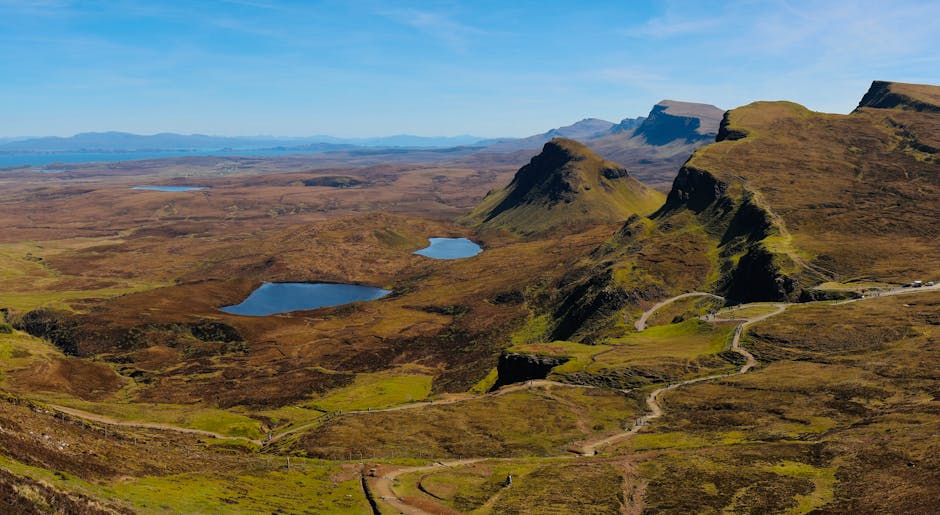
Begin in Portree, the island’s colorful harbor town. It’s a great base for day trips and has excellent seafood restaurants. From here, drive to the Quiraing, a landslip formation with dramatic rock spires and hidden plateaus.
The Old Man of Storr is another iconic site—a towering rock pillar visible from miles away. The short hike to the base takes about 45 minutes and is well worth the effort.
For waterfalls and crystal-clear pools, visit the Fairy Pools near Glenbrittle. The walk is easy, but the water is cold—only attempt a dip if you’re prepared. In winter, the island is quieter and often dusted with snow, offering a serene, moody atmosphere.
Stirling: Heart of Scottish History
Stirling is a compact city with outsized historical importance. It was the site of key battles in Scotland’s fight for independence, including the Battle of Stirling Bridge.
Stirling Castle is one of the country’s most impressive fortresses. Its restored royal apartments give a vivid sense of life in the 16th century. Climb the castle walls for views of the surrounding countryside.
Nearby, the National Wallace Monument commemorates William Wallace, the freedom fighter immortalized in the film Braveheart. The tower offers exhibits and a panoramic view from the top.
Stirling is also a gateway to the Trossachs, a region of lochs and forests often called the “Highlands in miniature.” Take a boat cruise on Loch Lomond or hike through the Queen Elizabeth Forest Park.
When to Visit Scotland
Timing your trip can greatly affect your experience. Scotland’s weather is unpredictable, but each season offers distinct advantages.
Spring (March to May)
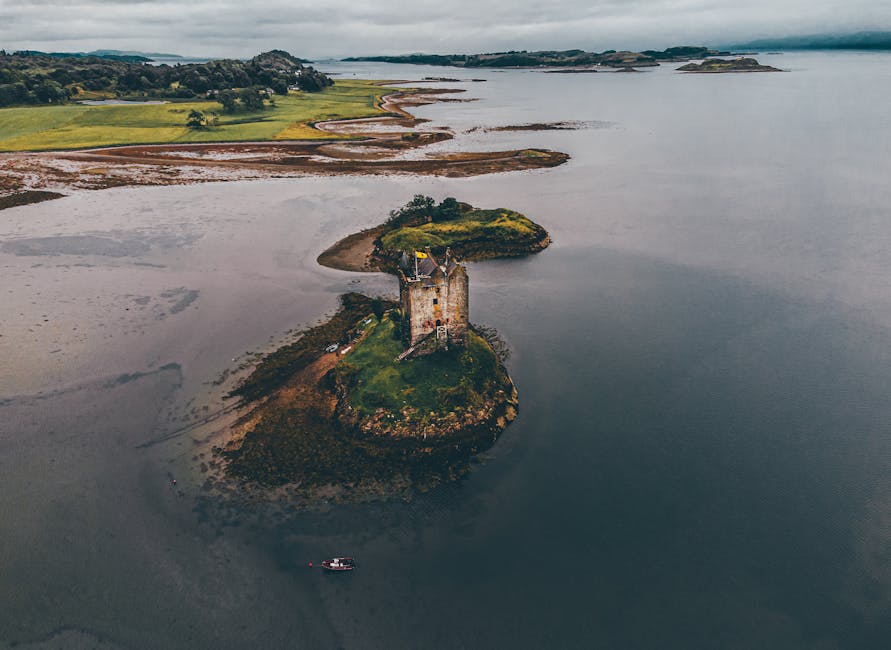
Spring brings milder temperatures and fewer crowds. Days grow longer, and wildflowers begin to bloom in the countryside. It’s a good time for hiking and sightseeing, though rain is still common.
One highlight is the Edinburgh International Science Festival in April, which features talks, workshops, and interactive exhibits. In the Highlands, lambing season means you may see newborn lambs in the fields.
Summer (June to August)
Summer is peak tourist season. Days are long—up to 18 hours of daylight in the north—and festivals fill the calendar. The Edinburgh Festival Fringe, Royal Edinburgh Military Tattoo, and Highland Games draw large crowds.
This is the best time for outdoor activities like hiking, cycling, and kayaking. However, popular spots like the Isle of Skye and Loch Ness can be very busy. Book accommodations and rental cars well in advance.
Autumn (September to November)
Autumn brings stunning fall colors, especially in the Cairngorms and Trossachs. The weather is cooler, but often drier than in spring. It’s an excellent time for photography and scenic drives.
Whisky distilleries in Speyside are particularly atmospheric in autumn, with harvest season in full swing. Many offer tours and tastings, and some host special events.
Winter (December to February)
Winter in Scotland is cold and dark, with short days and frequent rain or snow. However, it’s also the most affordable time to visit, with lower prices and fewer tourists.
Edinburgh hosts a world-famous Hogmanay (New Year’s Eve) celebration, with street parties, fireworks, and live music. In the Highlands, skiing is possible at Glenshee and Cairngorm Mountain.
If you’re lucky, you might see the Northern Lights in the far north, especially around Orkney or the Isle of Lewis. Clear, dark skies are essential, so check aurora forecasts before planning a trip.
Getting Around Scotland
Scotland’s transportation network is well-developed, but rural areas require more planning. Choose your mode of transport based on your itinerary and comfort level.
By Car
Renting a car gives you the most freedom, especially in the Highlands and islands. Roads are generally well-maintained, but single-track roads with passing places are common in remote areas.
Drive on the left and familiarize yourself with local road signs. Fuel stations can be sparse in the countryside, so fill up when you can. Be cautious of sheep and deer on rural roads, especially at dawn and dusk.
Consider a 4×4 if you plan to explore rugged areas like the Isle of Skye or Wester Ross. Some mountain passes may be closed in winter due to snow.
By Train
Scotland’s rail network connects major cities and towns. ScotRail operates most services, including scenic routes like the West Highland Line from Glasgow to Mallaig.
The train journey to Fort William and on to Mallaig offers views of lochs, mountains, and the famous Glenfinnan Viaduct—made famous by the Harry Potter films. Book seats on the right side (facing forward) for the best views.
For longer trips, consider a rail pass like the Spirit of Scotland Travelpass, which offers unlimited travel on trains, buses, and some ferries for a set number of days.
By Bus and Coach
Megabus and Citylink provide affordable intercity travel. Buses are often cheaper than trains and serve smaller towns not on the rail network.
Local buses are useful for short trips, but schedules can be limited in rural areas. Check timetables in advance, especially on weekends.
By Ferry
Ferries are essential for reaching the islands. Caledonian MacBrayne operates most routes to the Inner and Outer Hebrides, including Skye, Mull, and Orkney.
Book vehicle space early during summer. Foot passengers usually don’t need reservations, but it’s wise to arrive early. Weather can delay sailings, so allow extra time in your schedule.
Where to Stay in Scotland
Accommodation options range from luxury hotels to cozy B&Bs and remote bothies (basic shelters). Choose based on your budget and travel style.
Hotels and Inns
Major cities like Edinburgh and Glasgow have a wide range of hotels, from boutique properties to international chains. In smaller towns, traditional inns often offer comfortable rooms and local meals.
Look for hotels with parking if you’re driving. Many city-center hotels charge high fees for overnight parking.
Bed and Breakfasts
B&Bs are popular in rural areas and offer a personal touch. Hosts often provide homemade breakfasts and local tips. They’re usually more affordable than hotels and book up quickly in summer.
Check reviews for noise levels and privacy—some B&Bs are in family homes with shared spaces.
Self-Catering Cottages
Renting a cottage is ideal for families or groups. You’ll have a kitchen, living space, and often a garden or view. Many are located in scenic areas like the Highlands or coastal villages.
Book early for popular areas. Be aware that some remote cottages have limited Wi-Fi and heating, so pack accordingly.
Hostels and Bothies
Hostels are budget-friendly and great for solo travelers. Many offer private rooms in addition to dorms. The Scottish Youth Hostels Association (SYHA) runs well-maintained properties across the country.
Bothies are free, basic shelters maintained by volunteers. They have no running water or electricity, but offer a true back-to-nature experience. Respect the bothy code: leave no trace and close the door behind you.
What to Eat and Drink in Scotland
Scottish cuisine has evolved beyond haggis and shortbread. Today, it emphasizes local, seasonal ingredients and global influences.
Traditional Dishes
Haggis, neeps, and tatties—a dish of spiced sheep’s offal with turnips and potatoes—is a national favorite. Try it at a traditional pub or during Burns Night in January.
Cullen skink is a creamy soup made with smoked haddock, potatoes, and onions. It’s hearty and perfect for cold days. For something sweet, sample tablet—a fudge-like confection made with sugar, butter, and condensed milk.
Seafood
Scotland’s coastline provides some of the best seafood in Europe. Order fresh langoustines in Oban, smoked salmon in the Outer Hebrides, or scallops in the Shetland Islands.
Many coastal towns have daily fish markets. Look for “day boat” catches, which are caught and landed the same day.
Whisky
Scotch whisky is a cornerstone of Scottish culture. There are five main whisky regions: Speyside, Highlands, Lowlands, Islay, and Campbeltown.
Speyside, near Aberdeen, produces smooth, fruity whiskies like Glenfiddich and Macallan. Islay is known for peaty, smoky flavors—try Laphroaig or Ardbeg if you like bold tastes.
Distillery tours are available across the country. Most include a tasting and cost between £10 and £25. Book ahead, especially in summer.
Packing Essentials for Scotland
Scotland’s weather can change quickly, so pack for all conditions—even in summer.
Clothing
Bring layers: a waterproof jacket, warm fleece, and moisture-wicking base layers. Waterproof trousers are useful for hiking or rainy days in cities.
Sturdy walking shoes are essential, especially for trails and cobbled streets. Avoid sandals unless you’re only visiting urban areas.
Accessories
A compact umbrella is handy, but a hat and gloves are wise even in summer—especially in the Highlands. A reusable water bottle saves money and reduces plastic waste.
If you’re visiting castles or museums, a small backpack is more practical than a large suitcase.
Electronics
Bring a power adapter—Scotland uses the UK’s three-pin plug. A portable charger is useful for long days out, especially if you’re using GPS or taking photos.
Download offline maps before heading to remote areas, where phone signal may be weak.
Travel Tips and Local Etiquette
A few simple practices will help you blend in and show respect for Scottish culture.
Be Prepared for the Weather
Rain is common year-round. Check the forecast daily and carry a waterproof layer. Even on sunny days, a sudden shower can appear.
Midges—small biting insects—are active in summer, especially near water. Bring insect repellent with DEET if visiting the Highlands or islands between May and September.
Respect the Environment
Scotland has a strong outdoor access culture. You’re allowed to walk on most land, but follow the Scottish Outdoor Access Code: leave no trace, close gates, and keep dogs under control.
Avoid disturbing wildlife, especially during nesting season. Don’t pick wildflowers or remove stones from beaches.
Tipping and Paying
Tipping is appreciated but not expected. In restaurants, 10% is standard if service isn’t included. Round up for taxis or pub staff.
Card payments are widely accepted, even in small villages. Cash is still useful for markets or remote areas.
Language and Communication
English is spoken everywhere, but you may hear Scots or Scottish Gaelic in the Highlands and islands. A few Gaelic phrases—like “tapadh leat” (thank you)—are a nice gesture.
Locals are generally friendly and helpful. Don’t hesitate to ask for directions or recommendations.
Final Thoughts
Scotland is a destination that rewards curiosity and preparation. Whether you’re exploring ancient castles, hiking mountain trails, or sipping whisky by a peat fire, the country offers unforgettable experiences.
Use this Scotland travel guide to plan your itinerary, pack wisely, and travel responsibly. With its mix of history, nature, and culture, Scotland is more than a trip—it’s an adventure.
FAQ
What is the best time of year to visit Scotland?
Late spring (May) and early autumn (September) offer mild weather, fewer crowds, and beautiful scenery. Summer is busiest but has the most daylight and events.
Do I need a car to travel around Scotland?
A car is helpful for exploring rural areas and islands, but trains and buses connect major cities. Public transport is sufficient if you’re staying in Edinburgh or Glasgow.
Is Scotland expensive for tourists?
Scotland can be pricey in cities and during peak season, but budget options exist. Hostels, self-catering cottages, and local eateries help keep costs down.