Pakistan Travel Guide: Top Places and Travel Tips
Planning a trip to Pakistan? This guide covers the must-see destinations, practical travel tips, and essential advice for a safe and rewarding journey. From the towering peaks of the Karakoram to the ancient ruins of Mohenjo-daro, Pakistan offers a blend of natural beauty, rich history, and warm hospitality. Whether you’re trekking in the north or exploring bustling cities like Lahore and Karachi, this guide helps you navigate the country with confidence.
Why Visit Pakistan?
Pakistan is one of the world’s best-kept travel secrets. Despite its complex reputation, the country is home to some of the most breathtaking landscapes on Earth. The northern areas—Gilgit-Baltistan and Azad Kashmir—feature snow-capped mountains, glacial lakes, and lush valleys that rival any alpine destination.
Culturally, Pakistan is equally compelling. Ancient civilizations, Mughal architecture, and vibrant bazaars tell stories of a land shaped by trade, conquest, and faith. Visitors often leave surprised by the warmth of local people and the authenticity of experiences off the typical tourist trail.
Compared to more commercialized destinations in South Asia, Pakistan offers a raw, unfiltered travel experience. It’s ideal for adventurous travelers seeking authenticity over luxury.
Top Destinations in Pakistan
Islamabad: The Modern Capital
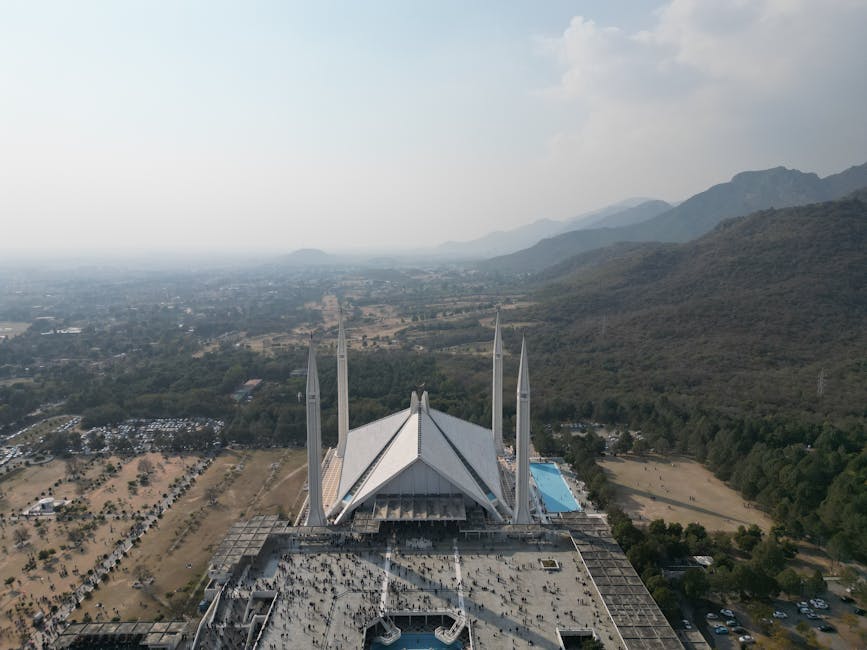
Islamabad serves as a clean, green gateway to Pakistan. Unlike many South Asian capitals, it’s planned, orderly, and surrounded by hills. The city blends modern infrastructure with cultural sites like the Faisal Mosque—one of the largest mosques in the world—and the Pakistan Monument, a striking symbol of national unity.
Visit Daman-e-Koh for panoramic views of the city and Margalla Hills National Park for hiking. The Lok Virsa Museum offers insight into Pakistan’s diverse ethnic traditions. Islamabad is also a practical base for day trips to nearby Taxila, a UNESCO World Heritage Site with ancient Buddhist ruins.
Lahore: The Cultural Heart
Lahore pulses with energy, history, and flavor. Known as the “Heart of Pakistan,” it’s a city where Mughal grandeur meets street food chaos. The Lahore Fort and Badshahi Mosque, both from the 17th century, are architectural masterpieces set within expansive gardens.
Wander through the Walled City’s narrow alleys to find artisan workshops, spice markets, and hidden havelis. Don’t miss the food scene—Lahore is famous for its nihari, gol gappay, and lassi. The Anarkali Bazaar is perfect for souvenirs and people-watching.
Karachi: The Coastal Metropolis
Karachi, Pakistan’s largest city, is a study in contrasts. Skyscrapers rise beside fishing villages, and upscale malls neighbor bustling street markets. It’s a port city with a cosmopolitan edge, shaped by decades of migration and trade.
Clifton Beach offers sea views and local snacks, while the Quaid-e-Azam’s Mausoleum honors the nation’s founder. For history, visit the Mohatta Palace Museum. Karachi is also a gateway to the Makran Coastal Highway, a scenic drive along the Arabian Sea.
Northern Areas: Nature’s Playground
The northern regions of Gilgit-Baltistan and Khyber Pakhtunkhwa are Pakistan’s crown jewels. Home to five of the world’s 14 highest peaks—including K2—this area draws trekkers, climbers, and photographers from around the globe.
Skardu, a high-altitude town, is the hub for expeditions into the Karakoram. From here, you can visit Shigar Valley, Khaplu, and the dramatic Deosai Plains—known as the “Land of Giants”—where brown bears roam and wildflowers bloom in summer.
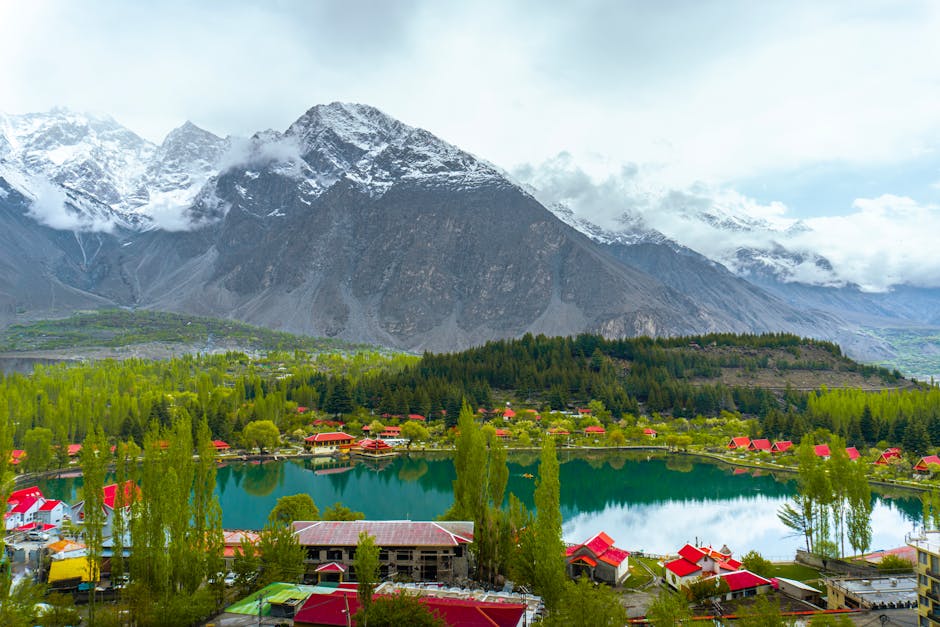
Hunza Valley: A Hidden Paradise
Often called “Shangri-La,” Hunza Valley is one of Pakistan’s most photographed destinations. Nestled between the Karakoram and Himalayan ranges, it offers views of Rakaposhi, Ultar Sar, and Ladyfinger Peak.
The valley is dotted with terraced farms, apricot orchards, and stone villages like Altit and Baltit. The latter features a 700-year-old fort now serving as a museum. Locals are known for their longevity and hospitality, and the region has a distinct cultural identity shaped by centuries of relative isolation.
Swat Valley: The Switzerland of Pakistan
Once a center of Buddhist learning, Swat Valley today is a lush, mountainous retreat. Known for its waterfalls, pine forests, and trout-filled rivers, it’s a favorite among domestic tourists and hikers.</p
The town of Saidu Sharif houses the Swat Museum, which houses Buddhist relics. Malam Jabba, a ski resort, operates in winter, while Ushu Forest offers day hikes with panoramic views. The valley has recovered significantly since past instability and is now considered safe for travelers.
Mohenjo-daro: Ancient Wonder
Step back over 4,500 years at Mohenjo-daro, one of the world’s earliest urban settlements. Located near Larkana in Sindh, this Indus Valley Civilization site predates the pyramids of Egypt.
Excavated in the 1920s, the ruins include a Great Bath, granaries, and a sophisticated drainage system. Though less visited than Egypt or Mesopotamia, it’s a profound archaeological site. Plan a visit with a guide to understand the layout and significance.
Essential Travel Tips for Pakistan
Visa and Entry Requirements
Most travelers need a visa to enter Pakistan. Citizens of over 100 countries can apply online through the NADRA e-Visa system. Tourist visas are typically issued for 30–90 days and can be single or multiple entry.
Ensure your passport is valid for at least six months beyond your arrival date. Overstaying can result in fines or deportation. Check with your nearest Pakistani embassy for the latest requirements, especially if traveling from a country with complex diplomatic relations.
Best Time to Travel
The ideal time to visit depends on your destination. For the northern areas, May to September offers mild weather and open roads. Winter brings snow, closing many high-altitude routes like the Karakoram Highway.
In the south, including Karachi and Mohenjo-daro, October to March is best to avoid extreme summer heat. Lahore and Islamabad are pleasant in spring (March–April) and autumn (October–November).
Transportation and Getting Around
Domestic flights connect major cities like Islamabad, Lahore, Karachi, and Gilgit. Pakistan International Airlines (PIA) operates most routes, though delays can occur.
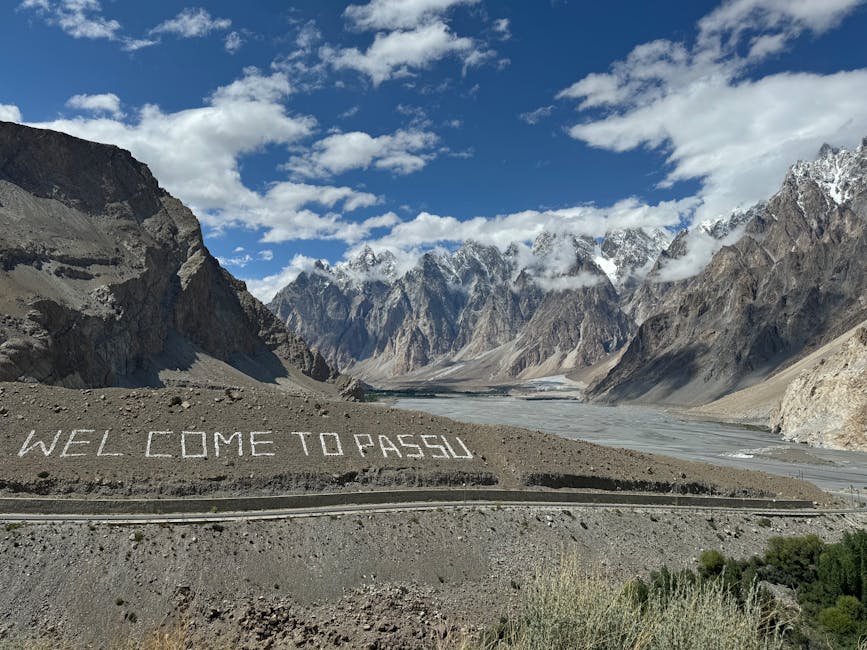
For overland travel, Daewoo buses offer comfortable, air-conditioned service between cities. In rural areas, shared taxis and minibuses are common but less reliable. Renting a car with a driver is recommended for flexibility, especially in the north.
Always carry your passport and a copy of your visa. Security checks are frequent, and officials may ask for identification.
Accommodation Options
Accommodation ranges from luxury hotels in cities to basic guesthouses in remote areas. In Islamabad and Lahore, international chains like Serena and Marriott offer high standards. Karachi has a growing number of boutique hotels.
In the north, family-run guesthouses and eco-lodges provide authentic stays. In Hunza, places like the Hunza Embassy Hotel or local homestays offer comfort with mountain views. Book in advance during peak season (June–August).
Food and Drink Safety
Pakistani cuisine is flavorful and diverse, with regional specialties like biryani, chapli kebab, and saag. Street food is popular but choose busy stalls with high turnover to reduce risk.
Drink only bottled or boiled water. Avoid ice in drinks unless you’re sure it’s made from purified water. Stick to freshly cooked meals and peel fruits yourself.
Vegetarian options are widely available, especially in urban areas. Many dishes use lentils, rice, and vegetables. Inform servers of dietary restrictions—most are accommodating.
Health and Safety
Consult a travel clinic before departure. Vaccinations for hepatitis A, typhoid, and tetanus are recommended. Consider malaria prophylaxis if visiting rural Sindh or Balochistan.
Tap water is not safe to drink. Use hand sanitizer and avoid raw salads in remote areas. Medical facilities are adequate in cities but limited in villages. Travel insurance with emergency evacuation is essential.
While Pakistan has improved security in recent years, avoid border regions near Afghanistan and Iran. Check your government’s travel advisories and register with your embassy upon arrival.
Dress Code and Cultural Etiquette
Pakistan is a conservative country. Dress modestly—cover shoulders and knees, especially in rural areas and religious sites. Women may want to carry a scarf for mosques or formal settings.
Greetings are important. Use “Assalamu alaikum” (peace be upon you) and respond with “Wa alaikum assalam.” Accept tea or snacks when offered—it’s a sign of respect. Remove shoes before entering homes and mosques.
Avoid public displays of affection. Photography of military sites, airports, or government buildings is prohibited. Always ask before photographing people.
Money and Budgeting
The local currency is the Pakistani Rupee (PKR). ATMs are available in cities, but carry cash for rural areas. Credit cards are accepted in major hotels and restaurants, but not widely elsewhere.
Daily budgets vary. In cities, expect to spend $30–$60 per day for mid-range travel. In the north, costs can be higher due to logistics. Bargaining is common in markets, but be polite and respectful.
Connectivity and Internet
Mobile coverage is good in urban areas but spotty in mountains. Purchase a local SIM card from Jazz, Zong, or Telenor at the airport or in cities. Registration with your passport is required.
Wi-Fi is available in hotels and cafes, but speeds may vary. Download offline maps and translation apps before heading to remote areas.
Sample Itinerary: 10 Days in Pakistan
Days 1–2: Islamabad
Arrive in Islamabad. Visit Faisal Mosque, Pakistan Monument, and hike in Margalla Hills. Take a day trip to Taxila.
Days 3–4: Lahore
Fly or take a bus to Lahore. Explore the Walled City, Badshahi Mosque, and enjoy street food. Visit Shalimar Gardens.
Days 5–7: Hunza Valley
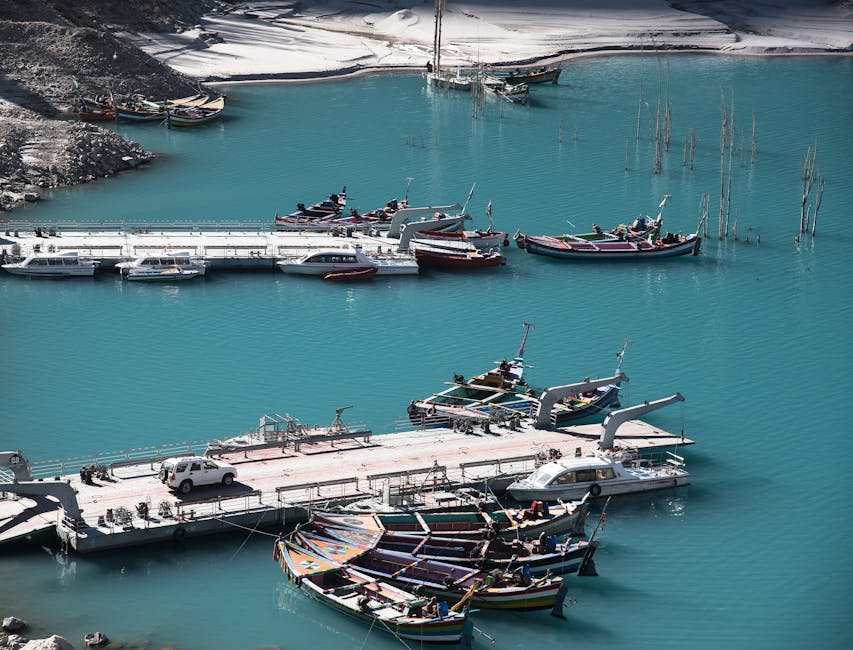
Fly to Gilgit, then drive to Hunza (4–5 hours). Explore Altit and Baltit Forts, hike to Attabad Lake, and enjoy mountain views.
Days 8–9: Skardu
Travel to Skardu via the Karakoram Highway. Visit Satpara Lake and take a jeep tour to Shangrila Resort.
Day 10: Return
Fly back to Islamabad for departure.
Final Thoughts
Pakistan is a destination that rewards the curious traveler. Its landscapes are dramatic, its history deep, and its people genuinely welcoming. While planning requires attention to logistics and safety, the effort pays off in unforgettable experiences.
With proper preparation, a trip to Pakistan can be one of the most rewarding journeys of your life. From the peaks of K2 to the streets of Lahore, every corner tells a story.
FAQ
Is Pakistan safe for tourists?
Yes, for most travelers. Major tourist areas like Hunza, Lahore, and Islamabad are generally safe. Avoid border regions and check official travel advisories before departure.
Do I need a visa to visit Pakistan?
Most nationalities require a visa. Apply online via the NADRA e-Visa portal. Processing usually takes 5–10 business days.
What is the best way to travel within Pakistan?
Domestic flights are fastest for long distances. For shorter trips, use reputable bus services or hire a private driver. Always carry ID.