Bangladesh Travel Guide: Best Places and Travel Tips
Bangladesh offers a rich blend of culture, nature, and history that’s often overlooked by travelers. From the bustling streets of Dhaka to the serene backwaters of the Sundarbans, this South Asian country delivers authentic experiences with warm hospitality. Whether you’re drawn to ancient temples, lush river deltas, or vibrant festivals, Bangladesh rewards curious visitors with unforgettable moments. This guide covers essential destinations, practical advice, and insider tips to help you plan a safe and enriching trip.
Top Destinations in Bangladesh
Dhaka: The Heartbeat of the Nation
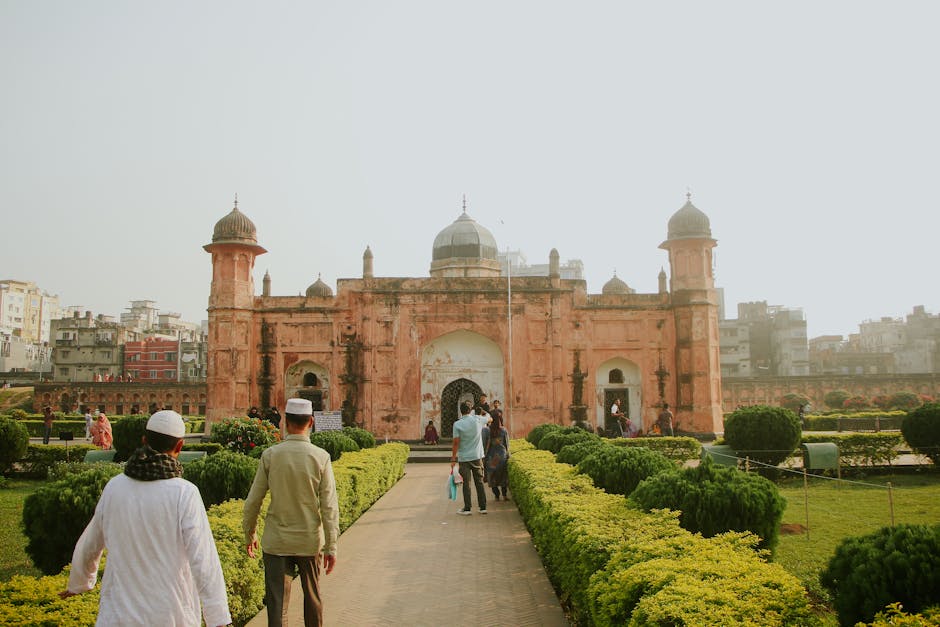
As the capital and largest city, Dhaka is a chaotic yet captivating introduction to Bangladesh. The city pulses with energy—rickshaws weave through narrow lanes, street vendors serve spicy fuchka, and historic mosques stand beside modern high-rises. Don’t miss Lalbagh Fort, an incomplete 17th-century Mughal structure with a museum and gardens.
A boat ride on the Buriganga River offers a unique perspective of the city’s skyline and daily life along the waterfront. For a quieter escape, visit Ahsan Manzil, the pink palace of the Nawabs, now a well-preserved museum showcasing colonial-era artifacts.
Sylhet: Tea Gardens and Spiritual Retreats
Nestled in the northeast, Sylhet is famed for its rolling tea estates, misty hills, and Sufi shrines. The region produces some of the world’s finest tea, and visiting a plantation like Malnichara or Shahjalal Tea Garden gives insight into the labor-intensive process behind each cup.
The Shahjalal Shrine attracts pilgrims and tourists alike, while Ratargul Swamp Forest—often called the “Sundarbans of the northeast”—offers serene boat rides through flooded evergreen forests. It’s one of the few freshwater swamp forests in Bangladesh and best explored during monsoon season.
Sundarbans: The World’s Largest Mangrove Forest
Spanning over 10,000 square kilometers, the Sundarbans is a UNESCO World Heritage Site and home to the endangered Royal Bengal Tiger. Accessible via Khulna or Mongla, multi-day boat safaris allow visitors to explore dense mangroves, spot spotted deer, and possibly glimpse a tiger or crocodile.
Always travel with licensed guides and registered operators. Unauthorized tours risk environmental damage and personal safety. The best time to visit is between November and February, when weather is cooler and wildlife is more active.
Cox’s Bazar: Longest Natural Sea Beach
Stretching over 120 kilometers, Cox’s Bazar boasts the world’s longest unbroken sandy shoreline. While parts of the beach can get crowded, early mornings offer peaceful walks and stunning sunrises. Nearby Inani Beach is quieter and ideal for swimming.
For a cultural detour, visit the fishing village of Himchari or the Buddhist temple at Ramu. The area also serves as a gateway to the remote island of St. Martin, a coral-rich paradise perfect for snorkeling and day trips.
Bagerhat and the Sixty Dome Mosque
Once a thriving port city during the Bengal Sultanate, Bagerhat is now a quiet town centered around the magnificent Sixty Dome Mosque (Shat Gombuj Masjid). Built in the 15th century, this UNESCO site features 60 intricately carved domes and remains one of the largest mosques in South Asia.
Explore nearby ruins of mosques, tombs, and water reservoirs that reflect the region’s Islamic architectural heritage. Bagerhat is easily reached from Khulna and pairs well with a Sundarbans itinerary.
When to Visit Bangladesh
The ideal time to travel is during the dry season, from November to March. Temperatures are mild, rainfall is minimal, and outdoor activities are most enjoyable. December and January are peak months, so book accommodations and transport early.
Avoid the monsoon season (June to September), when heavy rains can cause flooding and disrupt travel plans. Summers (April to May) are extremely hot and humid, especially in Dhaka and Chittagong, making sightseeing uncomfortable.
If you’re interested in festivals, plan around major events like Pohela Boishakh (Bengali New Year in April) or Eid celebrations, which vary by lunar calendar. These offer vibrant cultural experiences but may affect transport and hotel availability.
Getting Around: Transport Tips
Domestic Flights
For long distances, domestic flights are efficient and affordable. Novoair and US-Bangla Airlines connect Dhaka with Sylhet, Chittagong, Cox’s Bazar, and Saidpur. Flights take under an hour and avoid lengthy road journeys.
Book tickets online in advance, especially during holidays. Arrive at the airport at least 90 minutes before departure, as security checks can be slow.
Trains
Bangladesh Railway offers a scenic and budget-friendly way to travel between major cities. The intercity trains from Dhaka to Chittagong or Sylhet are reliable and comfortable, with air-conditioned and non-AC classes available.
Reserve seats ahead of time through the official railway website or at station counters. Trains often run on schedule, but delays can occur during peak seasons.
Buses and Local Transport
Long-distance buses are widely available but vary in comfort. Green Line and Shohagh offer premium AC coaches with reclining seats, while local buses are cheaper but crowded.
In cities, rickshaws are iconic and convenient for short trips. Agree on fares beforehand or use the Pathao app for metered rides. Ride-sharing apps like Uber also operate in Dhaka and Chittagong.
Avoid driving yourself—traffic is chaotic, signage is limited, and road conditions can be poor outside urban centers.
Accommodation Options
Bangladesh offers a range of lodging, from luxury hotels to budget guesthouses. In Dhaka and Chittagong, international chains like Pan Pacific and InterContinental provide reliable comfort. Boutique hotels in Sylhet and Cox’s Bazar blend local design with modern amenities.
For authentic stays, consider eco-lodges near the Sundarbans or family-run guesthouses in rural areas. Always check recent reviews and confirm amenities like hot water and Wi-Fi, which may be inconsistent in remote regions.
Booking in advance is recommended during festivals or peak season. Use trusted platforms like Booking.com or Agoda, and verify cancellation policies.
Food and Dining
Bangladeshi cuisine is bold, spicy, and deeply flavorful. Rice and fish are staples, with dishes like hilsa curry, beef kala bhuna, and biryani dominating menus. Street food is abundant—try jhalmuri (spicy puffed rice) or chotpoti (tangy chickpea salad) from trusted vendors.
In coastal areas, fresh seafood is a must. At Cox’s Bazar, grilled pomfret and crab curry are local favorites. Vegetarian options are available but may be limited outside major cities.
Drink bottled or filtered water exclusively. Avoid ice in drinks unless you’re certain it’s made from purified water. Stick to freshly cooked meals and peelable fruits to reduce the risk of stomach issues.
Safety and Health Considerations
Bangladesh is generally safe for tourists, but petty crime like pickpocketing occurs in crowded areas. Keep valuables secure, avoid displaying expensive items, and use hotel safes when available.
Tap water is not safe to drink. Use bottled water for drinking and brushing teeth. Carry hand sanitizer and wet wipes, especially when traveling to rural areas.
Consult a travel clinic before departure. Recommended vaccines include hepatitis A, typhoid, and tetanus. Malaria prophylaxis may be advised for rural or forested regions like the Sundarbans.
Travel insurance with medical coverage is essential. Ensure it includes emergency evacuation, as local hospitals may lack advanced facilities.
Cultural Etiquette and Tips
Bangladesh is a conservative Muslim-majority country. Dress modestly, especially when visiting religious sites or rural areas. Women should cover shoulders and knees; men should avoid sleeveless shirts in public.
Remove shoes before entering mosques, homes, or temples. Use your right hand for giving or receiving items, as the left is considered unclean.
Greetings are important. A simple “Assalamu Alaikum” (peace be upon you) is appreciated. Accept tea or snacks if offered—it’s a sign of respect.
Photography is allowed in most places, but always ask permission before photographing people, especially women. Some religious sites restrict photography indoors.
Packing Essentials
Pack lightweight, breathable clothing in natural fabrics like cotton. Include a light scarf or shawl for temple visits and sun protection. A rain jacket or compact umbrella is useful year-round.
Bring comfortable walking shoes, sandals, and water shoes for beach or swamp visits. Power adapters are needed—Bangladesh uses Type C, D, and G plugs with 220V voltage.
Don’t forget sunscreen, insect repellent, a reusable water bottle with filter, and basic medications. A small daypack is handy for excursions.
Budgeting for Your Trip
Bangladesh is one of the most affordable travel destinations in Asia. Budget travelers can get by on $25–$35 per day, including food, transport, and lodging. Mid-range travelers should budget $50–$80 daily.
Street food costs as little as $1, while restaurant meals range from $3–$8. Domestic flights start around $50 one-way, and train tickets are under $10 for most routes.
Entrance fees to historical sites are minimal, usually under $2. Tipping is not expected but appreciated for good service—round up bills or leave 5–10% in restaurants.
Sustainable Travel Practices
Support local economies by eating at family-run restaurants, buying handicrafts from artisans, and hiring local guides. Avoid single-use plastics—carry a reusable bag and water bottle.
In ecologically sensitive areas like the Sundarbans, follow park rules strictly. Do not disturb wildlife, leave no trash, and use only authorized tour operators.
Respect cultural norms and traditions. Travel with curiosity and humility, and you’ll leave a positive impression.
Final Thoughts
Bangladesh may not top every traveler’s list, but those who visit are rewarded with genuine connections, stunning landscapes, and a culture that’s both ancient and alive. With careful planning and an open mind, your journey through this vibrant nation can be deeply rewarding.
Use this Bangladesh travel guide to navigate the essentials—from must-see destinations to practical tips—and prepare for an adventure that’s as enriching as it is authentic.
FAQ
Is Bangladesh safe for tourists?
Yes, Bangladesh is generally safe for travelers. Petty crime exists in cities, so stay aware in crowded areas. Avoid political gatherings and remote border regions. Register with your embassy and keep emergency contacts handy.
Do I need a visa to visit Bangladesh?
Most travelers require a visa. Citizens of over 50 countries can obtain a visa on arrival at Dhaka Airport for short stays, but it’s safer to apply online in advance through the Bangladesh eVisa portal.
What’s the best way to experience the Sundarbans?
Book a guided boat tour with a licensed operator from Khulna or Mongla. Multi-day trips offer the best wildlife viewing and access to remote areas. Always travel in groups and follow guide instructions for safety.