Top Travel Destinations for Digital Nomads Worldwide
Digital nomads are redefining work and travel by choosing locations that offer reliable internet, affordable living, and a welcoming community. The best destinations balance cost of living, safety, visa accessibility, and coworking infrastructure. Whether you’re coding from a beachfront café in Bali or attending virtual meetings in Lisbon’s historic districts, the right location can boost productivity and enrich your experience. This guide highlights top travel destinations for digital nomads worldwide, based on real-world factors like internet speed, community support, and quality of life.
What Makes a Destination Ideal for Digital Nomads?
A strong digital nomad destination isn’t just about scenic views or low prices. It must support a sustainable remote work lifestyle. Key factors include high-speed internet, affordable accommodations, coworking spaces, and ease of obtaining long-term visas. Safety, healthcare access, and local culture also play major roles.
For example, cities like Chiang Mai and Medellín consistently rank high due to their reliable infrastructure and expat-friendly environments. Meanwhile, newer hubs like Tbilisi and Lisbon are gaining traction thanks to government-backed nomad visas and growing tech communities.
Internet Reliability and Speed
Fast, stable internet is non-negotiable. Most digital nomads require at least 25 Mbps for video calls and cloud-based work. Destinations with fiber-optic networks or widespread 4G/5G coverage are preferred. Countries like Estonia and South Korea lead in connectivity, while some tropical islands may lag despite their appeal.
Always verify local internet speeds through tools like Speedtest.net or nomad forums before committing to a location. Coworking spaces often provide backup connections, which can be a lifesaver during outages.
Cost of Living and Budget Flexibility
Affordability varies widely. Southeast Asia offers some of the lowest costs—Bangkok and Ho Chi Minh City allow comfortable living on $800–$1,200 per month. In contrast, European cities like Berlin or Barcelona range from $1,500 to $2,500.
Budget-conscious nomads often use a “hub-and-spoke” model: stay longer in low-cost regions and take short trips to pricier areas. This balances adventure with financial sustainability.
Visa Policies and Long-Term Stays
Many countries now offer digital nomad visas, allowing stays of 6 months to 2 years. Portugal, Croatia, and Mexico have popular programs with straightforward applications. These visas often require proof of income, health insurance, and a clean criminal record.
Always check visa renewal options. Some countries limit consecutive stays, while others permit extensions or path-to-residency. Overstaying can lead to bans, so plan accordingly.
Top Destinations for Digital Nomads in 2024
Based on community feedback, infrastructure, and livability, these locations stand out as top travel destinations for digital nomads worldwide. Each offers a unique blend of work support, culture, and lifestyle.
Lisbon, Portugal
Lisbon combines European charm with modern nomad infrastructure. The city boasts coworking spaces like Second Home and Heden, plus reliable fiber internet. Public transit is efficient, and English is widely spoken.
Portugal’s D7 visa allows remote workers to live in the country for up to two years. The cost of living is moderate—around $1,800 per month for a comfortable lifestyle. Neighborhoods like Alfama and Príncipe Real offer a mix of history and coworking cafes.
One downside: rising rents due to popularity. Booking accommodation early is recommended, especially during peak seasons.
Chiang Mai, Thailand
Chiang Mai remains a favorite for its low cost of living and strong nomad community. Monthly expenses can be under $1,000, including rent, food, and coworking. Spaces like Punspace and CAMP provide excellent work environments.
Internet speeds are generally good, though rural areas may vary. The city’s slow pace and cultural sites—like Doi Suthep Temple—offer a balanced lifestyle. However, air quality can be poor during burning season (February–April).
Thailand’s tourist visa allows 60-day stays, extendable to 90. For longer stays, consider the Elite Visa or education-based extensions.
Mexico City, Mexico
Mexico City blends vibrant culture with strong infrastructure. Neighborhoods like Roma and Condesa are full of cafes, galleries, and coworking spots such as WeWork and Impact Hub.
The cost of living is reasonable—around $1,200 per month. Internet is widely available, and the city has a growing tech scene. The temporary resident visa allows stays up to four years with proof of income.
Traffic and pollution can be challenging. Use the Metro or bike-sharing programs to navigate efficiently. Safety varies by area, so research neighborhoods before settling in.
Tallinn, Estonia
Tallinn is a pioneer in digital governance and remote work support. The country’s Digital Nomad Visa grants one-year residency to qualified applicants. The city is compact, safe, and full of tech-savvy locals.
Coworking spaces like Lift99 and Spring Hub foster innovation. Internet speeds exceed 100 Mbps in most areas. English proficiency is high, easing communication.
The climate is cold and dark in winter, which may affect mood. However, summer offers long days and outdoor festivals. Budget around $1,600 per month for a comfortable stay.
Medellín, Colombia
Medellín has transformed into a modern, innovative city with excellent nomad infrastructure. The “City of Eternal Spring” enjoys mild weather year-round. Coworking spaces like Selina and HubBOG (in nearby Bogotá) are well-equipped.
Living costs average $900–$1,300 per month. Internet is reliable in central areas, and the metro system connects key districts. The tourist visa allows 90-day stays, renewable upon exit and re-entry.
Be mindful of safety in certain neighborhoods. Stick to well-lit, populated areas and use trusted transport apps like Beat or Uber.
Bali, Indonesia
Bali, especially Canggu and Ubud, attracts nomads with its tropical setting and strong community. Beachfront cafes and coworking spaces like Dojo Bali offer inspiring work environments.
Monthly costs range from $800 to $1,500, depending on lifestyle. Internet can be inconsistent in rural villas, so opt for coliving spaces with backup connections. The new digital nomad visa (expected in 2024) may simplify long-term stays.
Traffic congestion and seasonal humidity are common challenges. Rent scooters for flexibility, but wear helmets and follow local traffic norms.
Berlin, Germany
Berlin offers a dynamic cultural scene and strong tech ecosystem. The city is known for its affordability (compared to other Western European capitals) and creative energy. Coworking spaces like Ahoy! and St. Oberholz are popular.
Monthly expenses average $1,700. Internet is fast and widely available. While Germany doesn’t have a formal nomad visa, the freelance visa allows self-employed remote work with proper registration.
Language can be a barrier, though many locals speak English. Winters are long and gray, which may impact mood. Join local meetups to build connections.
Dubai, UAE
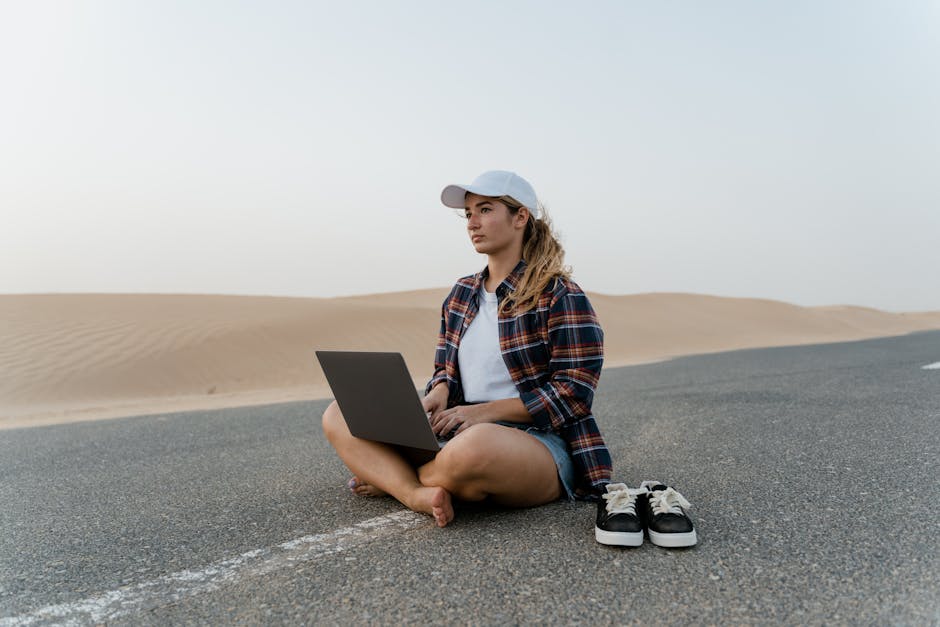
Dubai has emerged as a global hub for remote workers. The city offers a one-year freelance visa and world-class infrastructure. Internet speeds are among the fastest globally, and coworking spaces like Astrolabs and The Bureau are top-tier.
Living costs are high—$2,500+ per month—but tax-free income appeals to many. The city is safe, modern, and well-connected. However, summer heat can exceed 40°C, limiting outdoor activity.
Visa requirements include proof of income and health insurance. Remote work is permitted under the freelance visa, but employment with a local company requires a work permit.
Buenos Aires, Argentina
Buenos Aires offers European flair at a lower cost. The city is rich in culture, with tango, cafes, and bookshops on every corner. Neighborhoods like Palermo and San Telmo are nomad-friendly.
Monthly expenses range from $1,000 to $1,600. Internet is generally reliable, though older buildings may have slower connections. Argentina’s tourist visa allows 90-day stays, extendable for another 90 days.
Currency fluctuations can affect budgeting. Use stablecoins or USD for larger purchases. Safety varies by area—avoid walking alone at night in less touristy zones.
Cape Town, South Africa
Cape Town blends natural beauty with growing nomad infrastructure. Table Mountain, beaches, and vineyards provide endless exploration. Coworking spaces like Workshop17 and The Bureaux support remote work.
Living costs are moderate—around $1,200 per month. Internet is fast in city centers, but load-shedding (planned power outages) can disrupt work. Backup power solutions are essential.
South Africa offers a remote work visa for stays up to one year. Crime is a concern in certain areas, so research neighborhoods and use secure transport.
How to Choose the Right Destination for You
Not every top destination suits every nomad. Personal preferences, work requirements, and lifestyle goals should guide your choice. Consider these steps to make an informed decision.
Assess Your Work Needs
Do you need ultra-fast internet for video editing or coding? Are quiet environments essential, or do you thrive in bustling cafes? Match your work style to the destination’s infrastructure.
For example, freelancers in creative fields may prefer Berlin or Buenos Aires for inspiration. Tech professionals might prioritize Tallinn or Dubai for connectivity and innovation.
Evaluate Climate and Environment
Climate affects mood and productivity. Some nomads thrive in tropical heat, while others prefer temperate zones. Consider seasonal changes—monsoons in Bali, snow in Berlin, or dry seasons in Cape Town.
If you’re sensitive to weather, choose destinations with stable climates year-round, like Medellín or Lisbon.
Test Before Committing
Stay for a short trial period—two to four weeks—before committing long-term. This helps assess internet reliability, local culture, and daily logistics. Use platforms like Nomad List or Facebook groups to connect with current residents.
Many nomads rotate between 2–3 locations every few months to experience different environments without overcommitting.
Plan for Connectivity and Backup
Always have a backup plan for internet outages. Purchase local SIM cards with data plans, or invest in a portable Wi-Fi device. Coworking spaces often serve as reliable fallbacks.
Download offline maps, documents, and communication tools in case of service interruptions.
Practical Tips for Digital Nomads
Success as a digital nomad goes beyond choosing the right location. Daily habits and preparation make a significant difference.
Build a Routine
Structure your day around work blocks, breaks, and exploration. Use time zone differences to your advantage—schedule calls during your morning if clients are in later time zones.
Apps like Toggl or Google Calendar help track time and maintain consistency across locations.
Stay Connected Safely
Use a reputable VPN to protect your data on public networks. Avoid sensitive transactions on unsecured Wi-Fi. Enable two-factor authentication on all accounts.

Keep digital copies of important documents in encrypted cloud storage.
Manage Finances Wisely
Use multi-currency accounts like Wise or Revolut to reduce exchange fees. Track expenses with tools like Expensify or Mint. Set aside funds for emergencies and visa renewals.
Some countries tax foreign income—consult a tax professional familiar with international remote work.
Join the Community
Local meetups, coworking events, and online forums help build connections. Platforms like Meetup.com, Nomad List, and Slack groups foster support and collaboration.
Building relationships reduces isolation and opens doors to opportunities, from housing shares to project collaborations.
Common Challenges and How to Overcome Them
Even in top destinations, digital nomads face hurdles. Anticipating these issues helps maintain productivity and well-being.
Time Zone Differences
Working across time zones can disrupt sleep and communication. Set clear availability hours and use scheduling tools like Calendly to manage meetings.
If clients are in vastly different zones, consider adjusting your work schedule temporarily or hiring a local assistant.
Loneliness and Isolation
Constant travel can lead to social fatigue. Make an effort to form local friendships and maintain regular contact with family and friends back home.
Join coliving spaces or group retreats designed for nomads to build community.
Burnout and Overwork
The freedom of remote work can blur work-life boundaries. Set strict work hours and take regular breaks. Use the Pomodoro technique to maintain focus without exhaustion.
Schedule downtime for exploration and relaxation. Remember, the goal is sustainable travel, not constant productivity.
Final Thoughts
The best travel destinations for digital nomads worldwide offer more than just Wi-Fi and cheap rent. They provide environments where work, culture, and personal growth intersect. From Lisbon’s historic streets to Bali’s rice terraces, each location offers unique advantages.
Success comes from preparation, flexibility, and community. Choose destinations that align with your work needs and lifestyle goals. Test locations before long-term stays, and always have backup plans for connectivity and safety.
As remote work continues to grow, more cities will adapt to support digital nomads. Stay informed, stay connected, and embrace the journey.
FAQ
What is the cheapest destination for digital nomads?
Chiang Mai, Thailand, and Medellín, Colombia, are among the most affordable, with monthly costs under $1,200 including rent, food, and coworking.
Do I need a visa to work remotely from another country?
It depends on the country. Many offer tourist visas that allow remote work, while others require specific digital nomad visas. Always check local regulations before traveling.
How do I ensure reliable internet while traveling?
Research internet speeds in advance, use coworking spaces with backup connections, and carry a local SIM card or portable Wi-Fi device for emergencies.