Wildlife Travel Guide for Exploring Natural Habitats
Exploring natural habitats offers a rare chance to witness wildlife in their native environments. A well-planned wildlife travel guide ensures safe, respectful, and rewarding encounters with animals in the wild. Whether you’re trekking through rainforests, sailing along coastlines, or driving across savannas, understanding how to observe animals responsibly is key. This guide covers essential destinations, preparation tips, and ethical practices to help you make the most of your adventure while protecting fragile ecosystems.
Why Explore Natural Habitats?
Natural habitats are the last frontiers where wildlife thrives without human interference. These environments support complex food webs and rare species found nowhere else. Observing animals in their native settings offers deeper insights into behavior, migration, and survival strategies.
Unlike zoos or sanctuaries, wild habitats provide authentic experiences. You might see a jaguar stalking prey in the Pantanal or a humpback whale breaching off the coast of Alaska. These moments create lasting memories and foster a greater appreciation for conservation.
Top Destinations for Wildlife Travel
African Savannas: The Classic Safari Experience
Kenya’s Maasai Mara and Tanzania’s Serengeti are legendary for the Great Migration. Over two million wildebeest, zebras, and gazelles move across the plains each year. Predators like lions, cheetahs, and hyenas follow closely behind.
Game drives at dawn or dusk offer the best visibility. Use a certified guide and stay inside your vehicle at all times. Avoid loud noises or sudden movements that could disturb animals.
Amazon Rainforest: Biodiversity at Its Peak
Spanning nine countries, the Amazon is home to more than 10% of Earth’s known species. Pink river dolphins, harpy eagles, and poison dart frogs are just a few highlights. Canoe trips along tributaries and guided night walks reveal creatures rarely seen during the day.
Choose eco-lodges that support local communities and limit environmental impact. Mosquito nets and waterproof gear are essential. Always travel with a local guide who knows the terrain and animal behavior.
Galápagos Islands: Evolution in Action
This UNESCO World Heritage site inspired Darwin’s theory of evolution. Giant tortoises, marine iguanas, and blue-footed boobies live with minimal fear of humans. Strict visitor rules protect the fragile ecosystem.
Snorkeling with sea lions or hiking near volcanic craters offers intimate wildlife encounters. Stay on marked trails and never touch or feed the animals. Tour operators must be licensed by the Galápagos National Park.
Arctic and Subarctic Regions: Cold-Climate Wonders
Svalbard, Norway, and Churchill, Canada, are prime spots for polar bear viewing. In summer, migratory birds nest in vast colonies along the tundra. Winter brings the chance to see the aurora borealis alongside Arctic foxes and reindeer.
Travel with experienced guides and wear insulated, windproof clothing. Maintain a safe distance from polar bears—use telephoto lenses instead of approaching on foot.
Coastal and Marine Habitats: Oceans Alive
The Great Barrier Reef, Monterey Bay, and the coast of South Africa offer rich marine life. Whale sharks, sea turtles, and orcas are common sightings. Responsible snorkeling and diving minimize coral damage.
Never touch coral or chase marine animals. Use reef-safe sunscreen and avoid anchoring boats on fragile reefs. Choose operators certified by organizations like Green Fins or the Global Sustainable Tourism Council.
How to Prepare for a Wildlife Adventure
Research Your Destination
Learn about the region’s climate, wildlife, and conservation status. Check travel advisories and entry requirements. Some parks require permits or have limited access during certain seasons.
Understand local regulations. In Rwanda, mountain gorilla treks are limited to one hour per group. In Botswana, off-road driving is prohibited to protect vegetation.
Pack the Right Gear
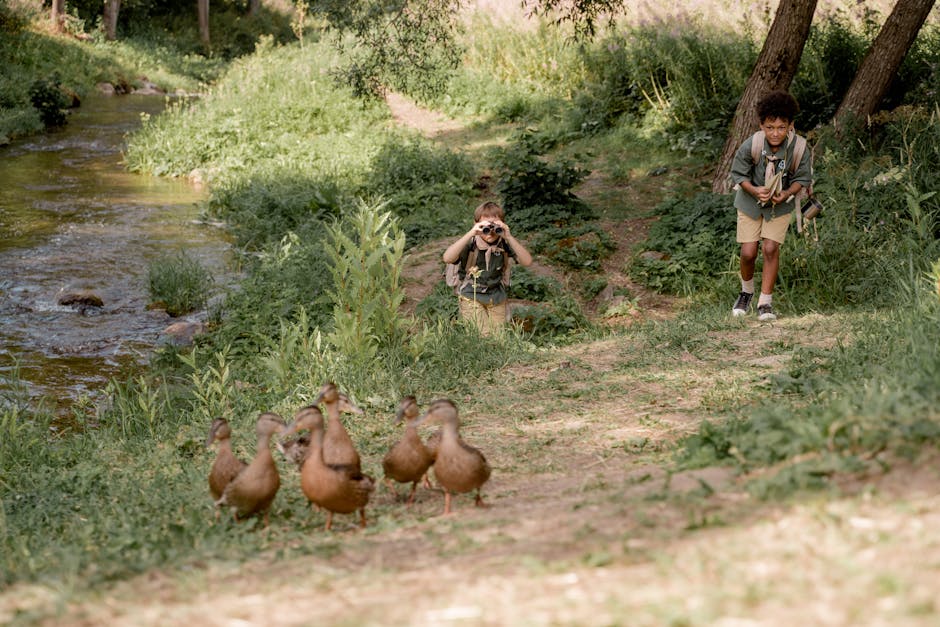
Bring binoculars, a camera with zoom lens, and a field guide. Neutral-colored clothing helps you blend in. Avoid bright colors and strong perfumes that may attract insects or alert animals.
Carry a reusable water bottle, first-aid kit, and insect repellent. In tropical areas, treat clothing with permethrin for added protection against ticks and mosquitoes.
Choose Responsible Tour Operators
Look for companies with strong conservation ethics and local partnerships. Ask about their environmental policies and community involvement. Small-group tours often have less impact than large buses or cruise ships.
Read reviews from past travelers. Reputable operators provide trained guides, clear safety briefings, and transparent pricing.
Ethical Wildlife Viewing Practices
Keep Your Distance
Use binoculars or zoom lenses instead of approaching animals. Getting too close can cause stress, alter behavior, or provoke defensive reactions. A safe rule is to stay at least 25 meters from large mammals and 10 meters from birds.
In national parks, follow posted guidelines. In Yellowstone, visitors must stay 100 yards from bears and wolves. In Antarctica, a 5-meter distance is required from all wildlife.
Do Not Feed Wild Animals
Feeding disrupts natural diets and can make animals dependent on humans. It also increases the risk of disease transmission and aggressive behavior. Monkeys in Bali and bears in North America have become problematic due to tourist feeding.
Store food securely. Use bear-proof containers in camping areas and never leave scraps behind.
Minimize Noise and Light
Speak softly and avoid sudden movements. Loud noises can scare animals or interfere with communication. At night, use red-filtered flashlights to reduce disturbance to nocturnal species.
Turn off camera flashes when photographing animals in dark environments. Bright light can disorient or harm sensitive eyes.
Leave No Trace
Pack out all trash, including food wrappers and tissues. Stay on designated paths to prevent soil erosion and habitat damage. Avoid picking plants or disturbing nests.
Respect cultural sites and local communities. Ask permission before photographing people or entering sacred areas.
Seasonal Considerations for Wildlife Travel
Best Times to Visit
Wildlife activity varies by season. In East Africa, the dry season (June to October) offers better visibility as animals gather around water sources. In the Arctic, summer (June to August) provides 24-hour daylight and active wildlife.
In tropical regions, the dry season reduces mosquito populations and improves trail conditions. However, some species are more active during rainy periods. Research peak activity times for your target animals.
Avoiding Crowds
Popular destinations like the Galápagos or Kruger National Park can get crowded. Travel during shoulder seasons for fewer tourists and lower prices. Early mornings and weekdays are typically quieter.
Consider lesser-known parks. Uganda’s Queen Elizabeth National Park offers excellent chimp tracking with fewer visitors than Rwanda’s Volcanoes National Park.
Safety Tips for Wildlife Encounters
Know How to React
If you encounter a dangerous animal, remain calm. Do not run—this can trigger a chase response. Back away slowly while facing the animal. Make yourself appear larger by raising your arms if threatened by a bear.
In snake-prone areas, watch where you step and avoid tall grass. Wear high boots and long pants for protection.
Stay with Your Group
Never wander off alone, especially at night. Guides are trained to handle emergencies and know safe routes. In remote areas, carry a satellite phone or GPS device.
Inform someone of your itinerary before heading out. Check in regularly if traveling in isolated regions.
Be Aware of Zoonotic Diseases
Some wildlife carry diseases transmissible to humans, such as rabies, leptospirosis, or avian flu. Avoid contact with animal droppings or carcasses. Wash hands thoroughly after outdoor activities.
Get recommended vaccinations before travel. In malaria-prone areas, take prophylactic medication and use mosquito nets.
Wildlife Photography Tips
Use the Right Equipment
A telephoto lens (300mm or longer) allows close-up shots without disturbing animals. A tripod stabilizes your camera in low light. Bring extra batteries—cold weather drains power quickly.
Shoot in burst mode to capture fast action, like a bird in flight or a predator’s leap.
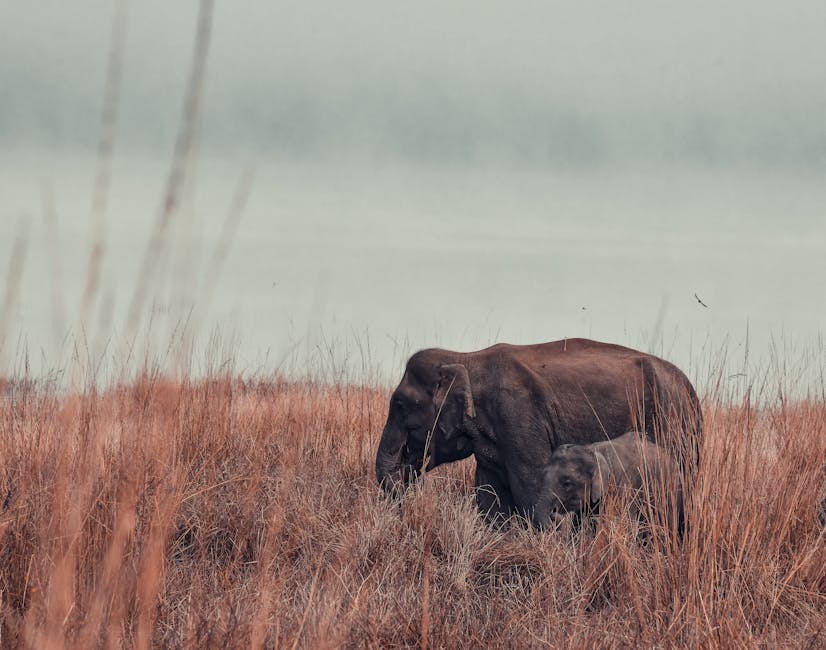
Respect the Subject
Never bait animals with food or use calls to lure them. Avoid flash photography at night. Focus on behavior and habitat, not just portraits.
Share your photos responsibly. Avoid geotagging sensitive locations that could lead to overcrowding or poaching.
Supporting Conservation Through Travel
Choose Eco-Friendly Accommodations
Stay in lodges that use renewable energy, recycle waste, and support local conservation projects. Many eco-lodges contribute a portion of fees to wildlife protection.
Examples include &Beyond’s conservation levies in Africa and Inkaterra’s research initiatives in Peru.
Donate to Local Projects
Contribute to community-based conservation efforts. Programs like Namibia’s conservancies empower locals to protect wildlife while benefiting from tourism.
Visit visitor centers or research stations to learn about ongoing projects. Your entrance fees often fund ranger salaries and anti-poaching units.
Spread Awareness
Share your experiences on social media to inspire others. Highlight conservation challenges and success stories. Tag reputable organizations to amplify their message.
Educate fellow travelers about responsible practices. A single mindful visitor can influence many.
Final Thoughts
A well-prepared wildlife travel guide enhances both your experience and the protection of natural habitats. By choosing ethical operators, respecting wildlife, and supporting conservation, you help ensure these ecosystems survive for future generations.
Every journey into the wild is a chance to connect with nature and deepen your understanding of the planet’s biodiversity. Plan carefully, act responsibly, and let curiosity guide you—safely and sustainably.
FAQ
What should I pack for a wildlife trip?
Essentials include binoculars, a camera with zoom lens, neutral-colored clothing, insect repellent, a reusable water bottle, and a first-aid kit. Pack according to the climate and terrain of your destination.
How can I ensure my travel supports conservation?
Choose eco-certified tour operators and accommodations that fund local conservation. Avoid activities that exploit animals, and donate to reputable wildlife projects when possible.
Is it safe to travel alone in wildlife areas?
It’s safer to travel with a guide or group, especially in remote or dangerous regions. Guides know animal behavior, safe routes, and emergency procedures. Solo travel increases risks and reduces wildlife viewing success.