Top Travel Destinations for Scenic Landscapes Worldwide
From snow-capped peaks to turquoise lagoons, the world is full of breathtaking destinations that showcase nature’s most dramatic artistry. Whether you’re drawn to rugged mountains, serene coastlines, or vast deserts, certain places stand out for their unmatched scenic beauty. This guide highlights the top travel destinations for scenic landscapes worldwide—locations that offer not just visual splendor but also meaningful travel experiences. Each destination was selected based on natural diversity, accessibility, and consistent traveler acclaim.
1. Patagonia, Chile & Argentina
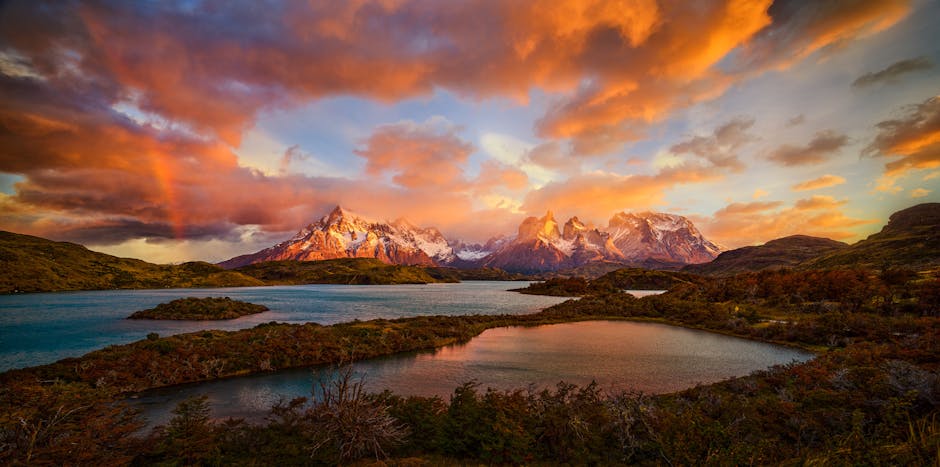
Patagonia stretches across southern Chile and Argentina, offering some of the most dramatic mountain and glacial scenery on Earth. The region’s crown jewel is Torres del Paine National Park, where granite spires rise sharply from emerald lakes and grassy plains.
Hiking the W Trek is a popular way to experience the park’s highlights, including the Base of the Towers and Grey Glacier. Wildlife sightings—like guanacos, condors, and even pumas—add to the sense of wild adventure.
For those seeking solitude, the Carretera Austral in Chile provides remote fjords, waterfalls, and forests with minimal crowds. Travelers should prepare for unpredictable weather and pack layers, even in summer.
2. The Swiss Alps, Switzerland
The Swiss Alps are synonymous with alpine perfection: snow-dusted peaks, pristine valleys, and charming villages nestled among meadows. The Jungfrau Region, including the Jungfraujoch “Top of Europe,” offers panoramic views of the Eiger, Mönch, and Jungfrau mountains.
Train rides like the Glacier Express connect iconic stops such as Zermatt and St. Moritz, passing through tunnels, over viaducts, and alongside rushing rivers. These journeys are as scenic as the destinations themselves.
For hikers, the Haute Route from Chamonix to Zermatt provides a multi-day trek across high-altitude terrain with refuges along the way. Winter visitors can enjoy world-class skiing, while summer brings wildflower-filled meadows and open trails.
3. Milford Sound, New Zealand
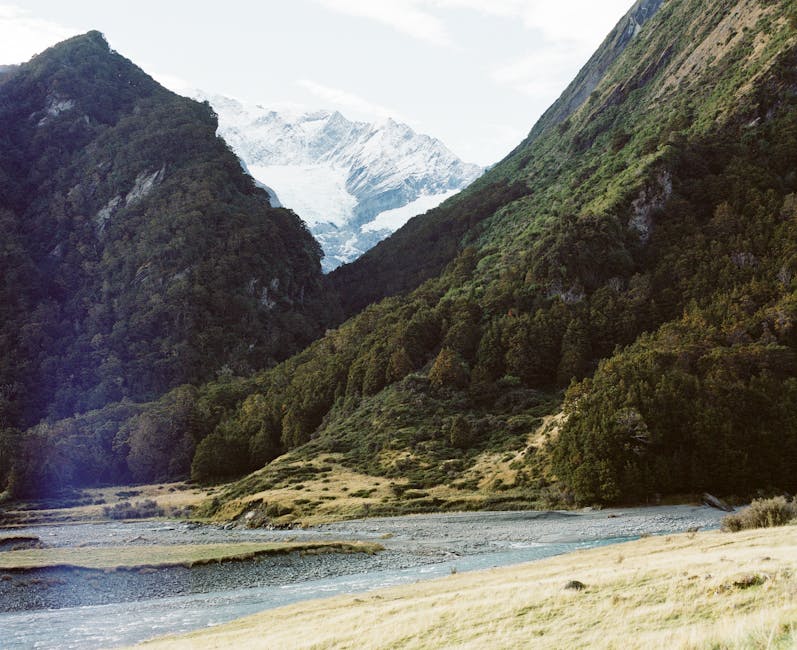
Located in Fiordland National Park on New Zealand’s South Island, Milford Sound is a fjord carved by ancient glaciers. Towering cliffs, such as Mitre Peak, rise nearly vertically from the water, creating a dramatic backdrop for waterfalls that cascade down moss-covered rock faces.
A boat cruise is the best way to experience the sound, especially during rain when dozens of temporary waterfalls appear. The area is accessible via the scenic Milford Road, one of the most beautiful drives in the country.
Visitors should be prepared for frequent rain and pack waterproof gear. Despite the weather, Milford Sound remains one of the most photographed natural sites in the world.
4. Zhangjiajie National Forest Park, China
Zhangjiajie’s towering quartzite sandstone pillars inspired the floating mountains in the movie Avatar. These surreal formations rise hundreds of meters above the forest floor, often shrouded in mist.
The park features glass-bottomed walkways and cable cars that offer unobstructed views of the landscape. The Bailong Elevator, one of the world’s tallest outdoor lifts, carries visitors up a cliff face in under two minutes.
While the park can get crowded, early morning visits offer quieter moments and better lighting for photography. Nearby Tianmen Mountain adds another layer of drama with its “Heaven’s Gate” cave and glass skywalk.
5. The Amalfi Coast, Italy
Perched along the Tyrrhenian Sea, the Amalfi Coast is a stretch of coastline known for its pastel-colored villages, terraced vineyards, and steep cliffs plunging into the sea. Towns like Positano, Amalfi, and Ravello cling to the mountainside, offering stunning views from every angle.
The SS163 coastal road connects these towns, winding through tunnels and past lemon groves. While scenic, the road is narrow and best avoided during peak season unless you’re an experienced driver.
Hiking the Path of the Gods (Sentiero degli Dei) provides a quieter alternative, with panoramic views of the coastline and access to hidden coves. The trail is moderately challenging but suitable for most fit travelers.
6. Banff National Park, Canada
Banff, in the Canadian Rockies, is a year-round destination for mountain scenery. Lake Louise, with its vivid turquoise waters and backdrop of Victoria Glacier, is one of the most iconic images in Canadian tourism.
The Icefields Parkway, connecting Banff to Jasper, is a 230-kilometer drive through glaciers, waterfalls, and alpine meadows. Stops like Peyto Lake and Athabasca Falls offer short walks to breathtaking viewpoints.
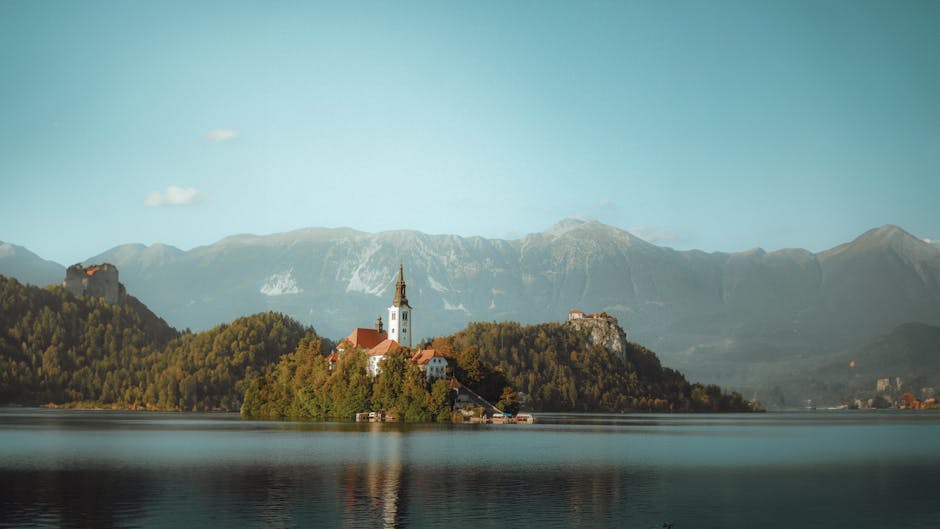
Winter transforms the park into a snowy wonderland ideal for skiing, snowshoeing, and ice walks. Summer hikers can access trails ranging from easy lakeside walks to challenging summit climbs.
7. Salar de Uyuni, Bolivia
The world’s largest salt flat, Salar de Uyuni, spans over 10,000 square kilometers in southwest Bolivia. During the rainy season, a thin layer of water creates a mirror effect, reflecting the sky and producing surreal, dreamlike images.
Visitors often take perspective-bending photos here, appearing to float in mid-air or touch the clouds. The surrounding area includes geysers, hot springs, and colorful lagoons filled with flamingos.
Tours typically last three days and include stays in basic salt hotels. Travelers should be cautious of altitude sickness, as the region sits over 3,600 meters above sea level.
8. Plitvice Lakes National Park, Croatia
This UNESCO World Heritage site features 16 terraced lakes connected by waterfalls, all set within a dense forest. The lakes vary in color from azure to green, depending on mineral content and sunlight.
Wooden walkways and trails allow visitors to explore the park at different levels, offering views from above and beside the cascades. The Upper Lakes are more tranquil, while the Lower Lakes feature larger waterfalls.
Spring and early summer are ideal for visiting, when water flow is highest. The park can get crowded, so arriving early helps secure parking and avoid peak foot traffic.
9. Torres del Paine, Chile
Already mentioned briefly, Torres del Paine deserves its own spotlight. This Patagonian park is home to the famous granite towers, glacial lakes, and the Southern Patagonian Ice Field.
The O Circuit is a 7–10 day trek that circles the entire park, offering deeper immersion than the shorter W Trek. Camping or staying in refugios allows for extended time in the wilderness.
Weather can change rapidly, and strong winds are common. Proper gear and physical preparation are essential. Permits are required for multi-day hikes and should be booked in advance.
10. The Faroe Islands
This North Atlantic archipelago between Iceland and Norway is made up of 18 volcanic islands. Dramatic sea cliffs, grass-roofed villages, and cascading waterfalls define the landscape.
Road tunnels and bridges connect the islands, making exploration accessible by car. The village of Gásadalur, once isolated, is now reachable by tunnel and famous for its waterfall that drops directly into the ocean.
Hiking trails like the one to Kalsoy’s Kallur Lighthouse offer solitude and sweeping coastal views. The Faroe Islands are best visited in summer, when daylight lasts well into the evening.
11. Ha Long Bay, Vietnam
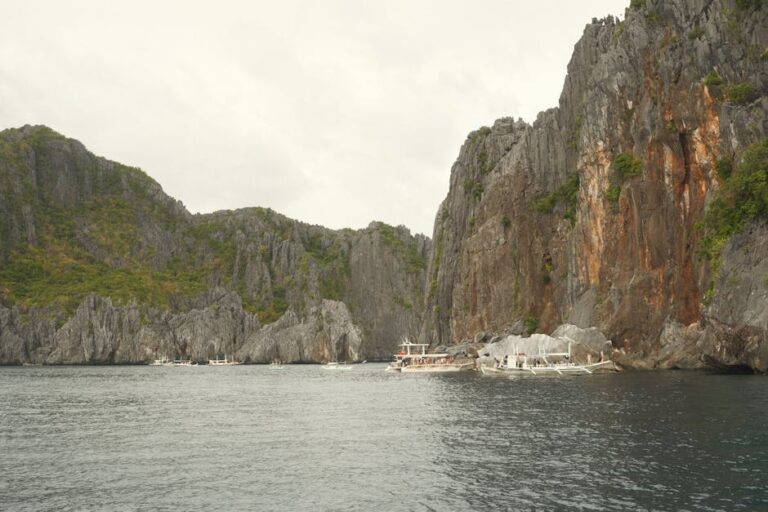
Ha Long Bay features thousands of limestone karsts rising from emerald waters in the Gulf of Tonkin. A UNESCO site, it’s best explored by overnight cruise, which allows access to hidden caves, floating villages, and secluded beaches.
Popular stops include Sung Sot Cave (Surprise Cave) and Ti Top Island, where a short climb leads to a panoramic viewpoint. Kayaking through the karsts offers a more intimate experience.
Choose reputable cruise operators to ensure safety and environmental responsibility. Avoid peak holiday periods if you prefer quieter waters.
12. The Scottish Highlands, Scotland
The Highlands are defined by moody moors, ancient castles, and glacial lochs. Loch Ness is the most famous, but lesser-known bodies like Loch Morar and Loch Awe offer greater tranquility.
The North Coast 500 route circles the northern coast, passing through fishing villages, sandy beaches, and rugged headlands. The drive is scenic but challenging, with narrow roads and limited services.
Hiking in the Cairngorms or exploring Glencoe provides access to some of Scotland’s most dramatic mountain scenery. Autumn brings vibrant foliage, while winter offers snow-covered peaks.
13. Antelope Canyon, USA
Located on Navajo land in Arizona, Antelope Canyon is a slot canyon known for its wave-like sandstone walls and light beams that filter down from above. The two main sections—Upper and Lower Antelope Canyon—offer different experiences.
Upper Canyon is easier to access and features taller, narrower passages. Lower Canyon requires climbing ladders but offers more varied formations. Both require guided tours, which help protect the fragile environment.
Photography tours are available for those with tripods and advanced equipment. Visit during midday for the best light beams, but book well in advance.
14. The Dolomites, Italy
Part of the Italian Alps, the Dolomites are known for their pale limestone peaks that glow pink at sunrise and sunset. The region is a UNESCO site and a favorite among hikers, climbers, and skiers.
The Tre Cime di Lavaredo (Three Peaks of Lavaredo) are the most iconic, accessible via a well-marked trail. The Alta Via 1 trek crosses the range over 10–12 days, with rifugi (mountain huts) providing meals and lodging.
Cable cars and lifts make many areas accessible without technical climbing. Summer offers wildflowers and open trails, while winter brings powder snow and cozy alpine villages.
15. Raja Ampat, Indonesia
This remote archipelago in West Papua is considered one of the most biodiverse marine environments on the planet. Above water, limestone islands rise from crystal-clear lagoons, creating a tropical paradise.
Snorkeling and diving reveal vibrant coral reefs, manta rays, and tropical fish. Liveaboard boats are the best way to explore multiple islands, as many are uninhabited.
Access requires flights to Sorong followed by boat transfers. Travelers should respect local customs and marine conservation efforts. The best time to visit is October to April.
16. Lofoten Islands, Norway
The Lofoten archipelago lies above the Arctic Circle, yet mild Gulf Stream waters keep the climate relatively mild. Jagged peaks rise directly from the sea, with fishing villages like Reine and Å nestled in the fjords.
Hiking to Reinebringen or the summit of Svolværgeita offers dramatic views of the islands and ocean. The midnight sun in summer and northern lights in winter provide unique photographic opportunities.
Ferry and bridge connections make the islands accessible by car. Camping is popular and permitted in many areas under Norway’s right to roam laws.
17. The Grand Canyon, USA
One of the most recognizable natural landmarks, the Grand Canyon in Arizona reveals nearly two billion years of geological history. The South Rim is open year-round and offers the most accessible viewpoints.
Hiking down into the canyon on trails like Bright Angel or South Kaibab provides a deeper experience, but requires careful planning and physical fitness. Most visitors stay on the rim.
Sunrise and sunset dramatically change the canyon’s colors. Mule rides and helicopter tours offer alternative perspectives, though the latter can be noisy and disruptive.
18. Svalbard, Norway
This Arctic archipelago is one of the northernmost inhabited places on Earth. Glaciers, polar deserts, and tundra dominate the landscape, with opportunities to see polar bears, walruses, and Arctic foxes.
Summer offers 24-hour daylight and accessible boat tours. Winter brings the polar night and a chance to see the northern lights. All visitors must be accompanied by a guide due to wildlife risks.
Longyearbyen is the main settlement and gateway for expeditions. Travelers should pack extreme cold-weather gear and understand the environmental fragility of the region.
19. Cappadocia, Turkey
Famous for its fairy chimneys—rock formations carved by erosion—Cappadocia offers a surreal landscape of caves, valleys, and underground cities. Hot air balloon rides at sunrise provide a bird’s-eye view of the terrain.
The region has a rich history, with early Christians carving churches and homes into the soft rock. Göreme Open-Air Museum is a UNESCO site with frescoed chapels.
Hiking through valleys like Rose Valley or Red Valley is peaceful and scenic. Stay in a cave hotel for a unique lodging experience. Spring and autumn offer the best weather.
20. The Norwegian Fjords
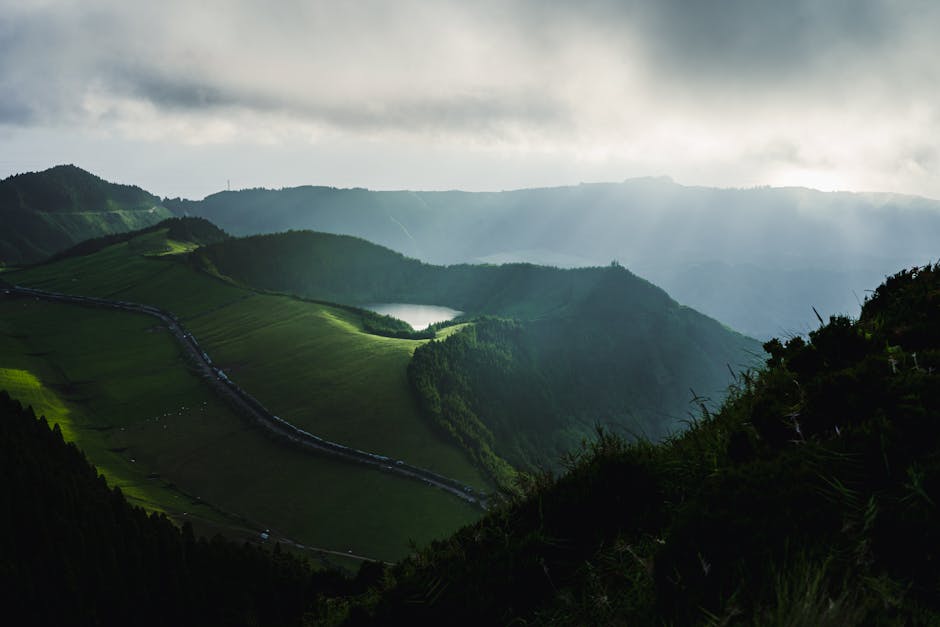
Norway’s fjords—deep inlets carved by glaciers—are among the world’s most dramatic landscapes. The Nærøyfjord and Geirangerfjord are UNESCO-listed and accessible by cruise or car.
The Flåm Railway, one of the steepest standard-gauge lines in the world, descends from the mountains to the fjord with multiple stops for photo opportunities. The Aurlandsfjellet scenic road offers high-altitude views.
Summer is peak season, but shoulder months offer fewer crowds and still pleasant weather. Pack layers and rain gear, as fjords are prone to sudden showers.
How to Choose the Right Scenic Destination for You
Consider Your Travel Style
Are you looking for adventure, relaxation, or cultural immersion? Some scenic destinations, like Patagonia or the Dolomites, cater to active travelers. Others, like the Amalfi Coast or Ha Long Bay, offer more leisurely experiences.
Think about your preferred pace. Multi-day treks require fitness and preparation, while scenic drives or boat tours are more accessible.
Check Season and Weather
Timing can make or break a scenic trip. The mirror effect at Salar de Uyuni only occurs in rainy season, while the northern lights in Svalbard are best seen in winter.
Research average temperatures, rainfall, and daylight hours. Some parks, like Banff, are stunning in all seasons but require different gear and planning.
Assess Accessibility and Infrastructure
Remote destinations like the Faroe Islands or Raja Ampat require more planning and budget. Consider flight connections, local transport, and accommodation options.
Destinations with good infrastructure, such as Switzerland or New Zealand, are easier for first-time travelers. Always check visa requirements and local travel advisories.
Tips for Responsible Scenic Travel
Many of the world’s most beautiful landscapes are fragile and under pressure from tourism. Practice Leave No Trace principles: pack out all trash, stay on marked trails, and avoid disturbing wildlife.
Support local economies by choosing locally owned tours, restaurants, and accommodations. In places like Antelope Canyon or the Faroe Islands, tourism directly funds conservation and community development.
Be mindful of cultural norms, especially in indigenous or rural areas. Ask permission before photographing people or entering sacred sites.
Final Thoughts
The world is full of awe-inspiring destinations, each offering a unique window into nature’s power and beauty. From the icy fjords of Norway to the salt flats of Bolivia, these top travel destinations for scenic landscapes worldwide provide unforgettable experiences for every kind of traveler.
Whether you’re hiking through Patagonia, cruising Ha Long Bay, or standing in silence at the Grand Canyon, these places remind us of the planet’s vast diversity and fragility. Plan thoughtfully, travel respectfully, and let the landscapes speak for themselves.
FAQ
What is the best time of year to visit scenic destinations?
The ideal time varies by location. For mountain regions like the Swiss Alps or Banff, summer offers open trails and mild weather. Coastal areas like the Amalfi Coast are best in spring or fall to avoid crowds. Always research seasonal conditions specific to your destination.
Are these destinations safe for solo travelers?
Most are safe with proper planning. Destinations like New Zealand, Switzerland, and Norway are particularly solo-traveler-friendly. Remote areas like Svalbard or Patagonia require more preparation and guided tours for safety.
How can I minimize my environmental impact while visiting scenic areas?
Stick to marked trails, carry reusable water bottles, avoid single-use plastics, and choose eco-certified tour operators. Respect wildlife by keeping distance and never feeding animals. Leave natural items like rocks and plants undisturbed.