Top Travel Destinations for Mountain Lovers Worldwide
Mountain lovers seeking breathtaking peaks, crisp alpine air, and unforgettable trails will find no shortage of world-class destinations. From the snow-capped summits of the Himalayas to the rugged ranges of Patagonia, these locations offer adventure, serenity, and awe-inspiring scenery. Whether you’re a seasoned mountaineer or a casual hiker, the following destinations deliver exceptional experiences for every level of explorer. Each offers unique landscapes, cultural richness, and outdoor activities that make them stand out among global mountain escapes.
The Himalayas: Nepal and Bhutan
The Himalayas remain the ultimate dream for many mountain enthusiasts. Home to Mount Everest—the world’s highest peak—Nepal draws trekkers and climbers from across the globe. The Annapurna Circuit and Everest Base Camp trek are iconic routes that combine physical challenge with cultural immersion.
Bhutan, nestled beside Nepal, offers a more tranquil mountain experience. With strict tourism policies preserving its environment and traditions, Bhutan provides pristine trails through rhododendron forests and ancient monasteries perched on cliffs. The Snowman Trek, though extremely demanding, rewards adventurers with unmatched views of glacial valleys and snow-covered summits.
Best Time to Visit
October to November and March to May offer the most stable weather and clear skies. Monsoon season (June–September) brings heavy rain and landslides, making trails hazardous. Winter months are extremely cold, especially at higher elevations.
What to Expect
Altitude sickness is a real concern above 3,000 meters. Acclimatization days are essential. Pack layers, high-SPF sunscreen, and sturdy boots. Local guides and porters enhance safety and enrich the journey with cultural insights.
The Alps: Switzerland, France, and Italy
Europe’s Alps are a magnet for mountain lovers due to their accessibility, infrastructure, and variety of activities. Switzerland’s Jungfrau Region features the Eiger, Mönch, and Jungfrau peaks, with scenic train rides like the Jungfraujoch Railway reaching 3,454 meters.
France’s Chamonix Valley is legendary among skiers and climbers. It hosted the first Winter Olympics in 1924 and remains a hub for extreme sports. Italy’s Dolomites, a UNESCO World Heritage site, offer dramatic limestone formations and via ferrata routes—iron cable-assisted climbing paths perfect for intermediate adventurers.
Best Time to Visit
December to March is ideal for skiing and snowboarding. June to September suits hiking, climbing, and mountain biking. Summer months bring wildflower meadows and longer daylight hours.
What to Expect
Well-maintained trails, mountain huts (refuges), and cable cars make the Alps beginner-friendly. However, weather can change rapidly. Always check forecasts and carry emergency gear. Crowds peak in winter and summer—book accommodations early.
The Andes: Chile and Argentina
Stretching along South America’s western edge, the Andes form a natural border between Chile and Argentina. This range includes Aconcagua—the highest peak outside Asia at 6,961 meters—located in Argentina’s Mendoza Province.
Chile’s Torres del Paine National Park in Patagonia is a hiker’s paradise. The W Trek and full-circuit hike traverse glaciers, turquoise lakes, and granite towers. Wildlife such as guanacos and condors add to the region’s wild charm.
Best Time to Visit
November to March (Southern Hemisphere summer) offers milder weather and open trails. Winter brings heavy snow and park closures. Spring and fall are less crowded but can be unpredictable.
What to Expect
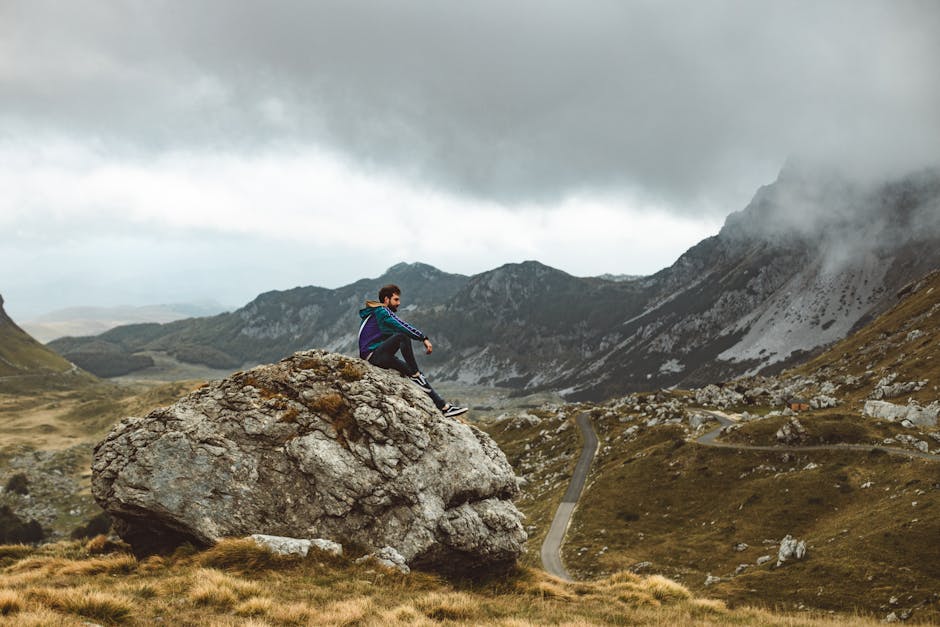
Patagonia is known for strong winds and rapid weather shifts. Pack windproof and waterproof clothing. Permits are required for popular hikes—apply months in advance. Guided tours are recommended for remote areas.
The Rockies: United States and Canada
North America’s Rocky Mountains stretch from New Mexico to British Columbia. In the U.S., Colorado’s Rocky Mountain National Park offers over 350 miles of trails, including the challenging Longs Peak ascent.
Canada’s Banff and Jasper National Parks in Alberta provide stunning alpine lakes like Lake Louise and Moraine Lake. The Icefields Parkway connects the two parks with one of the world’s most scenic drives, flanked by glaciers and snow-capped peaks.
Best Time to Visit
July to September is ideal for hiking and camping. Winter (December–March) transforms the region into a ski destination, with resorts like Whistler Blackcomb in British Columbia drawing global visitors.
What to Expect
Wildlife encounters with bears and elk are common. Carry bear spray and store food properly. Altitude can affect visitors—drink plenty of water and avoid overexertion. Reservations for campsites and lodges fill quickly in peak season.
The Southern Alps: New Zealand
New Zealand’s Southern Alps run the length of the South Island, offering dramatic fjords, glacial valleys, and mirror-like lakes. Mount Cook (Aoraki), the country’s highest peak at 3,724 meters, is a magnet for climbers.
Queenstown, known as the adventure capital of the world, provides base access to hiking, bungee jumping, and heli-hiking on glaciers. The Routeburn Track, one of New Zealand’s Great Walks, links Fiordland and Mount Aspiring National Parks with alpine meadows and waterfalls.
Best Time to Visit
December to February (summer) offers warm weather and long days. Autumn (March–May) brings fewer crowds and golden foliage. Winter is best for skiing at resorts like Coronet Peak and The Remarkables.
What to Expect
Weather can shift quickly, even in summer. Pack layers and rain gear. Many trails require bookings, especially Great Walks. Respect local Māori cultural sites—some areas are sacred and require permits.
The Caucasus: Georgia and Armenia
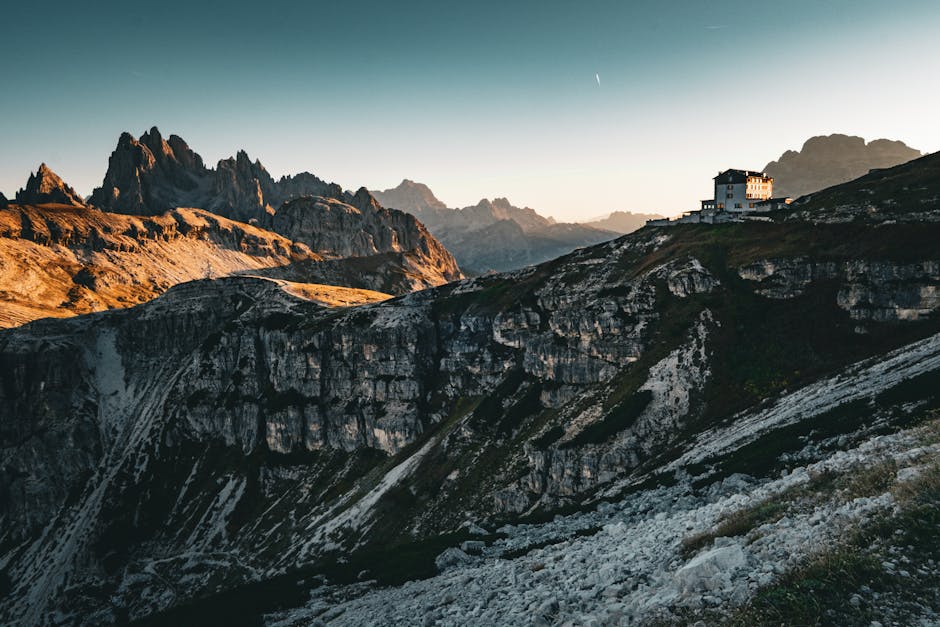
The Caucasus Mountains, located between the Black and Caspian Seas, are emerging as a top destination for off-the-beaten-path travelers. Georgia’s Svaneti region features medieval towers and the towering Mount Shkhara (5,193 meters).
The Mestia to Ushguli trek is one of Europe’s highest inhabited valleys, offering remote villages and panoramic views. Armenia’s Mount Aragats and Lake Sevan provide quieter alternatives with rich history and volcanic landscapes.
Best Time to Visit
June to September offers the best hiking conditions. Winter brings deep snow, limiting access to high-altitude areas. Spring can be muddy due to melting snow.
What to Expect
Infrastructure is developing but less touristy than the Alps. Local homestays offer authentic experiences and hearty meals. Language barriers exist, but hospitality is strong. Always carry cash—card payments are limited in rural areas.
The Japanese Alps: Honshu Island
Japan’s Alps span the central region of Honshu Island, divided into the Northern, Central, and Southern ranges. The Northern Alps (Hida Mountains) include Mount Hotaka and Mount Yari, popular among climbers.
The Tateyama Kurobe Alpine Route is a scenic journey through snow walls, highland gardens, and panoramic gondola rides. Kamikochi Valley offers serene hikes with views of the Hotaka range and crystal-clear rivers.
Best Time to Visit
April to June and September to November offer mild weather and vibrant foliage. Summer (July–August) is rainy and humid. Winter closes most mountain roads and trails.
What to Expect
Well-marked trails and mountain huts (yamagoya) provide comfort. Respect trail etiquette—many paths pass through sacred Shinto sites. Wildlife includes monkeys and deer, but bears are present—use bear bells in remote areas.
The Atlas Mountains: Morocco
The Atlas Mountains stretch across Morocco, Algeria, and Tunisia, with the highest peak in North Africa—Toubkal (4,167 meters)—located near Marrakech. The Toubkal trek is a popular 2–3 day hike, accessible to fit beginners.
The Ourika Valley and Aït Bougmez Plateau offer cultural immersion with Berber communities. Traditional villages, terraced farms, and weekly souks provide insight into rural mountain life.
Best Time to Visit
March to May and September to November offer pleasant temperatures. Winter brings snow to higher elevations, ideal for skiing at Oukaïmeden. Summer can be extremely hot in lower valleys.
What to Expect
Guides are recommended for navigation and cultural exchange. Pack sun protection and warm layers—nights are cold even in summer. Respect local customs, especially when photographing people or entering homes.
The Sierra Nevada: Spain
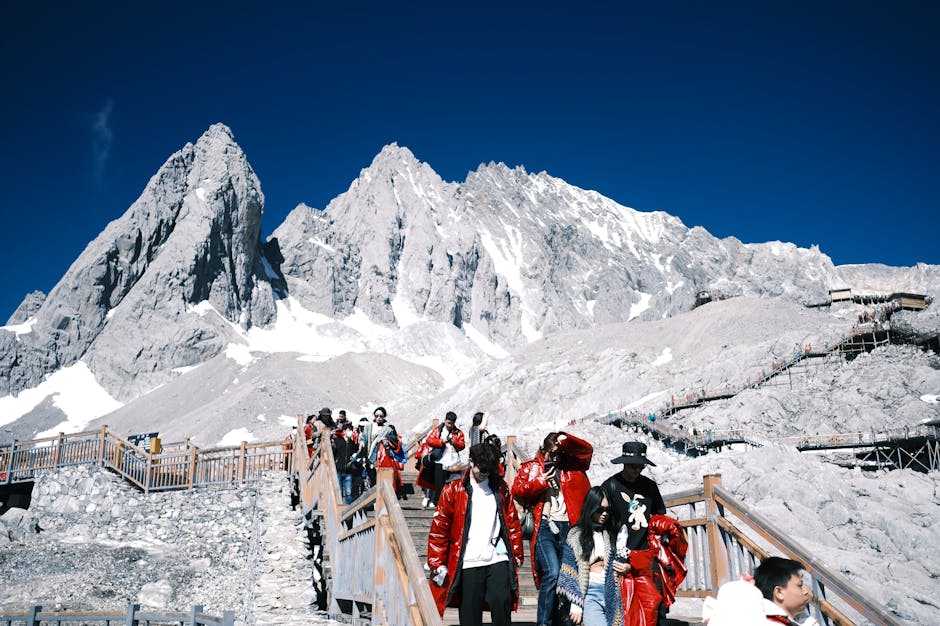
Europe’s southernmost ski resort lies in Spain’s Sierra Nevada, near Granada. In summer, the range transforms into a hiker’s haven, with trails leading to Mulhacén—the highest peak in mainland Spain at 3,479 meters.
The GR 20 variant and Sulayr Trail offer multi-day routes through alpine meadows, glacial lakes, and historic Moorish villages. The region’s proximity to the Mediterranean adds a unique cultural blend.
Best Time to Visit
June to September for hiking. December to April for skiing. Spring offers wildflowers, while autumn brings golden light and fewer crowds.
What to Expect
Well-developed trails and refuges make navigation easy. However, summer afternoons can bring thunderstorms. Start hikes early. Local cuisine features hearty mountain dishes like olla podrida.
Tips for Planning Your Mountain Adventure
Research your destination thoroughly. Understand elevation, trail difficulty, and required permits. Check visa requirements and travel advisories. Invest in quality gear—boots, layers, and a reliable backpack are essential.
Train before your trip. Build endurance with regular hikes and strength exercises. Acclimatize gradually at high altitudes. Never hike alone in remote areas—inform someone of your plans.
Respect the environment. Follow Leave No Trace principles: pack out trash, stay on trails, and avoid disturbing wildlife. Support local economies by hiring guides and staying in community-run lodges.
Final Thoughts
From the towering peaks of the Himalayas to the rugged beauty of Patagonia, the world offers endless mountain escapes for every traveler. These top travel destinations for mountain lovers provide not only physical challenges but also deep connections to nature and culture. With proper preparation and respect for local environments, your mountain journey can be safe, rewarding, and unforgettable.
FAQ
What is the best time of year to visit mountain destinations?
The ideal time varies by region. Generally, late spring to early autumn (May–September in the Northern Hemisphere, November–March in the Southern Hemisphere) offers the best weather for hiking and sightseeing. Winter is best for snow sports.
Do I need special gear for mountain travel?
Yes. Essential items include sturdy hiking boots, layered clothing, a waterproof jacket, sun protection, a first-aid kit, and a map or GPS device. At high altitudes, add a sleeping bag, headlamp, and altitude sickness medication if recommended.
Are mountain destinations safe for solo travelers?
Many are safe with proper planning, but risks increase in remote or high-altitude areas. Inform others of your itinerary, carry emergency communication tools, and consider hiring a local guide. Avoid hiking alone in extreme weather or unfamiliar terrain.