Nature Travel Guide for Exploring Wilderness Areas
Exploring wilderness areas offers a powerful escape from daily routines and reconnects you with the natural world. Whether you’re drawn to alpine trails, dense forests, or remote coastlines, a solid nature travel guide is essential for safe and rewarding adventures. This guide covers planning, gear, safety, and responsible travel practices to help you navigate wild spaces with confidence. From selecting your destination to minimizing environmental impact, these insights prepare you for meaningful outdoor experiences.
Choosing the Right Wilderness Destination
Not all wilderness areas are created equal. Your ideal destination depends on fitness level, experience, and what kind of scenery inspires you. National parks like Yosemite or Banff offer well-marked trails and visitor support, while places like the Boundary Waters or Patagonia demand greater self-reliance.
Consider the season and weather patterns. A summer hike in the Rockies differs vastly from a winter trek in the same range. Research trail conditions, elevation gain, and typical wildlife activity before committing. Local park websites and ranger stations provide up-to-date information that can make or break your trip.
Beginner-Friendly Wilderness Areas
If you’re new to backcountry travel, start with accessible regions that balance beauty with safety. Great Smoky Mountains National Park offers gentle trails, frequent signage, and nearby emergency services. Similarly, the Adirondack Park in New York provides a mix of lakes, forests, and moderate terrain suitable for first-timers.
These areas often have established campsites, clean water sources, and cell service in key zones—critical for building confidence. Always inform someone of your itinerary, even on day hikes.
Advanced Backcountry Options
Experienced travelers may seek solitude and challenge. The Wind River Range in Wyoming, the North Cascades in Washington, or the Canadian Arctic offer vast, untouched landscapes. These regions require advanced navigation skills, bear safety knowledge, and the ability to handle sudden weather changes.
Permits are often required and may be limited. Apply early through official recreation portals. In remote zones, satellite communicators like Garmin inReach are not optional—they’re essential.
Essential Gear for Wilderness Travel
Proper equipment separates a comfortable trip from a dangerous one. The foundation of any nature travel guide includes the Ten Essentials: navigation tools, headlamp, sun protection, first aid kit, fire starter, repair kit, extra food, extra water, emergency shelter, and clothing layers.
Invest in quality over quantity. A lightweight, waterproof tent beats a heavier model that leaks. Down insulation offers superior warmth-to-weight ratios but loses effectiveness when wet—synthetic fills may be better in damp climates.
Footwear and Clothing
Your feet carry you through every mile. Choose hiking boots or trail shoes based on terrain and pack weight. Break them in before your trip to avoid blisters. Moisture-wicking socks made from merino wool or synthetic blends prevent hotspots.
Dress in layers: a base layer for moisture management, an insulating mid-layer like fleece or down, and a waterproof outer shell. Avoid cotton—it retains moisture and increases hypothermia risk in cold conditions.
Navigation Tools
GPS devices and smartphone apps are helpful, but batteries die. Always carry a topographic map and compass, and know how to use them. Practice triangulation and contour line reading at home. Mark key waypoints like trailheads, water sources, and emergency exits.
Download offline maps via apps like Gaia GPS or AllTrails. These work without cell service and can display your location in real time.
Safety and Emergency Preparedness
Wilderness travel carries inherent risks. Preparation reduces them significantly. Check weather forecasts 48 hours before departure and monitor conditions during your trip. Sudden storms, flash floods, or temperature drops can occur even in summer.
Carry a personal locator beacon (PLB) or satellite messenger in remote areas. These devices send distress signals to rescue teams and can be lifesavers when cell service is unavailable.
Wildlife Encounters
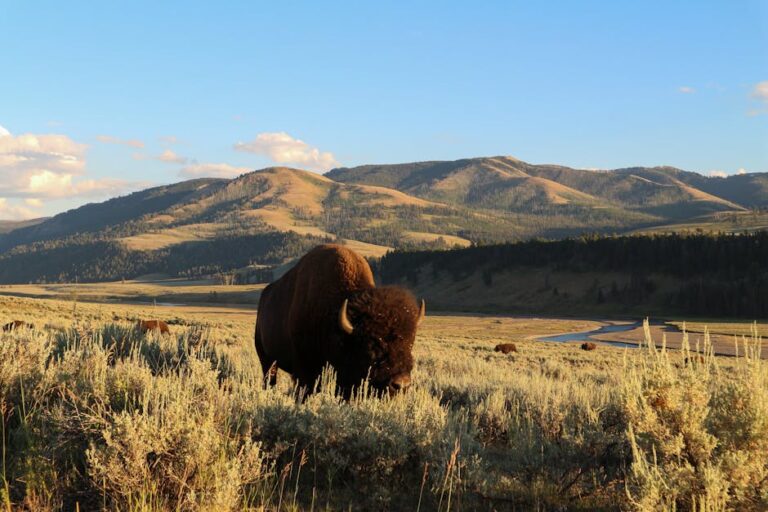
Know the local wildlife and how to respond. In bear country, carry bear spray and store food in bear-resistant containers or hang it properly. Make noise while hiking to avoid surprising animals. Never feed wildlife—it endangers both you and the animal.
For snakes, stay on clear trails and watch where you step or place your hands. Most bites occur when people attempt to handle or provoke reptiles.
First Aid and Health
A compact first aid kit should include bandages, antiseptic, blister treatment, tweezers, and medications for pain or allergies. Learn basic wilderness first aid—treating sprains, cuts, or hypothermia can prevent minor issues from becoming emergencies.
Stay hydrated and fuel your body with high-energy snacks. Dehydration and low blood sugar impair judgment and increase accident risk.
Leave No Trace Principles
Responsible travel ensures wilderness areas remain pristine for future visitors. The Leave No Trace Center for Outdoor Ethics outlines seven principles every traveler should follow.
Plan ahead and prepare. Travel on durable surfaces like rock, gravel, or established trails. Avoid creating new paths that cause erosion. In fragile alpine zones, walk single file in the middle of the trail, even if it’s muddy.
Waste Disposal
Pack out all trash, including food scraps and toilet paper. Use a portable trowel to dig a cathole 6–8 inches deep for human waste, at least 200 feet from water sources. In arid regions or high-use areas, consider using a wag bag for waste removal.
Wash dishes and yourself at least 200 feet from lakes and streams. Use biodegradable soap sparingly to avoid contaminating water sources.
Respect Wildlife and Other Visitors
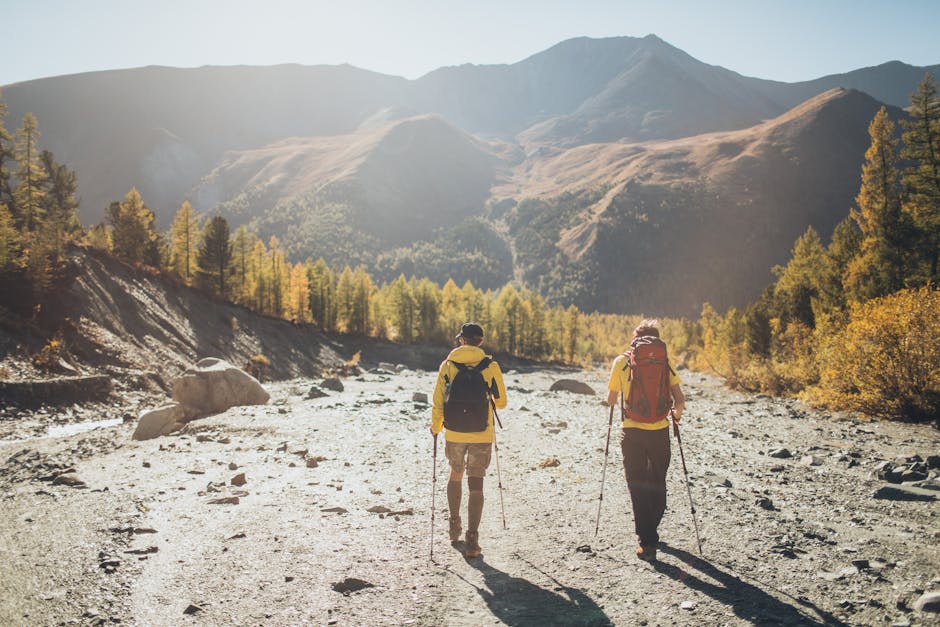
Observe animals from a distance. Use binoculars or a zoom lens instead of approaching. Keep voices low to preserve the natural quiet and avoid disturbing wildlife or other hikers.
Yield to uphill hikers and step aside for faster travelers. Share the trail courteously—wilderness is a shared resource.
Planning Your Itinerary
A well-structured itinerary balances ambition with realism. Overestimating your pace leads to exhaustion and poor decisions. Most hikers cover 2–3 miles per hour on moderate terrain, less on steep or rocky trails.
Break your trip into daily segments with realistic goals. Include buffer time for rest, weather delays, or unexpected detours. Share your full itinerary—including route, campsites, and return time—with a trusted contact.
Permits and Regulations
Many wilderness areas require permits to limit overcrowding and protect ecosystems. Obtain them in advance through official channels. Some parks use lottery systems for popular routes like the John Muir Trail or Angels Landing.
Follow group size limits, fire regulations, and camping restrictions. In some areas, campfires are banned due to fire risk or lack of deadwood. Use a camp stove instead.
Transportation and Access
Research how to reach your trailhead. Some remote areas require high-clearance vehicles or shuttle services. Arrive early to secure parking, especially on weekends.
If flying, ship gear ahead or rent locally. Many outdoor retailers near major trailheads offer rental equipment, reducing baggage fees and travel hassle.
Seasonal Considerations
Each season presents unique challenges and rewards. Spring offers wildflowers and flowing waterfalls but also muddy trails and unpredictable weather. Summer brings long days and warm temperatures, ideal for high-elevation hikes—but also crowds and afternoon thunderstorms.
Fall provides crisp air and vibrant foliage, with fewer insects and stable weather. Winter travel demands specialized gear like snowshoes or skis, plus avalanche awareness in mountainous regions.
Weather Preparedness
Check forecasts from reliable sources like the National Weather Service or Mountain Forecast. Understand local microclimates—valleys can be warm while ridges are windy and cold.
Pack for conditions worse than expected. A sudden drop in temperature or unexpected rain can happen anywhere. Always carry rain gear and an extra layer, even on sunny days.
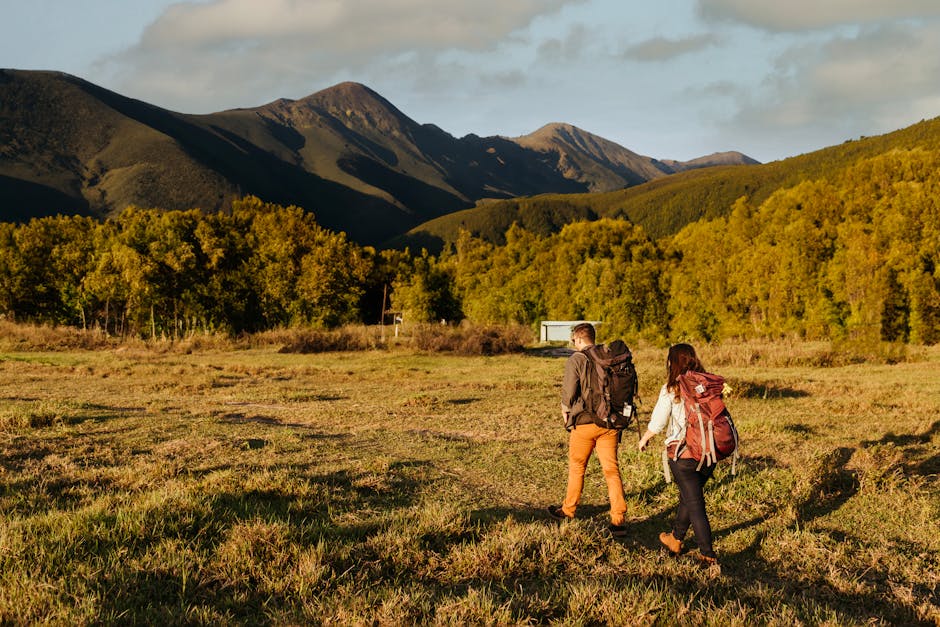
Wilderness Photography and Journaling
Capture memories without disrupting the environment. Use a camera with good low-light performance for dawn and dusk shots. Avoid trampling vegetation for the perfect angle.
Keep a travel journal to record observations, emotions, and lessons learned. Note trail conditions, wildlife sightings, and weather patterns. These notes help improve future trips and deepen your connection to the land.
Ethical Photography
Never bait animals or alter habitats for a photo. Respect nesting areas and den sites. In sensitive ecosystems, photography may be restricted—follow posted rules.
Share your images responsibly. Avoid geotagging exact locations of rare plants or fragile sites to prevent overcrowding or vandalism.
Building Skills Over Time
Wilderness travel is a skill that improves with experience. Start with short overnight trips close to home. Gradually increase distance, elevation, and remoteness as your confidence grows.
Take courses in navigation, first aid, or wilderness survival. Many outdoor organizations and community colleges offer affordable workshops. Practice skills like fire-building or shelter construction in your backyard before relying on them in the field.
Learning from Mistakes
Even experienced travelers make errors. A wrong turn, a forgotten item, or a misjudged distance teaches valuable lessons. Reflect on what went wrong and how to prevent it next time.
Share your experiences—positive and negative—with others. Mentoring new hikers strengthens the outdoor community and promotes safety.
Conclusion
A reliable nature travel guide equips you with the knowledge to explore wilderness areas safely and responsibly. From choosing the right destination to packing essential gear and respecting natural spaces, every decision shapes your experience. With preparation and mindfulness, your journey into the wild can be both transformative and sustainable.
Start small, stay informed, and always prioritize safety and stewardship. The wilderness rewards those who approach it with respect and curiosity.
FAQ
What should I pack for a weekend wilderness trip?
Pack the Ten Essentials: navigation tools, headlamp, sun protection, first aid kit, fire starter, repair kit, extra food, extra water, emergency shelter, and layered clothing. Add a map, compass, and weather-appropriate gear.
How do I find permits for backcountry camping?
Visit the official website of the park or forest you plan to visit. Permits are often available online through recreation.gov or similar platforms. Apply early, as many popular areas have limited availability.
Is it safe to hike alone in the wilderness?
Solo hiking is possible with proper preparation, but it increases risk. Carry a satellite communicator, share your itinerary, and choose well-traveled trails. Beginners should start with group hikes or guided trips.