Best Travel Destinations for Urban City Explorers
Urban city explorers thrive on energy, culture, and discovery. The best travel destinations for urban city explorers blend historic charm with modern innovation, offering walkable neighborhoods, vibrant arts scenes, and diverse culinary experiences. Whether you’re drawn to skyline views, underground music, or local markets, these cities deliver immersive experiences beyond typical tourist trails.
This guide highlights ten standout cities that cater to curious travelers who want to dive deep into city life. From Tokyo’s neon-lit alleys to Lisbon’s hillside trams, each destination offers unique urban adventures. You’ll find practical tips, must-see neighborhoods, and insights to help you plan a trip that feels authentic and engaging.
What Makes a City Ideal for Urban Explorers?
Not all cities are created equal when it comes to urban exploration. The best ones share key traits: walkability, cultural density, and a mix of old and new. They encourage curiosity and reward those who wander off the beaten path.
Safety, public transit, and local engagement also matter. A city with efficient metro systems, pedestrian-friendly streets, and active community spaces makes exploration easier and more enjoyable. Think of cities where you can spend an afternoon in a single neighborhood and still discover something new.
Key Features of Urban-Friendly Cities
Walkability tops the list. Cities like Barcelona and Copenhagen are designed for people, not just cars. Narrow lanes, shaded plazas, and mixed-use zoning invite exploration on foot.
Cultural density is another hallmark. Museums, galleries, street art, and live performances should be within easy reach. In cities like Berlin or Seoul, culture isn’t confined to districts—it spills into the streets.
Finally, local life should be visible and accessible. Open-air markets, neighborhood cafes, and community events let travelers connect with residents. These moments define the urban explorer’s experience.
Top 10 Cities for Urban City Explorers
1. Tokyo, Japan
Tokyo is a masterclass in urban complexity. It blends hyper-modern districts like Shibuya with traditional enclaves like Yanaka. The city’s transit system is among the world’s most efficient, making it easy to hop between neighborhoods.
Explore Akihabara for electronics and anime culture, then unwind in a quiet temple garden in Asakusa. The city rewards patience and curiosity. Even familiar areas reveal new layers with each visit.
Tip: Visit early morning markets like Tsukiji Outer Market for fresh sushi and local energy. Avoid peak rush hours on the Yamanote Line if possible.
2. Barcelona, Spain
Barcelona’s grid-like Eixample district is a model of urban planning. Wide boulevards, green spaces, and iconic architecture by Gaudí make it visually stunning and easy to navigate.
Wander through El Born for boutique shops and tapas bars, or climb Montjuïc for panoramic views. The city’s beachfront adds a relaxed contrast to its urban core.
Warning: Pickpocketing is common in tourist-heavy areas like Las Ramblas. Stay alert and keep valuables secure.
3. Berlin, Germany
Berlin pulses with creative energy. Formerly divided, the city now thrives on reinvention. Street art in Kreuzberg, indie galleries in Prenzlauer Berg, and techno clubs in Friedrichshain reflect its rebellious spirit.
The U-Bahn and S-Bahn networks connect distant neighborhoods seamlessly. Many attractions are free or low-cost, making it budget-friendly for explorers.
Takeaway: Visit the East Side Gallery and Tempelhofer Feld, a former airport turned public park. Both symbolize Berlin’s transformation.
4. Seoul, South Korea
Seoul blends futuristic design with deep tradition. Gangnam’s sleek towers contrast with Bukchon Hanok Village’s preserved hanok houses. The city’s subway system is clean, fast, and well-signed in English.
Night markets like Gwangjang offer street food and vintage shopping. Hiking trails in Bukhansan National Park provide a quick escape from the urban buzz.
Tip: Use the T-money card for seamless transit and small purchases. Download Naver Map for accurate local directions.
5. Lisbon, Portugal
Lisbon charms with its hilly streets, colorful trams, and ocean views. The Alfama district, with its narrow alleys and Fado music, feels timeless. Newer areas like Príncipe Real blend design shops with green spaces.
The city is compact and walkable, though hills can be steep. Use the historic tram 28 for a scenic ride through key neighborhoods.
Takeaway: Visit LX Factory, a creative hub in a converted industrial complex. It’s packed with cafes, galleries, and weekend markets.
6. Melbourne, Australia
Melbourne is a haven for coffee lovers and art enthusiasts. Its grid layout is easy to navigate, and laneways like Hosier Lane showcase ever-changing street art.
The city hosts frequent festivals, from comedy to food. Public transport includes trams, trains, and bikes, all integrated under the myki card.
Tip: Explore Queen Victoria Market early for local produce and artisan goods. Avoid weekends if you prefer quieter exploration.
7. Mexico City, Mexico
Mexico City is vast but deeply layered. Neighborhoods like Roma and Condesa offer tree-lined streets, art deco buildings, and top-tier restaurants. The metro system is extensive and affordable.
Visit the Frida Kahlo Museum in Coyoacán or the ancient ruins of Templo Mayor in the city center. Street food is abundant—try tacos al pastor from a local stall.
Warning: Air quality can be poor. Check pollution levels and consider a mask on high-smog days.
8. Copenhagen, Denmark
Copenhagen leads in sustainable urban living. Over 60% of residents bike to work, and the city prioritizes green space and pedestrian zones. Nyhavn’s colorful harbor is iconic, but Vesterbro offers a more local vibe.
The city is compact and safe, ideal for slow exploration. Visit the Design Museum or relax in Fælledparken.
Takeaway: Rent a bike and follow the harbor path to Amager Beach. It’s a favorite local route with skyline views.
9. Buenos Aires, Argentina
Buenos Aires pulses with European flair and Latin passion. Palermo’s tree-lined avenues host boutiques and cafes, while San Telmo’s Sunday market draws crowds with antiques and tango.
The Subte subway system is limited but buses are frequent. Tango shows and late-night dining define the city’s rhythm.
Tip: Learn a few Spanish phrases. Locals appreciate the effort, and it opens doors to deeper interactions.
10. Singapore
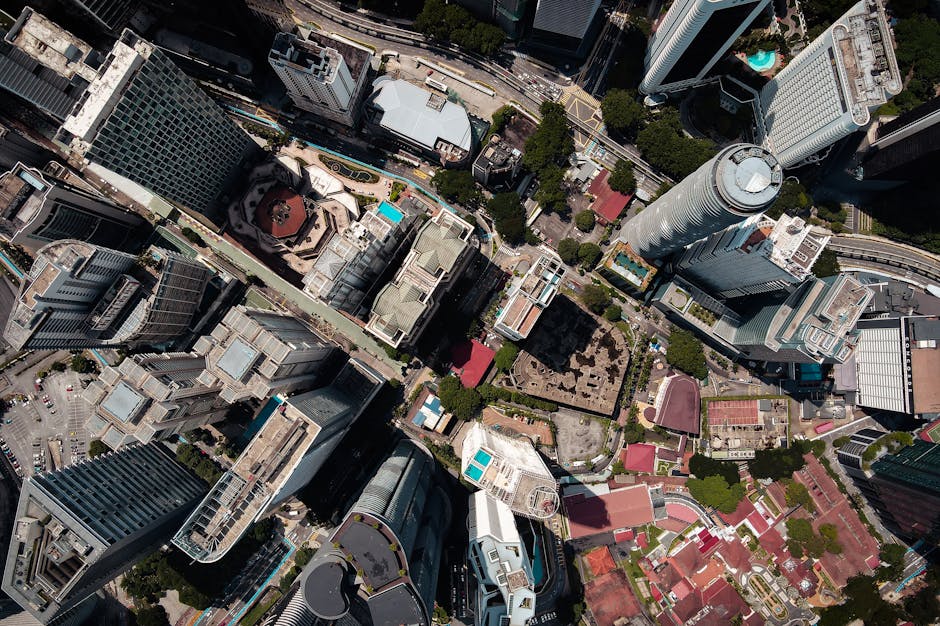
Singapore is a model of urban efficiency. Clean, safe, and well-connected, it blends cultures in districts like Chinatown, Little India, and Kampong Glam. Gardens by the Bay and Marina Bay Sands offer futuristic landmarks.
Public transport is excellent, and English is widely spoken. Hawker centers provide affordable, diverse meals—try chicken rice at Maxwell Food Centre.
Warning: Chewing gum is regulated, and littering fines are steep. Follow local rules to avoid penalties.
How to Plan Your Urban Exploration Trip
Start by choosing a city that matches your interests. Love food? Prioritize cities with strong culinary scenes like Tokyo or Mexico City. Prefer art and design? Berlin or Melbourne may suit you better.
Research neighborhoods in advance. Look beyond tourist guides to find local blogs or community forums. These often reveal hidden gems—like a quiet bookstore in Lisbon or a rooftop bar in Seoul.
Step-by-Step Planning Guide
1. Set a budget. Urban travel can be expensive, but many cities offer free walking tours, museum days, and affordable transit passes.
2. Book central accommodations. Staying near a transit hub or lively neighborhood reduces travel time and increases spontaneity.
3. Download essential apps. Google Maps, local transit apps, and translation tools help you navigate confidently.
4. Pack light and smart. Comfortable shoes, a daypack, and weather-appropriate layers are essential. Avoid overpacking—urban explorers move frequently.
5. Leave room for improvisation. The best discoveries often happen off-schedule. Allow time to wander without a fixed agenda.
Common Mistakes Urban Explorers Make
One frequent error is over-scheduling. Trying to see everything leads to burnout. Instead, focus on a few neighborhoods per day and dive deep.
Another pitfall is relying solely on tourist zones. While iconic sites matter, real urban life thrives in residential areas. Visit a local market, sit in a neighborhood park, or chat with a shop owner.
Avoid assuming all cities operate the same way. Cultural norms around tipping, noise, or dress vary. Research local etiquette to show respect and blend in.
Safety Tips for City Travel
Stay aware of your surroundings, especially in crowded areas. Keep your phone and wallet secure. Use hotel safes for passports and extra cash.
Share your itinerary with someone you trust. Check in regularly if traveling solo. Most cities have reliable emergency services, but knowing local numbers helps.
Trust your instincts. If a situation feels off, leave. Urban environments can be overwhelming—take breaks when needed.
Why Urban Exploration Matters
Exploring cities fosters cultural understanding and personal growth. It challenges assumptions and builds empathy. Every street, conversation, and meal adds perspective.
For travelers, it’s also deeply rewarding. There’s joy in finding a quiet café in a bustling district or learning a local tradition. These moments create lasting memories.
Cities are living ecosystems. They change, adapt, and surprise. The best travel destinations for urban city explorers are those that invite you to return—because there’s always more to discover.
Final Thoughts
The best travel destinations for urban city explorers offer more than sights—they offer experiences. From Tokyo’s precision to Lisbon’s soul, each city has a rhythm worth learning.
Plan with intention, travel with curiosity, and embrace the unexpected. Urban exploration isn’t about checking boxes. It’s about connecting with places and people in meaningful ways.
Whether you’re a first-time visitor or a seasoned wanderer, these cities will inspire your next adventure. Start exploring.
FAQ
What makes a city good for urban exploration?
A great city for urban exploration is walkable, culturally rich, and safe. It should have diverse neighborhoods, accessible public transit, and visible local life—like markets, cafes, and street art.
Is it safe to explore cities alone?
Yes, many cities are safe for solo travelers, especially in daylight. Stay aware, avoid poorly lit areas at night, and keep emergency contacts handy. Research local safety tips before you go.
How can I find hidden gems in a new city?
Talk to locals, read neighborhood blogs, and explore beyond tourist hubs. Visit during off-peak hours and wander without a strict plan. Sometimes the best spots are found by accident.