
Family Travel Tips for Planning Easy Family Vacations
Planning a family vacation doesn’t have to be stressful. With the right approach, you can create a smooth, enjoyable trip that works for everyone—from toddlers to grandparents. Start by choosing destinations with kid-friendly activities, booking accommodations with space and amenities, and building in flexibility. Pack smart, plan downtime, and involve your kids in the process. These family travel tips will help you design easy family vacations that leave lasting memories, not headaches.
Choose the Right Destination for Your Family
Not all vacation spots are created equal when kids are involved. Look for places that offer a mix of relaxation and activities suitable for different ages. Beach resorts, national parks, and cities with interactive museums often work well.
Consider travel time. A long flight with young children can be exhausting. A 3-hour drive to a lakeside cabin might be more manageable than a 6-hour flight to a theme park. Think about what your family enjoys most—adventure, culture, or downtime—and match the destination to those preferences.
Family-Friendly Destinations That Work
Orlando, Florida, is a classic choice with theme parks like Disney World and Universal Studios. These parks offer FastPass systems, child care options, and stroller rentals, making them easier to navigate.
Sedona, Arizona, offers outdoor adventures with mild hiking trails and stunning red rock views. It’s less crowded than major cities and provides a peaceful setting for families who love nature.
San Diego combines beaches, the world-famous zoo, and Balboa Park. The city is walkable, safe, and full of activities that appeal to both kids and adults.
Book Smart: Accommodations and Transportation
Where you stay can make or break your trip. Opt for accommodations that offer kitchens, separate sleeping areas, and laundry facilities. Vacation rentals like Airbnb or Vrbo often provide more space and value than hotels.
Hotels with pools, free breakfast, and on-site restaurants reduce the need to pack up and go out for every meal. Look for properties with cribs, high chairs, and babysitting services if needed.
Transportation Tips for Families
If flying, book direct flights when possible. Layovers increase the chance of delays and cranky kids. Arrive at the airport early and use family security lanes to reduce stress.
Pack snacks, tablets with downloaded shows, and small toys in your carry-on. Bring a lightweight stroller that folds easily—most airlines allow gate-checking strollers at no extra cost.
For road trips, plan stops every 2–3 hours. Use apps like Roadtrippers to find rest areas, playgrounds, or quick meal spots along the way. Keep a cooler with drinks and healthy snacks to avoid constant fast food stops.
Create a Realistic Itinerary
A packed schedule might sound exciting, but it often leads to burnout—especially with young children. Build in downtime and allow room for spontaneity.
Plan one major activity per day, then leave the afternoon open for rest or exploration. For example, visit a museum in the morning, then spend the afternoon at the hotel pool or a nearby park.
Sample One-Day Itinerary: Washington, D.C.

Start at the National Air and Space Museum when it opens. Kids love the interactive exhibits and flight simulators. Grab lunch at a nearby food truck or café.
In the afternoon, walk to the National Mall and let the kids run around the open space. End the day with an early dinner at a family-friendly restaurant like Founding Farmers.
Pack Like a Pro
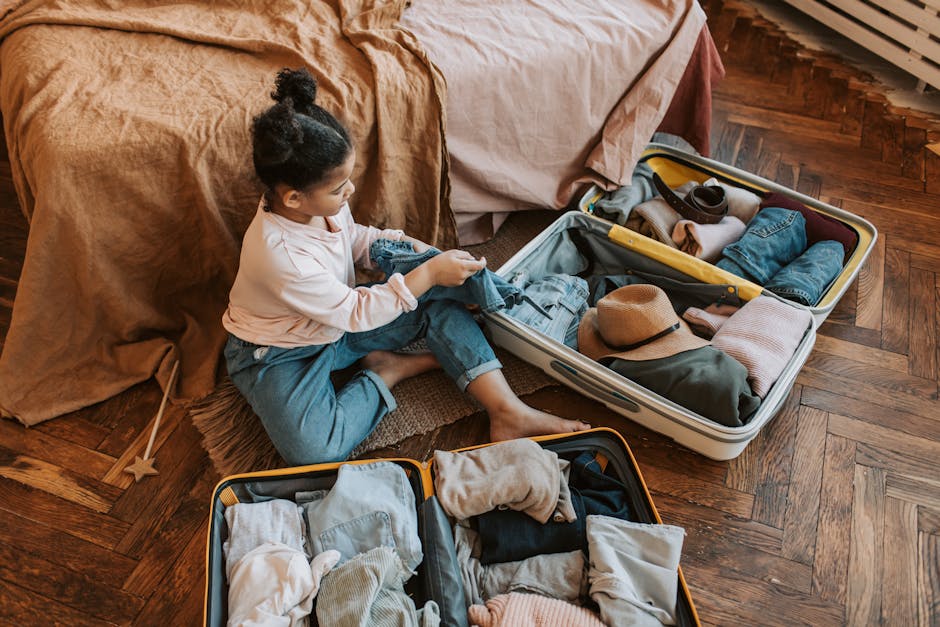
Packing efficiently saves time, space, and sanity. Use packing cubes to organize clothes by person or day. Roll clothes instead of folding to save room and reduce wrinkles.
Bring a small first-aid kit with band-aids, antiseptic wipes, allergy medication, and pain relievers. Include copies of prescriptions and insurance cards.
Must-Have Items for Family Travel
- Portable phone charger and extra cables
- Reusable water bottles with filters
- Snacks that don’t melt or spoil easily
- Entertainment: coloring books, travel games, headphones
- Weather-appropriate clothing and a light jacket
Check the weather forecast before you leave. Pack layers for destinations with changing conditions, like mountain towns or coastal areas.
Involve Kids in the Planning Process
When children help plan the trip, they’re more excited and cooperative. Show them maps, photos, and videos of the destination. Let them choose one activity or meal each day.
Give them age-appropriate responsibilities, like packing their own backpack or being in charge of the camera. This builds independence and reduces reliance on parents for every decision.
Make It Educational
Turn travel into a learning opportunity. Before visiting a historical site, read a short book or watch a kid-friendly documentary together. At the destination, ask questions like, “What do you think life was like here 100 years ago?”
Keep a travel journal. Let each child draw pictures or write a few sentences about their favorite part of the day. This creates a keepsake and encourages reflection.
Manage Expectations and Stay Flexible
Even the best-laid plans can go off track. Flights get delayed, kids get sick, or the weather turns. Accept that not everything will go perfectly—and that’s okay.
Have a backup plan for rainy days. Indoor attractions like aquariums, science centers, or bowling alleys can save the day when outdoor plans fall through.
Dealing with Meltdowns and Fatigue

Kids get overwhelmed. If your child is tired or overstimulated, don’t push the schedule. Find a quiet spot, offer a snack, and take a break. A 20-minute nap or quiet time can reset the mood for the rest of the day.
Stay calm and patient. Your attitude sets the tone. If you’re frustrated, your kids will pick up on it. Breathe, adjust, and keep going.
Budget Wisely Without Sacrificing Fun
Family trips can get expensive fast. Set a budget before you start planning and stick to it. Use tools like Google Flights’ price tracker or Hopper to find the best deals on airfare and hotels.
Look for free or low-cost activities. Many cities offer free museum days, outdoor concerts, or walking tours. National parks charge entrance fees, but an annual America the Beautiful pass costs $80 and covers all federal parks for a year.
Save on Food
Dining out for every meal adds up. Pack breakfast items like granola bars, yogurt, and fruit. Use hotel breakfasts when available. For lunch, grab sandwiches from a local deli instead of eating at tourist spots.
Supper can be a mix of restaurant meals and simple home-cooked dinners if your accommodation has a kitchen. Even reheating pasta or making tacos counts as a win.
Keep Everyone Safe and Healthy
Check travel advisories and vaccination requirements before you go. Some destinations require specific immunizations or have health risks like mosquito-borne illnesses.
Carry hand sanitizer and disinfectant wipes. Use them before meals and after touching high-contact surfaces like door handles or elevator buttons.
Sun and Heat Safety
Apply sunscreen every two hours, especially near water or snow, which reflect UV rays. Use hats, sunglasses, and UV-protective clothing for added protection.
Stay hydrated. Offer water frequently, even if kids say they’re not thirsty. Avoid sugary drinks, which can lead to energy crashes.
Capture Memories Without Missing the Moment
It’s tempting to document every second, but constant photo-taking can distract from the experience. Designate specific times for photos, like during a scenic view or a special activity.
Use a shared photo album app like Google Photos so everyone can upload pictures. This creates a collective memory book without one person doing all the work.
Unplug and Connect

Set boundaries for screen time. Encourage kids to explore, play, and talk to each other. A device-free hour at dinner or during a nature walk can strengthen family bonds.
Instead of scrolling through social media, play a card game, tell stories, or stargaze together. These moments often become the most cherished memories.
Return Home with Less Stress
Ease the transition back home by planning a low-key first day. Unpack gradually, do light chores, and avoid scheduling big events right after your return.
Let kids rest and adjust to the time zone. A quiet evening at home with favorite meals can help everyone reset.
Reflect and Celebrate
Talk about the trip as a family. What was the best part? What would you do differently next time? This reflection helps improve future vacations and reinforces positive experiences.
Display photos, souvenirs, or the travel journal in a common area. It keeps the joy of the trip alive and inspires future adventures.
Final Thoughts on Easy Family Vacations
Easy family vacations aren’t about perfection—they’re about connection, flexibility, and shared joy. With thoughtful planning, realistic expectations, and a few smart strategies, you can create trips that bring your family closer without the stress.
Remember, the goal isn’t to see everything or do everything. It’s to enjoy time together, explore new places, and make memories that last. Use these family travel tips to build a vacation that works for your unique family dynamic.
FAQ
How far in advance should I plan a family vacation?
Start planning 2–3 months ahead for domestic trips and 4–6 months for international travel. This gives you time to find deals, book accommodations, and prepare necessary documents like passports.
What’s the best way to keep kids entertained during long travel days?
Bring a mix of activities: books, puzzles, tablets with downloaded shows, and small toys. Rotate them every hour to maintain interest. Don’t forget snacks and drinks to keep energy levels stable.
How can I save money on family travel without cutting fun?
Choose destinations with free attractions, cook some meals, and travel during off-peak seasons. Use reward points for flights or hotels, and look for family discounts at museums and theme parks.