
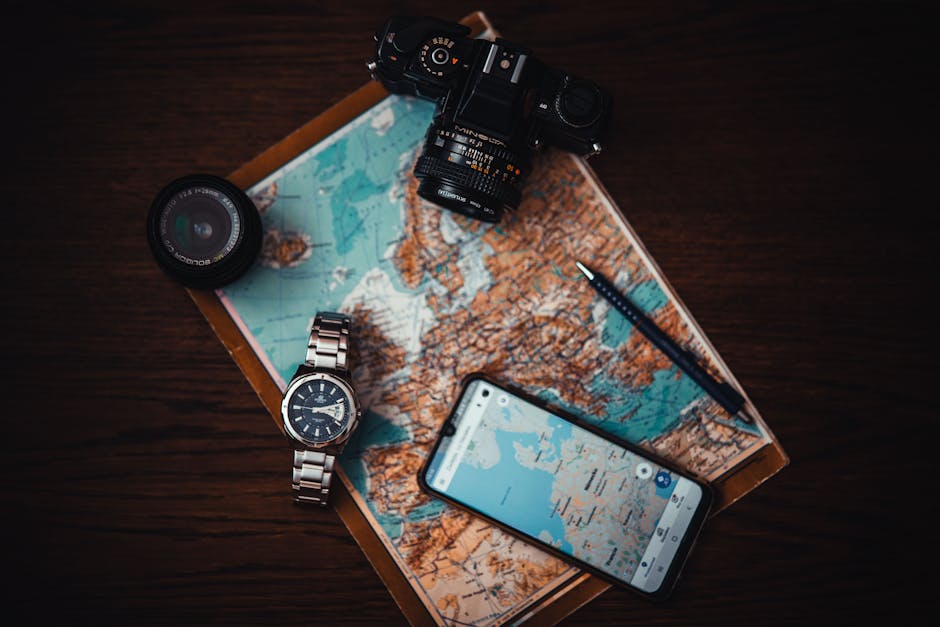
Travel Tips Guide with Travel Apps and Tools Advice
Planning a trip can be exciting—but also overwhelming. With so many moving parts, from booking flights to navigating foreign cities, having the right travel tips and digital tools can make all the difference. This guide walks you through essential strategies and top-rated apps to simplify every stage of your journey, whether you’re a first-time traveler or a seasoned explorer.
We’ll cover everything from packing efficiently to staying safe abroad, all while highlighting practical apps that save time, money, and stress. By the end, you’ll have a clear roadmap to smarter, smoother travel.
Start with Smart Planning
Great trips begin with thoughtful preparation. Rushing into bookings without a plan often leads to overspending or missed opportunities. Begin by setting a realistic budget and defining your travel goals—relaxation, adventure, culture, or a mix.
Use tools like Google Flights to compare airfare across dates and airlines. Its price graph feature shows the cheapest days to fly, helping you avoid peak pricing. For accommodations, consider Booking.com or Airbnb, both of which offer filters for location, amenities, and guest ratings.
Create a Travel Itinerary
A well-structured itinerary keeps you organized and ensures you don’t miss must-see spots. Start with a rough outline of cities or regions, then fill in key activities, meals, and transportation.
Apps like TripIt or Google Trips automatically organize your bookings—flights, hotels, rental cars—into a single timeline. Just forward confirmation emails, and the app builds your schedule. This is especially useful for multi-city trips where timing is critical.
Check Entry Requirements Early
Passport validity, visas, and health requirements vary widely by destination. Many countries require passports to be valid for at least six months beyond your travel dates. Check official government sites like the U.S. State Department or UK Foreign Office for up-to-date entry rules.
For visa applications, start early. Some countries process requests in weeks; others take months. iVisa and VisaHQ streamline applications for select destinations, but always verify requirements on official embassy sites to avoid scams.
Pack Light and Smart
Overpacking is a common mistake that leads to heavy bags, extra fees, and mobility issues. Stick to a carry-on when possible—it saves time at airports and reduces the risk of lost luggage.
Use packing cubes to organize clothes by category or outfit. They compress items and make it easy to find what you need without unpacking everything. Roll clothes instead of folding to save space and reduce wrinkles.
Essential Items to Include
Pack a compact toiletry kit with travel-sized essentials. TSA allows liquids in containers of 3.4 ounces or less, all fitting in a single quart-sized bag. Don’t forget medications, chargers, and a universal power adapter.
Include a lightweight daypack for sightseeing. It’s useful for carrying water, snacks, and souvenirs. For electronics, consider a portable battery pack—especially if you’ll be using your phone for maps and photos all day.
What to Leave Behind
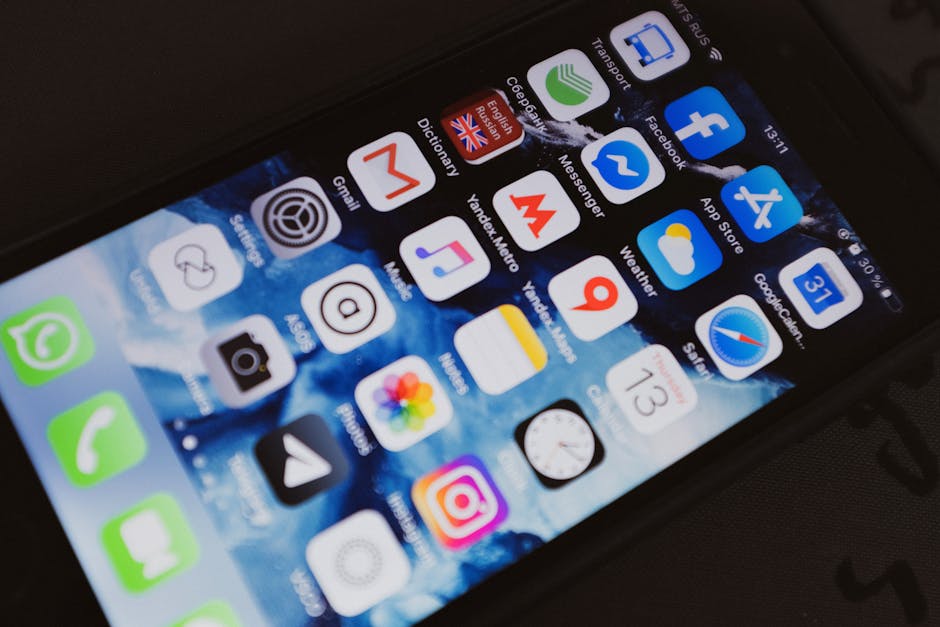
Avoid bringing unnecessary gadgets or duplicate items. If you have a smartphone, you likely don’t need a separate camera, e-reader, or GPS device. Most hotels provide toiletries, so skip full-size shampoos unless you have sensitive skin.
Leave expensive jewelry and irreplaceable items at home. If you must bring valuables, keep them in your carry-on and never check them.
Use Travel Apps to Navigate with Confidence
Modern travel apps turn your smartphone into a personal assistant. They help with everything from language translation to real-time transit updates. The key is choosing tools that match your travel style and destination.
Download apps before you leave. Many require setup or offline downloads, which aren’t always possible once you’re abroad. Test them at home to ensure they work as expected.
Navigation and Transportation
Google Maps remains the gold standard for walking, driving, and public transit directions. It works offline if you download maps in advance—a lifesaver in areas with poor signal.
Citymapper excels in major cities like London, New York, and Tokyo. It integrates real-time bus, train, and bike-share data, suggesting the fastest routes. For ride-hailing, Uber and Bolt are widely available, but local apps like Grab (Southeast Asia) or DiDi (China) often offer better rates.
Language and Communication
Google Translate supports over 100 languages and includes a camera mode for translating signs and menus instantly. Download language packs for offline use.
For voice translation, iTranslate offers natural-sounding speech output. It’s helpful for basic conversations, though not a substitute for learning key phrases. Always carry a physical phrasebook or card with emergency phrases as a backup.
Money and Budgeting
Currency conversion apps like XE Currency provide real-time exchange rates. Use them to check prices while shopping or dining to avoid overspending.
For managing expenses, Trail Wallet lets you set a daily budget and log purchases by category. It syncs across devices and works offline. Avoid dynamic currency conversion at ATMs and point-of-sale terminals—always choose to be charged in the local currency.
Stay Safe and Secure
Safety should never be an afterthought. Research your destination’s common scams, local laws, and emergency numbers. Register your trip with your country’s travel advisory program, such as STEP (U.S.) or Registration of Canadians Abroad.
Share your itinerary with a trusted friend or family member. Check in regularly, especially if traveling solo or to remote areas.

Protect Your Devices and Data
Use a VPN (Virtual Private Network) like ExpressVPN or NordVPN when connecting to public Wi-Fi. These encrypt your data, protecting against hackers on unsecured networks.
Enable two-factor authentication on important accounts. Avoid logging into banking or email on shared devices. Keep devices locked with strong passwords or biometrics.
Health and Insurance
Pack a basic first-aid kit with bandages, antiseptic, pain relievers, and any prescription medications. Include copies of prescriptions in case you need refills abroad.
Travel insurance is non-negotiable for international trips. It covers medical emergencies, trip cancellations, and lost luggage. Compare plans on sites like Squaremouth or InsureMyTrip, and read the fine print—some exclude adventure activities or pre-existing conditions.
Save Money Without Sacrificing Experience
Travel doesn’t have to break the bank. With smart choices, you can stretch your budget and still enjoy authentic experiences. Focus on value, not just low prices.
Travel during shoulder seasons—spring or fall in most regions—when prices drop and crowds thin. You’ll find better deals on flights and hotels, plus more personalized service.
Eat Like a Local
Skip touristy restaurants near major attractions. Instead, ask locals for recommendations or use apps like Yelp or TheFork to find highly rated, affordable eateries.
Visit local markets for fresh produce, snacks, and ready-to-eat meals. They’re cheaper than restaurants and offer a genuine taste of regional cuisine. In cities like Bangkok or Mexico City, street food is safe, delicious, and budget-friendly when vendors have high turnover.
Use Public Transportation
Taxis and private transfers add up quickly. In most cities, public transit is reliable, clean, and far more economical. Buy multi-day passes where available—they often include discounts on attractions.
Apps like Moovit or Transit provide real-time schedules and route planning for buses, trains, and subways. They work in hundreds of cities and support offline mode.
Make the Most of Your Destination
Beyond logistics, great travel is about connection and discovery. Immerse yourself in local culture, try new foods, and step off the beaten path when possible.

Use apps like Atlas Obscura to find hidden gems—quirky museums, secret viewpoints, or historic sites overlooked by guidebooks. These experiences often become trip highlights.
Capture Memories Responsibly
Take photos, but don’t let your phone become a barrier to presence. Put it away during meals, conversations, and quiet moments. Use a camera with manual settings if you’re serious about photography.
Respect local customs around photography. In some places, it’s rude or illegal to photograph people, religious sites, or military installations. When in doubt, ask first.
Leave No Trace
Travel sustainably by minimizing waste and respecting natural and cultural sites. Carry a reusable water bottle, shopping bag, and utensils. Avoid single-use plastics whenever possible.
Stick to marked trails in parks and protected areas. Support eco-friendly businesses and tour operators that prioritize conservation and community benefit.
Final Tips for Stress-Free Travel
Even with the best planning, things can go wrong. Flights get delayed, reservations vanish, or weather changes plans. Stay flexible and keep a positive mindset.
Carry printed copies of important documents—passport, insurance, hotel confirmations—in case your phone dies or gets lost. Store digital backups in cloud storage like Google Drive or iCloud.
Pack a small emergency kit with a flashlight, duct tape, safety pins, and a multi-tool. These simple items solve unexpected problems, from broken zippers to loose tent poles.
Finally, give yourself grace. Travel is as much about the journey as the destination. Embrace small mishaps as part of the adventure.
FAQ
What are the most essential travel apps I should download before a trip?
Google Maps, Google Translate, and TripIt are must-haves for navigation, language, and itinerary management. Add a currency converter and travel insurance app based on your destination.
How can I avoid tourist traps while traveling?
Research neighborhoods beyond main attractions, read recent reviews on trusted platforms, and ask locals for recommendations. Avoid restaurants with menus in multiple languages and no local patrons.
Is it safe to use public Wi-Fi while traveling?
Public Wi-Fi is convenient but risky. Always use a reputable VPN to encrypt your connection, and avoid accessing sensitive accounts like banking unless necessary.