Top Family Travel Adventures for Outdoor Loving Kids
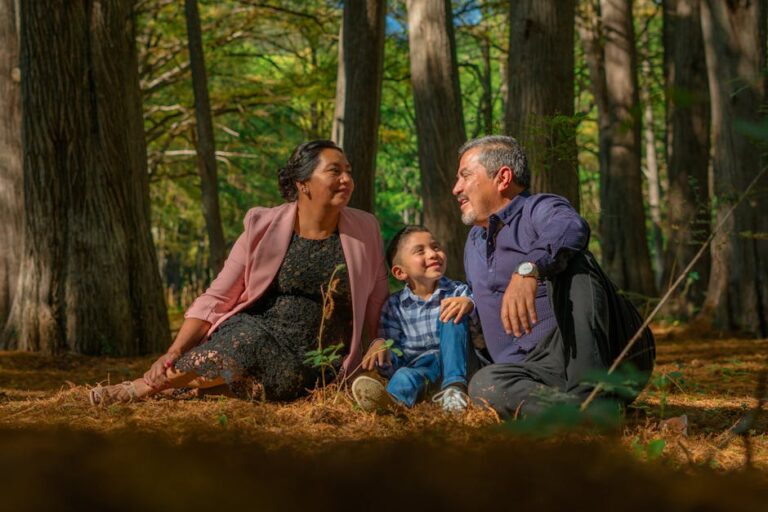
Families with active, nature-loving children know that the best vacations happen outside. Whether it’s hiking through forests, splashing in rivers, or sleeping under the stars, outdoor adventures create lasting memories and build confidence in kids. The right trip balances fun, safety, and age-appropriate challenges. This guide highlights the top family travel adventures for outdoor loving kids, offering real-world options across the U.S. and beyond. From national parks to coastal trails, these experiences are designed to engage young explorers while giving parents peace of mind.
Why Outdoor Adventures Are Perfect for Kids
Outdoor activities naturally encourage curiosity, physical fitness, and problem-solving. Unlike screen-based entertainment, time in nature reduces stress and improves focus in children. Studies show that kids who spend regular time outdoors are more creative and resilient.
Family travel centered around nature also strengthens bonds. Shared challenges—like crossing a suspension bridge or identifying animal tracks—create teamwork and conversation. These trips often cost less than theme parks, with the added benefit of teaching environmental stewardship.
Benefits Beyond Fun
Adventure travel builds real-world skills. Navigating a trail map teaches spatial reasoning. Setting up a tent introduces basic engineering. Even packing a backpack reinforces responsibility.
For parents, these trips offer a break from structured routines. Without the distractions of daily life, families reconnect through shared experiences. The simplicity of outdoor living often leads to deeper conversations and more laughter.
Top Destinations for Family Outdoor Adventures
Choosing the right destination is key. Look for places with varied terrain, accessible trails, and kid-friendly facilities. The following locations offer a mix of excitement and safety for families.
Yellowstone National Park, Wyoming
Yellowstone is a natural playground with geysers, hot springs, and wildlife. Kids love watching Old Faithful erupt and spotting bison or elk along the roads. The park offers ranger-led programs designed for children, including junior ranger badges.
Trails like the Uncle Tom’s Trail or the Fairy Falls hike are manageable for most ages. Bring binoculars and a wildlife guidebook to boost engagement. Stay in one of the park’s lodges or nearby campgrounds for an immersive experience.
Great Smoky Mountains National Park, Tennessee/North Carolina
This park is one of the most visited in the U.S., and for good reason. It’s free to enter and has over 800 miles of trails. The Laurel Falls trail is a paved, half-mile walk perfect for little legs.
Families can explore historic cabins, go trout fishing, or take a scenic drive along the Cades Cove loop. In spring, wildflowers bloom; in fall, the foliage is spectacular. Campgrounds like Elkmont offer easy access to trails and restrooms.
Acadia National Park, Maine
Acadia combines coastal beauty with mountain hikes. The Jordan Pond Path is a flat, two-mile loop ideal for families. Kids enjoy skipping stones and spotting loons on the water.
For a challenge, try the Precipice Trail—though it’s steep and requires climbing rungs, it’s best for older kids. Sunrise from Cadillac Mountain is a must-see. The park also offers bike rentals for exploring carriage roads.
Zion National Park, Utah
Zion’s red rock canyons and narrow slot trails captivate kids and adults alike. The Riverside Walk is an easy, shaded path that follows the Virgin River. It’s a great warm-up before attempting the Narrows.
The Narrows involves wading through the river between towering walls. Rent waterproof gear and start early. For younger kids, the Pa’rus Trail is paved and stroller-friendly. Shuttle access makes getting around simple.
Big Sur, California
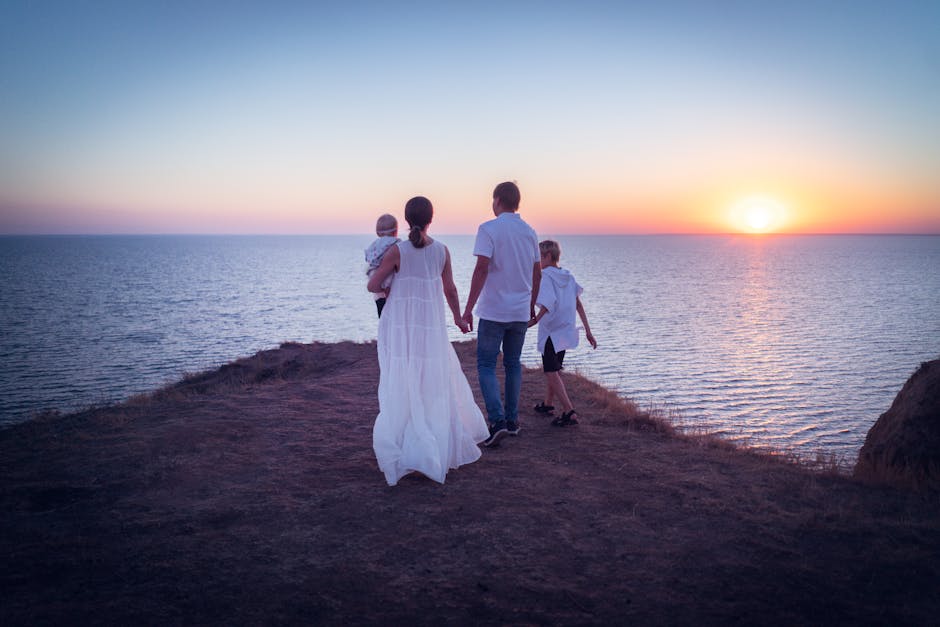
Big Sur offers dramatic coastal scenery and redwood groves. The Julia Pfeiffer Burns State Park has a short trail to McWay Falls, an 80-foot waterfall that drops onto a beach.
Families can camp at Pfeiffer Big Sur State Park or stay in nearby lodges. Kayaking in the coves or exploring tide pools at low tide adds variety. Just watch for steep cliffs and keep kids close near the edges.
Adventure Types That Work for Families
Not all outdoor adventures require backpacks and boots. Some of the best experiences are low-effort but high-impact. Here are a few types that consistently delight kids.
Wildlife Safaris
Seeing animals in the wild is thrilling for children. National parks like Yellowstone and Everglades offer guided tours where rangers point out bears, alligators, or birds.
For a more controlled experience, consider a family-friendly safari in places like Alaska’s Kenai Fjords or Costa Rica’s Manuel Antonio National Park. Binoculars and a checklist turn sightings into a game.
Kayaking and Canoeing
Paddling is a peaceful way to explore lakes and rivers. Many outfitters offer tandem kayaks or canoes built for families. Try the Boundary Waters in Minnesota or the San Juan Islands in Washington.
Look for calm waters and short routes. Most rentals include life jackets and basic instruction. Pack snacks and water—kids burn energy quickly on the water.
Rock Climbing and Bouldering
Indoor climbing gyms are great for beginners, but outdoor climbing offers real adventure. Many parks have beginner-friendly routes with professional guides.
Joshua Tree in California and Red River Gorge in Kentucky offer family programs. Guides provide helmets, harnesses, and teach safety basics. Start with bouldering—no ropes needed—before moving to taller climbs.
Backpacking and Camping
Overnight trips teach independence and resilience. Choose a short loop trail with established campsites. The Appalachian Trail has family-friendly sections in Virginia and North Carolina.
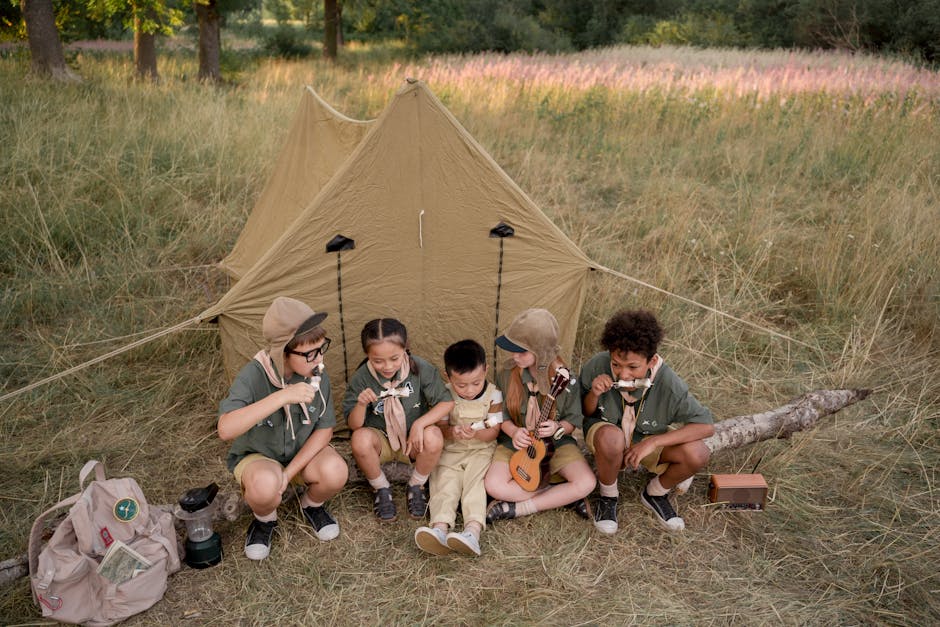
Pack light but smart: a tent, sleeping bags, a stove, and a first-aid kit. Involve kids in meal planning—dehydrated meals are easy and fun to prepare. Always check weather forecasts and trail conditions.
Planning Tips for Stress-Free Family Adventures
Good preparation turns a potential disaster into a smooth trip. These steps help ensure safety and enjoyment for everyone.
Choose Age-Appropriate Activities
A 5-year-old won’t enjoy a 10-mile mountain climb, but a 12-year-old might be ready. Match activities to your child’s stamina and interests. Look for trails rated “easy” or “moderate” on park websites.
Test shorter hikes at home before a big trip. If your child tires quickly, plan for frequent breaks and bring a carrier or wagon for younger kids.
Pack the Essentials
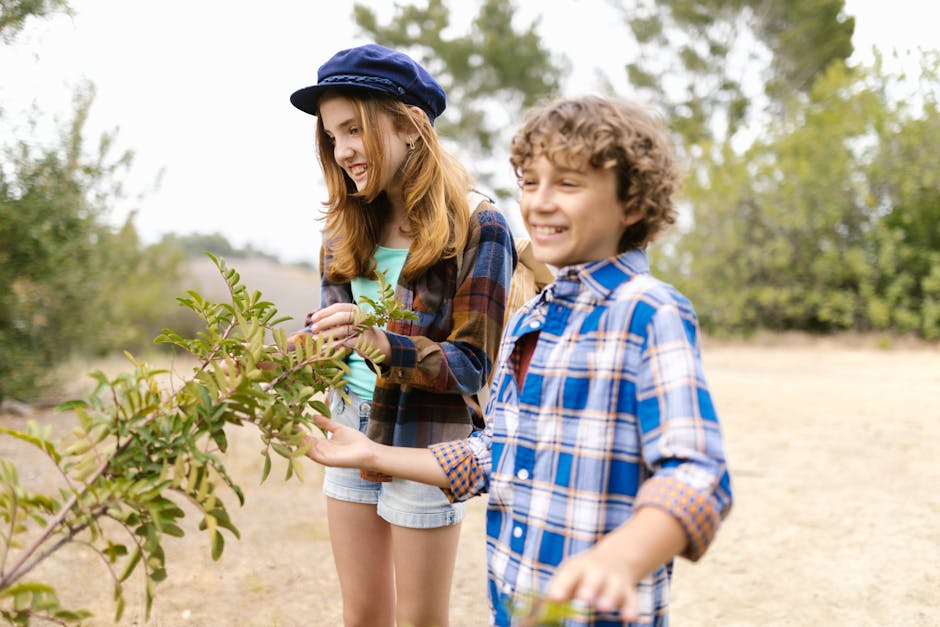
Always carry water, snacks, sunscreen, bug spray, and a first-aid kit. Dress in layers—weather changes fast in mountains and forests. Wear sturdy shoes, not sandals.
Bring a map and compass, even if you have GPS. Batteries die, and signals drop. Teach kids basic navigation skills before you go.
Check Weather and Trail Conditions
Sudden storms, flash floods, or trail closures can ruin plans. Check park websites or call ranger stations a few days before departure. Avoid high-elevation trails in early spring when snowmelt causes dangerous runoff.
Download offline maps and share your itinerary with someone at home. Let them know when you plan to return.
Involve Kids in Planning
Let children help choose the destination or pick meals. Giving them a role increases excitement and cooperation. Use books or videos to preview the trip—this builds anticipation and reduces anxiety.
Create a “treasure hunt” list of things to find: a pinecone, a red leaf, a bird’s nest. This keeps kids engaged during long drives or quiet hikes.
Safety First: What Every Family Should Know
Adventure comes with risks, but most can be managed with preparation. Teach kids basic safety rules before leaving home.
Stay on Marked Trails
Wandering off trail increases the risk of getting lost or injured. Use trail markers and stay within sight of your group. If someone strays, stop and regroup immediately.
Teach kids to stay put if they get separated. Carry a whistle—three short blasts is a universal distress signal.
Know Wildlife Safety
Never approach or feed animals. Store food in bear-proof containers in bear country. Make noise while hiking to avoid surprising wildlife.
Teach children to back away slowly if they see a bear or mountain lion. Never run. In snake-prone areas, watch where you step and avoid tall grass.
Hydration and Sun Protection
Dehydration happens quickly, especially in children. Offer water every 20–30 minutes, even if they don’t ask. Electrolyte drinks help on hot days.
Apply sunscreen every two hours and wear hats and sunglasses. Seek shade during peak sun hours (10 a.m. to 4 p.m.).
Budget-Friendly Outdoor Family Trips
Adventure doesn’t have to be expensive. Many top destinations are free or low-cost. Here’s how to save without sacrificing fun.
Use America the Beautiful Pass
This $80 annual pass grants access to all national parks and federal recreation sites. It pays for itself after two or three visits. Seniors, fourth graders, and military families may qualify for free or discounted passes.
Camp Instead of Staying in Hotels
Camping is often half the price of lodging. Many campgrounds have showers, restrooms, and fire pits. Rent gear if you don’t own it—many outdoor stores offer family packages.
Cook simple meals over a campfire or portable stove. Hot dogs, foil packets, and s’mores are kid favorites.
Travel Off-Season
Visit popular parks in spring or fall to avoid crowds and high prices. Weather is often mild, and wildlife is active. Winter trips can be magical—snowshoeing and cross-country skiing are great for families.
Check for ranger programs and guided walks, which are usually free. Some parks offer seasonal events like night sky programs or junior ranger days.
Making the Most of Your Family Adventure
The goal isn’t perfection—it’s connection. Embrace the mess, the detours, and the unexpected moments.
Capture Memories Without Screens
Instead of constant photos, try a nature journal. Kids can draw plants, write about animals, or collect leaves (where permitted). This encourages observation and reflection.
Bring a disposable camera or a single device for group photos. Limit screen time to preserve the outdoor experience.
End Each Day with a Ritual
Share “highs and lows” around the campfire. What was the best part of the day? What was tricky? This builds communication and gratitude.
Stargazing is a natural ending. Use a stargazing app to identify constellations. On clear nights, the Milky Way is visible in many parks.
FAQ
What age is best to start outdoor family adventures?
There’s no strict age limit. Even toddlers can enjoy short nature walks and picnics. Start with easy outings and gradually increase difficulty as kids grow. Focus on fun and exploration, not distance or speed.
How do I keep my kids safe while hiking?
Teach basic trail rules, stay on marked paths, and carry safety gear like a whistle and first-aid kit. Dress appropriately, stay hydrated, and monitor weather. Supervise closely near cliffs, rivers, or wildlife.
Are there outdoor adventures suitable for kids with limited mobility?
Yes. Many parks offer accessible trails, boardwalks, and wheelchair-friendly facilities. Places like the Grand Canyon, Yosemite, and Great Smoky Mountains have paved paths and shuttle services. Check park websites for accessibility details.
Final Thoughts
The best family travel adventures for outdoor loving kids combine exploration, education, and bonding. Whether you’re hiking a mountain trail or paddling a quiet lake, these experiences shape how children see the world. With thoughtful planning and a spirit of adventure, your next trip can be both thrilling and meaningful. Start small, stay safe, and let nature do the rest.