Adventure Travel Guide for Exploring Mountains and Forests
Exploring mountains and forests offers some of the most rewarding outdoor experiences on Earth. Whether you’re hiking a misty alpine trail or trekking through a dense rainforest, adventure travel in natural landscapes combines physical challenge with deep connection to nature. This guide covers essential planning steps, safety tips, gear recommendations, and destination ideas to help you prepare for your next mountain or forest expedition. With the right approach, even first-time adventurers can enjoy safe, memorable journeys into wild terrain.
Why Choose Mountains and Forests for Adventure Travel
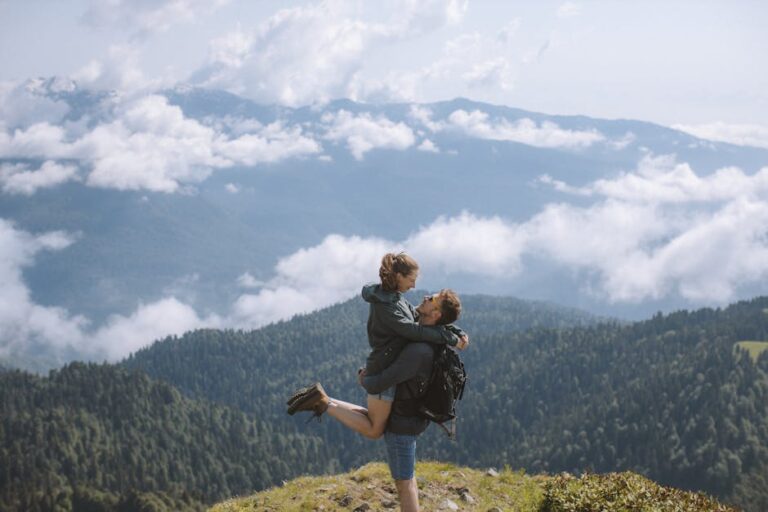
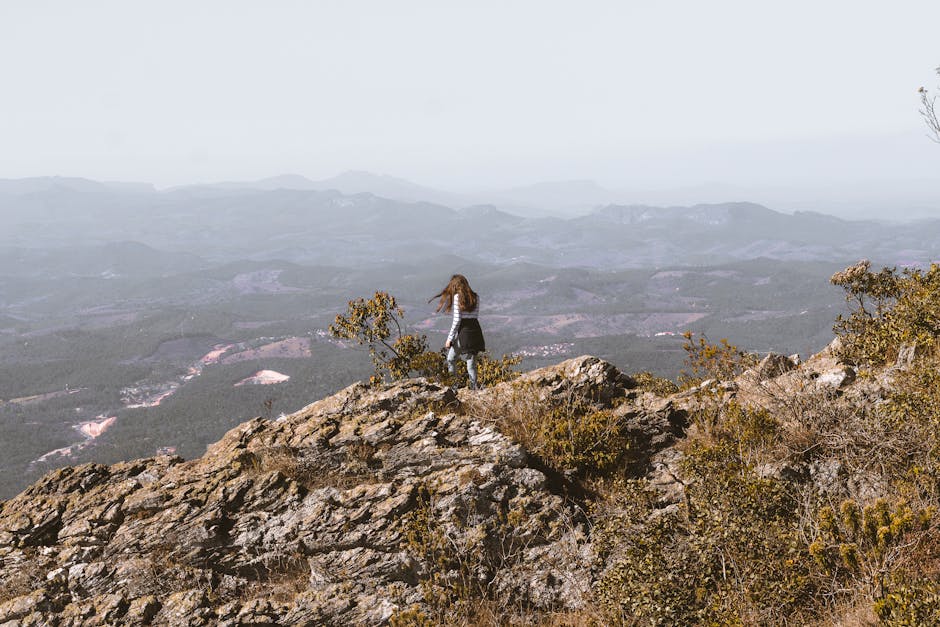
Mountains and forests provide diverse ecosystems, dramatic scenery, and opportunities for solitude or group exploration. From the snow-capped peaks of the Rockies to the ancient redwoods of California, these environments challenge the body and refresh the mind. Unlike urban adventures, wilderness travel encourages mindfulness, resilience, and a deeper appreciation for natural rhythms.
Physical and Mental Benefits
Hiking and trekking improve cardiovascular health, build endurance, and strengthen muscles. The mental benefits are equally compelling: time in nature reduces stress, enhances focus, and promotes emotional well-being. Studies consistently show that spending time in forests—known as “forest bathing”—can lower cortisol levels and improve mood.
Variety of Experiences
Adventure travel in mountains and forests isn’t limited to hiking. You can rock climb, mountain bike, camp under the stars, or photograph wildlife. Each activity offers a unique way to engage with the environment. For example, backpacking the Appalachian Trail provides a multi-week journey, while a day hike in the Smokies offers a shorter but equally scenic escape.
Planning Your Adventure: Step-by-Step
Proper planning is the foundation of a successful trip. Rushing into the wilderness without preparation can lead to discomfort or danger. Follow these steps to ensure a smooth experience.
1. Choose Your Destination
Start by selecting a region that matches your fitness level and interests. Beginners may prefer well-marked trails in national parks like Yosemite or Great Smoky Mountains. More experienced travelers might aim for remote areas like Patagonia’s Torres del Paine or the Himalayas’ Annapurna Circuit.
2. Research Trail Conditions and Regulations
Check official park websites for trail closures, permits, and seasonal restrictions. Some forests require advance reservations for camping. For example, permits for the John Muir Trail are highly competitive and must be applied for months in advance.
3. Assess Your Fitness Level
Be honest about your physical readiness. A 10-mile mountain hike with 3,000 feet of elevation gain is vastly different from a flat forest loop. Train with weighted packs and elevation gain if you’re preparing for a strenuous trek.
4. Create a Detailed Itinerary
Map your route, estimate daily distances, and identify water sources and emergency exit points. Share your plan with someone not on the trip. Include expected return time and check-in procedures.
Essential Gear for Mountain and Forest Adventures
Having the right equipment can mean the difference between comfort and crisis. Focus on reliability, weight, and versatility.
Clothing and Footwear
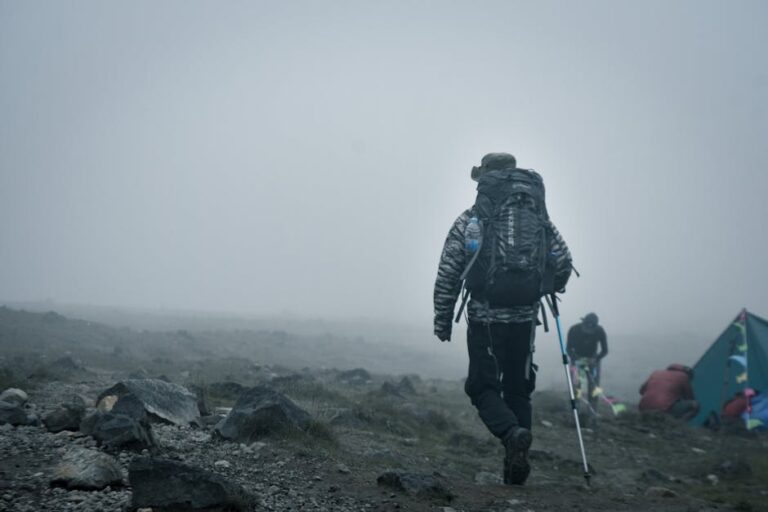
Wear moisture-wicking base layers, insulating mid-layers, and a waterproof outer shell. Avoid cotton—it retains moisture and increases the risk of hypothermia. Invest in sturdy hiking boots with ankle support and good traction. Break them in before your trip to prevent blisters.
Backpack and Shelter
A 40–60 liter backpack suits most multi-day trips. Choose one with a padded hip belt to transfer weight off your shoulders. For shelter, a lightweight tent or bivy sack is essential in forested areas. In open mountains, consider a tarp or emergency bivy for weight savings.
Navigation Tools
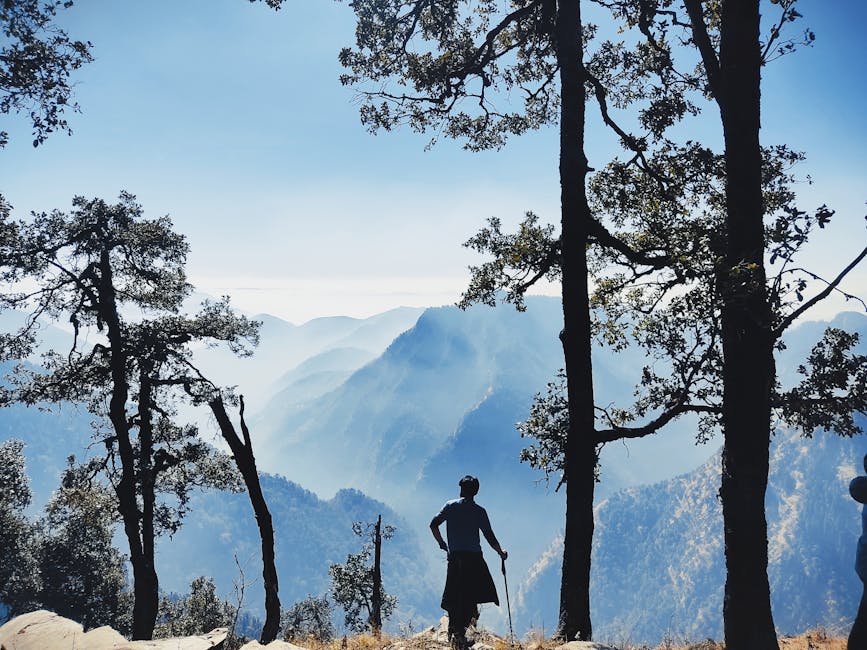
Carry a physical map and compass—even if you use GPS. Batteries die, and signals fail. Learn basic orienteering skills. A GPS device with offline maps is a valuable backup.
Safety and Emergency Supplies
Pack a first-aid kit, fire starter, headlamp with extra batteries, and a whistle. Include a lightweight emergency blanket and a multi-tool. For longer trips, consider a personal locator beacon (PLB) or satellite messenger.
Safety Tips for Wilderness Exploration
Safety should always come first. Even experienced hikers face unexpected challenges.
Weather Awareness
Mountain weather changes rapidly. Afternoon thunderstorms are common at higher elevations. Check forecasts before departure and monitor conditions during your trip. If lightning is possible, descend to lower ground and avoid exposed ridges.
Wildlife Encounters
Know how to respond to local wildlife. In bear country, carry bear spray and store food in bear-proof containers or hang it properly. Make noise while hiking to avoid surprising animals. In forested areas, check for ticks and snakes regularly.
Hydration and Nutrition
Dehydration impairs judgment and increases fatigue. Drink water regularly, even if you don’t feel thirsty. Use a filter or purification tablets to treat natural water sources. Pack high-calorie, lightweight foods like nuts, dried fruit, and energy bars.
Leave No Trace Principles
Minimize your impact by following Leave No Trace ethics: pack out all trash, stay on marked trails, and avoid disturbing wildlife. Use established campsites when possible. These practices preserve the environment for future visitors.
Top Destinations for Mountain and Forest Adventure Travel
Some locations stand out for their accessibility, scenery, and trail quality.
United States
Yosemite National Park offers granite cliffs, waterfalls, and ancient sequoias. The Pacific Crest Trail spans 2,650 miles from Mexico to Canada, passing through deserts, forests, and high peaks. In the East, the White Mountains in New Hampshire provide rugged terrain and fall foliage.
Canada
Banff and Jasper National Parks in the Canadian Rockies feature turquoise lakes, glaciers, and abundant wildlife. The West Coast Trail on Vancouver Island is a challenging 47-mile coastal forest trek with ladders, cable cars, and tidal crossings.
Europe
The Dolomites in Italy combine dramatic limestone formations with alpine meadows. In Scandinavia, Norway’s fjords and Sweden’s Lapland forests offer solitude and stunning northern lights. The Carpathian Mountains in Romania are ideal for off-the-beaten-path exploration.
Asia
Nepal’s Himalayas are legendary for high-altitude trekking. The Langtang Valley and Everest Base Camp routes attract thousands annually. In Japan, the forests of Yakushima Island inspired the film Princess Mononoke and feature moss-covered trails and ancient cedars.
South America
Chile’s Patagonia region includes Torres del Paine, known for its granite towers and glacial lakes. The Amazon rainforest in Peru offers jungle treks with opportunities to see rare birds and mammals. Always travel with a local guide in remote areas.
Seasonal Considerations for Adventure Travel
The best time to visit depends on location and activity.
Spring
Ideal for lower-elevation forests and mountain foothills. Wildflowers bloom, and temperatures are mild. Be cautious of muddy trails and snowmelt-swollen streams.
Summer
Prime season for high-altitude hikes. Long daylight hours allow for extended exploration. However, popular trails can be crowded. Book permits early.
Fall
Cooler temperatures and vibrant foliage make autumn a favorite. Wildlife is active before winter. Be prepared for early snow in northern regions.
Winter
Requires specialized gear and skills. Snowshoeing and cross-country skiing open new possibilities. Avalanche risk is real—take a course and carry proper safety equipment.
Group vs. Solo Travel: Pros and Cons
Deciding whether to go alone or with others affects your experience and safety.
Traveling with a Group
Groups offer shared responsibilities, increased safety, and social interaction. They’re ideal for beginners or complex routes. However, group dynamics can slow progress or create conflicts.
Solo Adventure Travel
Solo trips provide freedom and introspection. You set your own pace and itinerary. But they require greater self-reliance and emergency preparedness. Always inform others of your plans.
Environmental Responsibility in Adventure Travel
As more people explore natural areas, preserving them becomes critical.
Support Local Communities
Hire local guides, stay in eco-lodges, and buy regional products. This boosts economies and promotes sustainable tourism.
Reduce Waste
Use reusable containers, avoid single-use plastics, and pack out all trash. Even biodegradable items like orange peels can disrupt ecosystems.
Respect Wildlife
Observe animals from a distance. Never feed them—it alters behavior and can be dangerous. Use binoculars or a zoom lens for photography.
Common Mistakes to Avoid
Even careful planners make errors. Learn from these frequent missteps.
Underestimating Distance and Elevation
GPS apps often miscalculate trail difficulty. Factor in elevation gain—1,000 feet of ascent can add an hour or more to your hike.
Poor Water Management
Running out of water is a serious risk. Know where reliable sources are and how to treat water safely.
Ignoring Altitude Sickness
Headache, nausea, and dizziness at high elevations can signal altitude sickness. Descend immediately if symptoms worsen. Acclimatize gradually when possible.
Overpacking
Heavy packs slow you down and increase injury risk. Pack only what you need. Test your gear before departure.
Final Tips for a Successful Adventure
Preparation, respect for nature, and adaptability are key. Start small, build experience, and gradually take on more challenging trips. Listen to your body and the environment. Adventure travel in mountains and forests isn’t about conquering nature—it’s about moving through it with awareness and care.
FAQ
What should I pack for a weekend mountain hike?
Pack a lightweight tent or shelter, sleeping bag, stove, food, water filter, map, compass, first-aid kit, headlamp, and layered clothing. Include sun protection and emergency supplies.
How do I stay safe in bear country?
Carry bear spray, make noise while hiking, store food properly, and never approach bears. Hike in groups when possible and know how to react during an encounter.
Can I hike in the mountains if I’m a beginner?
Yes. Start with well-marked, moderate trails in national parks. Build fitness gradually, use proper gear, and consider joining a guided hike or outdoor group for support.