Best Adventure Travel Places for Hikers and Campers
If you’re looking for the best adventure travel places for hikers and campers, you’re in the right place. These destinations offer rugged trails, breathtaking views, and immersive outdoor experiences that go beyond typical tourist spots. Whether you’re planning a solo trek or a family camping trip, these locations provide the perfect mix of challenge, solitude, and natural beauty.
From mountain ranges to coastal wilderness, the world is full of incredible places to explore on foot and under the stars. This guide highlights top destinations that cater to different skill levels and interests. You’ll find practical tips, seasonal advice, and essential gear recommendations to help you prepare.
Why Adventure Travel Matters for Hikers and Campers
Adventure travel isn’t just about physical activity—it’s about connection. Spending time in remote natural settings helps reduce stress, improve mental clarity, and foster a deeper appreciation for the environment.
For hikers and campers, these trips offer a chance to disconnect from daily routines and engage with nature on a personal level. Whether you’re climbing a peak or setting up camp beside a quiet lake, the experience builds resilience and self-reliance.
Physical and Mental Benefits
Hiking and camping improve cardiovascular health, strengthen muscles, and boost endurance. Even moderate trails can provide a solid workout, especially when carrying a loaded backpack.
Mentally, time spent outdoors has been linked to reduced anxiety and improved mood. The combination of fresh air, physical exertion, and natural scenery creates a powerful reset for the mind.
Building Practical Skills
Adventure travel teaches valuable skills like navigation, weather assessment, and emergency preparedness. Learning to read a topographic map or purify water in the wild increases confidence and safety.
These experiences also encourage problem-solving and adaptability. When conditions change—like a sudden rainstorm or a missed trail marker—you learn to respond calmly and effectively.
Top Destinations for Hikers and Campers
Choosing the right location depends on your experience level, climate preference, and trip duration. Below are some of the best adventure travel places for hikers and campers, each offering unique landscapes and challenges.
1. Torres del Paine, Chile
Located in Patagonia, Torres del Paine National Park is a hiker’s paradise. The W Trek and full-circuit routes take you through glaciers, turquoise lakes, and granite towers that rise dramatically from the landscape.
Summer months (December to February) offer the most stable weather, though winds can still be strong. Camping is permitted at designated sites, and refugios (mountain huts) provide basic shelter for those who prefer not to carry a tent.
Wildlife includes guanacos, foxes, and the elusive puma. Be prepared for rapid weather changes and pack layers, even in summer.
2. The Dolomites, Italy
The Dolomites in northern Italy combine alpine beauty with well-maintained trails and rifugi (mountain huts). This UNESCO World Heritage site is ideal for hikers who want scenic views without extreme isolation.
Popular routes include the Alta Via 1 and the Tre Cime di Lavaredo loop. Most trails are marked and maintained, making navigation straightforward. Camping is restricted in many areas, so plan to stay in rifugi or nearby campsites.
Late spring to early autumn (June to September) is the best time to visit. Snow can linger at higher elevations into June, so check trail conditions before departure.
3. The John Muir Trail, USA
Stretching 211 miles through California’s Sierra Nevada, the John Muir Trail (JMT) is one of the most iconic long-distance hikes in the world. It passes through Yosemite, Kings Canyon, and Sequoia National Parks.
Most hikers take 3–4 weeks to complete the full trail, but shorter sections are accessible for weekend trips. Permits are required and highly competitive, so apply early through the lottery system.
Elevation gains are significant, with passes exceeding 11,000 feet. Acclimatize gradually and carry a water filter—streams are plentiful but must be treated.
4. Milford Track, New Zealand
Known as “the finest walk in the world,” the Milford Track in Fiordland National Park offers lush rainforests, waterfalls, and mountain vistas. The 33-mile route takes four days and is fully guided or self-guided with bookings.
Camping is not allowed along the track; instead, hikers stay in Department of Conservation (DOC) huts with bunk beds and basic facilities. Bookings open a year in advance and fill quickly.
Rain is common, even in summer. Waterproof gear is essential, and gaiters help keep boots dry on muddy sections.
5. Mount Kilimanjaro, Tanzania
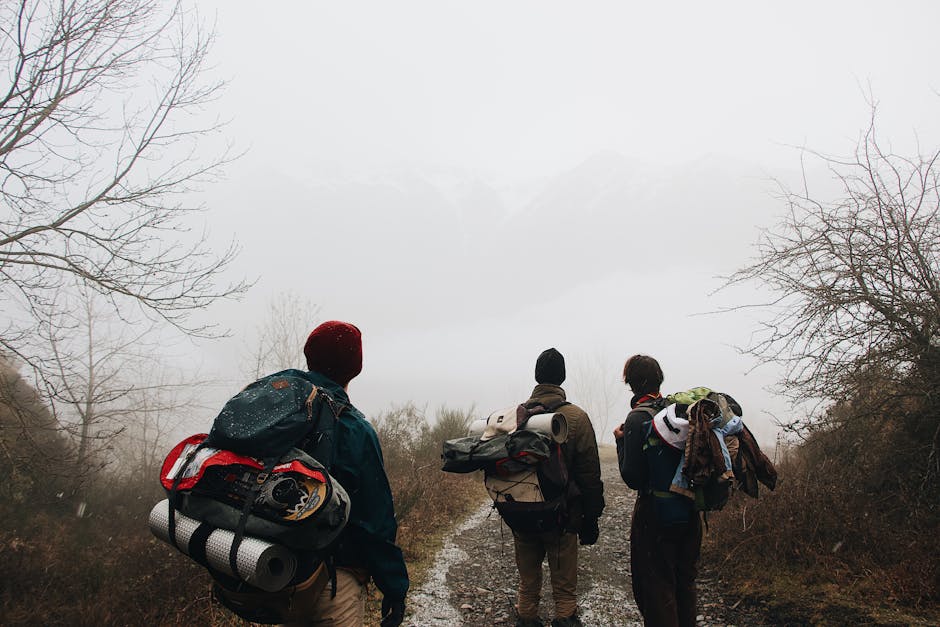
Climbing Africa’s highest peak is a bucket-list adventure for many hikers. While not a technical climb, the altitude presents a serious challenge. The Machame and Lemosho routes are popular for their scenic diversity and higher success rates.
Trekking companies provide tents, meals, and guides. Porters carry most gear, but hikers should pack personal items and a sleeping bag rated for cold temperatures.
The best times to climb are January–March and June–October, when rainfall is lowest. Altitude sickness is a real risk—choose a route with proper acclimatization days.
6. The Canadian Rockies, Canada
Banff, Jasper, and Yoho National Parks offer some of the most accessible and stunning wilderness in North America. Trails range from easy lakeside walks to multi-day backcountry routes.
Lake Louise, Moraine Lake, and the Skyline Trail in Jasper are standout destinations. Camping is available at front-country and backcountry sites, though permits are required for overnight stays.
Wildlife encounters with bears are possible. Carry bear spray, make noise on trails, and store food properly. Summer is peak season, but shoulder months offer fewer crowds and lower prices.
7. The Annapurna Circuit, Nepal
This classic Himalayan trek circles the Annapurna massif, passing through diverse landscapes—from subtropical forests to high-altitude deserts. The full circuit takes 15–20 days, with teahouses providing food and lodging.
Camping is less common now due to teahouse availability, but still possible in remote sections. The Thorong La Pass at 17,769 feet is the highest point and requires careful preparation.
Best trekking seasons are March–May and October–November. Avoid monsoon season (June–September) due to heavy rain and landslide risks.
8. The Overland Track, Australia
Located in Tasmania’s Cradle Mountain-Lake St Clair National Park, this 40-mile trek crosses alpine plateaus, ancient rainforests, and glacial valleys. It’s a six-day journey with designated campsites and huts.
Permits are required and limited to protect the environment. Book through the Parks & Wildlife Service well in advance. Weather can be unpredictable—pack for cold, wet conditions even in summer.
Wildlife includes wombats, wallabies, and the rare Tasmanian devil. Trails are well-marked, but river crossings can be hazardous after rain.
9. The West Highland Way, Scotland
Scotland’s first long-distance trail runs 96 miles from Milngavie to Fort William. It passes through moorlands, lochs, and the foothills of Ben Nevis, the UK’s highest mountain.
The trail is well-served by B&Bs, hostels, and campsites. Most hikers complete it in 5–7 days. Weather is a major factor—rain and midges (tiny biting insects) are common in summer.
Use a midge head net and waterproof clothing. The scenery is dramatic, with views of Loch Lomond and the Glen Coe mountains.
10. The Laugavegur Trail, Iceland
This 34-mile trail in southern Iceland connects Landmannalaugar and Þórsmörk, two of the country’s most colorful and geologically active regions. It features rhyolite mountains, hot springs, and glacial rivers.
Camping is allowed at designated sites, and huts are available with reservations. The trail is typically open from late June to early September, depending on snowmelt.
River crossings require caution—water levels can rise quickly. A GPS or detailed map is recommended, as weather can reduce visibility.
How to Choose the Right Destination
With so many options, selecting the best adventure travel place depends on your goals and limitations. Consider factors like distance, elevation, climate, and required permits.
Assess Your Fitness Level
Be honest about your physical condition. Long-distance hikes with significant elevation gain require training. Start with shorter trips and build up endurance over time.
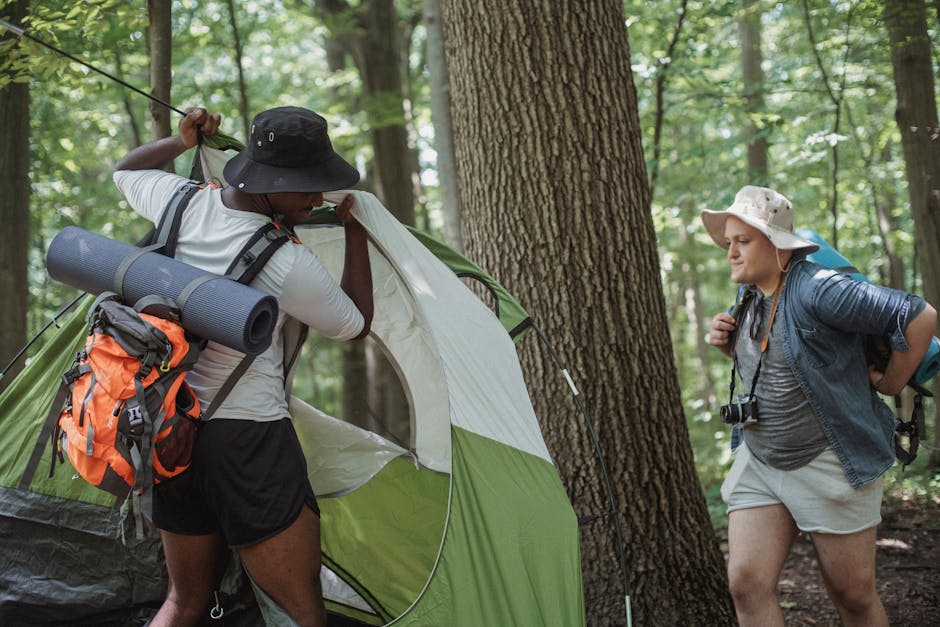
If you’re new to backpacking, choose destinations with established trails and nearby support, like the Dolomites or the West Highland Way.
Check Seasonal Conditions
Weather varies drastically by region and elevation. Research average temperatures, rainfall, and snow conditions for your travel dates.
For example, Patagonia is windy and cold even in summer, while Nepal’s monsoon season makes trails slippery and dangerous.
Understand Permit Requirements
Many popular trails require advance permits to limit environmental impact. The John Muir Trail, Milford Track, and Torres del Paine all have strict booking systems.
Apply early—some permits are allocated through lotteries or released a year in advance. Failure to secure a permit can ruin your plans.
Consider Travel Logistics
International trips may require visas, vaccinations, or specialized gear. Factor in travel time, local transportation, and language barriers.
For remote locations like Kilimanjaro or the Annapurna Circuit, work with reputable guides or tour operators to ensure safety and compliance with local regulations.
Essential Gear for Hikers and Campers
Having the right equipment makes a big difference in comfort and safety. While gear lists vary by destination, some items are universal.
Backpack and Shelter
Choose a backpack with a capacity of 50–70 liters for multi-day trips. It should have a padded hip belt and adjustable straps for support.
For shelter, a lightweight tent or bivy sack is essential. In areas with huts or refugios, a sleeping bag and sleeping pad may be all you need.
Clothing and Footwear
Layering is key. Wear moisture-wicking base layers, insulating mid-layers, and a waterproof outer shell. Avoid cotton—it retains moisture and increases hypothermia risk.
Invest in sturdy, broken-in hiking boots with good ankle support. Trail runners are lighter but offer less protection on rocky terrain.
Navigation and Safety
Always carry a map and compass, even if you use a GPS device. Batteries die, and signals fail in remote areas.
A first-aid kit, headlamp, fire starter, and emergency whistle are non-negotiable. Learn basic wilderness first aid before departing.
Food and Water
Pack high-calorie, lightweight foods like nuts, dried fruit, and dehydrated meals. Plan for one extra day of food in case of delays.
Use a water filter or purification tablets to treat natural water sources. Avoid drinking from stagnant pools or untreated streams.
Safety Tips for Adventure Travel
Preparation is the best defense against accidents. Even experienced hikers can run into trouble without proper planning.
Tell Someone Your Plans
Always share your itinerary with a trusted contact. Include your route, expected return date, and emergency contacts.
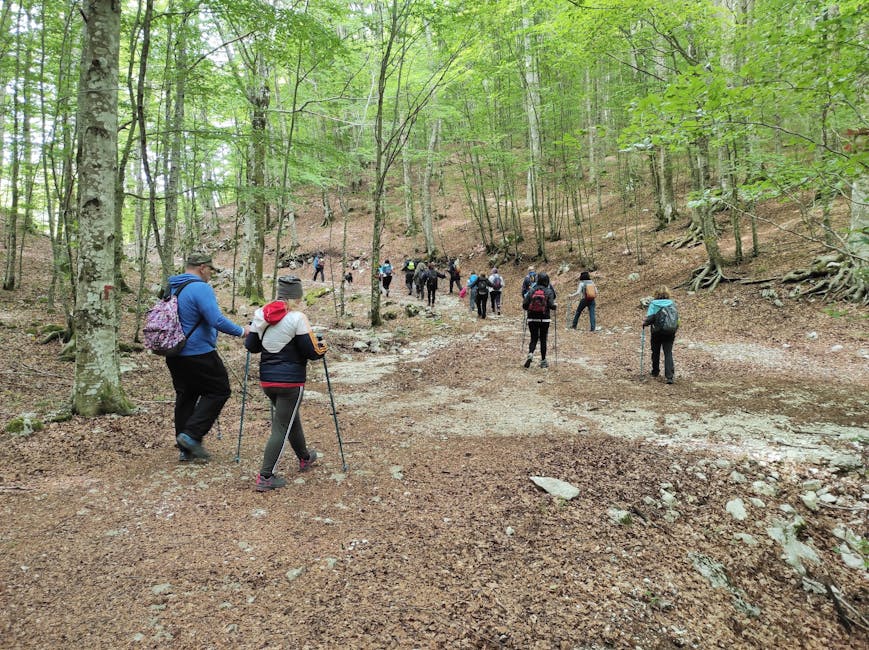
If you’re going off-grid, consider a satellite communicator like a Garmin inReach for check-ins and emergency alerts.
Check Weather Forecasts
Monitor conditions before and during your trip. Sudden storms, snow, or high winds can make trails dangerous.
In mountain areas, afternoon thunderstorms are common. Start hikes early to avoid exposure during peak storm hours.
Know Your Limits
Don’t push beyond your physical or mental limits. Fatigue increases the risk of injury and poor decision-making.
Turn back if conditions deteriorate or you feel unwell. It’s better to abandon a trip than risk a rescue or worse.
Respect Wildlife and Regulations
Keep a safe distance from animals. In bear country, store food in bear canisters or hang it properly.
Follow Leave No Trace principles: pack out all trash, stay on marked trails, and minimize campfire impact.
Planning Your Next Adventure
Once you’ve chosen a destination, start planning at least 3–6 months in advance. This gives you time to train, gather gear, and secure permits.
Create a detailed itinerary with daily mileage, elevation profiles, and resupply points. Share this with your emergency contact.
Practice with overnight trips close to home. Test your gear, refine your packing list, and build confidence in your abilities.
Budgeting for Your Trip
Adventure travel can be expensive, especially for international destinations. Costs include flights, permits, gear, food, and guide fees.
Look for ways to reduce expenses: rent gear, travel in the shoulder season, or join group expeditions to split costs.
Travel Insurance
Invest in travel insurance that covers adventure activities and emergency evacuation. Standard policies often exclude high-risk pursuits.
Read the fine print to ensure coverage for hiking, camping, and altitude-related incidents.
Final Thoughts
The best adventure travel places for hikers and campers offer more than just scenic views—they provide transformative experiences. Whether you’re traversing a glacier in Patagonia or camping under the stars in the Canadian Rockies, these journeys build character and create lasting memories.
Success comes from preparation, respect for nature, and a willingness to embrace the unknown. With the right mindset and gear, you’re ready to explore some of the world’s most incredible wild places.
FAQ
What is the best time of year for hiking and camping in mountainous regions?
The best time varies by location, but generally, late spring to early autumn offers the most stable weather. In the Alps or Rockies, aim for June to September. In Patagonia, December to February is ideal.
Do I need a guide for long-distance hikes?
It depends on the trail and your experience. Well-marked routes like the West Highland Way or Dolomites can be done independently. Remote or high-altitude treks, such as Kilimanjaro or the Annapurna Circuit, often benefit from a guide.
How do I prevent altitude sickness on high-elevation hikes?
Ascend gradually, stay hydrated, and avoid alcohol. Choose routes with acclimatization days, and descend immediately if symptoms like headache, nausea, or dizziness worsen.