
Best Adventure Travel Destinations for Long Backpacking Trips
If you’re planning an extended backpacking journey, choosing the right destination is crucial. The best adventure travel destinations for long backpacking trips combine safety, affordability, reliable transport, diverse landscapes, and rich cultural experiences. Whether you’re trekking through remote mountains, exploring ancient cities, or island-hopping across tropical coasts, these locations offer the infrastructure and adventure opportunities needed for months on the road.
This guide highlights ten standout regions ideal for long-term backpacking. Each destination supports slow travel, has a well-established backpacker trail, and offers a mix of natural beauty, cultural depth, and logistical ease. You’ll find practical insights on routes, costs, safety, and seasonal considerations to help you plan a trip that’s both thrilling and sustainable.
Why Long Backpacking Trips Require Careful Destination Planning
Long backpacking trips—lasting three months or more—demand more than just a good pair of boots. Unlike short vacations, extended travel requires consistent access to affordable lodging, local transport, healthcare, and reliable communication. The best adventure travel destinations for long backpacking trips are those where backpackers are common, infrastructure is traveler-friendly, and costs remain manageable over time.
Safety is another key factor. Destinations with low crime rates, political stability, and accessible emergency services reduce stress and allow you to focus on the experience. Cultural openness and English accessibility also matter, especially when navigating remote areas or dealing with bureaucratic tasks like visa extensions.
What Makes a Destination Backpacker-Friendly?
A backpacker-friendly destination typically has a network of hostels, guesthouses, and homestays. Public transportation should be affordable and extensive, with options like local buses, trains, and shared taxis. Internet access, ATMs, and medical clinics should be available in most towns.
Another hallmark is the presence of a well-trodden backpacker route. These trails—like Southeast Asia’s Banana Pancake Trail or South America’s Gringo Trail—offer a balance of adventure and support. You’ll find fellow travelers, English-speaking locals, and services tailored to long-term visitors.
Top 10 Adventure Travel Destinations for Long Backpacking Trips
1. Southeast Asia: Thailand, Vietnam, Laos, and Cambodia
Southeast Asia remains the gold standard for long-term backpacking. Countries like Thailand, Vietnam, Laos, and Cambodia offer a perfect blend of affordability, culture, and natural beauty. You can travel for months on a budget of $25–$40 per day, including food, lodging, and transport.
The region’s backpacker infrastructure is unmatched. Overnight buses, sleeper trains, and budget airlines connect major cities and remote villages. Popular routes include Bangkok to Siem Reap via Chiang Mai and Luang Prabang, or Ho Chi Minh City to Hanoi with stops in Hoi An and Halong Bay.
Adventure options abound: trekking in Sapa, Vietnam; kayaking in Halong Bay; exploring Angkor Wat at sunrise; or island-hopping in Thailand’s Andaman Sea. The tropical climate means year-round travel, though monsoon seasons (May–October in most areas) require planning.
Visa policies are generally backpacker-friendly. Many nationalities receive 30-day visa exemptions or can obtain extensions easily. Language barriers exist but are manageable in tourist zones. Always carry a copy of your passport and register with your embassy if staying long-term.
2. South America: Peru, Bolivia, Ecuador, and Colombia
South America offers dramatic landscapes and deep cultural immersion. The Andes Mountains, Amazon rainforest, and Pacific coast create a diverse playground for backpackers. Countries like Peru, Bolivia, Ecuador, and Colombia are affordable, with daily costs ranging from $30 to $50.
Lima, Cusco, and Quito serve as major hubs, with well-connected bus networks linking cities and national parks. The classic route includes Machu Picchu, Lake Titicaca, the Amazon basin, and the colonial towns of Sucre and Cartagena.
Trekking the Inca Trail, biking the Death Road in Bolivia, or volunteering in an eco-lodge in the Ecuadorian jungle are common adventures. Altitude sickness is a real concern in highland areas like Cusco (3,400m) and La Paz (3,650m). Acclimatize slowly, stay hydrated, and avoid alcohol for the first few days.
Crime can be an issue in urban centers, so use reputable transport, avoid displaying valuables, and stay in well-reviewed hostels. Spanish is essential outside tourist areas—basic language skills go a long way.
3. Nepal: The Himalayan Backpacker’s Paradise
Nepal is synonymous with adventure travel. Home to eight of the world’s ten highest peaks, it’s a magnet for trekkers, climbers, and spiritual seekers. The Annapurna Circuit and Everest Base Camp trek are legendary routes that attract thousands each year.
Backpacking in Nepal is inexpensive. Daily expenses average $20–$35, covering teahouse stays, dal bhat meals, and local transport. The Kathmandu-Pokhara-Bhairahawa triangle forms the core backpacker circuit, with buses and microbuses connecting key points.
Permits are required for most treks. The TIMS (Trekkers’ Information Management System) card and national park permits cost around $30–$50 and must be obtained in Kathmandu or Pokhara. Always trek with a guide or porter in remote areas—weather and terrain can be unpredictable.
Monsoon season (June–September) brings heavy rain and landslides, making trekking dangerous. The best times are October–November and March–April. Earthquake risk exists, but infrastructure has improved significantly since 2015.
4. New Zealand: Adventure Capital of the Pacific
New Zealand is a top choice for outdoor enthusiasts. With its fjords, volcanoes, glaciers, and lush forests, it offers endless adventure opportunities. The country is safe, English-speaking, and well-organized for travelers.
The North and South Islands can be explored over 2–4 months. Popular activities include bungee jumping in Queenstown, hiking the Tongariro Alpine Crossing, kayaking in Abel Tasman National Park, and visiting Maori cultural sites in Rotorua.
Backpacking is facilitated by a network of Department of Conservation (DOC) huts, hostels, and freedom camping sites (where permitted). Intercity buses like InterCity and Skip Bus offer flexible passes. Hitchhiking is common and generally safe, especially in rural areas.
Costs are higher than in Asia or South America—expect $50–$70 per day. Working holiday visas are available for citizens of many countries, allowing you to work part-time to fund your trip. Always check freedom camping rules—illegal camping can result in heavy fines.
5. Morocco: North Africa’s Backpacking Gem
Morocco offers a unique blend of Arab, Berber, and French influences. From the Sahara Desert to the Atlas Mountains and coastal medinas, it’s a culturally rich and visually stunning destination. Daily costs range from $25 to $45, making it affordable for long stays.
Marrakech, Fes, Chefchaouen, and Merzouga are key stops. The train and bus network is reliable, with CTM and Supratours offering comfortable, air-conditioned services. The Trans-Saharana route from Marrakech to the desert via Ouarzazate is a classic journey.
Adventure options include camel trekking in the Erg Chebbi dunes, hiking in the Todra Gorge, or surfing in Taghazout. Respect local customs—dress modestly, especially in rural areas, and avoid public displays of affection.
Petty theft can occur in crowded markets. Use money belts, avoid unlicensed guides, and negotiate prices upfront. Tap water is not safe to drink—stick to bottled or filtered water.
6. Georgia: Europe’s Hidden Backpacking Destination
Georgia, at the crossroads of Europe and Asia, is emerging as a top backpacking destination. It’s safe, affordable, and full of surprises—mountain villages, ancient monasteries, and world-class wine. Daily expenses average $30–$45.
Tbilisi, the capital, is a cultural hub with a growing hostel scene. From there, buses and marshrutkas (minibuses) connect to Kazbegi, Sighnaghi, and the wine region of Kakheti. The Georgian Military Highway offers stunning alpine scenery.
Trekking in the Caucasus Mountains, visiting cave cities like Uplistsikhe, or attending a traditional supra (feast) are unforgettable experiences. English is spoken in tourist areas, but learning a few Georgian phrases is appreciated.
Visa-free entry is granted to many nationalities for up to one year. Public transport is cheap but can be crowded. Always validate your ticket on buses to avoid fines.
7. India: Chaos, Color, and Culture
India is not for the faint of heart, but it rewards the adventurous with unparalleled diversity. From the Himalayas to Kerala’s backwaters, it’s a land of extremes. Budget backpackers can live on $20–$35 per day.
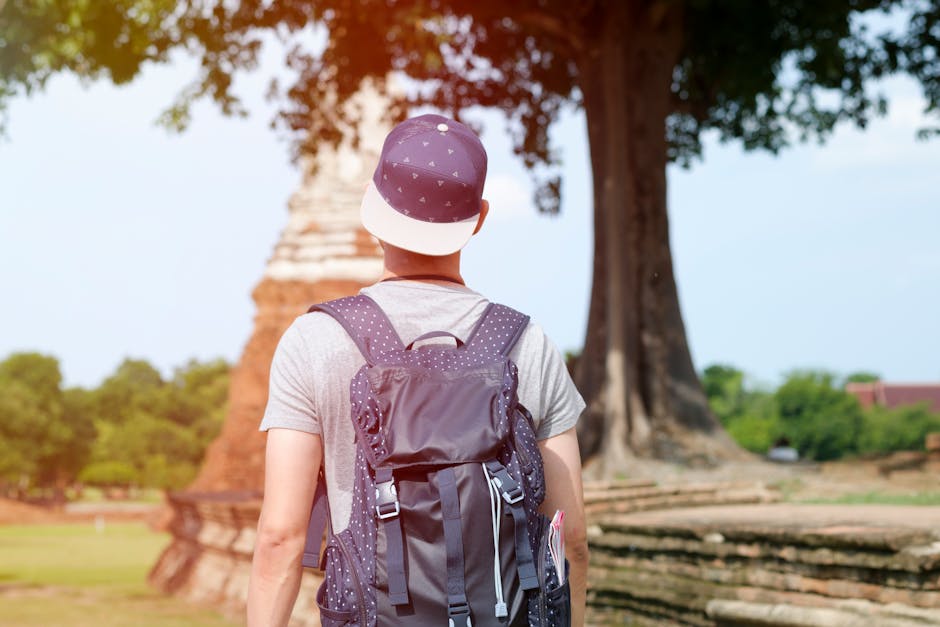
The Golden Triangle (Delhi, Agra, Jaipur) is a common starting point. From there, routes extend to Rishikesh for yoga and rafting, Varanasi for spiritual immersion, or Goa for beaches and nightlife. Overnight trains are a budget-friendly way to cover long distances.
Food is delicious but can be spicy or unhygienic. Stick to busy restaurants, avoid raw vegetables, and drink only bottled water. Scams targeting tourists exist—be cautious with unsolicited guides or “free” temple visits.
Monsoon season (June–September) affects travel plans, especially in the south. Winter (November–February) is the best time to visit most regions. Register with your embassy if staying long-term.
8. Central America: Guatemala, Nicaragua, and Costa Rica
Central America offers a compact, diverse region perfect for long backpacking trips. Guatemala’s Mayan ruins, Nicaragua’s volcanoes, and Costa Rica’s biodiversity create a dynamic journey. Daily costs range from $25 to $50.
Antigua, Granada, and La Fortuna are backpacker favorites. Chicken buses—colorful, repurposed school buses—are the main transport, though they can be slow and crowded. Domestic flights are available for longer distances.
Adventure activities include zip-lining in Monteverde, surfing in Tamarindo, or hiking up Cerro Negro in Nicaragua. Wildlife enthusiasts can visit Manuel Antonio National Park or Tortuguero for sea turtle nesting.
Hurricane season (June–November) affects the Caribbean coast. The Pacific side is generally drier. Crime varies by region—avoid isolated areas at night and use registered tour operators.
9. Turkey: Bridging Europe and Asia
Turkey blends European flair with Middle Eastern charm. Istanbul, Cappadocia, and the Mediterranean coast offer history, adventure, and hospitality. Daily expenses average $30–$50.
The intercity bus network is excellent, with companies like Metro and Kamil Koç offering comfortable, affordable rides. The route from Istanbul to Antalya via Ankara and Konya is popular, with detours to Pamukkale and Ephesus.
Hot air ballooning in Cappadocia, hiking the Lycian Way, or relaxing on Patara Beach are highlights. Turkish cuisine is a major draw—try kebabs, meze, and Turkish tea.
Political tensions exist, but tourist areas remain safe. Avoid large protests and monitor travel advisories. Visa requirements vary—check before arrival.
10. Australia: The Long-Road Adventure
Australia is ideal for those seeking a long, self-driven adventure. The vast Outback, Great Barrier Reef, and coastal cities offer endless exploration. However, it’s one of the most expensive destinations—expect $60–$90 per day.
The East Coast route from Brisbane to Cairns is a backpacker staple, with hostels, work opportunities, and national parks along the way. The Nullarbor Plain crossing is a classic overland challenge.
Working holiday visas allow you to work and travel for up to three years. Jobs in hospitality, agriculture, or mining can fund your trip. Always carry plenty of water in remote areas and check road conditions before driving.
Wildlife can be dangerous—avoid swimming in crocodile-prone areas and be cautious with snakes and spiders. Sun protection is essential year-round.
How to Choose the Right Destination for Your Trip
With so many options, selecting the best adventure travel destination for your long backpacking trip depends on your priorities. Consider your budget, travel style, language skills, and risk tolerance.
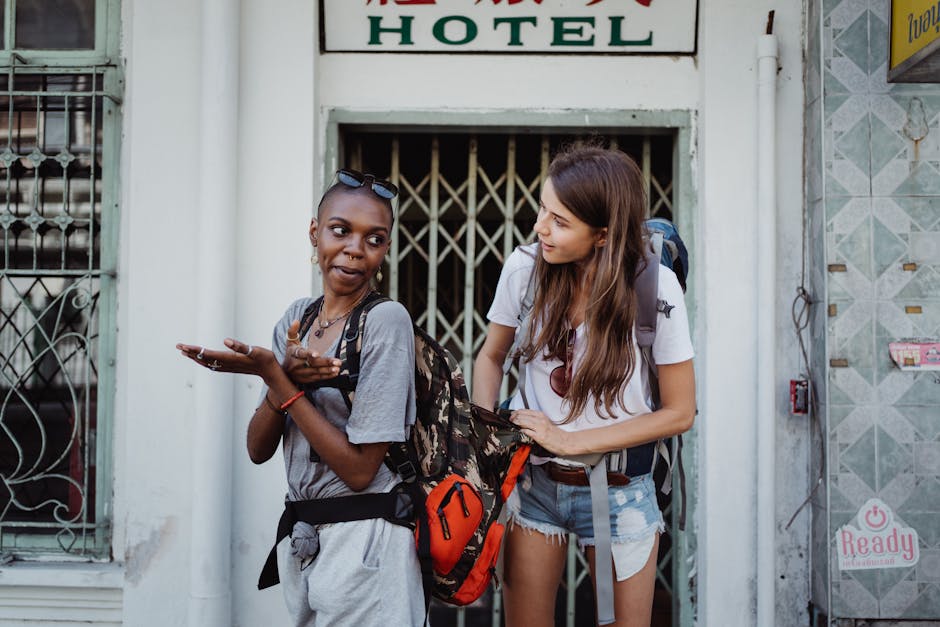
If affordability is key, Southeast Asia and South America lead the pack. For safety and ease, New Zealand and Georgia are excellent. If you crave cultural immersion, India and Morocco offer deep, transformative experiences.
Seasonality matters. Research weather patterns and peak tourist seasons. Traveling in the off-season can save money and reduce crowds, but some services may be limited.
Also consider visa logistics. Some countries offer visa-on-arrival or e-visas, while others require advance applications. Long-stay visas may be necessary for trips over 90 days.
Packing and Preparation Tips for Long-Term Backpacking
Packing light is essential. A 40–50L backpack with a rain cover is ideal. Focus on versatile, quick-dry clothing, a reliable sleeping bag, and a water filter. Leave room for souvenirs and local purchases.
Invest in quality gear: a durable tent if camping, a solar charger for remote areas, and a first-aid kit with medications for common ailments. Travel insurance is non-negotiable—choose a plan that covers adventure activities and medical evacuation.
Digitize important documents: passport, visa, insurance, and emergency contacts. Store copies in cloud storage and share them with a trusted contact at home.
Learn basic phrases in the local language. Even simple greetings build rapport and ease interactions. Download offline maps and translation apps before departure.
Safety and Sustainability on the Road
Safety starts with awareness. Research local scams, avoid risky areas, and trust your instincts. Keep digital and physical copies of your itinerary and check in regularly with family or friends.
Sustainable travel protects the places you love. Support local businesses, minimize plastic use, and respect wildlife and cultural sites. Leave no trace—pack out all trash, even on remote trails.
Over-tourism is a growing issue. Consider visiting lesser-known regions or traveling in shoulder seasons. Your presence should enrich, not overwhelm, the communities you visit.
Final Thoughts
The best adventure travel destinations for long backpacking trips offer more than just scenery—they provide growth, connection, and resilience. Whether you’re crossing continents or exploring a single region in depth, the journey shapes you as much as the destination.
Plan thoroughly, stay flexible, and embrace the unexpected. With the right mindset and preparation, a long backpacking trip can be one of the most rewarding experiences of your life.
FAQ
What is the cheapest region for a long backpacking trip?
Southeast Asia is generally the most affordable, with daily costs as low as $25–$35 in countries like Vietnam, Laos, and Cambodia. South America and India are also budget-friendly options.
How long should I plan for a long backpacking trip?
Most long backpacking trips last 3 to 12 months. Three months is a common starting point, allowing time to explore 3–5 countries without feeling rushed.
Do I need travel insurance for a long backpacking trip?
Yes. Travel insurance is essential for covering medical emergencies, trip cancellations, and lost gear. Choose a policy that includes adventure activities and long-term coverage.