Austria Travel Guide: Top Places and Travel Tips
Planning a trip to Austria? This guide covers the must-see destinations, practical travel tips, and insider advice to help you explore Austria with confidence. From the imperial charm of Vienna to the alpine beauty of Innsbruck, Austria blends culture, nature, and history seamlessly. Whether you’re visiting for a weekend or a two-week adventure, this Austria travel guide delivers essential insights to make your journey smooth and memorable.
Why Visit Austria?
Austria offers a rare balance of urban sophistication and natural wonder. It’s a country where Baroque palaces stand beside snow-capped peaks, and classical music echoes through cobblestone streets. With efficient public transport, clean cities, and a strong emphasis on hospitality, Austria is ideal for solo travelers, couples, and families alike.
The country is compact yet diverse. You can tour a museum in Vienna in the morning and hike in the Alps by afternoon. Austria’s central European location also makes it a great base for exploring neighboring countries like Germany, Italy, and the Czech Republic.
Top Destinations in Austria
Vienna: The Imperial Capital
Vienna is Austria’s cultural heartbeat and a must-visit for first-time travelers. Known for its grand architecture, world-class museums, and café culture, the city feels both elegant and inviting. Start at the Hofburg Palace, the former imperial residence, which now houses museums and the Spanish Riding School.
Don’t miss St. Stephen’s Cathedral, a Gothic masterpiece in the city center. For art lovers, the Belvedere Palace showcases Gustav Klimt’s iconic “The Kiss.” Vienna’s public transit system is excellent—buy a 72-hour pass to explore freely.
Salzburg: Mozart’s Birthplace and Film Location
Salzburg charms visitors with its baroque old town, hilltop fortress, and musical legacy. The city is famously the setting of The Sound of Music and the birthplace of Wolfgang Amadeus Mozart. Walk through Getreidegasse, a narrow shopping street lined with wrought-iron signs and boutique shops.
Hohensalzburg Fortress offers panoramic views and a glimpse into medieval life. Visit during the Salzburg Festival in summer for world-class opera and theater performances. The city is compact, so most attractions are within walking distance.
Innsbruck: Alpine Adventure Hub
Nestled in the Tyrolean Alps, Innsbruck is perfect for outdoor enthusiasts. The city hosted the Winter Olympics twice and offers year-round access to skiing, hiking, and mountain biking. Ride the Nordkette cable car for stunning views of the Inn Valley.
The Golden Roof, a 16th-century balcony adorned with gilded copper tiles, is a symbol of the city. Innsbruck’s old town blends historic architecture with modern cafes and shops. It’s also a gateway to the Zillertal and Stubai valleys for deeper alpine exploration.
Hallstatt: A Fairytale Lakeside Village
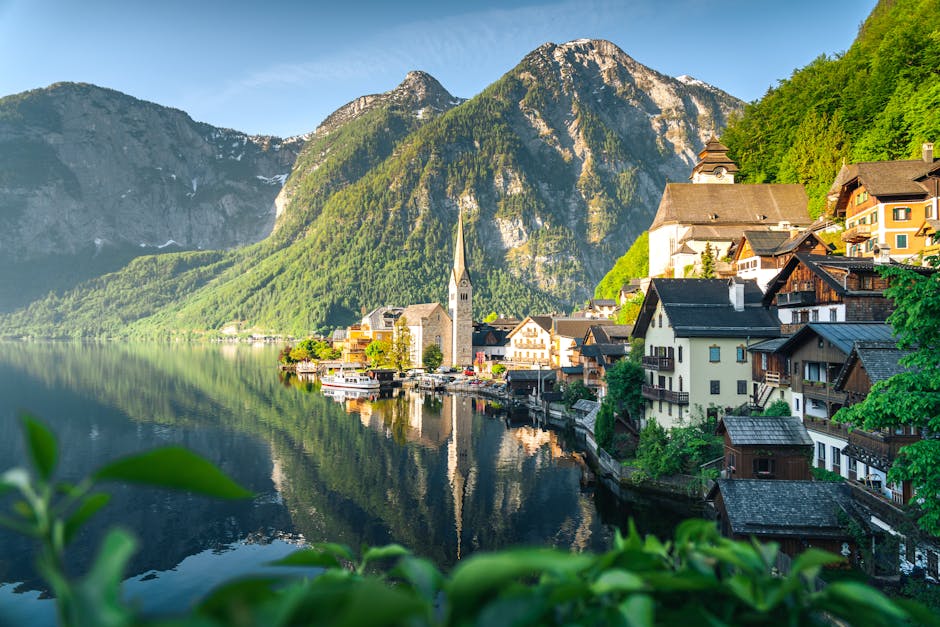
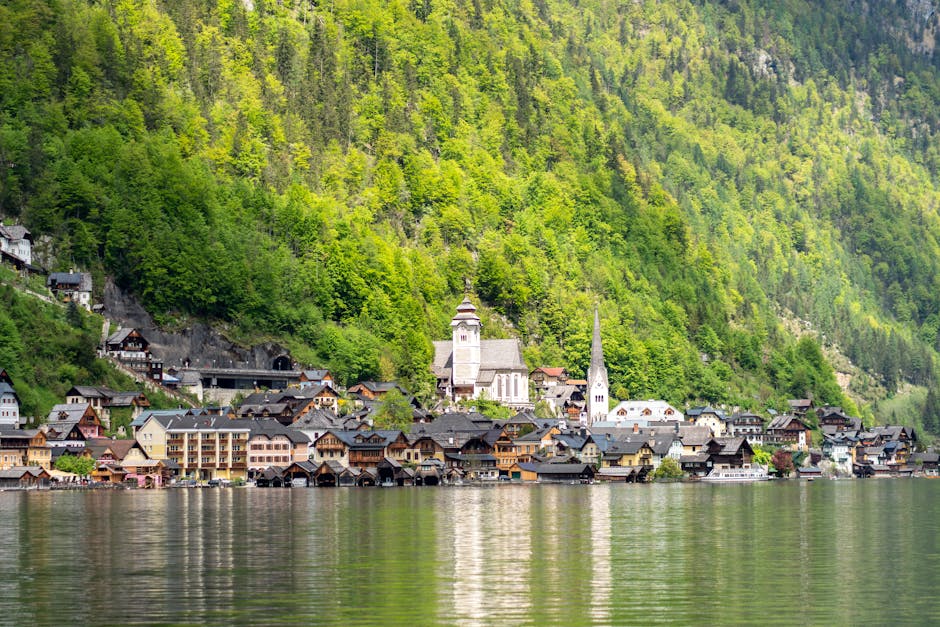
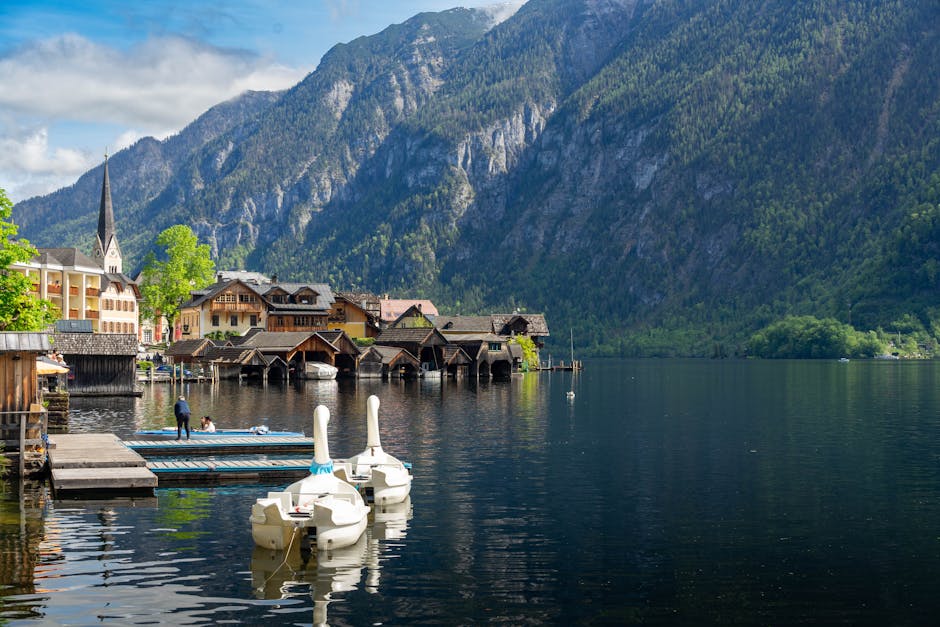
Hallstatt is one of Austria’s most photographed destinations. This UNESCO-listed village sits on the shores of Lake Hallstatt, surrounded by steep mountains and centuries-old houses. It’s small—population under 1,000—but rich in history and scenery.
Visit the salt mines, among the oldest in the world, to learn about Hallstatt’s prehistoric significance. Take a boat ride on the lake or hike the trails for elevated views. Note: The village can get crowded in summer—arrive early or visit in shoulder seasons.
Graz: Austria’s Underrated Gem
Graz, the capital of Styria, is often overlooked but well worth a visit. It blends Renaissance architecture with modern design, like the futuristic Kunsthaus Graz museum. The city has a youthful vibe thanks to its large student population.
Climb the Schlossberg hill for sunset views over red rooftops. Graz is also known for its food scene—try local specialties like pumpkin seed oil and Styrian fried chicken. It’s less touristy than Vienna or Salzburg, offering a more authentic Austrian experience.
Best Time to Visit Austria
The ideal time to visit depends on your interests. Summer (June to August) is peak season, with warm weather and long days. It’s perfect for hiking, festivals, and outdoor dining. However, popular spots like Hallstatt and Salzburg can be crowded.
Spring (April to May) and fall (September to October) offer milder weather, fewer tourists, and beautiful foliage. These shoulder seasons are ideal for city breaks and cultural tours. Winter (December to March) is magical for Christmas markets and skiing, especially in Tyrol and Salzburg regions.
Avoid major holidays like Easter and Christmas if you prefer quieter travel. Also, note that many museums and attractions close on Mondays—plan accordingly.
Getting Around Austria
Austria has one of Europe’s most efficient public transportation systems. Trains, operated mainly by ÖBB, connect major cities and towns quickly and comfortably. The Railjet service links Vienna, Salzburg, and Innsbruck in under three hours.
For flexibility, consider renting a car—especially if visiting rural areas or the Alps. However, driving in cities like Vienna can be challenging due to limited parking and congestion zones. Always validate train tickets before boarding to avoid fines.
Regional buses and cable cars are essential for reaching mountain villages and ski resorts. Apps like ÖBB Scotty and Google Maps provide real-time schedules and route planning.
Where to Stay in Austria
Luxury Options
Vienna offers top-tier hotels like Hotel Sacher, famous for its original Sacher-Torte. In Salzburg, the Hotel Goldener Hirsch combines historic charm with modern luxury. For alpine elegance, try the Alpina Gstaad—though technically in Switzerland, it’s a short drive from Austrian borders.
Mid-Range and Boutique
Boutique hotels like Das Tyrol in Innsbruck or Hotel am Stephansplatz in Vienna provide comfort and local character without the high price tag. Many include breakfast and are centrally located.
Budget-Friendly Choices
Hostels like Wombat’s City Hostel in Vienna or Die Zirkelwirt in Salzburg offer clean, social accommodations. Family-run guesthouses (Pensionen) are common in smaller towns and provide a personal touch at reasonable rates.
Book accommodations early during peak season or major events like the Vienna Opera Ball or Salzburg Festival.
What to Eat and Drink in Austria
Austrian cuisine is hearty and flavorful, rooted in Central European traditions. Start with a classic Wiener Schnitzel—veal or pork pounded thin, breaded, and fried. It’s often served with potato salad or lingonberry jam.
Try Tafelspitz, boiled beef with root vegetables, a favorite of Emperor Franz Joseph. For dessert, indulge in Apfelstrudel (apple strudel) or Kaiserschmarrn, a shredded pancake with fruit compote.
Austria is also known for its coffee culture. Order a Melange (similar to a cappuccino) or Einspänner (black coffee with whipped cream) at a traditional café. Wine lovers should sample Grüner Veltliner or Zweigelt from the Wachau Valley.
Beer is popular too—local brands like Stiegl and Gösser are widely available. Tap water is safe to drink everywhere.
Travel Tips for Austria
Language and Communication
German is the official language, but English is widely spoken in tourist areas. Learning a few basic phrases like “Guten Tag” (hello) and “Danke” (thank you) is appreciated. Austrians value politeness—greet shopkeepers when entering stores.
Money and Payments
Austria uses the euro (€). Credit cards are accepted in most hotels, restaurants, and larger shops, but carry cash for small purchases, markets, and rural areas. ATMs are widely available.
Tipping is customary—round up the bill or leave 5–10% in restaurants. For taxi rides, round to the nearest euro.
Safety and Etiquette
Austria is one of Europe’s safest countries, with low crime rates. Still, watch for pickpockets in crowded areas like Vienna’s Stephansplatz or Salzburg’s main square. Keep valuables secure and avoid unlit streets at night.
Austrians value punctuality—arrive on time for tours, dinners, and appointments. Dress neatly when visiting churches or upscale venues. Smoking is banned in indoor public spaces.
Packing Essentials
Pack layers, especially if traveling between cities and mountains. Even in summer, alpine areas can be cool. Comfortable walking shoes are a must for cobblestone streets and hiking trails.
Bring a reusable water bottle—Austria has excellent tap water and public fountains. A universal power adapter is helpful, as outlets use the European standard (Type F).
Sustainable Travel in Austria
Austria leads in environmental responsibility. Many hotels and tours follow eco-friendly practices. Support local businesses by eating at family-run restaurants and buying regional products like alpine cheese or handmade crafts.
Use public transport or rent e-bikes to reduce your carbon footprint. In cities like Vienna, bike-sharing programs are convenient and affordable. Respect nature by staying on marked trails and disposing of waste properly.
Avoid single-use plastics—many cafes offer discounts for bringing your own cup. Choose certified sustainable tour operators when booking excursions.
Sample Itineraries
5-Day Classic Austria Tour
Day 1–2: Explore Vienna—visit Schönbrunn Palace, St. Stephen’s Cathedral, and the MuseumsQuartier. Enjoy a classical concert in the evening.
Day 3: Take a train to Salzburg. Tour the old town, Hohensalzburg Fortress, and Mirabell Palace.
Day 4: Day trip to Hallstatt. Return to Salzburg for the night.
Day 5: Travel to Innsbruck. Visit the Golden Roof and take a cable car ride. Depart from Innsbruck or return to Vienna.
7-Day Alpine Adventure
Day 1–2: Arrive in Innsbruck. Explore the city and take a day trip to the Stubai Glacier.
Day 3–4: Drive or take a train to Zell am See. Hike in the Hohe Tauern National Park or relax by the lake.
Day 5: Visit Kitzbühel, a charming ski town with hiking trails and mountain views.
Day 6: Travel to Salzburg. Spend the day sightseeing and attending a performance.
Day 7: Return via train to Vienna for departure.
Final Thoughts
Austria is a destination that rewards careful planning and spontaneous exploration. Whether you’re drawn to its imperial history, alpine landscapes, or musical heritage, this Austria travel guide equips you with the knowledge to travel smart and enjoy every moment. With reliable transport, welcoming locals, and unforgettable scenery, Austria delivers an experience that’s both enriching and refreshing.
FAQ
What is the best way to get from Vienna to Salzburg?
The fastest and most convenient option is the ÖBB Railjet train, which takes about 2 hours and 20 minutes. Trains run frequently throughout the day.
Do I need a visa to visit Austria?
Travelers from the EU, US, Canada, Australia, and many other countries do not need a visa for stays up to 90 days. Check Austria’s official immigration site for the latest requirements.
Is Austria expensive for tourists?
Austria is moderately priced compared to other Western European countries. Budget travelers can manage on €60–80 per day, while mid-range travelers should budget €100–150. Dining out and attractions add up, so plan accordingly.