Adventure Travel Guide with Must-Try Outdoor Activities
Looking for an adventure travel guide that delivers real excitement and practical tips? You’re in the right place. Whether you’re scaling mountain peaks, paddling through whitewater rapids, or trekking remote trails, this guide covers the best outdoor activities to try on your next adventure. From beginner-friendly hikes to expert-level expeditions, we’ve curated a list of must-try experiences that combine thrill, natural beauty, and personal challenge.
Adventure travel isn’t just about adrenaline—it’s about connecting with nature, pushing your limits, and creating lasting memories. This guide helps you choose the right activities based on your skill level, location, and interests. With detailed overviews, safety tips, and destination examples, you’ll be prepared to plan your next great escape.
Why Choose Adventure Travel?
Adventure travel offers more than just scenic views—it builds confidence, improves fitness, and fosters resilience. Unlike traditional vacations, these trips immerse you in the environment, encouraging mindfulness and presence.
Many travelers find that outdoor adventures provide a deeper sense of accomplishment. Whether you’re summiting a peak or navigating a forest trail, the journey itself becomes the reward. Plus, these experiences often lead to meaningful connections with fellow travelers and local communities.
Benefits Beyond the Thrill
Studies show that spending time in nature reduces stress and improves mental clarity. Adventure travel amplifies these benefits by combining physical exertion with exploration.
It also encourages sustainable tourism. Many adventure destinations rely on eco-conscious practices to preserve their natural beauty. By choosing responsible operators, you support conservation and local economies.
Top Outdoor Activities for Adventure Seekers
Not all adventures require extreme risk. Some of the most rewarding experiences come from well-planned, moderate activities. Below are some of the best outdoor pursuits to consider on your next trip.
Hiking and Trekking
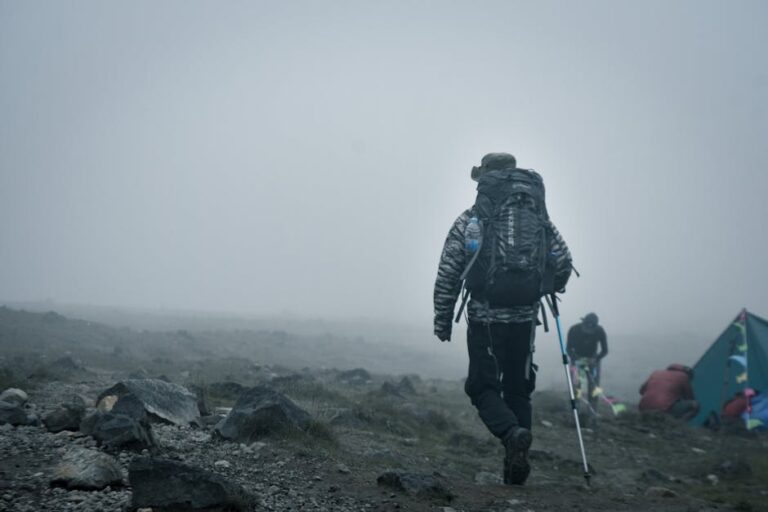
Hiking is one of the most accessible adventure activities. From short day hikes to multi-day treks, it offers flexibility for all fitness levels.
Popular destinations include the Inca Trail in Peru, the Tour du Mont Blanc in Europe, and the Appalachian Trail in the U.S. Always check trail conditions and pack essentials like water, a map, and a first-aid kit.
Rock Climbing
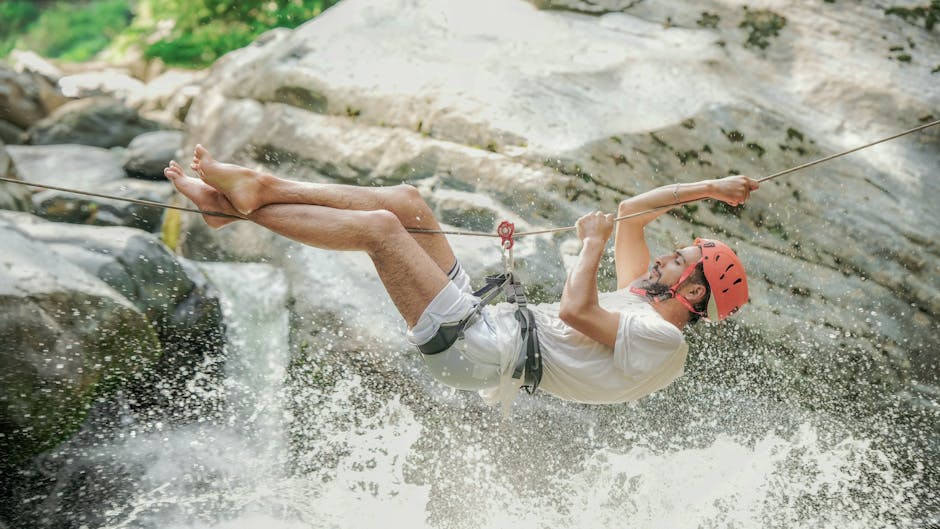
Rock climbing challenges both body and mind. Indoor gyms offer a safe introduction, but outdoor climbing provides unmatched scenery and authenticity.
Yosemite National Park, Joshua Tree, and Kalymnos in Greece are world-renowned for their climbing routes. Beginners should start with guided sessions to learn proper techniques and safety protocols.
Whitewater Rafting
Whitewater rafting delivers fast-paced fun on rivers ranging from gentle Class II rapids to intense Class V runs.
The Colorado River through the Grand Canyon and the Futaleufú in Chile are top picks. Always go with certified guides and wear a life jacket—even strong swimmers can be caught off guard.
Scuba Diving and Snorkeling
Exploring underwater worlds reveals vibrant coral reefs, marine life, and sunken wrecks. The Great Barrier Reef, Raja Ampat in Indonesia, and the cenotes of Mexico offer unforgettable experiences.
Certification courses are available for beginners. Even snorkelers can enjoy shallow reefs with minimal training, but always dive with a buddy and respect marine ecosystems.
Safari and Wildlife Expeditions
For a different kind of adventure, wildlife safaris offer close encounters with animals in their natural habitats. Kenya’s Maasai Mara and Botswana’s Okavango Delta are prime locations.
These trips often include guided game drives, walking safaris, and cultural visits. Choose operators that prioritize animal welfare and community involvement.
Skiing and Snowboarding
Winter adventures don’t have to be limited to resorts. Backcountry skiing and snowboarding offer solitude and untouched powder.
Resorts like Chamonix in France and Jackson Hole in Wyoming cater to all levels. Avalanche safety training is essential for off-piste travel—never venture out without proper gear and knowledge.
Cycling and Mountain Biking
Cycling combines fitness, exploration, and sustainability. Road cycling routes like the Pacific Coast Highway and mountain biking trails in Moab, Utah, attract enthusiasts worldwide.
E-bikes have made long-distance cycling more accessible. Always wear a helmet, follow traffic rules, and carry repair tools.
Paragliding and Skydiving
For those seeking aerial thrills, paragliding and skydiving offer breathtaking views and a rush of adrenaline.
Interlaken in Switzerland and Queenstown in New Zealand are famous for tandem flights. Tandem jumps with certified instructors are safe for first-timers, but always verify operator credentials.
How to Choose the Right Adventure Activity
With so many options, selecting the right activity can feel overwhelming. Start by assessing your fitness level, experience, and comfort with risk.
Consider the climate and season of your destination. Some activities, like glacier hiking, are only safe during specific months. Others, such as snorkeling, depend on water visibility and marine conditions.
Match Activity to Skill Level
Beginners should start with guided tours and introductory courses. These provide instruction, equipment, and safety oversight.
Intermediate adventurers can tackle more challenging routes or multi-day trips. Advanced travelers may seek remote expeditions or technical climbs.
Never underestimate the importance of preparation. Research your activity, train in advance, and pack appropriately.
Factor in Group Dynamics
Traveling with others? Choose activities that suit the group’s weakest link. A mixed-skill group may prefer a moderate hike over a technical climb.
Communication is key. Discuss expectations, fears, and goals before departure. Shared experiences are more enjoyable when everyone feels safe and included.
Essential Gear and Preparation Tips
Proper gear makes the difference between a great trip and a dangerous one. While some items are activity-specific, others are universal.
Always carry a first-aid kit, navigation tools (map and compass or GPS), and emergency communication devices. Weather-appropriate clothing is essential—layers work best in variable conditions.
Packing Smart
Use a checklist tailored to your activity and destination. For multi-day trips, prioritize lightweight, durable gear.
Test equipment before departure. A broken tent or faulty harness can ruin an expedition. Rent or borrow gear if you’re trying something new.
Physical and Mental Preparation
Build endurance with regular exercise. Cardio, strength training, and flexibility work improve performance and reduce injury risk.
Mental readiness is just as important. Practice mindfulness or visualization techniques to stay calm under pressure. Know your limits and don’t feel pressured to take unnecessary risks.
Safety First: Risks and How to Manage Them
Adventure travel involves inherent risks. Weather changes, wildlife encounters, and equipment failure can all pose threats.
Mitigate risks by choosing reputable guides, checking weather forecasts, and understanding local hazards. Always inform someone of your itinerary and expected return time.
Common Hazards by Activity
Hiking: Hypothermia, dehydration, and getting lost are common. Carry extra water, dress in layers, and stay on marked trails.
Climbing: Falls and rockfall are serious concerns. Use certified gear, double-check knots, and climb within your ability.
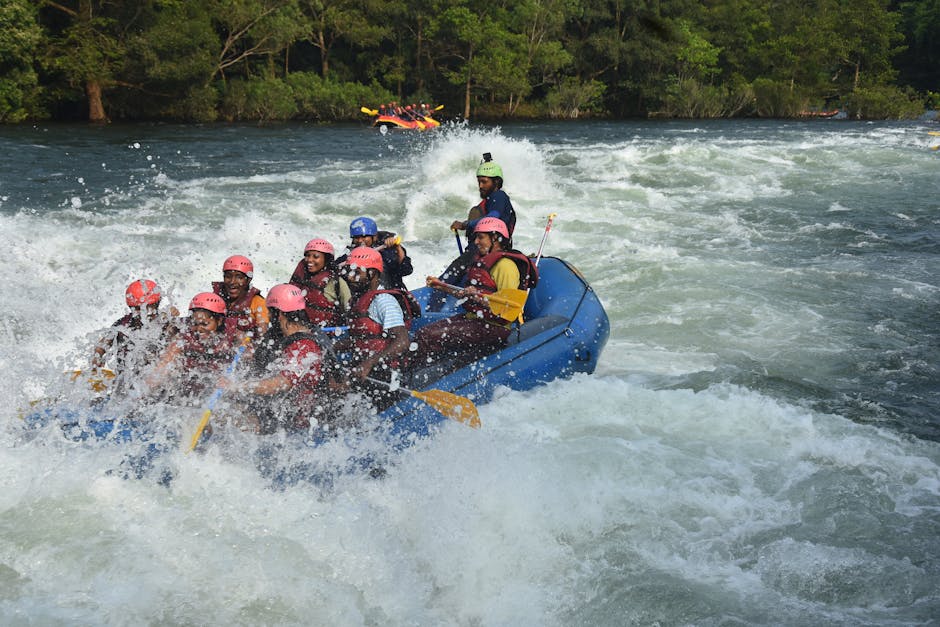
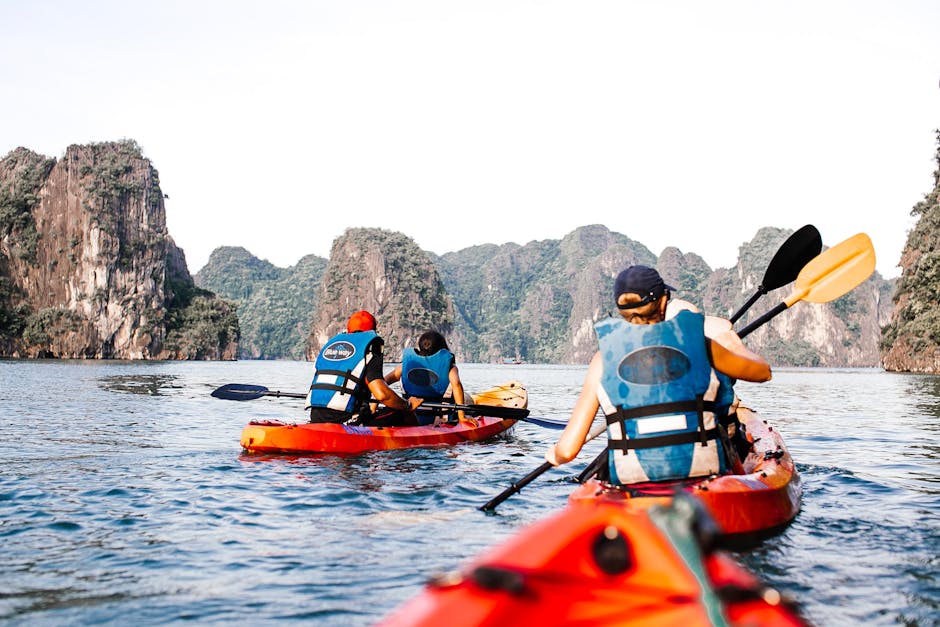
Water Sports: Strong currents and boat accidents can occur. Wear life jackets, avoid alcohol, and stay aware of tides and weather.
Wildlife: Keep a safe distance from animals. Store food securely and follow park guidelines to avoid dangerous encounters.
Emergency Preparedness
Learn basic first aid and CPR. Many outdoor organizations offer wilderness-specific courses.
Carry a whistle, flashlight, and emergency blanket. In remote areas, a satellite messenger can be a lifesaver.
Best Destinations for Adventure Travel
Some places are legendary for their adventure offerings. These destinations combine natural beauty, infrastructure, and diverse activities.
New Zealand
Known as the adventure capital of the world, New Zealand offers bungee jumping, skydiving, hiking, and jet boating. Queenstown is the epicenter, but the entire country rewards explorers.
The South Island’s mountains and fjords provide stunning backdrops. The North Island features geothermal areas and lush forests.
Costa Rica
This Central American gem is perfect for eco-adventures. Zip-lining through rainforests, surfing on the Pacific coast, and volcano hiking are all popular.
National parks like Manuel Antonio and Corcovado protect biodiversity. Sustainable tourism is a national priority.
Nepal
Home to eight of the world’s highest peaks, Nepal is a trekker’s paradise. The Everest Base Camp and Annapurna Circuit attract thousands each year.
Permits and guides are required for most treks. Acclimatization is critical to avoid altitude sickness.
Patagonia (Chile and Argentina)
Remote and rugged, Patagonia offers glacier treks, horseback riding, and kayaking among dramatic landscapes.
Torres del Paine and Los Glaciares National Parks are must-visits. Weather can change rapidly—prepare for wind and cold.
Iceland
Iceland combines fire and ice. Hike glaciers, explore lava caves, and soak in geothermal hot springs.
The Ring Road circles the island, connecting major sites. Winter offers Northern Lights viewing, while summer provides midnight sun.
Planning Your Adventure Trip: Step-by-Step
A successful adventure trip starts with careful planning. Follow these steps to ensure a smooth and enjoyable experience.
1. Define Your Goals
Ask yourself: What do I want to achieve? Is it fitness, relaxation, cultural immersion, or pure adrenaline?
Your answer will guide your destination and activity choices. A solo traveler might seek solitude, while a family may prioritize safety and ease.
2. Research Destinations and Activities
Read travel blogs, watch documentaries, and consult guidebooks. Look for recent reviews and safety records.
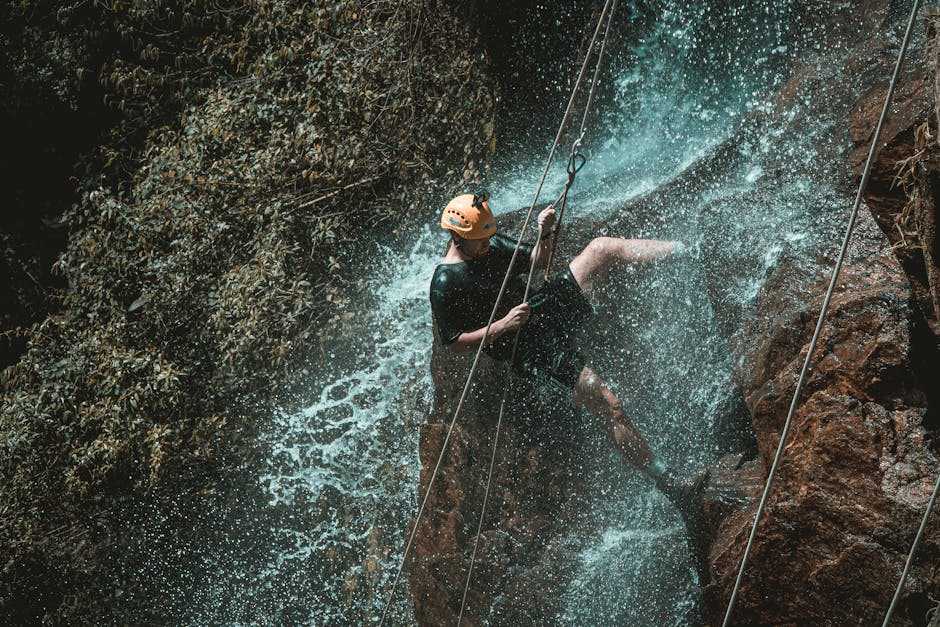
Check visa requirements, travel advisories, and health precautions. Some countries require vaccinations or special permits.
3. Set a Realistic Budget
Adventure travel can be affordable or luxurious. Factor in flights, gear, guides, food, and insurance.
Compare costs across destinations. Southeast Asia and Central America often offer better value than Europe or North America.
4. Book in Advance
Popular tours and permits sell out quickly. Reserve guides, accommodations, and transportation early.
Flexibility can save money, but peak seasons require advance planning. Always confirm bookings before departure.
5. Prepare Physically and Mentally
Start training weeks or months ahead. Build stamina with hikes, swims, or climbs similar to your planned activity.
Practice using your gear. Familiarity reduces stress and increases safety during the trip.
Sustainable Adventure Travel Practices
Adventure travel often takes place in fragile ecosystems. Responsible behavior protects these environments for future generations.
Follow the Leave No Trace principles: pack out all trash, stay on trails, and avoid disturbing wildlife.
Support Local Communities
Choose locally owned guides and accommodations. Your spending directly benefits residents and encourages conservation.
Learn a few phrases in the local language. Respect cultural norms, especially in indigenous areas.
Minimize Environmental Impact
Use reusable water bottles and avoid single-use plastics. Solar chargers reduce reliance on disposable batteries.
Offset your carbon footprint by supporting reforestation projects or choosing eco-certified tour operators.
Final Tips for a Successful Adventure
Even the best-planned trips can encounter surprises. Stay flexible and keep a positive attitude.
Document your journey with photos and journal entries. These memories last longer than any souvenir.
Share your experiences responsibly. Avoid geotagging sensitive locations that could attract overcrowding or damage.
FAQ
What is the best time of year for adventure travel?
It depends on the destination and activity. For example, trekking in Nepal is best in spring (March–May) and fall (September–November), while Patagonia is ideal in summer (December–February). Always check seasonal conditions before booking.
Do I need travel insurance for adventure activities?
Yes. Standard policies often exclude high-risk activities. Purchase adventure-specific insurance that covers medical evacuation, gear loss, and trip cancellations.
Can beginners participate in adventure travel?
Absolutely. Many activities offer beginner-friendly options with trained guides. Start with introductory courses and gradually build your skills and confidence.
Related keywords: Adventure Travel Guide with Must Try Outdoor Activities.