Philippines Travel Guide: Best Islands and Travel Tips
The Philippines is a tropical paradise made up of over 7,600 islands, offering world-class beaches, vibrant marine life, and rich cultural experiences. Whether you’re seeking adventure, relaxation, or cultural immersion, this Southeast Asian archipelago delivers. This guide highlights the best islands to visit and shares essential travel tips to help you plan a smooth and memorable trip. From Palawan’s limestone cliffs to Boracay’s powdery shores, you’ll discover where to go and what to expect.
Why Visit the Philippines?
The Philippines stands out for its stunning natural beauty, warm hospitality, and affordability. With crystal-clear waters, lush jungles, and a laid-back island vibe, it’s a top destination for travelers from around the globe. The country’s diverse geography means you can go from snorkeling with whale sharks in Oslob to hiking volcanic peaks in Luzon within days.
English is widely spoken, making navigation easier for international visitors. Local cuisine blends Spanish, Chinese, and Malay influences, offering bold flavors at budget-friendly prices. Public transport is accessible, though planning ahead is key—especially when island-hopping.
Top Islands to Visit in the Philippines
With thousands of islands, choosing where to go can be overwhelming. These standout destinations offer a mix of scenery, activities, and local culture.
Palawan: The Last Frontier
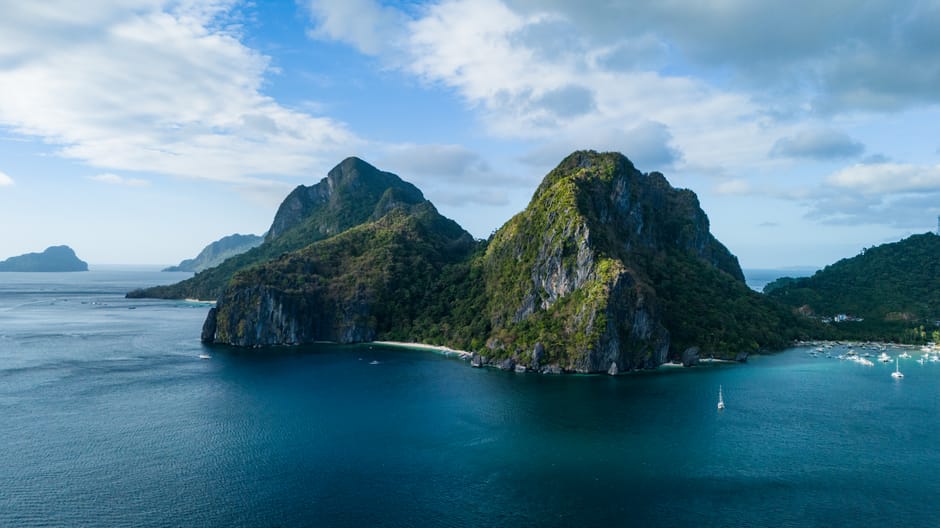
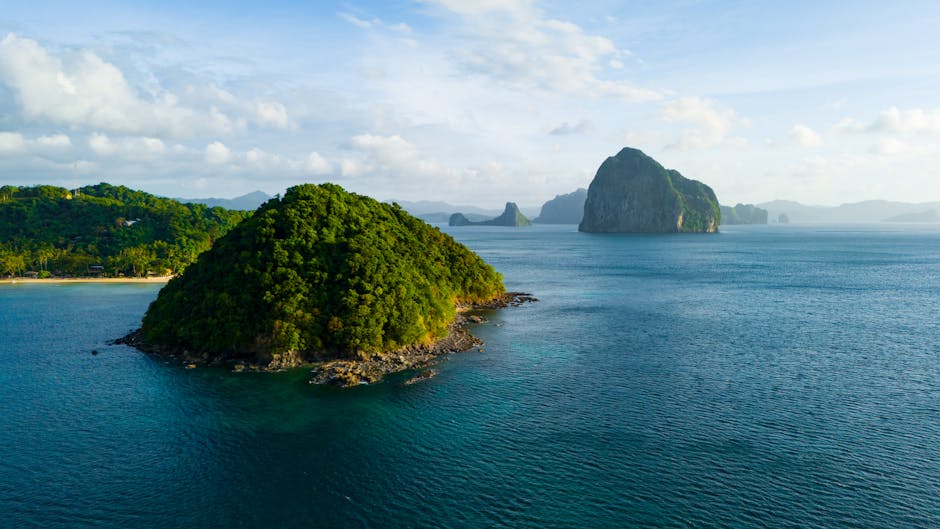
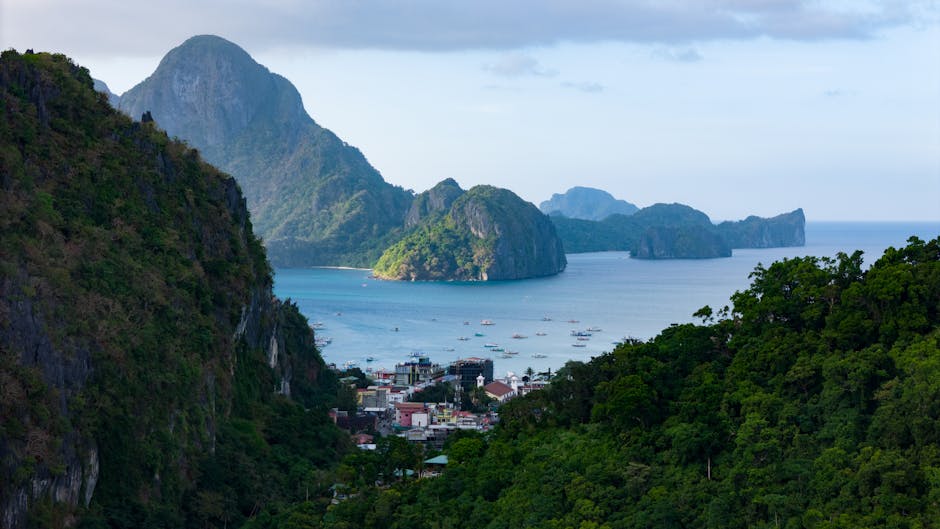
Palawan consistently ranks among the world’s best islands, and for good reason. El Nido and Coron are the most popular spots, known for dramatic karst landscapes, hidden lagoons, and excellent diving. Take a boat tour through Bacuit Bay to see towering limestone cliffs and secluded beaches.
Coron is famous for its WWII shipwrecks, ideal for advanced divers. Meanwhile, El Nido offers easier access and a wider range of accommodations. Both areas have eco-resorts and budget hostels, so there’s something for every traveler.
Boracay: White Beach and Nightlife
Boracay is the go-to island for white sand beaches and lively nightlife. White Beach stretches for four kilometers and is lined with restaurants, bars, and resorts. The island underwent a major cleanup in 2018, restoring its reputation as a clean and safe destination.
Water sports like kiteboarding and paddleboarding are popular here. For a quieter experience, visit Puka Shell Beach on the northern tip. Boracay is best reached via Caticlan Jetty Port, with regular flights from Manila.
Siargao: Surfing Capital of the Philippines
Siargao has become a global surf destination, thanks to its consistent waves and chill island vibe. Cloud 9 is the most famous surf break, attracting pros and beginners alike. Even if you don’t surf, the island offers jungle trails, lagoons, and mangrove forests to explore.
The laid-back town of General Luna has cafes, yoga studios, and beachfront bars. Rent a scooter to visit Sugba Lagoon or the Magpupungko tidal pools. Siargao is accessible via direct flights from Manila and Cebu.
Cebu: Adventure and Culture Combined
Cebu blends urban energy with natural wonders. The city of Cebu is a gateway to historical sites like Magellan’s Cross and Fort San Pedro. Just a short trip away, you’ll find waterfalls, canyons, and pristine coastlines.
Kawasan Falls is a must-visit for canyoneering and turquoise water cascades. Nearby Moalboal offers incredible snorkeling and the chance to swim with sardine runs. Cebu’s Mactan Island has luxury resorts, while the mainland offers more budget-friendly stays.
Bohol: Chocolate Hills and Tarsiers
Bohol is known for its unique landscapes and wildlife. The Chocolate Hills—over 1,200 cone-shaped mounds—turn brown in the dry season, creating a surreal view. The Philippine tarsier, one of the world’s smallest primates, is native to the island.
Panglao Island, just off Bohol’s coast, has beautiful beaches and dive sites. Alona Beach is the main hub, with resorts and restaurants. Bohol is accessible by ferry from Cebu, making it easy to combine with other destinations.
Dumaguete and Negros Oriental: Quiet Beaches and Waterfalls
For a more relaxed pace, head to Dumaguete and the surrounding Negros Oriental region. This area is less touristy but full of charm. Apo Island is a protected marine sanctuary where you can snorkel with sea turtles.
Dumaguete City has a university-town vibe, with cafes, bookshops, and a scenic boulevard. Nearby, Twin Lakes in Balinsasayao offer kayaking and mountain views. Flights from Manila land at Sibulan Airport, just minutes from the city center.
How to Get Around the Philippines
Traveling between islands requires planning, as there’s no single transport network. Domestic flights are the fastest option, with airlines like Cebu Pacific and Philippine Airlines offering frequent routes between major cities.
Ferries connect most islands, but schedules can change due to weather. Overnight ferries are common for longer routes, such as Manila to Cebu or Cagayan de Oro. Always check departure times in advance and arrive early.
Once on an island, tricycles (motorcycles with sidecars) and jeepneys are common for short distances. Renting a scooter gives you more freedom, but make sure you have an international driving permit and wear a helmet.
Best Time to Visit the Philippines
The Philippines has a tropical climate with two main seasons: dry and wet. The dry season runs from November to April, making it the best time to visit. December to February is peak tourist season, with cooler temperatures and minimal rain.
March and April are hot but still dry, ideal for beach trips. The wet season lasts from May to October, with frequent afternoon thunderstorms and the risk of typhoons. Travel during this time is cheaper, but some islands may close temporarily.
Typhoon season peaks between July and October. Check weather forecasts before booking trips during these months. Even in the dry season, sudden rain is possible, so pack a light rain jacket.
Essential Travel Tips for the Philippines
To make the most of your trip, keep these practical tips in mind. They’ll help you avoid common pitfalls and enjoy a smoother journey.
Pack Smart for Island Life
Light, breathable clothing is ideal for the tropical heat. Bring reef-safe sunscreen, a hat, and UV-protective clothing to avoid sunburn. A quick-dry towel and waterproof bag are useful for beach days and boat trips.
Don’t forget insect repellent—mosquitoes are common, especially in rural areas. A universal power adapter is essential, as outlets vary by region. Most hotels have Wi-Fi, but signal can be weak on remote islands.
Stay Safe and Respect Local Customs
The Philippines is generally safe for tourists, but petty theft can occur in crowded areas. Keep valuables secure and avoid displaying expensive items. Use registered taxis or ride-hailing apps like Grab in cities.
When visiting churches or rural villages, dress modestly. Remove shoes when entering homes or sacred sites. Filipinos are friendly and polite—greetings like “Good morning” (Magandang umaga) go a long way.
Try the Local Food
Filipino cuisine is hearty and flavorful. Must-try dishes include adobo (vinegar-based meat stew), sinigang (sour soup), and lechon (roast pig). Street food like fish balls and kwek-kwek (fried quail eggs) are cheap and delicious.
Fresh seafood is abundant—grilled squid and kinilaw (ceviche) are local favorites. Drink bottled water to avoid stomach issues. Many restaurants offer vegetarian options, but it’s best to confirm ingredients.
Book Accommodations in Advance
Popular islands like Palawan and Boracay fill up quickly, especially during holidays and peak season. Book hotels or resorts at least a month ahead. Look for places with good reviews and clear cancellation policies.
Eco-lodges and homestays offer authentic experiences and support local communities. In remote areas, accommodations may be basic—check amenities like air conditioning and hot water before booking.
Respect the Environment
The Philippines faces environmental challenges, including coral reef damage and plastic pollution. Avoid touching coral while snorkeling or diving. Use reef-safe sunscreen and never feed wildlife.
Carry a reusable water bottle and shopping bag. Many islands have limited waste management, so reducing plastic use helps protect natural beauty. Support eco-tourism operators that follow sustainable practices.
Budgeting for Your Trip
The Philippines is affordable for most travelers, but costs vary by destination. Budget around $30–$50 per day for hostels, local food, and public transport. Mid-range travelers can expect to spend $70–$120 daily, including private rooms and tours.
Luxury resorts on islands like Palawan or Boracay can cost $200 or more per night. Domestic flights range from $30 to $100 one-way, depending on the route and booking time. Ferries are cheaper, typically $10–$30 per trip.
Always carry cash—many small businesses don’t accept credit cards. ATMs are available in cities and tourist areas, but fees may apply. Notify your bank before traveling to avoid card issues.
Island-Hopping Itineraries
If you have limited time, consider a focused itinerary. Here are two popular routes that cover the best of the Philippines.
7-Day Classic Route: Manila, Palawan, and Cebu
- Day 1–2: Arrive in Manila. Explore Intramuros and sample street food.
- Day 3–5: Fly to El Nido, Palawan. Take island-hopping tours and relax on beaches.
- Day 6–7: Fly to Cebu. Visit Kawasan Falls and enjoy city sights before departure.
This route balances culture, nature, and convenience. Flights between cities take 1–2 hours, making it easy to cover multiple destinations.
10-Day Adventure Route: Cebu, Bohol, and Siargao
- Day 1–3: Cebu City and canyoneering in Kawasan.
- Day 4–5: Ferry to Bohol. See Chocolate Hills and tarsiers.
- Day 6–10: Fly to Siargao. Surf, explore lagoons, and unwind in General Luna.
This itinerary is ideal for active travelers who want variety. It includes adventure, wildlife, and beach time.
Final Thoughts
The Philippines offers an unforgettable mix of natural wonders, cultural richness, and warm hospitality. With careful planning, you can explore its best islands without breaking the bank. Whether you’re diving in Palawan, surfing in Siargao, or relaxing on Boracay, each island has its own charm.
Use this Philippines travel guide to choose your destinations and prepare for the trip. Pack light, stay flexible, and embrace the island rhythm. Your adventure awaits.
FAQ
What is the best island in the Philippines for first-time visitors?
Palawan is often recommended for first-timers due to its stunning scenery, easy access, and range of activities. El Nido and Coron offer a perfect introduction to the country’s natural beauty.
Do I need a visa to visit the Philippines?
Citizens of over 150 countries, including the US, UK, Canada, and Australia, can enter visa-free for up to 30 days. Check the latest requirements with the Philippine embassy before traveling.
Is it safe to drink tap water in the Philippines?
No, tap water is not safe to drink. Always use bottled or filtered water, especially in rural areas. Avoid ice in drinks unless you’re sure it’s made from purified water.