Best Dining Experiences in Famous Food Cities
Travelers and food lovers alike seek unforgettable meals in world-renowned culinary destinations. The best dining experiences in famous food cities go beyond taste—they blend atmosphere, culture, and technique into something memorable. Whether it’s a Michelin-starred tasting menu in Tokyo or a family-run trattoria in Naples, these meals define a city’s flavor. This guide highlights standout restaurants across iconic food capitals, offering practical insights to help you choose where to eat. From reservations to regional specialties, you’ll find actionable tips for savoring each destination like a local.
Tokyo: Precision and Tradition on a Plate
Tokyo holds more Michelin stars than any other city, a testament to its culinary excellence. Dining here is as much about craftsmanship as flavor. Sushi, ramen, and kaiseki are elevated to art forms.
Top Restaurants for an Authentic Experience
Sukiyabashi Jiro in Ginza offers an intimate 10-seat omakase experience. Chef Jiro Ono’s sushi is precise, minimalist, and deeply respectful of ingredients. Reservations are notoriously difficult—book through your hotel concierge months in advance.
For ramen, Ichiran in Shibuya provides a solo-dining booth setup. Their tonkotsu broth is rich and customizable. It’s fast, affordable, and consistently high quality.
Kaiseki at Kyo Aji in Kyoto-style dining (with Tokyo locations) features seasonal multi-course meals. Dishes reflect the time of year, from cherry blossom-infused appetizers to autumn mushroom stews.
What to Know Before You Go
Many high-end restaurants require formal attire. Slippers are often provided, but avoid wearing socks with holes. Tipping is not customary and can be considered rude. Silence during meals is valued—conversation is quiet and respectful.
Paris: Elegance Meets Rustic Charm
Parisian dining balances haute cuisine with bistro comfort. The city’s food scene thrives on tradition, but innovation is growing. From buttery croissants to duck confit, every bite tells a story.
Must-Visit Establishments
Le Comptoir du Relais in Saint-Germain is a compact bistro serving classic French fare. Their steak frites and onion soup are legendary. Arrive early—no reservations, and lines form by noon.
L’Ambroisie on Place des Vosges offers refined French cuisine in a historic setting. Expect dishes like lobster with black truffle and pigeon in red wine sauce. It’s a splurge, but ideal for special occasions.
For pastries, Du Pain et des Idées in Canal Saint-Martin bakes award-winning pain des amis and escargot pistache. The shop feels timeless, with wood-paneled walls and vintage scales.
Navigating the Paris Dining Scene
Lunch service typically runs from 12:00 to 2:30 PM; dinner from 7:30 to 10:00 PM. Many restaurants close on Sundays and Mondays. Always greet staff with “Bonjour” before ordering. A simple “L’addition, s’il vous plaît” gets the bill.
New York City: A Global Melting Pot on a Plate
New York’s food culture reflects its diversity. You can eat authentic Sichuan in Flushing, fresh ceviche in Williamsburg, or a dry-aged steak in Midtown. The city rewards exploration.
Standout Spots Across Boroughs
Peter Luger in Brooklyn is a steakhouse institution. Their porterhouse is dry-aged and seared over oak. Cash only—bring bills. Reservations are essential, especially on weekends.
Joe’s Shanghai in Chinatown serves soup dumplings that burst with savory broth. The xiaolongbao here is among the best in the U.S. Expect a wait, but it moves quickly.
In the East Village, Russ & Daughters Cafe offers modern takes on Jewish deli classics. Try the pastrami hash or bagel with whitefish salad. It’s casual but consistently excellent.
Tips for Dining in NYC
Peak hours mean long waits. Use apps like Resy or OpenTable to book ahead. Tipping is expected—18–20% is standard. Street food is safe and delicious; try a halal cart gyro or a dollar slice from Joe’s Pizza.
Bangkok: Street Food and Sophistication
Bangkok’s food scene is vibrant, affordable, and deeply flavorful. From spicy tom yum to sweet mango sticky rice, the city delivers bold tastes at every price point.
Where to Eat—From Alleyways to Rooftops
Thip Samai in Phra Nakhon is famed for its pad Thai. Cooked in woks over open flames, the dish is smoky and balanced. Go early—they often sell out by 9 PM.
For fine dining, Paste Bangkok blends Thai ingredients with modern techniques. Their crab curry and green papaya salad are standout dishes. The restaurant holds two Michelin stars.
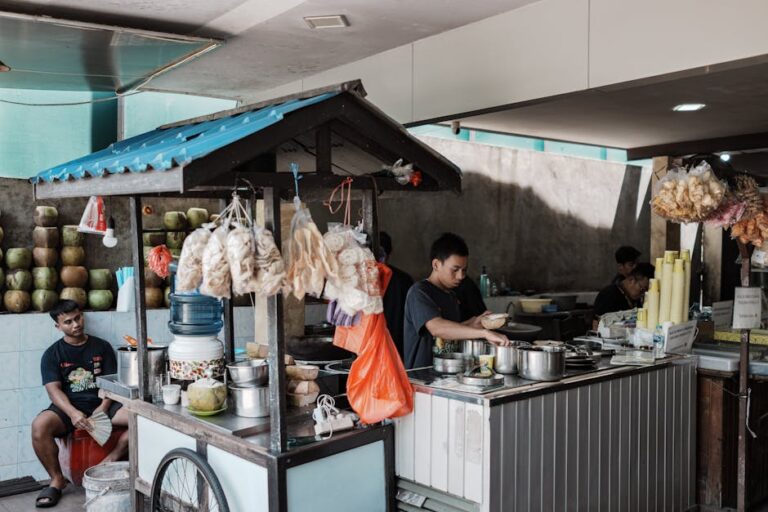
Street stalls along Soi 38 offer a full meal under $5. Try som tam (papaya salad), grilled satay, and coconut ice cream. Hygiene is generally good, but choose busy stalls with high turnover.
Eating Safely in Bangkok
Drink only bottled water. Avoid ice in questionable locations. Wash hands frequently. If a dish looks undercooked or has been sitting out, skip it. Most locals eat street food daily—follow their lead.
Mexico City: A Celebration of Corn and Chiles
Mexico City is a rising star in global gastronomy. Its cuisine honors indigenous roots while embracing innovation. Tacos, moles, and mezcal are central to the experience.
Essential Restaurants and Markets
Pujol in Polanco is consistently ranked among the world’s best. Chef Enrique Olvera’s tasting menu reinterprets Mexican staples—think black mole with duck and corn tamales. Book six months ahead.
Mercado de San Juan is a food lover’s paradise. Sample exotic meats, fresh seafood, and artisanal cheeses. Try the huitlacoche quesadilla—a corn fungus delicacy with earthy flavor.
For tacos, El Vilsito in Roma serves exceptional al pastor from a vertical spit. The meat is marinated in achiote and pineapple, then crisped on the griddle. Open late—perfect for post-bar snacks.
Cultural Notes for Visitors
Dinner starts late, often after 8 PM. Many restaurants don’t open for lunch on Sundays. Mezcal is best enjoyed neat, with a side of orange slices and sal de gusano (worm salt). It’s a ritual, not a gimmick.
Istanbul: Where Europe Meets Asia on a Plate
Istanbul’s cuisine reflects its cross-continental history. Ottoman influences meet Mediterranean freshness, creating dishes rich in spice and texture.
Top Dining Destinations
Neolokal in Beyoğlu offers modern Turkish cuisine with Bosphorus views. Their lamb with yogurt and mint, and stuffed eggplant, are crowd favorites. The cocktail menu features local spirits like rakı.
For traditional fare, Pandeli in the Spice Bazaar has served since 1901. Try the lamb stew or stuffed squash blossoms. The space is historic, with copper pots and vintage menus.
Street food is equally compelling. Grab a dürüm (wrap) from a kebab stand in Taksim or simit (sesame bread ring) from a vendor. Both are cheap, filling, and authentic.
Navigating Turkish Dining Customs
Meals are social. Sharing dishes is common. Tea is served throughout the day—accept it as a sign of hospitality. Avoid eating during Ramadan daylight hours out of respect.
How to Choose the Right Restaurant
With so many options, selecting where to eat can be overwhelming. Focus on your priorities: cuisine type, budget, and atmosphere.
Step-by-Step Decision Guide
First, identify your must-try dishes. Are you craving fresh pasta, grilled seafood, or plant-based options? Narrow cities by culinary strengths.
Next, set a budget. Fine dining in Paris or Tokyo can cost $200+ per person. Street food in Bangkok or Mexico City may cost under $10.
Check reviews on trusted platforms like Google Maps or The Infatuation. Look for consistency in feedback—especially about service and cleanliness.
Finally, book in advance when possible. Popular spots fill quickly, especially in peak seasons.
Red Flags to Avoid
Be cautious of restaurants with overly aggressive touts outside. These often prioritize commissions over quality. Similarly, avoid places with menus in ten languages—locals rarely eat there.
If a dish seems overpriced compared to nearby options, ask locals or your hotel staff. Price gouging targeting tourists is common in busy areas.
Making the Most of Your Meal
A great dining experience isn’t just about food—it’s about connection. Engage with the culture, respect local customs, and stay open-minded.
Simple Ways to Enhance Your Visit
Learn a few food-related phrases in the local language. “Delicious” in Italian (delizioso) or “Thank you” in Thai (khob khun) goes a long way.
Arrive on time. In many cultures, punctuality shows respect. Late arrivals may lose reservations or receive colder food.
Try something unfamiliar. Order a regional specialty you’ve never heard of. You might discover a new favorite.
What to Do If Something Goes Wrong
If food is undercooked or service is poor, stay calm. Politely inform the staff. Most restaurants want to fix issues. Avoid public complaints—private feedback is more effective.
In cases of foodborne illness, seek medical help and report the restaurant to local health authorities. Keep receipts and photos if possible.
Final Thoughts
The best dining experiences in famous food cities blend flavor, culture, and memory. Whether you’re slurping ramen in a Tokyo alley or sharing mezze on a Istanbul rooftop, these meals become part of your travel story. Prioritize authenticity over trends. Eat where locals eat. Ask questions. Savor slowly. With the right approach, every meal can be extraordinary.
FAQ
How far in advance should I book restaurants in top food cities?
For Michelin-starred or highly rated restaurants, book 1–6 months ahead. In cities like Tokyo and Paris, concierge services can help secure reservations.
Is street food safe to eat in famous food cities?
Yes, in most cases. Choose busy stalls with high turnover, avoid raw vegetables, and drink bottled water. Street food is a cornerstone of culinary culture in places like Bangkok and Mexico City.
What’s the best way to find authentic local restaurants?
Ask hotel staff, use apps like Google Maps (filter by local reviews), and explore neighborhoods away from tourist centers. Authentic spots often have minimal English signage.