Adventure Travel Guide with Expert Tips for First Timers
Adventure travel opens the door to unforgettable experiences—trekking through remote jungles, scaling mountain peaks, or diving into crystal-clear waters far from tourist crowds. For first-time adventurers, the thrill is real, but so are the risks. This guide delivers practical advice to help you plan, prepare, and stay safe while maximizing your enjoyment. From choosing your first destination to packing smart and respecting local environments, these expert-backed tips ensure your journey is both exciting and responsible.
What Is Adventure Travel?
Adventure travel goes beyond typical sightseeing. It involves physically active, culturally immersive, or nature-based experiences that often take place in remote or challenging environments. Think multi-day hikes in Patagonia, kayaking through Norwegian fjords, or volunteering on conservation projects in Costa Rica.
Unlike conventional vacations, adventure travel emphasizes personal challenge and connection with the natural world. It’s not about luxury—it’s about discovery, resilience, and stepping outside your comfort zone.
Why Choose Adventure Travel as a Beginner?
Many newcomers are drawn to adventure travel for its transformative potential. It builds confidence, fosters independence, and creates lasting memories. Unlike passive tourism, it encourages active engagement with local cultures and landscapes.
Adventure travel also promotes sustainability when done responsibly. Many operators prioritize eco-friendly practices, supporting conservation and community development. For first timers, it’s a chance to travel with purpose.
How to Choose Your First Adventure Destination
Start by assessing your fitness level, budget, and comfort with uncertainty. If you’re new to physical travel, avoid high-altitude treks or extreme climates. Instead, consider beginner-friendly options like coastal hikes, cultural cycling tours, or guided wildlife safaris.
Popular entry-level destinations include:
- New Zealand: Well-marked trails, reliable infrastructure, and diverse landscapes—from glaciers to beaches.
- Costa Rica: Rich biodiversity, eco-lodges, and guided rainforest tours ideal for nature lovers.
- Nepal (lower elevations): The Annapurna Circuit offers moderate trekking with stunning Himalayan views.
Always research seasonal conditions. Monsoons in Southeast Asia or snow in the Alps can drastically affect safety and accessibility. Choose a time of year that matches your experience level.
Essential Planning Steps Before You Go
Set a Realistic Budget
Adventure travel can be affordable or expensive, depending on your choices. Flights, gear, permits, and guides add up quickly. Budget at least $100–$200 per day for mid-range trips in popular regions.
Look for all-inclusive adventure tour packages if you prefer simplicity. Companies like Intrepid Travel or G Adventures offer structured itineraries with local guides, reducing planning stress.
Get the Right Gear
You don’t need top-tier equipment as a beginner, but quality matters. Invest in durable hiking boots, a weather-appropriate sleeping bag, and a reliable backpack (40–60 liters for multi-day trips).
Rent or borrow specialized gear like climbing harnesses or snorkeling equipment. Many outfitters provide these on-site. Always test your gear before departure to avoid surprises.
Check Visa and Health Requirements
Some adventure destinations require visas or vaccinations. Nepal, for example, offers visa-on-arrival for many nationalities, but yellow fever vaccination is mandatory if arriving from infected regions.
Visit a travel clinic 4–6 weeks before departure. Common recommendations include typhoid, hepatitis A, and altitude sickness medication for high-elevation treks.
Safety Tips Every First-Time Adventurer Should Know

Travel with a Reputable Guide or Group
For your first adventure, avoid going solo. Certified guides know the terrain, weather patterns, and emergency protocols. They also help navigate language barriers and cultural norms.
Group tours offer added safety and camaraderie. Look for operators with strong safety records and local partnerships. Read reviews on platforms like TripAdvisor or specialized forums like The Adventure Travel Trade Association.
Share Your Itinerary
Always leave a detailed plan with someone at home. Include your route, accommodation details, and expected return date. Check in regularly if possible.
Carry a satellite communicator like a Garmin inReach if traveling to remote areas with no cell service. These devices allow emergency SOS signals and two-way messaging.
Know Your Limits
Pushing too hard can lead to injury or exhaustion. Listen to your body. If a trail feels too steep or weather turns suddenly, turn back. No summit or photo is worth risking your safety.
Altitude sickness, dehydration, and heat exhaustion are common in adventure settings. Learn the symptoms: headache, nausea, dizziness, or confusion. Descend immediately if symptoms worsen.
Packing Smart for Adventure Travel
Efficiency is key. Overpacking slows you down; underpacking leaves you unprepared. Use a checklist tailored to your activity and climate.
Essential items include:
- Moisture-wicking clothing (avoid cotton)
- Layered insulation (fleece, down jacket)
- Waterproof jacket and pants
- Sunscreen, sunglasses, and wide-brim hat
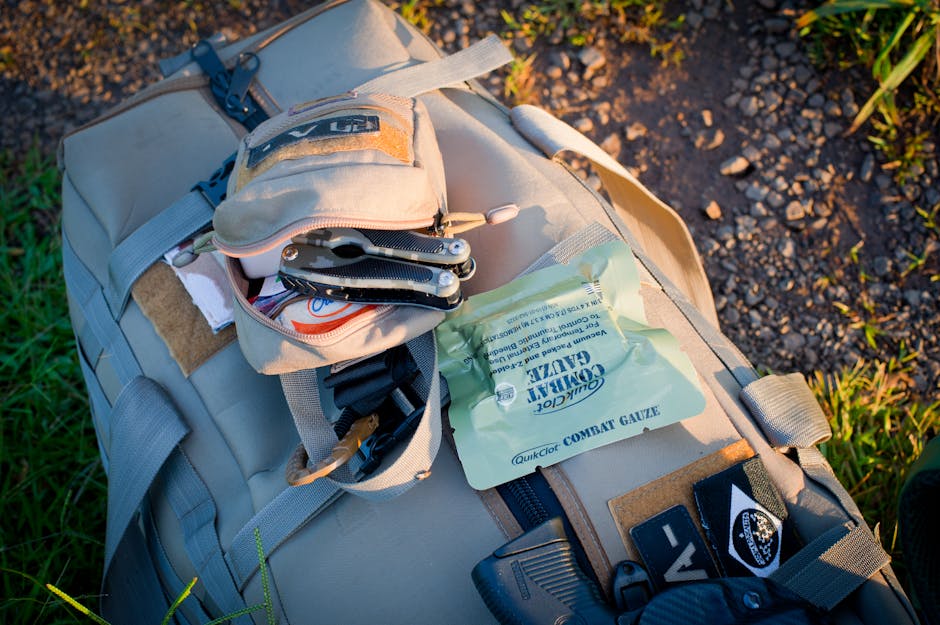
- First-aid kit with blister treatment and pain relievers
- Water purification tablets or filter
- Headlamp with extra batteries
Pack light but smart. Use compression sacks to save space. Keep electronics in waterproof bags. Store important documents in a secure, accessible pouch.
Staying Healthy on the Road
Hydration and Nutrition
Dehydration sneaks up quickly, especially at high altitudes or in hot climates. Drink at least 2–3 liters of water daily. Add electrolytes during intense activity.
Eat balanced meals with carbohydrates, protein, and healthy fats. Pack energy bars, nuts, and dried fruit for quick fuel. Avoid raw or undercooked food in regions with poor sanitation.
Preventing Common Injuries
Blisters, sprains, and insect bites are frequent issues. Wear broken-in footwear and use moleskin on hot spots. Carry a lightweight bandage and antiseptic wipes.
Use insect repellent with DEET or picaridin in malaria or dengue-prone areas. Sleep under mosquito nets when necessary.
Responsible Adventure Travel Practices
Adventure travel often takes you to fragile ecosystems and indigenous communities. Minimize your impact by following Leave No Trace principles:
- Pack out all trash, including food scraps and toilet paper.
- Stay on marked trails to prevent erosion.
- Avoid disturbing wildlife—observe from a distance.
- Respect local customs and dress codes.
- Support local businesses by hiring local guides and buying regional products.
Avoid single-use plastics. Bring a reusable water bottle and utensils. Many destinations now offer refill stations to reduce waste.
What to Expect on Your First Adventure Trip
Expect the unexpected. Weather changes, trail closures, or transportation delays are part of the adventure. Flexibility is your greatest asset.
You’ll likely feel a mix of excitement and anxiety before departure. That’s normal. Once you’re on the trail, focus on the present—the sound of birds, the feel of fresh air, the rhythm of your steps.
Keep a journal or take photos to capture moments. But don’t let documentation distract from the experience. Put the camera down and soak it in.
How to Build Confidence for Future Adventures
Start small and gradually increase difficulty. After a weekend hiking trip, try a 5-day trek. After that, consider multi-sport adventures like bike-and-hike combinations.
Take a wilderness first aid course. Knowing how to treat injuries boosts confidence and prepares you for emergencies.
Join local outdoor clubs or meetups. Practicing skills in your home environment builds competence and connects you with experienced travelers.
Common Mistakes First-Time Adventurers Make
Overestimating physical ability is the most common error. Many beginners sign up for advanced treks without proper training. Result? Exhaustion, injury, or abandonment.
Ignoring weather forecasts is another pitfall. A sunny morning can turn into a stormy afternoon in mountainous regions. Always check conditions and have a backup plan.
Underestimating costs leads to stress. Hidden fees for park permits, gear rentals, or emergency evacuations can blow your budget. Research thoroughly and add a 15–20% buffer.
Recommended Gear for Different Adventure Types
Hiking and Trekking
Essential: Hiking boots, trekking poles, moisture-wicking layers, map and compass (or GPS), headlamp, first-aid kit.
Optional: Lightweight tent, sleeping pad, camp stove for overnight trips.
Water-Based Adventures (Kayaking, Rafting, Snorkeling)
Essential: Personal flotation device (PFD), quick-dry clothing, waterproof dry bag, sun protection, water shoes.
Optional: Wetsuit (for cold water), underwater camera, snorkel gear.
Cultural and Wildlife Safaris
Essential: Binoculars, long-sleeve clothing for sun and insects, camera with zoom lens, reusable water bottle.
Optional: Field guidebook, journal, local phrasebook.
How to Find Reputable Adventure Tour Operators
Look for companies certified by recognized bodies like the Adventure Travel Trade Association (ATTA) or local tourism boards. These organizations vet safety, sustainability, and guide qualifications.
Read recent reviews from past travelers. Pay attention to comments about guide knowledge, group size, and emergency preparedness.
Ask questions before booking: What’s the guide-to-traveler ratio? What happens in case of injury? Are meals and accommodations included? Transparency is a good sign.
Insurance and Emergency Preparedness
Standard travel insurance often excludes high-risk activities. Purchase adventure-specific coverage that includes medical evacuation, trip cancellation, and gear protection.
Companies like World Nomads or SafetyWing offer flexible plans for active travelers. Ensure your policy covers your specific activities—rock climbing, scuba diving, etc.
Carry a printed copy of your insurance policy and emergency contacts. Store digital copies in cloud storage accessible from any device.
Post-Trip: Reflecting and Planning Ahead
After your adventure, take time to reflect. What did you enjoy most? What would you do differently? Journaling helps solidify lessons learned.
Share your experience responsibly. Post photos and stories that inspire others, but avoid geotagging sensitive locations to protect wildlife and ecosystems.
Use your new skills and confidence to plan your next trip. Maybe it’s a solo journey or a more challenging route. Adventure travel is a journey of continuous growth.
Final Thoughts
Adventure travel is more than a vacation—it’s a personal challenge and a deeper way to connect with the world. For first timers, preparation and humility go a long way. Start with manageable goals, respect your limits, and choose responsible operators.
With the right mindset and tools, your first adventure can be the beginning of a lifelong passion. The mountains, rivers, and forests are waiting—safely and thoughtfully.
FAQ
What’s the best first adventure trip for a complete beginner?
A guided trek in New Zealand’s Abel Tasman National Park offers easy trails, stunning coastal views, and reliable support—perfect for first-time adventurers.
Do I need special training before going on an adventure trip?
It depends on the activity. Basic fitness and research are essential. For technical activities like rock climbing or whitewater rafting, consider a short course or guided intro session.
How much should I budget for my first adventure trip?
Budget $100–$200 per day on average. Include flights, gear, permits, food, and insurance. Add a 20% buffer for unexpected costs.