Top Adventure Travel Locations for Trekking and Camping Trips
For outdoor enthusiasts seeking rugged terrain, breathtaking views, and the freedom of sleeping under the stars, choosing the right destination is everything. The top adventure travel locations for trekking and camping trips offer a mix of well-marked trails, safe campsites, and diverse natural landscapes—from alpine peaks to desert canyons. Whether you’re a seasoned backpacker or planning your first multi-day hike, these destinations provide unforgettable experiences with reliable infrastructure and minimal environmental impact. This guide highlights the most rewarding spots worldwide, balancing accessibility with raw wilderness.
Why These Destinations Stand Out
Not all trekking and camping destinations are created equal. The best locations combine scenic beauty with practical considerations like trail maintenance, weather patterns, and emergency access. Safety, permit requirements, and seasonal conditions also play a major role in determining suitability for different skill levels. These factors help distinguish truly great adventure travel locations from those that look good on Instagram but fall short in real-world usability.
Another key differentiator is ecological responsibility. Leading trekking destinations enforce Leave No Trace principles, limit group sizes, and support local conservation efforts. This ensures that both nature and nearby communities benefit from tourism. When planning your next trip, prioritize places that protect their environment while offering authentic outdoor experiences.
Patagonia, Chile and Argentina
Spanning southern Chile and Argentina, Patagonia is a mecca for long-distance hikers and backcountry campers. The region’s dramatic landscapes—glaciers, jagged peaks, and windswept plains—draw adventurers from around the globe. Torres del Paine National Park in Chile and Los Glaciares National Park in Argentina are two standout areas with well-established trekking circuits.
The W Trek in Torres del Paine is a 50-mile route that takes five to seven days to complete. It passes granite towers, turquoise lakes, and glacial rivers, with designated campsites along the way. Refugios (mountain huts) offer basic shelter, but many prefer tent camping for greater solitude. In Los Glaciares, the Fitz Roy Trek provides equally stunning views with fewer crowds, especially if you start early in the season.
Best Time to Visit
Patagonia’s short summer runs from December to February. This is the only window when trails are snow-free and daylight lasts up to 17 hours. However, strong winds are common—pack a four-season tent and layered clothing. Shoulder months (November and March) offer quieter trails but unpredictable weather.
Permits and Regulations
Both parks require advance reservations for campsites and refugios. Book through official park websites at least three months ahead, especially for the W Trek. Wild camping outside designated zones is prohibited to protect fragile ecosystems. Always carry a map and GPS, as weather can change rapidly.
Annapurna Circuit, Nepal
The Annapurna Circuit is one of the world’s classic trekking routes, winding through diverse climates and cultures in the Himalayas. Starting in subtropical foothills, the trail climbs to the Thorong La Pass at 17,769 feet before descending into the arid Mustang region. Most trekkers take 15 to 21 days to complete the full loop.
Tea houses line the route, offering meals and basic lodging, but camping is also permitted in many areas. For those seeking more solitude, side trips to Tilicho Lake or the remote Nar-Phu valleys provide excellent alternatives. The trail passes through rhododendron forests, terraced farms, and ancient Buddhist villages, giving a rich cultural dimension to the journey.
Altitude Considerations
Acclimatization is critical on the Annapurna Circuit. Ascend slowly—no more than 1,000 feet per day above 10,000 feet—and take rest days in Manang or Yak Kharka. Symptoms of altitude sickness include headache, nausea, and dizziness. Descend immediately if symptoms worsen. Carry a portable oxygen canister as a precaution.
Permits and Local Guides
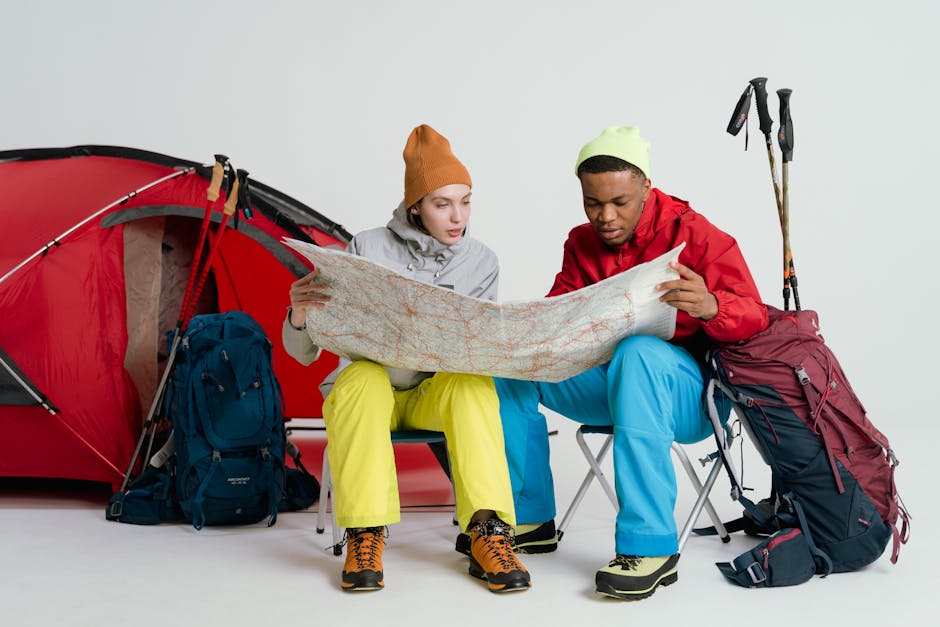
Trekkers need two permits: the Annapurna Conservation Area Permit (ACAP) and the Trekkers’ Information Management Committee (TIMS) card. These can be obtained in Kathmandu or Pokhara. While independent trekking is allowed, hiring a local guide or porter supports the community and enhances safety in remote sections.
Torres del Paine, Chile
Often called the “jewel of Patagonia,” Torres del Paine National Park offers some of the most iconic trekking and camping in South America. The park’s centerpiece—the three granite towers—rises sharply from the Patagonian steppe, visible from miles away. The full O Circuit takes 7 to 10 days and circles the entire range, while the shorter W Trek focuses on the highlights.
Camping is available at designated sites with windbreaks and pit toilets. Some campsites require reservations, especially during peak season. Wildlife includes guanacos, foxes, and the elusive puma—keep food secured and maintain distance. The park’s microclimates mean weather can shift from sunshine to snow in hours, so pack accordingly.
Trail Conditions and Navigation
Trails are well-marked but can be muddy after rain. Waterproof boots and gaiters are recommended. River crossings are common—use trekking poles and cross in groups. GPS devices work well, but paper maps are essential backups. Cell service is nonexistent beyond park entrances.
Safety Tips
Inform park rangers of your itinerary before starting. Carry a satellite communicator for emergencies. Avoid hiking alone, especially on less-traveled sections like the Dickson Lake trail. Fires are banned except in designated areas—use a camp stove for cooking.
Yosemite National Park, USA
Yosemite is a premier destination for both day hikes and extended backcountry camping in the Sierra Nevada. Famous for its granite cliffs, waterfalls, and giant sequoias, the park offers trails for all levels. The John Muir Trail (JMT) passes through Yosemite and connects to the Pacific Crest Trail, making it ideal for long-distance trekkers.
Backcountry camping requires a wilderness permit, which must be reserved in advance through a lottery system. Popular zones like Tuolumne Meadows and the High Sierra Camps fill up quickly. Permits specify entry points, exit points, and campsite locations to manage crowding and protect sensitive habitats.
Wildlife and Food Storage
Bears are active in Yosemite. Use bear-proof canisters for all food, toiletries, and scented items. These are required in most backcountry areas and can be rented at park entrances. Never leave food unattended, even for a few minutes. Store canisters at least 100 feet from your tent.
Seasonal Access
High-elevation trails like the JMT are snow-covered until late June. Check trail conditions on the park website before departing. Spring brings waterfalls at peak flow, but river crossings can be dangerous. Fall offers stable weather and fewer visitors, though nights get cold at altitude.
Kilimanjaro, Tanzania
Mount Kilimanjaro is Africa’s highest peak and a bucket-list trek for many. Unlike other major summits, no technical climbing is required—success depends on pacing and acclimatization. The Machame Route is the most popular, taking six to seven days with scenic variety and high summit success rates.
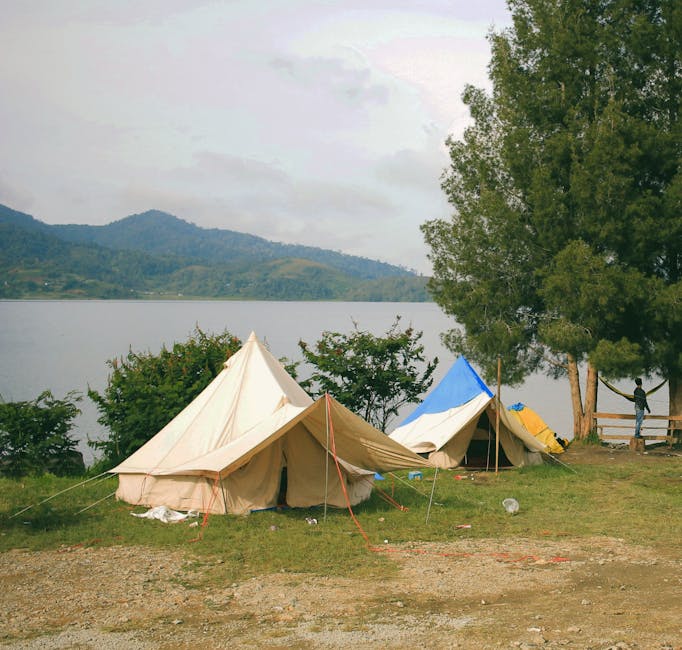
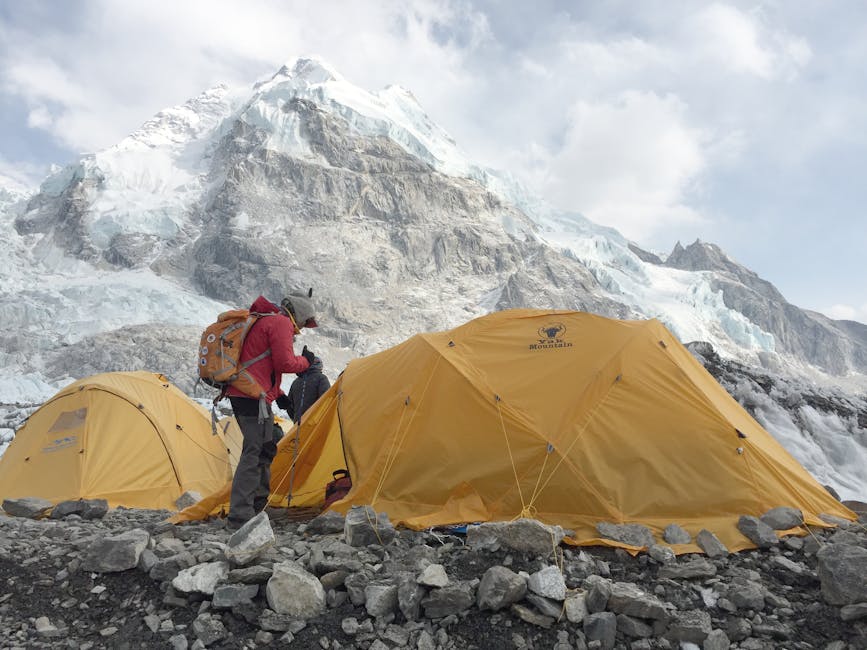
Camping is the only option on most routes, with tents provided by tour operators. Porters carry gear, allowing trekkers to focus on the climb. Campsites are basic but strategically placed for gradual ascent. The final push to Uhuru Peak begins around midnight to reach the summit at sunrise.
Choosing a Route
The Lemosho and Northern Routes offer longer itineraries and better acclimatization, increasing summit chances. The Marangu Route is shorter but steeper, with lower success rates. Avoid the rainy seasons (April–May and November) when trails turn muddy and visibility drops.
Health and Preparation
Train with cardio and strength exercises for at least three months before the climb. Stay hydrated and eat high-calorie meals provided by guides. Diamox (acetazolamide) can help prevent altitude sickness but should be used under medical advice. Descend immediately if experiencing severe symptoms.
Torres del Paine vs. Annapurna: A Comparison
Both Torres del Paine and the Annapurna Circuit offer world-class trekking, but they cater to different preferences. Torres del Paine is more accessible, with shorter flights and English-speaking services, while the Annapurna Circuit immerses you in Himalayan culture and higher altitudes.
In terms of difficulty, Annapurna is more demanding due to elevation gain and longer duration. Torres del Paine has stronger winds but lower altitude. Both require advance planning, but Annapurna demands greater physical preparation. Cost-wise, Nepal is significantly cheaper, though gear quality may vary.
For first-time international trekkers, Torres del Paine offers a smoother introduction. Experienced hikers seeking cultural depth and challenge may prefer Annapurna. Either way, both rank among the top adventure travel locations for trekking and camping trips.
Essential Gear for Any Trek
Quality gear makes the difference between a great trip and a miserable one. Start with a lightweight, waterproof tent rated for three or four seasons. A sleeping bag should match the lowest expected temperature—down bags are warmer but less practical in wet climates.
Footwear is critical. Break in hiking boots before departure to avoid blisters. Use moisture-wicking socks and consider gaiters for muddy trails. A reliable backpack (50–70 liters) with a hip belt distributes weight and reduces strain.
Navigation tools include a topographic map, compass, and GPS device. Carry a headlamp with extra batteries. For cooking, a compact stove and lightweight cookware are essential. Pack a first-aid kit, water filter, and emergency shelter. Always test gear at home before hitting the trail.
Planning Your Trip: Step-by-Step
Start by defining your goals: Are you seeking solitude, scenic views, or cultural immersion? Choose a destination that matches your fitness level and time frame. Research trail conditions, permit requirements, and seasonal risks.
Book flights and accommodations early, especially for popular parks. Reserve campsites or refugios as soon as bookings open. Purchase travel insurance that covers high-altitude trekking and emergency evacuation.
Prepare physically with regular hikes, strength training, and endurance workouts. Practice packing your gear and setting up your tent. Share your itinerary with someone at home and check in regularly if possible.
Leave No Trace Principles
Responsible trekking protects the places we love. Follow the seven Leave No Trace principles: plan ahead, travel on durable surfaces, dispose of waste properly, leave what you find, minimize campfire impact, respect wildlife, and be considerate of others.
Pack out all trash, including food scraps and toilet paper. Use established campsites to reduce vegetation damage. Keep noise low to preserve the natural experience for others. These practices ensure that future adventurers can enjoy the same pristine environments.
Final Thoughts
The top adventure travel locations for trekking and camping trips offer more than just beautiful scenery—they provide transformative experiences that challenge and inspire. From the windswept trails of Patagonia to the high passes of the Himalayas, each destination has its own rhythm and rewards.
Success comes from preparation, respect for nature, and flexibility. Weather, trail conditions, and personal limits can change quickly. Stay informed, stay safe, and embrace the journey. With the right mindset and gear, even the most remote trails become accessible.
FAQ
What is the best time of year for trekking in Patagonia?
The best time is during the Southern Hemisphere summer, from December to February. Trails are snow-free, and daylight lasts up to 17 hours. Shoulder months offer fewer crowds but more variable weather.
Do I need a guide for the Annapurna Circuit?
A guide is not required, but highly recommended for first-time visitors. Local guides enhance safety, provide cultural insights, and support the regional economy. Independent trekking is allowed with proper permits.
Can I camp anywhere in Yosemite’s backcountry?
No. Camping is only allowed in designated zones specified in your wilderness permit. Dispersed camping outside these areas is prohibited to protect the environment. Permits must be obtained in advance.