Best Nature Travel Destinations for Photography Lovers
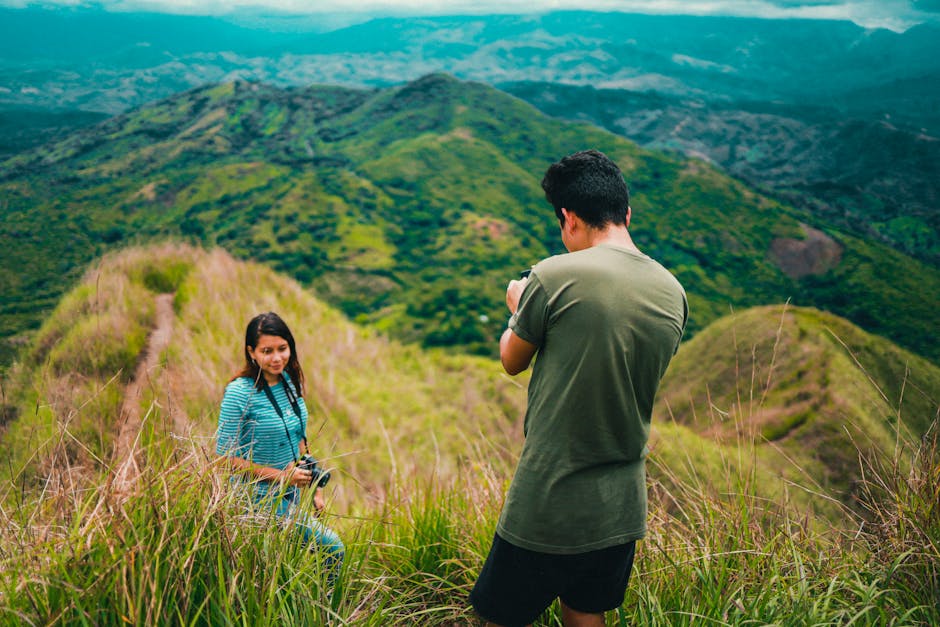
For photography enthusiasts, nature offers some of the most compelling and visually stunning subjects on Earth. Whether you’re drawn to dramatic mountain peaks, serene forests, or vibrant wildlife, the right destination can transform a simple snapshot into a masterpiece. This guide highlights the best nature travel destinations for photography lovers—places where light, landscape, and life converge to create unforgettable images. From Iceland’s otherworldly landscapes to the savannas of Kenya, these locations offer diverse opportunities for both amateur and professional photographers.
Why Nature Photography Demands the Right Location
Great nature photography starts with being in the right place at the right time. While skill and equipment matter, location sets the foundation. A remote glacier, a misty rainforest, or a golden-hour savanna each present unique lighting, textures, and subjects that can’t be replicated.
Choosing a destination with varied terrain and seasonal changes increases your chances of capturing dynamic shots. For example, a single location like Patagonia offers snow-capped peaks, turquoise lakes, and windswept grasslands—all within a short distance. This diversity allows photographers to shoot multiple styles in one trip.
Key Factors to Consider When Choosing a Destination
Before booking a trip, evaluate the destination’s accessibility, weather patterns, and peak seasons. Some locations, like the Canadian Rockies, are best photographed in early autumn when the larch trees turn golden. Others, such as the Amazon, offer rich biodiversity year-round but require preparation for humidity and insects.
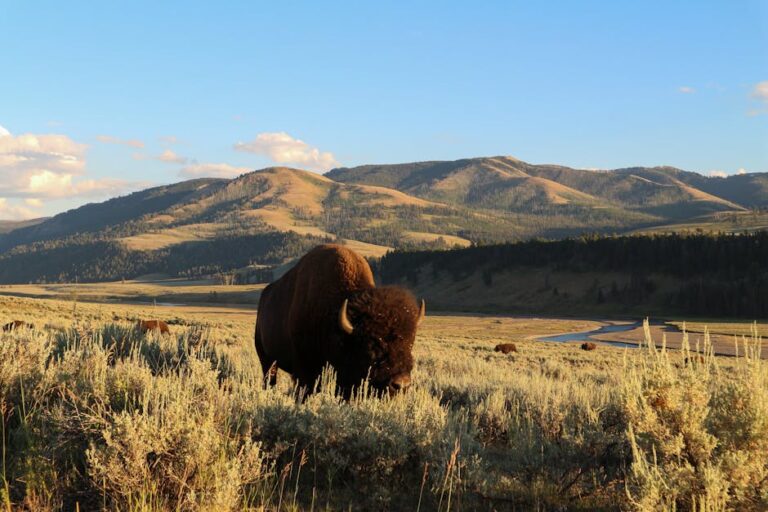
Also consider local regulations. In places like Yellowstone or the Galápagos, drone use is restricted, and certain trails require permits. Researching these details in advance prevents frustration and ensures compliance with conservation efforts.
Top Nature Travel Destinations for Photography
1. Iceland – Land of Fire and Ice
Iceland is a photographer’s dream, offering glaciers, waterfalls, volcanic craters, and the Northern Lights—all within a compact island. The interplay of light and landscape here is unmatched, especially during the golden hours around sunrise and sunset.
Popular spots include Seljalandsfoss, where you can walk behind a cascading waterfall, and Jökulsárlón Glacier Lagoon, where icebergs float in a glacial lake. The Diamond Beach nearby adds contrast with black sand and glistening ice chunks.
Winter brings the chance to photograph the aurora borealis, but roads can be icy and daylight limited. Summer offers nearly 24-hour daylight, ideal for long shooting sessions, though crowds increase at major sites.
2. Patagonia – Wild and Untamed
Spanning Chile and Argentina, Patagonia is a vast wilderness of jagged peaks, glacial lakes, and open plains. Torres del Paine National Park in Chile is particularly famous for its granite towers and turquoise lakes.
The region’s unpredictable weather creates dramatic skies—perfect for moody landscapes. Early morning light on the Cuernos del Paine range often produces award-winning images. Wildlife like guanacos and Andean condors add life to your compositions.
Access requires planning. Most photographers fly into Punta Arenas and drive or take shuttles into the park. Accommodations range from refugios (mountain huts) to luxury lodges, but book well in advance during peak season (November to March).
3. Kenya – The Cradle of Wildlife Photography
Kenya’s Maasai Mara is synonymous with wildlife photography. The annual wildebeest migration, typically from July to October, draws thousands of animals across the plains—creating action-packed scenes ideal for telephoto lenses.
Beyond the migration, the Mara offers daily sightings of lions, elephants, and cheetahs. The golden light of early morning game drives enhances fur textures and creates long shadows that add depth to images.
Responsible tourism is crucial. Work with licensed guides who follow ethical practices, such as maintaining distance from animals and avoiding off-road driving. This protects both wildlife and the integrity of your shots.
4. New Zealand – Cinematic Landscapes
New Zealand’s diverse geography—from fjords to alpine meadows—has made it a favorite for filmmakers and photographers alike. Fiordland National Park, home to Milford Sound, offers towering cliffs, waterfalls, and mirror-like waters.
The South Island’s Lake Tekapo is renowned for its clear skies and stargazing opportunities. The Church of the Good Shepherd, set against snow-capped peaks, is a classic sunrise shot.
Spring (September to November) brings blooming lupins along Lake Pukaki, creating vibrant foregrounds. Winter offers snow-covered mountains but shorter days. Road conditions can be challenging, so rent a reliable vehicle and check weather updates.
5. Costa Rica – Biodiversity in Motion
Costa Rica packs an incredible range of ecosystems into a small country. From cloud forests in Monteverde to volcanic landscapes in Arenal and tropical beaches on the Pacific coast, it’s ideal for photographers seeking variety.
Wildlife is abundant and accessible. Sloths, toucans, and howler monkeys are commonly spotted in national parks like Manuel Antonio. Early mornings in the rainforest yield soft, diffused light perfect for macro and portrait-style animal shots.
Rainy season (May to November) brings lush greenery but also frequent downpours. Dry season (December to April) offers clearer skies but more tourists. Pack waterproof gear and lens covers regardless of the season.
6. Norway – Fjords and Northern Lights
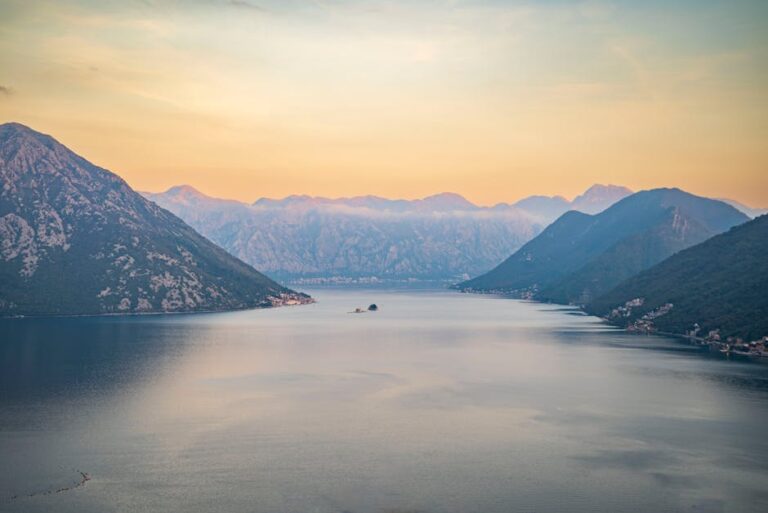
Norway’s fjords—deep, glacially carved valleys filled with water—are among the most photographed landscapes in the world. The Nærøyfjord, a UNESCO World Heritage site, is narrow and dramatic, with steep cliffs rising from the water.
In winter, the northern regions like Tromsø offer the chance to capture the Northern Lights over snowy landscapes. Long exposures and a sturdy tripod are essential for these shots.
Summer brings the midnight sun, allowing for 24-hour shooting in places like Lofoten. The red fishing cabins (rorbuer) against mountainous backdrops are iconic. Ferry connections are common, so plan your route carefully.
7. Bhutan – Himalayan Serenity
Bhutan offers pristine mountain scenery, ancient monasteries, and a culture deeply connected to nature. The Paro Valley, with its iconic Tiger’s Nest Monastery perched on a cliff, is a favorite among landscape and cultural photographers.
The country limits tourism to preserve its environment and traditions, requiring a daily tariff that includes guides and accommodations. This ensures fewer crowds and well-maintained trails.
Autumn (October to November) is the best time to visit, with clear skies and vibrant foliage. Winter can be harsh, with some high passes closed. Always travel with a licensed guide, as independent travel is not permitted.
Essential Tips for Nature Photography Travel
Pack Smart, Travel Light
While it’s tempting to bring every lens and accessory, overpacking can slow you down. Prioritize a versatile zoom lens (like a 24-70mm or 70-200mm), a wide-angle for landscapes, and a sturdy tripod.
Use padded camera bags and consider a rain cover. In humid or sandy environments, store gear in sealed plastic bags when not in use to prevent damage.
Respect Nature and Local Communities
Always follow Leave No Trace principles. Stay on marked trails, avoid disturbing wildlife, and never remove natural elements like rocks or plants.
When photographing people, especially in indigenous communities, ask for permission first. A simple gesture or small gift can go a long way in building trust.
Plan for Light and Weather
The best light often occurs during the “golden hour”—shortly after sunrise and before sunset. Use apps like PhotoPills or The Photographer’s Ephemeris to track sun and moon positions.
Weather can change rapidly in nature. Check forecasts daily and have backup plans. Overcast skies can actually enhance certain shots by softening harsh shadows.
Backup Your Images Daily
Never rely on a single memory card. Use dual-card cameras or carry portable hard drives to back up photos each night. Cloud storage is useful but not always accessible in remote areas.
Label files clearly and organize them by date and location. This makes editing and sharing much easier after the trip.
Challenges and How to Overcome Them
Dealing with Crowds
Popular destinations like Iceland’s Blue Lagoon or New Zealand’s Hobbiton often draw large crowds. To capture clean shots, arrive early or stay late. Weekdays are generally quieter than weekends.
Use a telephoto lens to isolate subjects from busy backgrounds, or shoot during off-seasons when tourist numbers drop.
Protecting Gear in Harsh Conditions
Sand, saltwater, and extreme cold can damage cameras and lenses. Use UV or protective filters on lenses, and avoid changing lenses in dusty or wet environments.
In cold climates, keep batteries warm by storing them in an inner pocket. Cold drains battery life quickly.
Navigating Remote Locations
Some of the best photo spots are off the beaten path. Always inform someone of your itinerary and carry a GPS device or offline maps. Satellite communicators like Garmin inReach can be lifesavers in emergencies.
Hire local guides when possible. They know the terrain, weather patterns, and hidden gems that aren’t on tourist maps.
Making the Most of Your Trip
A successful photography trip isn’t just about the number of images you take—it’s about the quality and story behind them. Focus on composition, lighting, and emotion. A single powerful image often speaks louder than a hundred average shots.
Take time to scout locations in advance. Walk the area, observe the light, and visualize your shots. Sometimes the best compositions come from patience and repetition.
Finally, enjoy the experience. Nature photography is as much about connection as it is about capture. The memories you make will last longer than any photo.
FAQ
What is the best time of year to visit these destinations for photography?
It varies by location. For Iceland and Norway, summer offers long daylight hours, while winter is ideal for Northern Lights. In Kenya, the dry season (July–October) is best for wildlife. Always research seasonal conditions before booking.
Do I need special permits to photograph in national parks?
Some parks require permits for professional photography or drone use. Check with local authorities in advance. In places like the Galápagos or Bhutan, guided tours are mandatory.
What camera gear is essential for nature photography travel?
A DSLR or mirrorless camera, a versatile zoom lens, a wide-angle lens, a tripod, extra batteries, and memory cards are essential. Don’t forget lens cleaning kits and weather protection.