Adventure Travel Guide with Essential Packing and Safety Tips
Planning an adventure trip? Whether you’re hiking through Patagonia, trekking the Himalayas, or exploring remote jungles, preparation is key. This adventure travel guide covers everything you need to pack, how to stay safe, and what to expect before you go. From choosing the right gear to understanding local risks, we’ll help you travel smart and confidently.
Why Preparation Matters for Adventure Travel
Adventure travel often takes you off the beaten path—where help may be hours away and conditions unpredictable. A well-planned trip reduces risks and increases enjoyment. Without proper gear or safety knowledge, even a short hike can turn dangerous.
Take the example of a solo trekker in Nepal who forgot rain gear during monsoon season. Trapped in a downpour with no shelter, they developed hypothermia. Proper preparation could have prevented this. Research, packing, and awareness are your best defenses.
Choosing the Right Destination
Start by matching your destination to your fitness level and experience. A beginner shouldn’t attempt a technical climb like Mount Kilimanjaro without training. Instead, consider a guided trek in Peru’s Sacred Valley or a coastal hike in New Zealand.
Research local weather, terrain, and political stability. Check government travel advisories for safety alerts. For instance, some regions in Central America may have high crime rates, while others offer safe, well-marked trails.
Assessing Your Fitness and Skill Level
Be honest about your physical condition. Multi-day treks require endurance, strength, and mental resilience. If you’re new to backpacking, start with shorter trips and build up.
Consider taking a wilderness first aid course or a navigation workshop. These skills are invaluable when GPS fails or someone gets injured in remote areas.
Understanding Local Conditions
Weather can change rapidly in mountains or deserts. In the Andes, temperatures can drop below freezing at night, even in summer. In Southeast Asia, humidity and insects are constant concerns.
Learn about local wildlife, water sources, and trail conditions. Some trails may require permits or guides. Always check with local tourism boards or experienced travelers before finalizing plans.
Essential Packing List for Adventure Travel
Packing smart means balancing weight, utility, and safety. Overpacking slows you down; underpacking puts you at risk. Focus on versatile, durable gear that serves multiple purposes.
Use the “layering” principle for clothing: base, mid, and outer layers. This system adapts to changing weather and activity levels. Avoid cotton—it retains moisture and increases hypothermia risk.
Clothing and Footwear
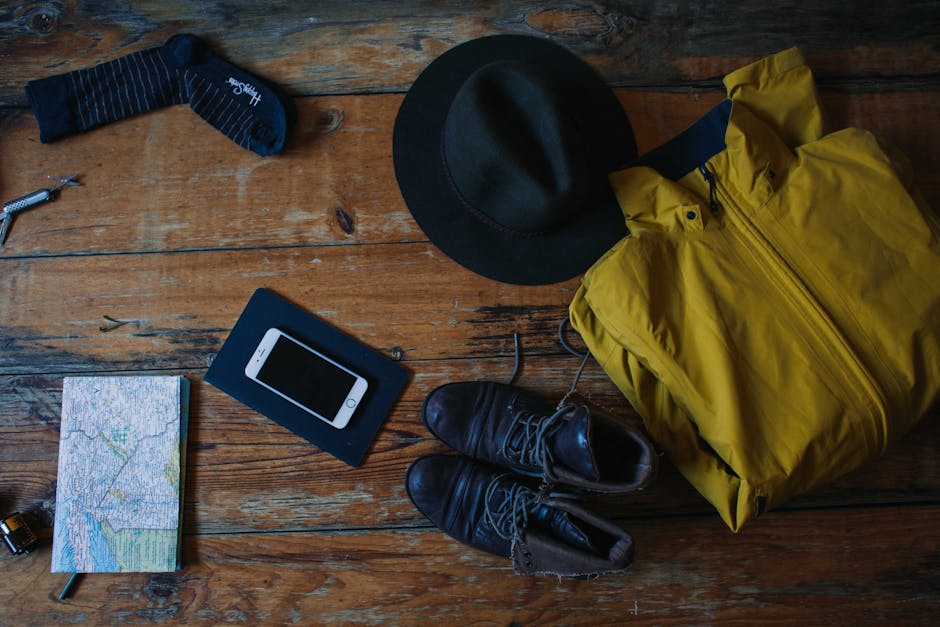
Pack moisture-wicking base layers, insulating mid-layers like fleece, and a waterproof outer shell. Include a warm hat, gloves, and a buff for sun or wind protection.
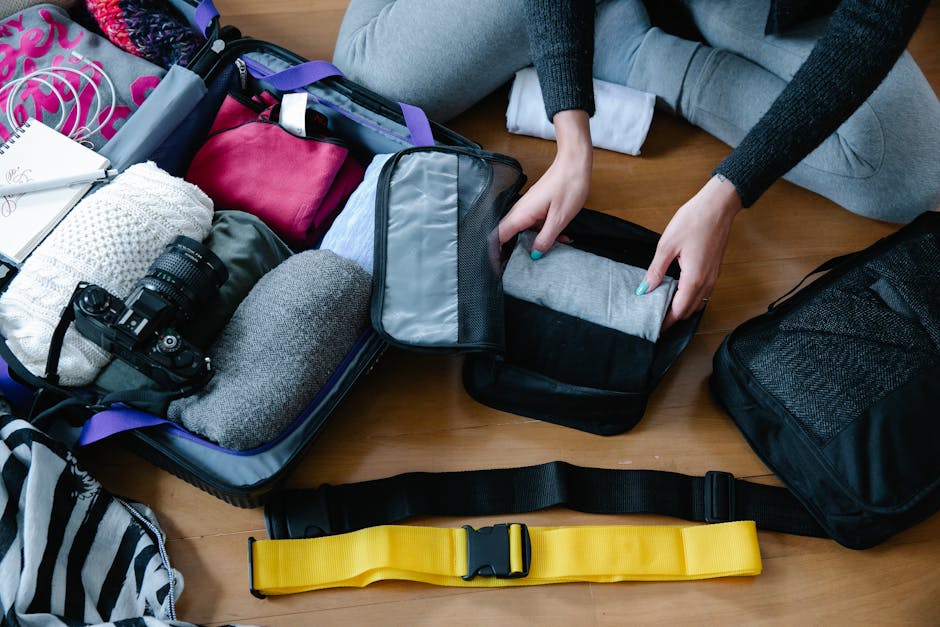
Footwear is critical. Break in hiking boots before your trip. Choose models with ankle support and grip for uneven terrain. Bring moisture-wicking socks and consider gaiters for muddy or snowy trails.
Backpack and Shelter
A 40–65 liter backpack suits most multi-day trips. Look for adjustable straps, a padded hip belt, and external attachment points. Test it with weight before departure.
For shelter, a lightweight tent or bivy sack is essential. In warmer climates, a tarp or hammock may suffice. Always carry a repair kit for tears or broken poles.
Cooking and Hydration
A compact stove, fuel, and lightweight cookware let you prepare hot meals. Choose fuel-efficient models like canister stoves for short trips or liquid fuel for cold weather.
Hydration is non-negotiable. Carry at least 2–3 liters of water capacity. Use a filtration system like a pump or UV purifier to refill from natural sources. Avoid drinking untreated water—even clear streams can harbor parasites.
Safety and Navigation Tools
Always bring a map and compass—and know how to use them. GPS devices are helpful but can fail. A personal locator beacon (PLB) or satellite messenger adds an extra layer of safety in remote zones.
Pack a headlamp with extra batteries, a multi-tool, fire starters, and a whistle. These small items can be lifesavers in emergencies.
Safety Tips for Adventure Travel
Safety starts before you leave. Share your itinerary with someone reliable, including expected return time and check-in schedule. If you’re going solo, check in daily via text or app.
Never ignore warning signs—weather alerts, trail closures, or local advice. In 2022, several hikers in Utah’s slot canyons were caught in flash floods because they ignored storm forecasts.
Wildlife and Environmental Hazards
Research local wildlife. In bear country, carry bear spray and store food in bear-proof containers. In Africa, avoid walking at dawn or dusk when predators are active.
Be aware of environmental risks like altitude sickness, heat exhaustion, or sunburn. Ascend gradually above 8,000 feet to prevent altitude illness. Drink electrolytes in hot climates and wear SPF 50+ sunscreen.
Health and First Aid
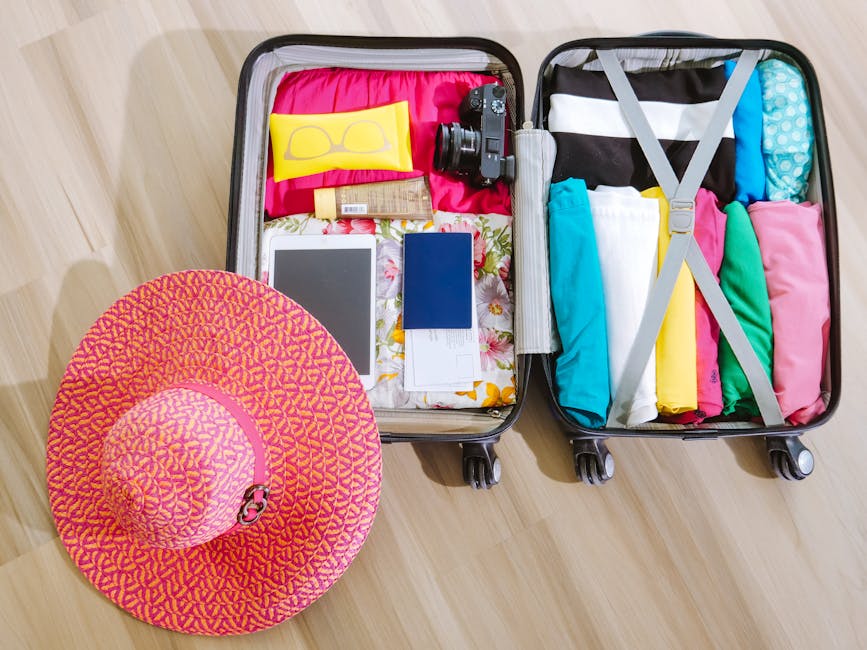
Carry a compact first aid kit with bandages, antiseptic, blister treatment, pain relievers, and any personal medications. Include tweezers for splinters or ticks.
Know basic first aid: how to treat cuts, sprains, or hypothermia. If someone shows confusion or slurred speech in cold conditions, act immediately—it could be severe hypothermia.
Staying Connected and Informed
In areas with no cell service, a satellite communicator like Garmin inReach allows two-way messaging. Some models offer weather updates and emergency SOS.
Download offline maps and translation apps. Learn basic phrases in the local language. This builds rapport and helps in emergencies.
Travel Insurance and Documentation
Standard health insurance often doesn’t cover adventure activities or international evacuations. Purchase travel insurance that includes emergency rescue, medical coverage, and trip cancellation.
Carry digital and physical copies of your passport, visa, insurance policy, and emergency contacts. Store them in a waterproof bag.
Permits and Regulations
Many adventure destinations require permits. In Torres del Paine, Chile, you must register at park entrances. In Bhutan, all tourists need a licensed guide and pre-paid visa.
Follow Leave No Trace principles: pack out all trash, stay on trails, and respect wildlife. Fines for violations can be steep, and damage to ecosystems is irreversible.
What to Do in an Emergency
If lost, stop, stay calm, and assess your location. Use your map and compass to reorient. If injured, stabilize the injury and signal for help using a whistle, mirror, or bright cloth.
In remote areas, rescue can take hours or days. Conserve energy and water. Build a shelter if nightfall approaches. Use your PLB only in life-threatening situations.
Signaling for Help
Three of anything—whistles, flashes, or shouts—is a universal distress signal. Create visible signals: a large “X” on the ground, smoke from a fire, or reflective materials.
If you have a satellite device, send your coordinates and situation clearly. Avoid vague messages like “I’m lost”—provide details about injuries, location, and resources.
Packing Light vs. Packing Smart
Lightweight gear improves mobility and reduces fatigue. But don’t sacrifice essentials for weight. A 10-ounce emergency blanket weighs little but can prevent hypothermia.
Compare gear options: a 2-pound tent vs. a 4-pound one. If the lighter model is equally durable, choose it. But if it compromises weather protection, the extra weight is justified.
Multi-Use Items to Save Space
Choose gear that serves multiple functions. A bandana can be a towel, sun shield, or sling. A pot can double as a bowl and mug. A trekking pole can support a tarp.
Avoid single-use items. Instead of disposable utensils, carry a reusable spork. Instead of bottled water, use a filter and refill from streams.
Final Pre-Trip Checklist
One week before departure, review your packing list and test all gear. Charge batteries, fill prescriptions, and confirm reservations.
Check weather forecasts and trail conditions. Adjust your route if storms are predicted. Inform your emergency contact of your final plans.
Day-of Departure Tips
Weigh your pack—aim for under 25% of your body weight. Distribute weight evenly, with heavy items close to your back.
Wear your bulkiest clothes (boots, jacket) to save space. Keep essentials like snacks, map, and first aid in easy-access pockets.
FAQ
What should I pack for a 5-day trek?
Pack a tent, sleeping bag, stove, 5 days of food, water filter, first aid kit, map, compass, headlamp, and layered clothing. Aim for a 35–50 lb pack depending on your size and gear.
How do I prevent blisters while hiking?
Wear well-fitted, broken-in boots and moisture-wicking socks. Use blister prevention patches on hot spots. Stop at the first sign of rubbing to apply moleskin or tape.
Is it safe to travel alone on adventure trips?
Solo travel is possible with proper planning. Choose well-marked trails, carry a satellite communicator, share your itinerary, and avoid high-risk areas. Beginners should start with group tours.
Conclusion
Adventure travel offers unforgettable experiences, but success depends on preparation. Use this adventure travel guide to pack wisely, stay safe, and respect the environments you explore. With the right gear, knowledge, and mindset, you’ll be ready for whatever the trail throws your way.