
Best Adventure Travel Experiences for Couples and Friends
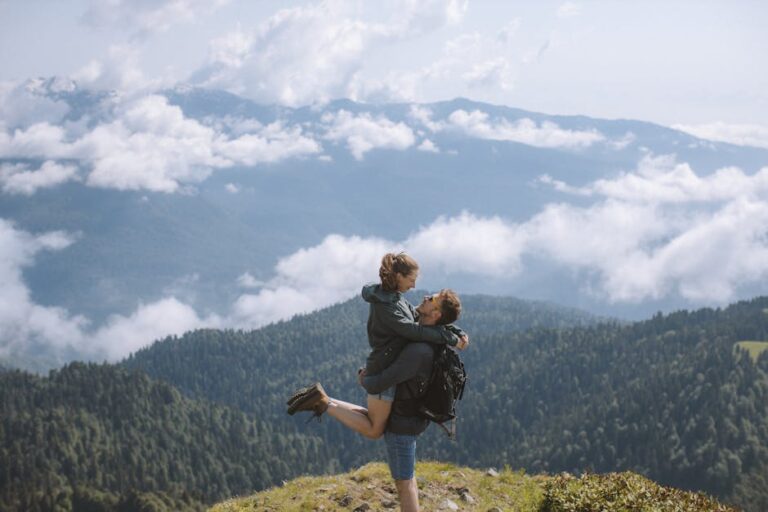
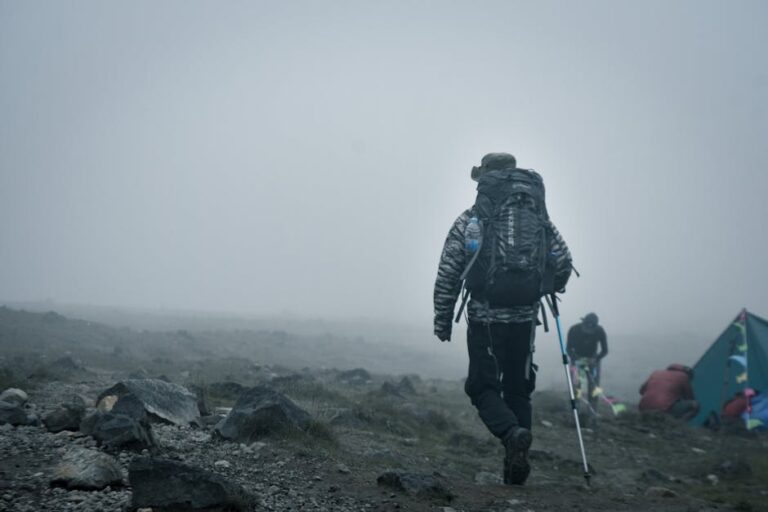
Planning a trip that excites both you and your travel companion? The best adventure travel experiences for couples and friends blend adrenaline, connection, and unforgettable scenery. Whether you’re scaling mountain peaks, paddling remote rivers, or trekking through ancient jungles, shared adventures deepen bonds and create lasting memories. This guide highlights top destinations and activities designed for two or small groups, with practical tips to help you choose, prepare, and stay safe.
Why Adventure Travel Strengthens Relationships
Adventure travel pushes boundaries—both physical and emotional. Facing challenges together builds trust and communication. Unlike passive vacations, active journeys require teamwork, problem-solving, and mutual support.
Studies show that couples and friends who engage in novel, exciting activities report higher relationship satisfaction. Shared novelty triggers dopamine release, reinforcing positive associations. Whether you’re navigating a jungle trail or cooking over a campfire, these moments foster intimacy and joy.
Top Destinations for Couples and Friends
Patagonia, Chile & Argentina
Patagonia offers dramatic landscapes perfect for hiking, glacier trekking, and wildlife spotting. Torres del Paine National Park features well-marked trails, refugios (mountain huts), and stunning vistas like the Grey Glacier.
Best for: Couples seeking solitude and friends wanting a multi-day trek. The W Trek is a 5-day route ideal for small groups. Pack layers—weather shifts rapidly.
Nepal: Annapurna Circuit
This classic Himalayan trek combines culture and challenge. You’ll pass through terraced farms, Buddhist monasteries, and high mountain passes reaching 5,416 meters.
Best for: Friends with moderate fitness levels. Teahouses along the route provide simple lodging and meals. Allow 12–18 days. Acclimatize properly to avoid altitude sickness.
New Zealand’s South Island
From bungee jumping in Queenstown to kayaking in Milford Sound, New Zealand delivers diverse adventures. The Routeburn Track offers alpine scenery with well-maintained paths.
Best for: Couples who want variety. Mix adrenaline with relaxation—soak in hot springs after a day of hiking. Rent a campervan for flexibility.
Costa Rica: Jungle and Coast
Costa Rica blends rainforest exploration with beach time. Zip-line through Monteverde’s cloud forest, surf in Tamarindo, or spot sloths in Manuel Antonio National Park.
Best for: Friends seeking a mix of thrills and downtime. Many lodges offer couple-friendly amenities. Rainy season (May–November) means lower prices but muddy trails.
Norway’s Lofoten Islands
Dramatic peaks rise directly from the sea. Hike Reinebringen for panoramic views, fish for cod, or cycle the scenic E10 highway. In winter, chase the northern lights.
Best for: Couples who love photography and quiet beauty. Rent a cabin with a sauna. Summer offers midnight sun; winter has limited daylight.
Adventure Activities by Group Type
For Couples: Intimate and Romantic
Choose activities that allow quiet moments and shared focus. Consider a hot air balloon ride over Cappadocia, Turkey, or a private sailing trip in the Greek Islands.
Multi-day bike tours through Tuscany or wine regions in Oregon combine exercise with gourmet stops. Look for guided tours with small group sizes to maintain intimacy.
For Friends: High Energy and Teamwork
Friends often thrive on competition and camaraderie. Try white-water rafting on the Futaleufú River in Chile or a multi-pitch rock climb in Yosemite.
Backpacking trips in the Canadian Rockies or Iceland’s highlands encourage collaboration. Assign roles—navigator, cook, photographer—to keep everyone engaged.
For Mixed Groups: Balanced Itineraries
When preferences vary, blend adventure with downtime. In Peru, hike part of the Inca Trail, then relax in Aguas Calientes. In Vietnam, cycle the countryside by day and enjoy street food in Hanoi by night.
Use travel days wisely. Fly into one city and out of another to minimize backtracking. Book accommodations with common areas for group bonding.
How to Plan Your Adventure Trip
Step 1: Define Your Goals
Ask: What do we want to feel? Challenged? Relaxed? Inspired? Set shared expectations early. A couple might prioritize romance, while friends may seek thrill.
Create a mood board with photos, activities, and destinations. Vote on top choices to ensure everyone’s voice is heard.
Step 2: Assess Fitness and Skill Levels
Be honest about physical limits. A 10-day trek isn’t suitable if one person has knee issues. Choose activities with flexible pacing or alternative routes.
Consider training together. Hike local trails or join a climbing gym. Build endurance and confidence before departure.
Step 3: Research and Book Early
Popular treks like the Inca Trail require permits months in advance. National parks often limit daily entries. Book flights and lodging early for better rates.
Use reputable tour operators for technical activities. Check reviews on platforms like TripAdvisor or Google. Verify guide certifications.
Step 4: Pack Smart
Share gear to reduce weight. One tent, two sleeping bags. Use packing cubes and dry bags. Include a first-aid kit, headlamps, and water purification tablets.
Don’t forget personal items: medications, copies of IDs, and a portable charger. Test all equipment before leaving.
Step 5: Stay Safe and Flexible
Share your itinerary with someone at home. Carry a satellite communicator in remote areas. Know local emergency numbers.
Weather, injuries, or fatigue may force changes. Build buffer days into your schedule. Prioritize safety over sticking to the plan.
Budgeting for Adventure Travel
Adventure trips can be affordable or luxurious. Backpacking in Southeast Asia costs less than a guided safari in Tanzania. Set a per-person budget early.
Factor in flights, gear, permits, food, and incidentals. Use budgeting apps to track spending. Consider travel insurance—especially for high-risk activities.
What to Avoid
Avoid overpacking your itinerary. Adventure travel is tiring. Leave room for rest and spontaneity. Don’t skip acclimatization days at high altitudes.
Never ignore local advice. Guides know the terrain and weather patterns. Respect cultural norms—dress codes, photography rules, and environmental guidelines.
Don’t assume all activities are safe for everyone. White-water rafting may not suit someone with back problems. Choose inclusive options.
Final Tips for a Successful Trip
Communicate openly during the trip. Check in daily: How are you feeling? What’s working? Adjust plans if needed.
Capture memories without over-documenting. Put phones away during key moments. Focus on being present.
After the trip, reflect together. What was the highlight? What would you do differently? Use insights to plan your next adventure.
FAQ
Q: What’s the best adventure trip for beginners?
A: Costa Rica is ideal for first-timers. Trails are well-marked, infrastructure is reliable, and activities range from easy hikes to moderate zip-lining.
Q: How do we choose between a guided or self-guided trip?
A: Guided trips offer safety and local insight—great for technical routes. Self-guided trips provide freedom and lower costs, but require more planning.
Q: Can adventure travel work for couples with different fitness levels?
A: Yes. Choose destinations with optional routes or activities. For example, one hikes while the other explores a nearby village, then meet for dinner.