
Best Chinese Foods to Try While Traveling in China
If you’re planning a trip to China, one of the most rewarding parts of your journey will be the food. Chinese cuisine is incredibly diverse, with regional specialties that reflect local ingredients, climate, and centuries-old traditions. From savory street snacks to elaborate banquet dishes, the best Chinese foods to try while traveling in China offer a delicious way to experience the country’s culture. Whether you’re wandering through Beijing’s hutongs or exploring Shanghai’s modern markets, knowing what to order—and where—can elevate your culinary adventure.
Why Chinese Cuisine Is Worth Exploring
Chinese food is more than just dumplings and fried rice. It’s a vast culinary landscape shaped by geography, history, and philosophy. With eight major regional cuisines—including Sichuan, Cantonese, Shandong, and Hunan—each area brings its own flavors, techniques, and signature dishes.
The emphasis on balance—hot and cold, spicy and mild, fresh and preserved—is central to traditional Chinese cooking. Meals are often shared, with dishes placed in the center for everyone to enjoy. This communal style encourages exploration and makes dining a social, sensory experience.
A Culinary Journey Across Regions
China’s size and diversity mean that what’s considered “typical” Chinese food in one city might be unheard of in another. For example, while Cantonese dim sum dominates in the south, northerners prefer heartier wheat-based dishes like noodles and steamed buns.
Traveling gives you the chance to taste authentic versions of dishes that may have been adapted abroad. A true xiaolongbao in Shanghai, for instance, has a delicate wrapper and rich broth that’s hard to replicate outside its birthplace.
Must-Try Dishes in Northern China
Northern China, especially Beijing, is known for its bold flavors and wheat-based staples. The cooler climate favors heartier, warming dishes that sustain people through long winters.
Peking Duck
No visit to Beijing is complete without trying Peking duck. This iconic dish features crispy-skinned roast duck served with thin pancakes, scallions, cucumber, and sweet bean sauce.
The duck is traditionally roasted in a closed oven, giving the skin a glossy, crackling texture. Diners assemble their own wraps, layering the meat and vegetables for a balanced bite. Quanjude and Bianyifang are two historic restaurants where you can experience this dish at its finest.
Jianbing
A popular street breakfast, jianbing is a savory crepe made from mung bean and wheat flour. Cooked on a griddle, it’s topped with egg, scallions, cilantro, and a crispy fried cracker, then folded and drizzled with hoisin or chili sauce.
Found at morning markets and street corners, jianbing is fast, affordable, and deeply satisfying. It’s a great introduction to northern street food and a favorite among locals.
Lamb Hot Pot
In cities like Xi’an and Beijing, lamb hot pot is a winter staple. Unlike Sichuan hot pot, this version uses a clear, mild broth that highlights the natural flavor of the meat.
Diners cook thin slices of lamb, vegetables, and tofu in a simmering pot at the table. The experience is interactive and social, perfect for sharing with friends on a chilly evening.
Flavors of the Southwest: Sichuan and Hunan
The southwest is famous for its fiery, numbing cuisine. Sichuan and Hunan provinces use liberal amounts of chili, garlic, and Sichuan peppercorns to create dishes that are bold, complex, and unforgettable.
Mapo Tofu
Originating in Chengdu, mapo tofu combines silky tofu with a spicy, aromatic sauce made from doubanjiang (fermented broad bean paste), ground pork, and Sichuan peppercorns.
The dish is known for its “mala” sensation—spicy and numbing at once. Served over rice, it’s a comforting yet intense meal that showcases the depth of Sichuan flavor profiles.
Kung Pao Chicken
Despite its international fame, authentic kung pao chicken in China is quite different from Western versions. Made with diced chicken, roasted peanuts, dried chilies, and Sichuan peppercorns, it’s less sweet and more savory.

The key is the balance of heat, salt, and umami. Look for it in traditional Sichuan restaurants, where the dish is often stir-fried to order with fresh ingredients.
Spicy Crawfish
In cities like Changsha and Chengdu, spicy crawfish is a summer favorite. The crustaceans are boiled in a fiery broth of chilies, garlic, and spices, then served in large communal bowls.
Diners peel the shells at the table, often with their hands, making it a messy but fun group activity. It’s best enjoyed with cold beer and friends.
Coastal Delights: Shanghai and the East
Eastern China, particularly Shanghai and Zhejiang, emphasizes freshness, sweetness, and delicate textures. Seafood, soups, and lightly seasoned dishes dominate the menu.
Xiaolongbao
These soup dumplings are a masterpiece of technique. The thin wrapper encases seasoned pork and a gelatinized broth that melts into hot soup when steamed.
Eating xiaolongbao requires care—lift it gently with chopsticks, nibble a small hole, sip the broth, then finish the dumpling. Din Tai Fung and local Shanghai eateries like Jia Jia Tang Bao serve excellent versions.
Shengjianbao
Similar to xiaolongbao but pan-fried, shengjianbao has a crispy bottom and soft top. The filling is typically pork and broth, with a slightly sweeter flavor than its steamed cousin.
Best eaten fresh off the griddle, these dumplings are a popular street food in Shanghai. Look for vendors with long lines—they’re usually a sign of quality.
Drunken Chicken
This cold dish features poached chicken marinated in Shaoxing wine, ginger, and soy sauce. The result is tender meat with a subtle alcoholic aroma and refreshing taste.
Often served as an appetizer, drunken chicken is a great example of Zhejiang cuisine’s emphasis on subtlety and refinement.
Southern Sweets and Street Eats: Guangdong and Fujian
The south, especially Guangdong (Canton), is the birthplace of dim sum and Cantonese roast meats. The cuisine is lighter, with an emphasis on steaming, stir-frying, and preserving natural flavors.
Dim Sum
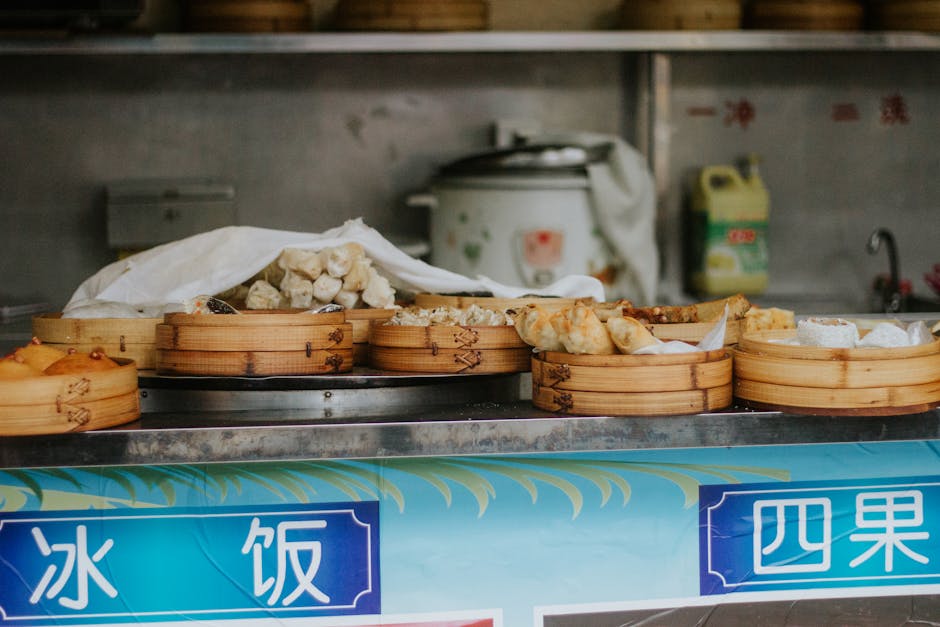
Dim sum translates to “touch the heart,” and these small plates are designed to be shared. From har gow (shrimp dumplings) to siu mai (pork and shrimp dumplings), each bite is a delicate balance of texture and flavor.
Tea houses in Guangzhou and Hong Kong offer the most authentic experiences. Arrive early, as the best items often sell out by mid-morning.
Char Siu
Cantonese barbecued pork, or char siu, is marinated in a sweet and savory blend of hoisin sauce, honey, and five-spice powder, then roasted until caramelized.
Served over rice or in buns, it’s a staple of Cantonese cuisine. Look for it in roast meat shops, where it’s often displayed in the window alongside roast duck and goose.
Wonton Noodles
This simple yet satisfying dish features thin egg noodles in a clear broth, topped with shrimp wontons. The broth is made from pork bones and dried flounder, giving it a rich, umami depth.
Found in street stalls and tea houses alike, wonton noodles are a comforting meal any time of day.
Hidden Gems and Regional Specialties
Beyond the famous dishes, China offers countless regional specialties that are worth seeking out. These lesser-known foods often provide the most authentic taste of local life.
Biangbiang Noodles
From Xi’an in Shaanxi province, these wide, hand-pulled noodles are served in a spicy chili oil sauce with vegetables and meat. The name comes from the sound made when stretching the dough.
The noodles are chewy and substantial, making them a filling meal. Try them at a local noodle shop for the best experience.
Stinky Tofu
Despite its pungent smell, stinky tofu is a beloved street food in cities like Changsha and Taipei. The tofu is fermented in a brine of vegetables and herbs, then deep-fried and served with chili sauce.
It’s an acquired taste, but many travelers grow to love its complex, umami-rich flavor. Approach with an open mind—and a strong stomach.
Yunnan Crossing the Bridge Noodles
This Yunnan specialty consists of a bowl of boiling hot broth, raw ingredients (meat, vegetables, noodles), and a layer of oil that keeps the soup hot.
Diners add the ingredients themselves, cooking them in the broth. The dish is both interactive and delicious, with a rich, aromatic flavor.
Tips for Eating Street Food Safely
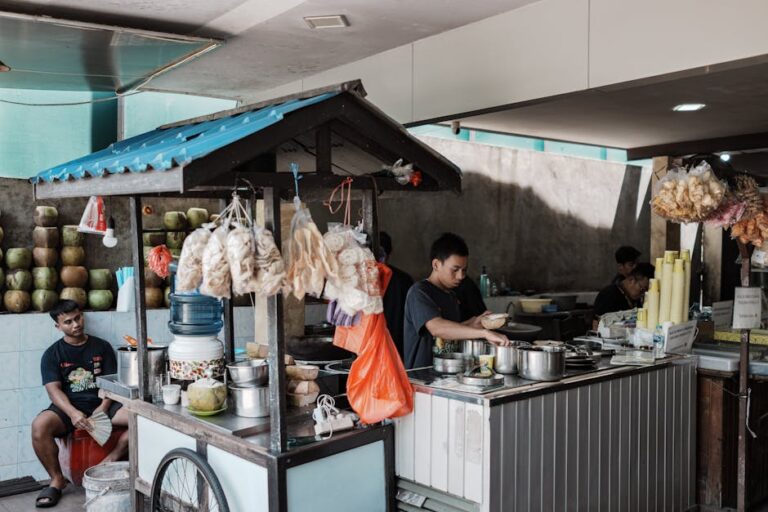
Street food is one of the best ways to experience authentic Chinese cuisine, but it’s important to eat safely. Here are a few practical tips.
Choose Busy Stalls
High turnover means fresher ingredients. If a vendor has a long line of locals, it’s usually a good sign.
Watch Food Being Cooked
Opt for stalls where food is cooked to order. Avoid pre-cooked items that have been sitting out, especially in hot weather.
Drink Bottled Water
Stick to sealed bottles or boiled tea. Avoid ice in drinks unless you’re sure it’s made from purified water.
Carry Hand Sanitizer
Many street food areas lack public restrooms. Sanitizer helps maintain hygiene before eating.
Where to Find the Best Food Experiences
Great food in China isn’t limited to restaurants. Markets, food streets, and local eateries often offer the most authentic meals.
Night Markets
Cities like Taipei, Chengdu, and Xi’an have vibrant night markets where you can sample dozens of dishes in one evening. Try a little of everything—grilled squid, scallion pancakes, and sweet potato balls.
Local Wet Markets
These bustling markets sell fresh produce, seafood, and prepared foods. While not always set up for tourists, they offer a glimpse into daily life and are great for observing cooking techniques.
Family-Run Eateries
Small, unmarked restaurants often serve the best food. Look for places filled with locals and menus with only a few dishes—this usually means they specialize and do it well.
Cultural Etiquette and Dining Tips
Dining in China is a social event. Understanding a few customs can enhance your experience.
Sharing Is Expected
Dishes are typically shared, even in casual settings. It’s polite to offer food to others and accept when offered.
Use Chopsticks Correctly
Avoid sticking chopsticks upright in rice—it resembles a funeral ritual. Also, don’t point with them or use them to gesture.
Tipping Is Not Common
Most restaurants don’t expect tips. In upscale places, a service charge may be included. Cash is preferred for small vendors.
Final Thoughts: Embrace the Adventure
Trying the best Chinese foods to try while traveling in China is about more than just taste—it’s about connection. Every dish tells a story of place, people, and tradition.
Don’t be afraid to step outside your comfort zone. Order something unfamiliar. Ask locals for recommendations. Let your curiosity guide you.
With its incredible variety and deep culinary roots, China offers one of the world’s greatest food experiences. Come hungry, stay open-minded, and savor every bite.
FAQ
What is the most iconic Chinese dish for first-time visitors?
Peking duck is often considered the most iconic. Its crispy skin, tender meat, and traditional serving style make it a must-try in Beijing.
Is it safe to eat street food in China?
Yes, if you choose busy stalls with high turnover and watch food being cooked. Avoid raw or undercooked items and drink bottled water.
What should I do if I can’t handle spicy food?
Many regions, like Shanghai and Guangdong, offer milder dishes. Look for steamed, boiled, or sweet options, and ask for “not spicy” (不辣, bù là) when ordering.